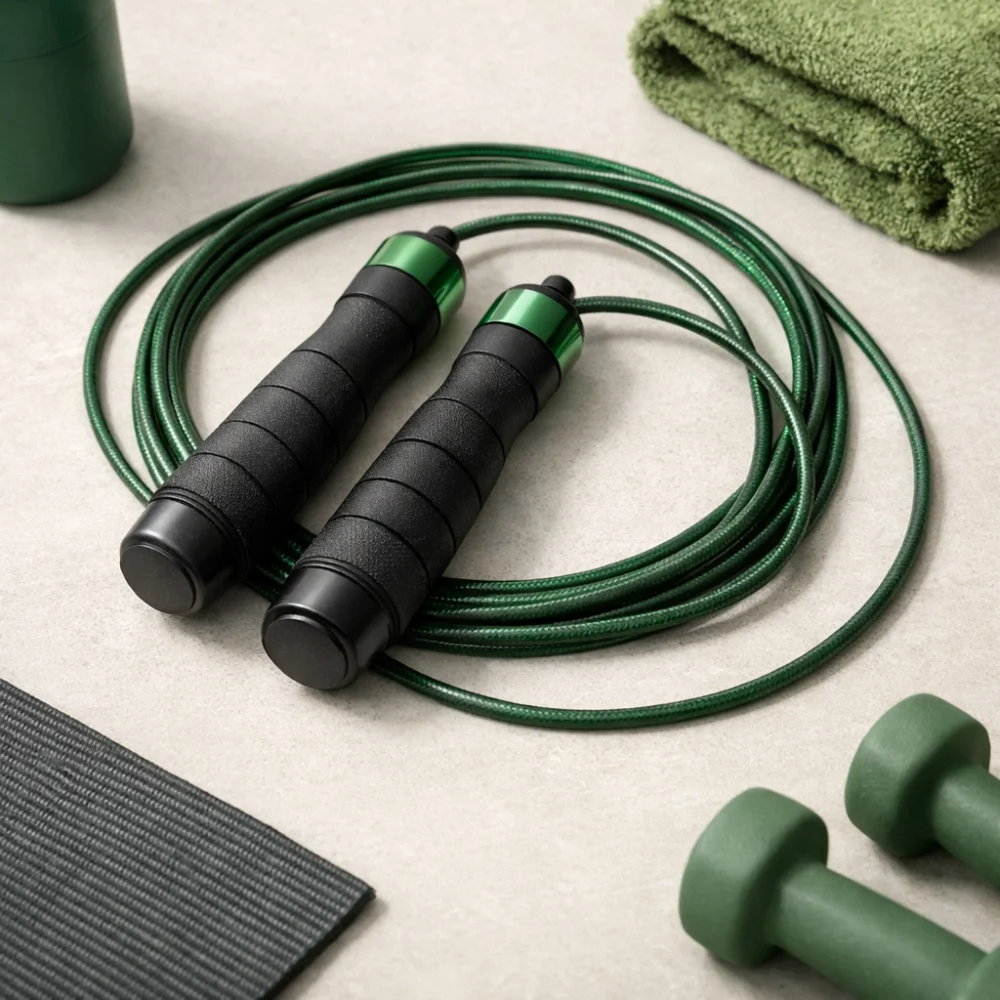
Skipping ropes are a simple piece of training equipment, but the right choice depends on how you want to use it. Some buyers want a rope for general cardio, while others are looking for something that feels quicker, lighter or easier to control.
This guide helps you compare the main options without overcomplicating the decision. It focuses on the features that usually matter most: rope type, handle feel, adjustability and how the rope matches your training space.
What should you look for in a skipping rope?
The best starting point is to match the rope to your intended use. A straightforward adjustable rope can suit general home workouts, while a faster-feeling rope may be more appropriate if you want to work on rhythm or pace. Handle comfort and rope length matter just as much as appearance, especially if you plan to use it regularly.
Specifications vary by model, so always check the individual product page before buying.
| Feature | What it means | Why it matters | What to check |
|---|---|---|---|
| Rope type | The style of rope and how it moves | Affects speed, control and the style of training | Whether it is suited to general fitness, faster skipping or lighter practice |
| Adjustability | Whether the rope length can be changed | Helps the rope fit different users and training spaces | How the length is adjusted and whether it is easy to set up |
| Handle design | The shape and feel of the grips | Influences comfort, control and how secure it feels in use | Grip material, handle length and whether the handles feel comfortable for longer sessions |
| Cord material | The rope itself | Can change the feel, pace and durability expectations | Whether the material suits indoor use, outdoor use or a smoother, quicker swing |
| Training goal | What you want the rope to help you do | Different goals place different demands on the rope | General cardio, skill practice, interval work or warm-ups |
Key decision criteria
Rope length and adjustability
Length is one of the most important checks because a rope that is too long or too short can feel awkward very quickly. Adjustable ropes are often a practical choice if more than one person may use the same rope or if you are still working out your preferred setup. If a rope is fixed length, check carefully that it suits you before you buy.
Handle comfort and control
Handles affect how the rope feels in the hand and how easy it is to keep a steady rhythm. A comfortable grip can make a bigger difference than many shoppers expect, especially if you plan longer sessions or repeated intervals. If you tend to sweat during training, look closely at the handle style and grip description on the product page.
Speed and training feel
Some ropes are designed to feel quicker and lighter, while others are better suited to relaxed general exercise. Faster-feeling ropes can be useful for rhythm and coordination work, but they are not always the most forgiving option for beginners. If you mainly want simple cardio, a more straightforward rope may be easier to live with.
Indoor or outdoor use
Where you expect to use the rope can influence the most sensible choice. A rope that feels fine on a smooth indoor surface may wear differently outdoors, and vice versa. Think about the surface you will actually train on most often, then check the product information for any guidance on suitability.
Common types and how they differ
Skipping ropes in this category tend to fall into a few practical groups rather than sharply defined product families.
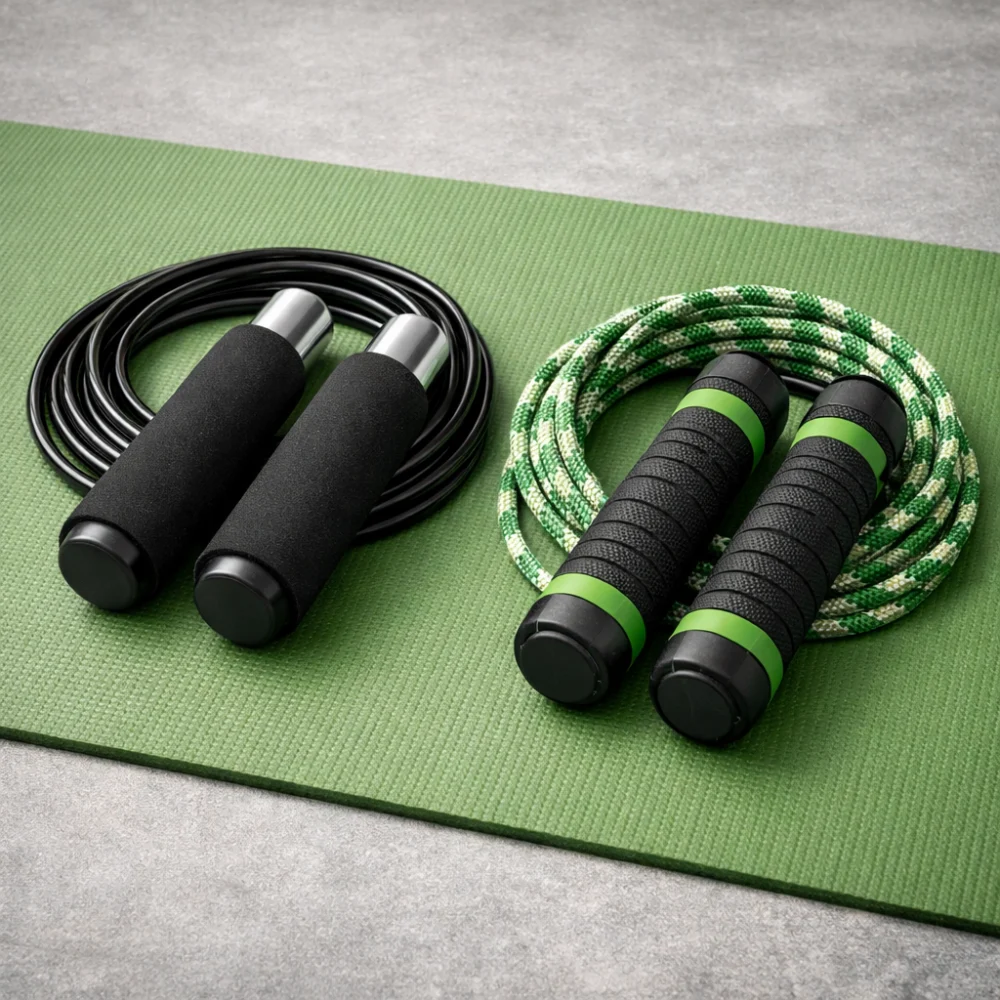
- Adjustable general-purpose ropes: often the most flexible option for shared use, beginners or home workouts.
- Speed-focused ropes: suited to users who want a quicker swing and a lighter training feel.
- Simple fixed-style ropes: can appeal if you already know what length and feel you want.
- Ropes with softer or more cushioned grips: may feel more comfortable for regular sessions.
The main trade-off is usually between convenience, control and speed. A rope that is easy to adjust may be more versatile, while a more specialised feel may suit a particular training style better.
Which rope suits which buyer?
| Buyer need | What to prioritise | Why |
|---|---|---|
| Beginner or occasional user | Simple adjustment, comfortable handles, straightforward rope feel | Helps keep setup easy and reduces frustration while learning timing |
| Shared family use | Adjustability and a forgiving overall design | Lets different users try the same rope with less compromise |
| Regular home cardio | Comfort, manageable length and a durable feel | Supports repeat sessions without making the rope feel cumbersome |
| Faster rhythm or coordination work | Lighter swing and secure control | Can make quicker movement easier to maintain |
Common mistakes to avoid
- Choosing by colour alone: a rope that looks right may still feel wrong for your height, grip preference or training style.
- Ignoring adjustability: if more than one person will use it, a fixed-length rope may be less practical.
- Overlooking the handles: small differences in grip comfort can matter more than expected during repeated sessions.
- Assuming all ropes suit all surfaces: the place you plan to use it should influence the choice.
Safety and suitability notes
Skipping ropes are straightforward, but they still need enough space and a suitable surface to use comfortably. Check that the rope length, your available room and the product’s intended use all make sense together. If a rope is intended for children, shared use or a particular training style, confirm that from the product page rather than assuming.
Maintenance and storage
Most skipping ropes are simple to look after, but the exact needs vary by model. In general, it makes sense to keep the rope dry, store it neatly and avoid unnecessary twisting or kinks. If a rope uses adjustable parts or moving components, it is worth checking whether the product page gives any care guidance.
How to compare options efficiently
- Start with your main use: general cardio, beginner practice, shared use or quicker training.
- Check whether an adjustable rope makes more sense than a fixed-length one.
- Compare the handle feel, rope type and overall training feel.
- Think about where you will use it most often.
- Read the individual product page carefully before deciding.
Summary buyer decision checklist
- Does the rope suit your main training goal?
- Is the length adjustable if that would help?
- Do the handles look comfortable and easy to control?
- Is the rope suitable for the space and surface you plan to use?
- Have you checked the individual product page for the exact details?
Frequently asked questions
Is an adjustable skipping rope worth choosing?
For many buyers, yes, because it gives more flexibility if the rope will be shared or if you are still deciding what length feels right. It is often the easier choice when you want a practical all-round rope.
What matters more: the rope or the handles?
Both matter, but for different reasons. The rope affects the feel and pace, while the handles affect comfort and control, especially during longer sessions.
Are speed ropes suitable for beginners?
They can be, but they are not always the easiest place to start. If you are new to skipping, a more forgiving general-purpose rope may feel simpler while you build timing and confidence.
Can one rope suit different users?
Yes, if it is adjustable and easy to set for each person. Shared use is one of the clearest reasons to prefer a rope with flexible length.
What should I check if I plan to use it indoors?
Look at the rope’s feel and make sure you have enough clear space around you. It is also sensible to think about the surface you will use most often, because that can affect comfort and wear.
How do I avoid buying the wrong rope length?
Check whether the rope can be adjusted and read the product page carefully before ordering. If it is fixed length, be more cautious and make sure the listed information suits the intended user.