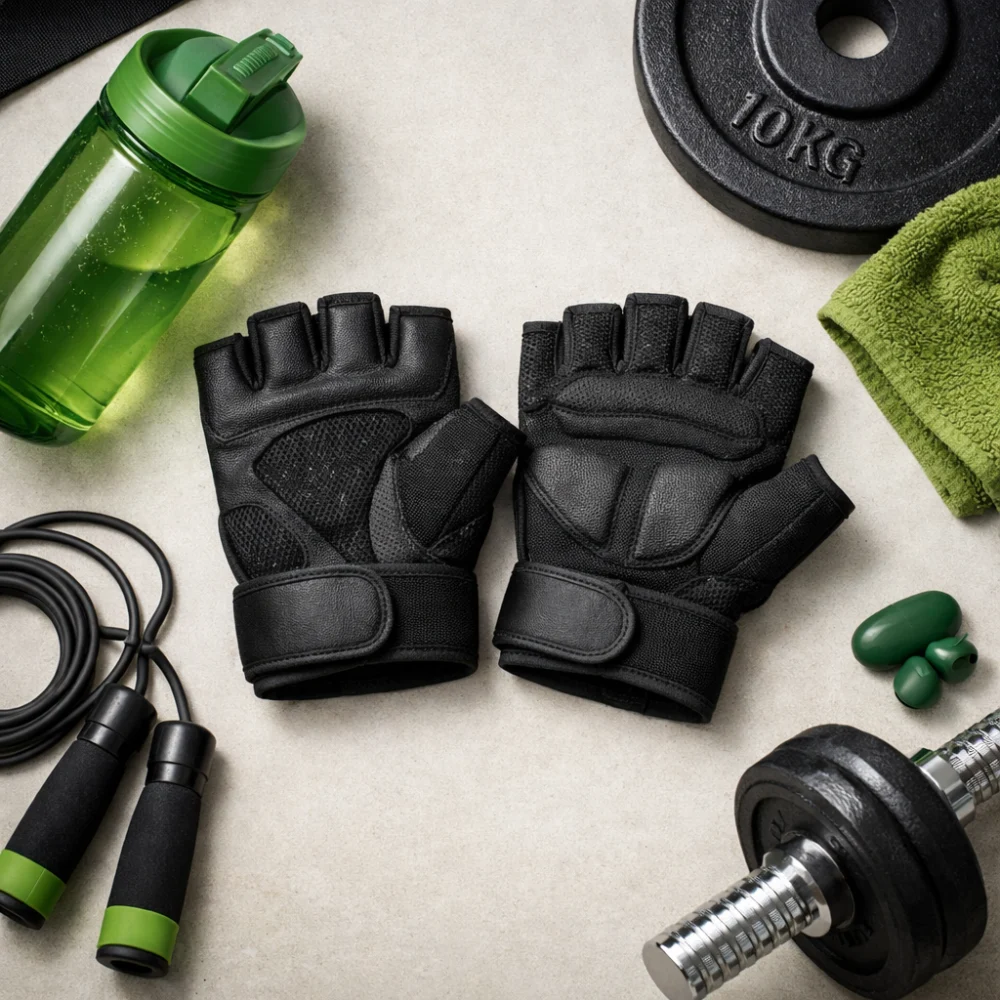
Workout gloves can make training feel more comfortable when you are lifting, using machines, cycling or doing mixed gym sessions. They are usually chosen to improve grip, reduce hand rub and give a little more confidence during repeated sets.
The right pair depends on how you train and what you want them to do. Some buyers mainly want palm padding, while others care more about a close feel, breathability or extra wrist support.
Because workout gloves vary a lot in cut, padding and closure style, it helps to compare them by use rather than by appearance alone. Specifications vary by model, so always check the individual product page before buying.
What should I look for in workout gloves?
Start with the kind of training you do most often. If you want a lighter feel and better bar contact, a slimmer glove may suit you better than a heavily padded one. If your hands get sore from repeated gripping, more palm cushioning may be useful, but it can reduce bar feel and dexterity.
The best starting point is usually to match the glove to your main concern: comfort, grip, wrist feel or breathability. That makes it easier to avoid paying for features you will not use.
| Feature | What it means | Why it matters | What to check |
|---|---|---|---|
| Palm padding | Extra material on the palm area to soften contact | Can reduce pressure and rubbing during repeated gripping | How much coverage it gives and whether it feels too bulky for your lifts |
| Finger coverage | Whether the glove is full-finger or fingerless | Affects feel, ventilation and ease of movement | How much dexterity and airflow you want during training |
| Wrist support | Any strap or wrap around the wrist | Can change how secure the glove feels during heavier work | Whether the closure is simple, adjustable and suitable for your routine |
| Breathability | How open or ventilated the materials are | Helps with comfort during longer or warmer sessions | Material description and any mesh or ventilated zones |
| Fit and sizing | How closely the glove matches the hand | A poor fit can reduce grip comfort and make movement awkward | Size guidance, fastening method and whether the glove is meant for a snug fit |
Key decision criteria
Grip and palm feel
Grip is often the main reason people buy workout gloves. Some gloves aim to improve traction between your hand and equipment, while others focus more on comfort and cushioning. If you want a natural feel on bars or handles, avoid choosing a glove solely because it looks thick or rugged.
Padding versus dexterity
More padding can help if your hands feel pressured by repeated use, but it may also make the glove feel less precise. That trade-off matters most for exercises where you want to keep a close connection with the equipment. If you prefer a clean, direct feel, lighter padding is often easier to live with.
Wrist closure and support
Some workout gloves include a wrist strap or wrap, which can help the glove stay in place and change the feel around the wrist. That can be useful for people who like a more secure fit, but it is not the same as choosing dedicated wrist supports. Check how the strap closes, how much adjustability it offers and whether it looks likely to interfere with your movement.
Ventilation and comfort
Workout gloves are worn through sweat, so breathability matters more than many buyers expect. More open materials can feel cooler, but may be less substantial. A closed or heavily padded glove can feel sturdier, yet warmer during longer sessions.
Fit and sizing
A glove that is too loose can shift during exercise, while one that is too tight can feel restrictive. Fit affects comfort, grip confidence and how easy it is to remove the glove between sets. Pay attention to the sizing guidance on the product page and to whether the design is intended to fit snugly.
Common workout glove types
Fingerless training gloves
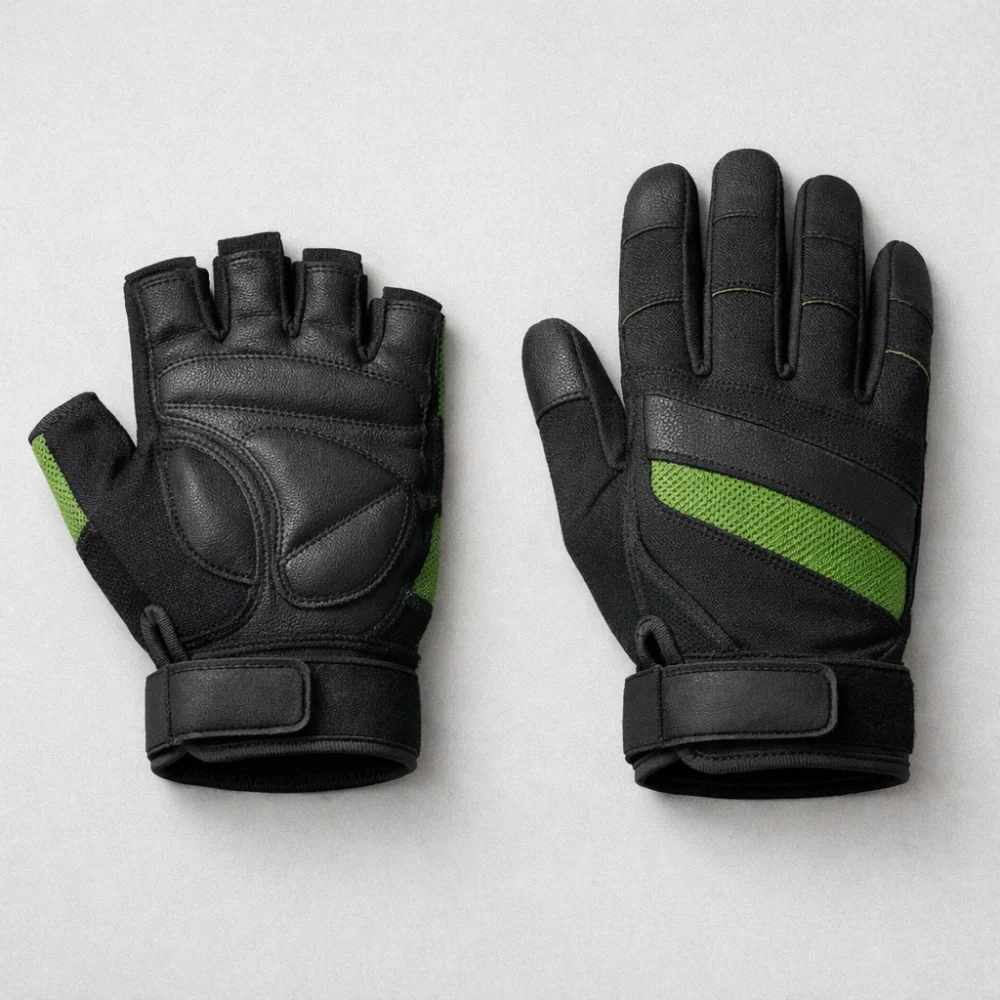
These leave the fingers free while covering the palm and part of the hand. They suit buyers who want more airflow and easier movement, especially for gym work where finger dexterity matters. The main limitation is that they offer less coverage than full-finger styles.
Full-finger workout gloves
These cover more of the hand and may feel more enclosed. They can suit people who prefer extra coverage, but they may feel warmer and less free during some exercises. Check whether the extra coverage matches your training environment.
Gloves with wrist straps
These combine hand coverage with some form of wrist fastening. They may suit buyers who want a more locked-in feel. The trade-off is that they can feel bulkier, so they are not always the best choice if you want a very light glove.
Slim or lightweight gloves
These are aimed at buyers who want protection without much bulk. They may be a good option for mixed training or for people who dislike thick padding. Their limitation is that they usually provide less cushioning for heavy, repetitive contact.
Which glove suits which buyer?
| Buyer need | What to prioritise | What may matter less |
|---|---|---|
| General gym use | A balanced fit, reasonable grip and enough comfort for repeated sessions | Specialist features you will rarely notice |
| Heavier gripping or repeated bar work | Secure fit, palm durability and the amount of padding | Very light styling or maximum airflow |
| Warm or sweaty sessions | Breathable materials and a snug but not restrictive fit | Thick padding that may trap heat |
| Mixed training | Moderate padding, easy movement and a glove that does not feel bulky | Extra features that add complexity without solving a real need |
Common mistakes and misunderstandings
- Choosing by appearance alone. A glove can look robust but still be too bulky or too warm for your training style.
- Assuming more padding is always better. Extra cushioning can help comfort, but it may also reduce feel and flexibility.
- Ignoring fit. If the glove shifts or pinches, it is less likely to feel comfortable in use.
- Mixing up glove support and wrist support. A glove with a strap may feel more secure, but it is not automatically the same as a dedicated support product.
Safety and suitability caveats
Workout gloves are a comfort and grip accessory, not a guarantee against strain, slipping or poor technique. Make sure the glove suits the activity you plan to do and does not interfere with your natural hand position. If you have very specific support needs, check the product details carefully rather than assuming a glove will solve them.
Maintenance, storage and lifespan considerations
Workout gloves are exposed to sweat and repeated friction, so care matters when deciding what to buy. Look for materials that seem easy to air out after use and check whether the design looks simple enough to keep clean. A glove that is awkward to dry or store may feel less convenient over time, even if it seems comfortable at first.
How to compare options efficiently
- Decide whether your main need is comfort, grip, wrist feel or ventilation.
- Choose between a lighter glove and a more padded one.
- Check the fit guidance and closure style.
- Compare material descriptions for breathability and durability clues.
- Read the individual product page carefully before buying.
Summary buyer decision checklist
- Does the glove suit your main type of training?
- Is the padding level right for your preferred balance of comfort and feel?
- Do you want fingerless, full-finger or wrist-strap design?
- Does the sizing guidance suggest a secure fit?
- Will the material feel breathable enough for your sessions?
- Have you checked the product page for the exact features you need?
Frequently asked questions
Do workout gloves improve grip?
They can help by giving a more secure feel between your hands and equipment. That said, the result depends on the glove design and the fit, so it is better to think of them as a grip aid rather than a guarantee.
Are fingerless gloves better than full-finger gloves?
Neither is always better. Fingerless gloves usually feel cooler and give more freedom, while full-finger gloves offer more coverage. The better choice depends on whether you value ventilation or hand coverage more.
Should I choose padded gloves for lifting?
Padding can make lifting more comfortable if you notice rubbing or pressure, but too much can reduce bar feel. If you prefer a close connection with the equipment, a slimmer glove may be easier to use.
Do I need wrist straps on workout gloves?
Not always. Wrist straps are useful if you want a more adjustable or secure feel, but they are not necessary for every buyer. Think about whether the extra closure will help or simply add bulk.
How should workout gloves fit?
They should feel secure without pinching or slipping. A close fit is usually more practical than a loose one, especially if you want the glove to stay put during repeated movement.
Can workout gloves be used for different exercises?
Many people use them for more than one kind of training, but the best glove for machine work may not be the best one for bar work or cycling. If you train in several ways, a balanced glove is often easier to live with than a highly specialised design.