Choosing a water bottle sounds simple until you start comparing size, lid style, material and how you plan to carry it. The right choice depends less on the label and more on how you will use it day to day.
Some buyers want a lightweight bottle for commuting or school runs, while others need something better suited to training, long outings or family use. A good buying decision is usually about balance: comfort, capacity, ease of cleaning and how secure the lid feels in a bag.
This guide focuses on practical buying questions so you can narrow the options quickly and avoid paying for features you do not need.
What should you look for in a water bottle?
Start with capacity, lid type and material, then think about how easy the bottle is to carry and clean. For many buyers, the best choice is the one that matches the routine you already have, not the one with the most features. If you need one bottle for more than one setting, look for the trade-off that matters most to you, such as weight versus insulation or simplicity versus spill resistance.
| Feature | What it means | Why it matters | What to check |
|---|---|---|---|
| Capacity | How much liquid the bottle holds | Affects how often you need to refill and how bulky the bottle feels | Match the size to your routine, bag space and how long you are away from a tap |
| Material | Commonly plastic, stainless steel or similar bottle materials | Influences weight, feel, durability and whether insulation is available | Look at the product page for the stated material and any care notes |
| Lid style | How the bottle opens and closes | Affects ease of drinking, leak resistance and one-handed use | Check whether it uses a screw top, flip lid, straw lid or sports-style top |
| Portability | How easy the bottle is to carry | Important for bags, cups holders and hands-on-the-go use | Consider shape, handle, grip and whether the bottle is practical for your route |
| Cleaning | How easy it is to wash and dry | Good cleaning helps with taste, hygiene and day-to-day convenience | Look for wide openings, removable parts and any dishwasher guidance if shown |
| Insulation | Whether the bottle helps keep drinks cooler or warmer for longer | Useful for longer days, commuting and outdoor use | Confirm whether insulation is actually stated, rather than assumed from the material alone |
Key decision criteria explained
Capacity and size
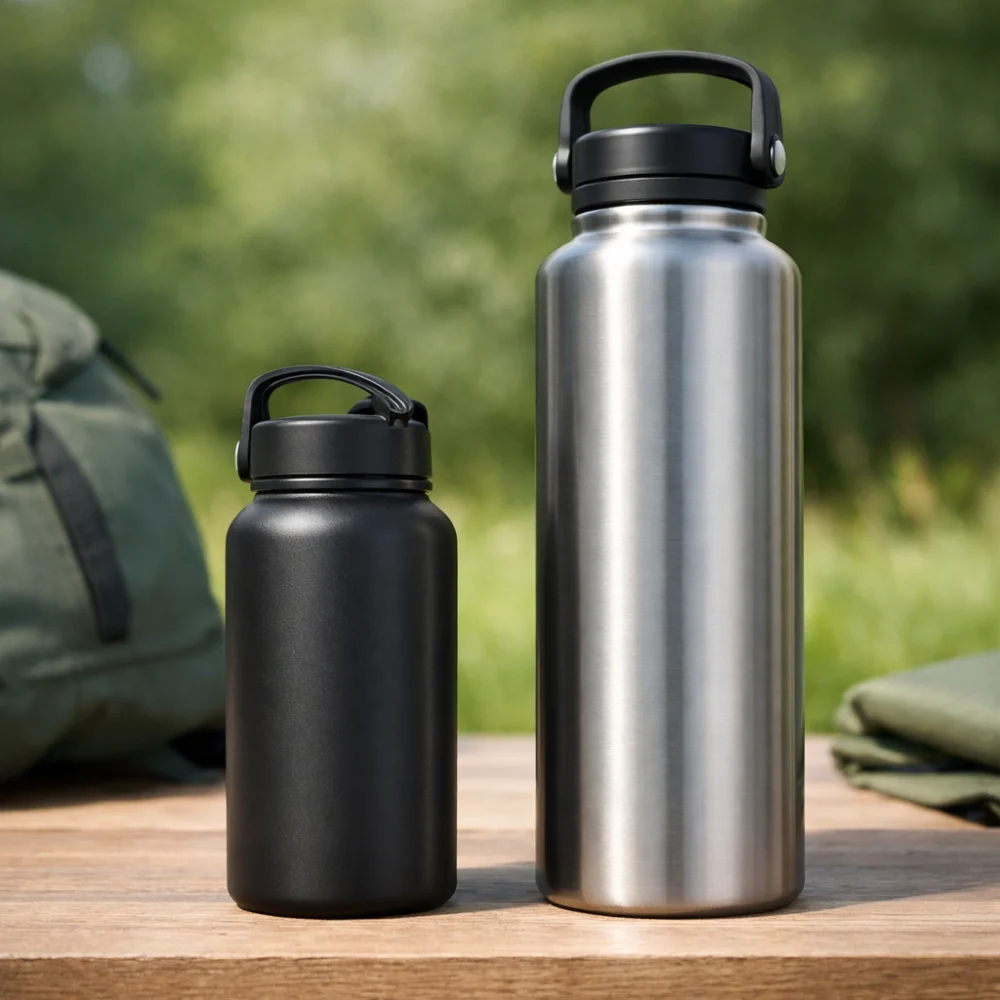
Capacity affects both convenience and portability. A larger bottle means fewer refills, but it can be heavier and less comfortable in a small bag. Smaller bottles are easier to carry but may not suit long training sessions, busy days or family outings.
Material and weight
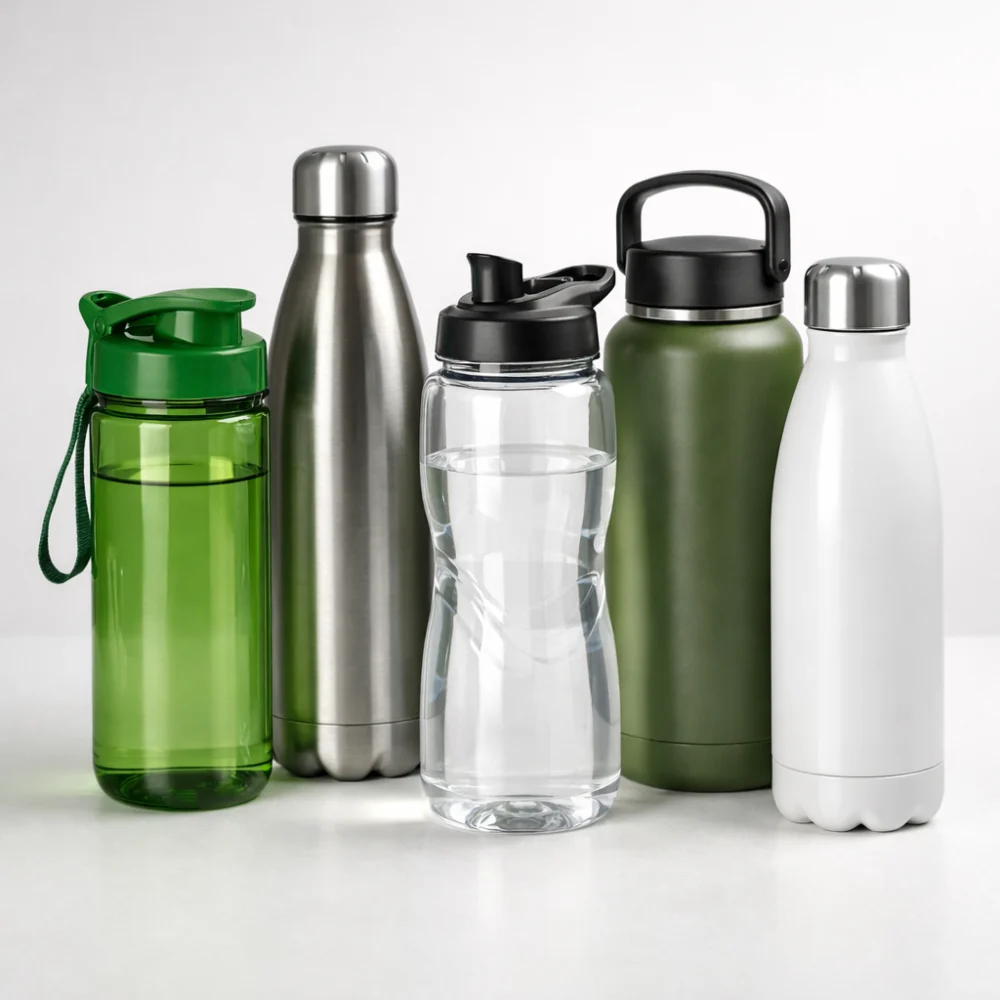
Material changes the feel of the bottle as much as the look. Lightweight plastic can be convenient for shorter trips and children, while stainless steel may appeal if you want a sturdier feel or insulation. Check the product information carefully, because features vary by model, so always check the individual product page before buying.
Lid and drinking style
The lid often matters more than buyers expect. A screw top can be simple and secure, while a flip lid or straw lid may be easier when you want quick sips on the move. If you will use the bottle during exercise, think about how easily you can drink from it without stopping or tilting too much.
Cleaning and everyday upkeep
A bottle that is awkward to clean can quickly become annoying, especially if it is used daily. Wide openings and fewer small parts are often easier to manage. If a model has a straw, valve or extra seal, that can improve drinking comfort but may also mean a little more to wash.
Leak resistance and bag use
If the bottle will go into a school bag, work bag or gym kit, check how the lid closes and whether the design is suitable for being carried on its side. No bottle should be assumed leakproof just because it looks sporty. The product page should make the closure style clear, and that is worth checking closely.
Types and variants you may see
Within this category, the main differences are usually in bottle style rather than a completely different product type.
- Simple screw-top bottles: straightforward, usually easy to understand and often a good low-fuss choice.
- Sports-style bottles: designed for quicker drinking during activity, though the opening style may be less suitable for everyone.
- Straw or flip-lid bottles: convenient for frequent sipping, but they can have more parts to clean.
- Insulated bottles: useful if you want temperature retention, although they may be heavier or bulkier than plain bottles.
- Kids’ bottles: often aimed at easier handling and everyday school or family use, with size and lid style being especially important.
Which bottle suits which buyer?
| Buyer need | Helpful features | Why this helps |
|---|---|---|
| Everyday commuting | Moderate size, secure lid, easy carry | Fits into routines without feeling too bulky |
| Gym or exercise use | Easy-drink lid, stable grip, practical size | Makes regular sipping simpler during activity |
| School or family use | Lightweight build, easy cleaning, dependable closure | Helps with daily handling and reduces fuss |
| Long days away from home | Larger capacity, optional insulation, comfortable carry | Reduces refills and can improve convenience |
| Minimalist carry | Compact shape, simple design, lighter material | Keeps weight and bulk down |
Common mistakes and misunderstandings
- Choosing by capacity alone: a large bottle is not helpful if it is awkward to carry or too heavy for daily use.
- Assuming all lids work the same way: the opening style strongly affects convenience, spill risk and cleaning.
- Overlooking cleaning needs: bottles with extra parts can be useful, but they may take more effort to maintain.
- Confusing insulation with material: not every metal bottle is insulated, so check the product details rather than guessing.
- Ignoring how it will be carried: a bottle that works well at a desk may be less suitable in a packed bag or for one-handed use.
Safety and suitability caveats
Check that the bottle is suitable for the intended user and setting, especially for children, exercise sessions or commuting in a bag. If you need a bottle for hot drinks, do not assume a water bottle is designed for that purpose unless the product information clearly says so. For any bottle, it is sensible to confirm the stated material, lid style and care guidance before buying.
Maintenance, storage and lifespan considerations
How you store and clean a water bottle can affect how pleasant it is to use over time. Regular washing matters more for bottles used daily, especially if they have straws, seals or narrow openings. If the bottle has removable parts, check that you are comfortable taking them apart for cleaning and putting them back together again.
Storage also matters: a bottle that is stored with the lid open to dry may be easier to keep fresh than one put away while still damp. If you are buying for frequent use, think about whether the shape fits into cupboards, lunch bags or car holders.
How to compare options efficiently
- Decide where the bottle will be used most often: at work, in the gym, at school or on the move.
- Choose the size that fits the journey and how often you want to refill.
- Compare lid styles for drinking comfort, spill resistance and ease of cleaning.
- Check whether weight, insulation or portability matters most for your routine.
- Read the individual product page for the specific material, care notes and any model-specific details.
Summary buyer decision checklist
- Does the capacity suit your day without feeling too bulky?
- Is the lid style practical for how you drink?
- Will the material and weight suit how you carry it?
- Is it easy enough to clean for regular use?
- Is the bottle suitable for the intended user and setting?
- Have you checked the individual product page for model-specific details?
Frequently asked questions
What size water bottle should I buy?
Choose a size based on how long you are likely to be away from a refill point and how much bulk you are willing to carry. Smaller bottles are often easier for everyday carry, while larger ones reduce the need to top up. The right answer is usually the one that fits your routine most comfortably.
Are stainless steel water bottles better than plastic ones?
Neither is automatically better. Stainless steel may feel sturdier and is often chosen when insulation is important, while plastic can be lighter and more convenient for some buyers. The better choice depends on whether you value weight, insulation, durability or simplicity most.
What lid type is easiest to use?
That depends on how you plan to drink from the bottle. Screw tops are simple, while flip lids, straw lids and sports-style openings can be quicker during activity. If cleaning matters a lot to you, a simpler lid may be easier to live with.
Do all water bottles leak?
No, but not every design is equally secure. Leakage risk depends on the lid, seals and how the bottle is closed, so it is worth checking the product details carefully. A bottle intended for bags should make its closure style clear.
Are insulated bottles always heavier?
Often they are, but the amount varies by model. Insulation can be useful if temperature retention matters, yet it may add size or weight compared with a plain bottle. Think about whether the extra convenience is worth the trade-off for your use.
How important is cleaning when choosing a bottle?
Very important if you plan to use it often. A bottle that is easy to wash is more likely to stay pleasant to use over time. Simpler designs are usually easier to maintain, especially if you want to avoid lots of small parts.