
Water Bottles
Water bottles are practical drink containers designed to help you carry water and other suitable drinks throughout the day. They are useful for walking, camping, commuting, school, gym sessions, cycling, travel, sports and everyday use, depending on the bottle style and features listed.
The right water bottle should suit how you carry it, where you use it and what you like to drink. Size, material, lid type, insulation, grip, cleaning needs and leak resistance where listed are all worth comparing before choosing.
- Water Bottles
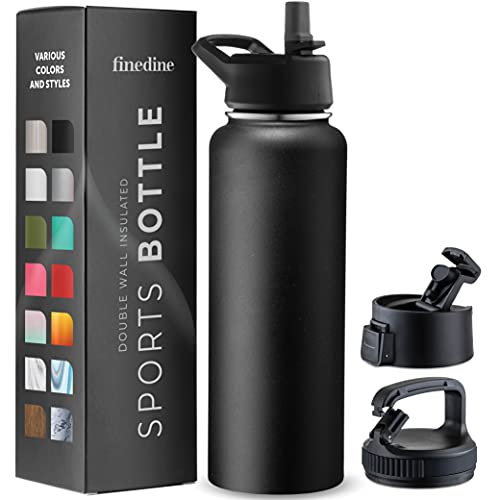
Camelbak Podium 24oz Black Bottle – 001 Black/Grey, N, One Size
Original price was: £10.79.£9.99Current price is: £9.99. *View On Amazon* - Water Bottles
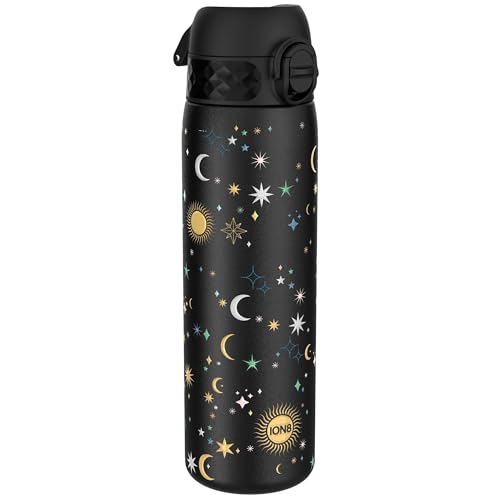
Ion8 Lightweight Steel Water Bottle, 600 ml/20 oz, Non-Insulated, Leak Proof, Easy to Open, Secure Lock, Dishwasher Safe, Flip Cover, Fits Cup Holders, Carry Handle, Metal Water Bottle, Celestial
Original price was: £15.99.£11.90Current price is: £11.90. *View On Amazon* - Water Bottles
Sparrow Insulated Water Bottle Kids 500ml – FlipFlow Metal Water Bottles with Straw Lid – BPA Free – Leakproof Stainless Steel Flask for Sport, School, Outdoor, Travel
Original price was: £15.59.£14.59Current price is: £14.59. *View On Amazon* - Water Bottles
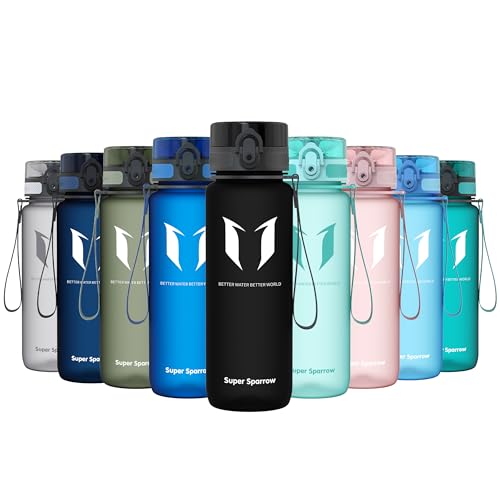
Super Sparrow Sports Water Bottle – 750ml – Non-Toxic BPA Free & Eco-Friendly Tritan Co-Polyester Plastic – For Running, Gym, Yoga, Outdoors and Camping
Original price was: £13.95.£12.95Current price is: £12.95. *View On Amazon* - Water Bottles
Ion8 Lightweight Steel Water Bottle, 600 ml/20 oz, Non-Insulated, Leak Proof, Easy to Open, Secure Lock, Dishwasher Safe, Flip Cover, Fits Cup Holders, Carry Handle, Metal Water Bottle, Light Purple
Original price was: £13.99.£11.50Current price is: £11.50. *View On Amazon* - Water Bottles
MURBONE Insulated Water Bottle, 1L Stainless Steel Drink Flask with Straw, BPA Free, Leakproof Double Walled Vacuum Bottle with 2 Lids (Straw and Spout), Blue
Original price was: £16.99.£14.88Current price is: £14.88. *View On Amazon* - Water Bottles
ION8 Lightweight 1 Litre Steel Water Bottle, Non-Insulated, Leak Proof, Easy to Open, Secure Lock, Dishwasher Safe, Flip Cover, Carry Handle, Ideal for Travel & Active Lifestyles, Black
Original price was: £18.99.£14.20Current price is: £14.20. *View On Amazon* - Water Bottles
Ion8 Sports Water Bottle, 750 ml/24 oz, Leak Proof, Easy to Open, Secure Lock, Dishwasher Safe, BPA Free, Flip Cover, Carry Handle, Soft Touch Contoured Grip, Easy Clean, Odour Free, Black
Original price was: £14.99.£10.70Current price is: £10.70. *View On Amazon*








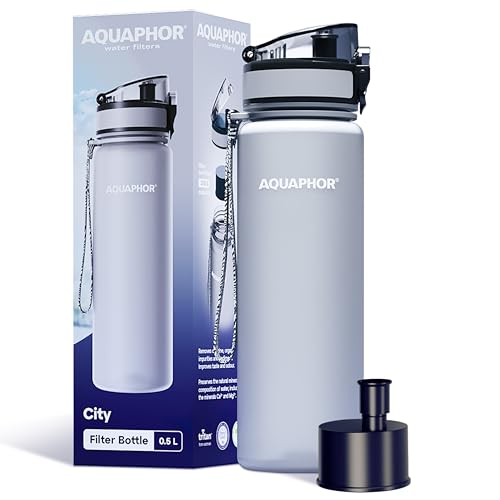
What Are Water Bottles?
Water bottles are reusable or portable bottles made for carrying drinks when you are away from the tap, fridge or kitchen. They can vary from simple everyday bottles to more activity focused designs for sport, travel and outdoor use.
Products in this category may include plastic water bottles, stainless steel bottles, insulated bottles, sports bottles, kids bottles, travel bottles, cycling bottles, hiking bottles and bottles with straws, handles or flip lids, depending on what is listed.
Some bottles are designed for cold drinks, some may be suitable for hot drinks where stated, and some focus on being lightweight, durable, easy to clean or simple to carry. Always check the product details before buying, especially if you need a bottle for a specific drink or activity.
What Are Water Bottles Used For?
Water bottles are used for carrying drinks during daily routines, exercise, travel and outdoor activities. They can help you keep water close by at work, school, the gym, in the car, on a walk or around camp.
For sport and fitness, a water bottle makes it easier to drink before, during and after activity. For walking and camping, it can help you carry water on the move. For commuting and travel, it can reduce the need to buy drinks while out and about, where refill points are available.
They are also useful for children, family days out, dog walks, festivals, picnics, cycling routes and longer journeys where easy access to a drink is helpful.
How To Choose The Right Water Bottle
Start by thinking about where you will use the bottle most. A gym bottle may need an easy opening lid and good grip. A travel bottle may need secure closure and a shape that fits bags or cup holders. A camping or walking bottle may need more capacity and durability.
Next, consider the material. Plastic bottles can be lightweight and easy to carry, depending on the product. Stainless steel bottles may feel more robust and may offer insulation where listed. Collapsible bottles can save space when empty, while glass bottles may suit everyday use but may be less practical for rough outdoor activity.
Capacity is also important. A smaller bottle can be easier to carry for short trips, school bags or commuting. A larger bottle may suit long walks, gym sessions, camping, warm weather or anyone who wants fewer refills. Make sure the size suits both your thirst and your bag space.
Also check the lid style. Screw tops can feel secure, flip lids can be quick to use, straw lids can suit sport or driving where appropriate, and wide mouth designs may be easier to fill and clean. Each lid type has its own practical trade off.
Key Features To Compare
When comparing water bottles, look at capacity, material, lid design, weight, insulation, leak resistance where listed, ease of cleaning, grip, carry handle and compatibility with bags, cages or cup holders.
Insulation can be useful if you want drinks to stay cooler or warmer for longer where stated by the product. Non insulated bottles may be lighter and simpler, which can suit everyday use or short sessions.
Lid design affects convenience. A bottle that is easy to open during sport may not be the same as one you trust inside a work bag. If leak resistance matters, check the product wording carefully and make sure the lid is closed correctly before carrying.
Cleaning is another key point. Wide openings can make bottles easier to rinse, while straw lids, valves and narrow openings may need more careful cleaning. Check whether the bottle or lid is dishwasher safe where listed, and do not assume every part can be cleaned the same way.
Water Bottles Compared With Travel Mugs Hydration Packs And Flasks
A water bottle is usually the simplest option for carrying cold drinks, water or other suitable drinks during everyday use. It is often lighter and easier to drink from than a flask or travel mug, depending on the design.
A travel mug is usually designed for hot drinks and short term sipping while commuting or working. It may not be ideal for sport, hiking or carrying larger amounts of water unless stated.
A flask is often chosen for hot or cold drink retention. It can be useful for camping, travel and winter walks, but it may be heavier than a standard bottle.
A hydration pack is designed to carry water in a reservoir, often inside a backpack, with a drinking tube for hands free sipping. It can be useful for cycling, running, hiking or longer outdoor routes, but it needs more cleaning and setup than a simple bottle.
For many buyers, a water bottle is the most practical everyday choice. For longer routes or specialist activities, it may be worth comparing bottles with flasks or hydration packs.
Guidance For First Time Regular And Activity Focused Buyers
First time buyers should choose a water bottle that is easy to fill, easy to drink from and easy to clean. A simple bottle with a secure lid is often a good starting point for work, school, gym or casual daily use.
Regular users may want to compare material, lid quality, grip, cleaning needs and how the bottle fits into a bag, bike cage or car cup holder where relevant. A bottle used every day needs to be practical, not just good looking.
Activity focused buyers should choose based on the setting. Gym users may prefer quick access lids. Walkers may want a larger or more durable bottle. Cyclists should check bottle cage compatibility where listed. Campers may want a bottle that is easy to clean and reliable around outdoor kit.
For children, ease of opening, sensible size, secure closure and simple cleaning are especially important. A bottle that is too heavy or awkward may not get used properly.
Use Cases By Activity And Lifestyle
For commuting, a water bottle should fit comfortably in a bag, cup holder or side pocket. A secure lid is important if it will be carried near electronics, books or work items.
For walking and hiking, capacity, weight and durability matter. A bottle should be easy to drink from without slowing you down too much, and it should suit the length of the route and refill options available.
For gym and fitness, look for a bottle that is easy to grip, quick to open and suitable for the drinks you plan to use. If using powders or sports drinks, check cleaning needs carefully.
For camping, water bottles are useful around the tent, campsite, picnic table and day bag. Larger bottles can help with longer days, while smaller bottles may be easier for children or short walks.
For cycling, check whether the bottle is suitable for bottle cages where listed. Shape, squeeze design and cap style can all affect how practical it feels on the bike.
For school and family use, choose bottles that are easy to carry, easy to identify and practical to clean. Check size and lid style carefully so the bottle suits the child and the bag.
For travel, leak resistance where listed, compact shape and easy refilling can be useful. A bottle that is too bulky may be left behind, while one that feels comfortable to carry is more likely to be used.
Fit Compatibility And Carrying Practicality
A water bottle should suit the way you plan to carry it. Check the shape, height and width where listed if you need it to fit a backpack pocket, car cup holder, bike bottle cage, school bag or gym bag.
Lid height and handle design can affect fit too. A bottle may have the right capacity but still feel awkward if the lid is bulky or the carry loop catches inside a bag.
If the bottle will be used with cycling cages, running belts, backpack side pockets or lunch bags, check compatibility carefully. Not every bottle shape works with every holder or storage space.
Think about grip as well. Textured surfaces, waist shapes, handles or soft touch areas where listed may make a bottle easier to hold, especially during sport or wet weather.
Drink Suitability Cleaning And Taste
Not every water bottle is suitable for every drink. Some bottles are intended for water only, while others may be suitable for cold drinks, fizzy drinks, hot drinks or flavoured drinks where the product details state this. Always check before use.
If you use sports powders, squash or other flavoured drinks, cleaning becomes more important. Residue can build up around lids, straws, seals and threads if the bottle is not washed properly.
Some materials may hold smells or tastes more than others, depending on the product and use. Regular cleaning, proper drying and following care guidance can help keep the bottle fresher.
Wide mouth bottles can be easier to fill with ice or clean by hand. Straw lids and valves may be convenient, but they often need more attention when washing.
Safety Care Maintenance And Storage
Water bottles should be used according to the product instructions. Check whether the bottle is suitable for hot liquids, carbonated drinks, dishwashers, freezers or microwave use where relevant. Do not assume unless the listing says so.
Clean the bottle regularly, especially after using anything other than plain water. Wash lids, seals, straws and caps carefully because these are the areas where residue can collect.
Let the bottle dry fully before storing it. Leaving a bottle sealed while damp can affect freshness. Store it with the lid off or loosely fitted where practical and suitable.
Check the bottle from time to time for cracks, damaged seals, loose lids, sharp edges or worn parts. If a bottle no longer closes properly or smells difficult to clean, it may be time to replace it.
Avoid leaving bottles in extreme heat for long periods unless the product guidance says this is suitable. Heat can affect some materials, seals and drink quality.
Useful Accessories To Consider
Useful accessories can include bottle brushes, replacement lids where compatible, cleaning tablets where suitable, bottle cages, backpacks, lunch bags, cool bags, hydration packs, carabiner clips and gym bags.
For walking and camping, a backpack with side bottle pockets can make carrying water easier. For cycling, a bottle cage and compatible cycling bottle may be useful. For school or work, a lunch bag or bottle holder can help keep everything organised.
For regular use, a proper bottle brush can make cleaning simpler, especially with narrow bottles or lids that have extra parts.
Why Buy Water Bottles From YPC?
At YPC, we understand active lifestyles and the need for practical products that work in real use. Water bottles can vary by capacity, material, lid type, insulation, cleaning needs and activity suitability, so comparing the details helps you choose with more confidence.
YPC helps you browse water bottles with real daily use in mind, whether you are buying for school, work, gym sessions, camping, walking, cycling, travel or family days out. Explore the Water Bottles category to browse the available options and compare the features that matter most for hydration, comfort and practical everyday carry.
FAQs
What should I look for when buying a water bottle?
Look for the right capacity, material, lid style, ease of cleaning, weight and carrying shape. If leak resistance, insulation or dishwasher suitability matters, check the product details carefully before buying.
What size water bottle do I need?
The right size depends on how long you will be out, how often you can refill and how much weight you want to carry. Smaller bottles suit short trips, while larger bottles may be useful for walking, gym sessions, camping or warm weather.
Are stainless steel water bottles better than plastic bottles?
Neither is automatically better for everyone. Stainless steel bottles can feel more robust and may offer insulation where listed, while plastic bottles are often lighter and easier to carry. Choose based on use, weight, care and product features.
Are insulated water bottles worth it?
Insulated water bottles can be useful if you want drinks to stay cool or warm for longer where stated. They may be heavier than non insulated bottles, so compare capacity, weight and intended use before choosing.
Can water bottles be used for hot drinks?
Only use a water bottle for hot drinks if the product information says it is suitable. Some bottles are made for cold drinks only, and using hot liquids in the wrong bottle may be unsafe or damage the product.
Are water bottles dishwasher safe?
Some water bottles or parts may be dishwasher safe where listed, but others may need hand washing. Check the care instructions for the bottle, lid, seal and straw before cleaning.
What is the easiest water bottle to clean?
Bottles with wide openings and simple lids are often easier to clean. Bottles with straws, valves or multiple seals can still be practical, but they may need more careful washing.
Can I use a water bottle for sports drinks?
Some bottles may be suitable for sports drinks where stated. If using flavoured drinks or powders, clean the bottle thoroughly after use, especially around the lid, seal and drinking spout.
Do water bottles leak?
Some bottles are designed to be leak resistant where listed, but performance depends on the product, seal condition and correct closure. Always check the lid is properly fastened before placing a bottle in a bag.
Are water bottles suitable for children?
Many water bottles can be suitable for children where the size, weight, lid type and age guidance fit the child’s needs. Choose a bottle that is easy to open, easy to carry and simple to clean.
 Getting ready for Summer? View our Home and Garden Products

Heading outdoors this winter? Take a look at our Outdoor Clothing.