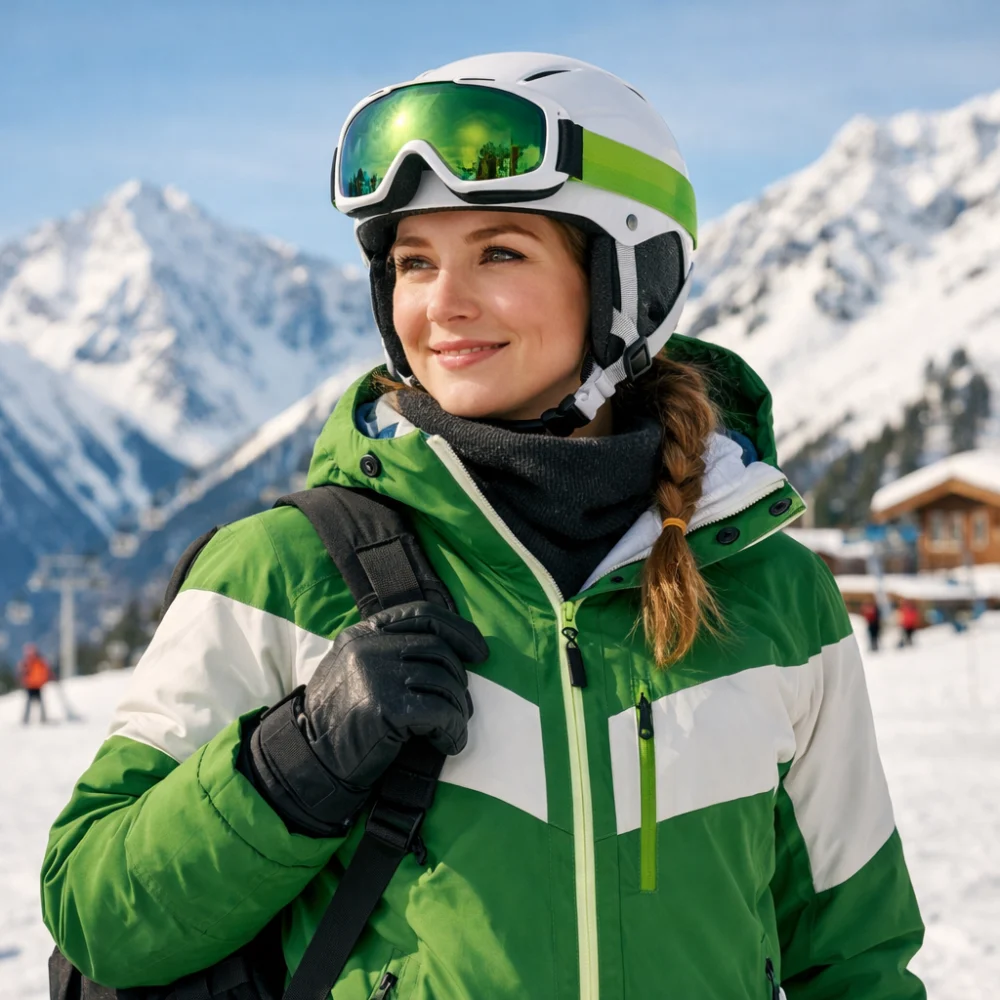
Choosing a women’s ski jacket is mostly about balancing warmth, weather protection and freedom of movement. The right option depends on how cold the conditions are, how active you are on the slope and what you plan to wear underneath.
It also helps to think beyond skiing alone. Some jackets are aimed at resort use in variable weather, while others are better suited to colder days, more layering or general winter wear. This guide focuses on the buying decisions that make the biggest difference without assuming every jacket is built the same way.
What should you look for in a women’s ski jacket?
A good starting point is the combination of waterproofing or weather resistance, insulation and breathability. Those three factors shape how warm, dry and comfortable the jacket feels when you are moving, sitting on lifts or dealing with changing weather. The main trade-off is simple: more insulation often means more warmth but less flexibility, while a lighter shell can be easier to move in but may need better layering.
Specifications vary by model, so always check the individual product page before buying.
| Feature | What it means | Why it matters | What to check |
|---|---|---|---|
| Weather protection | How well the jacket helps block snow, wind and damp conditions | Important for comfort in changing mountain weather | Look for the product page description of waterproof or water-resistant performance and weatherproof construction |
| Insulation | How much built-in warmth the jacket provides | Affects how suitable it is for cold lifts, static periods and your local climate | Check whether it is insulated, lightly padded or designed as a shell for layering |
| Breathability | How easily moisture can move away from the body | Helps reduce that clammy feeling during active skiing | See whether the jacket mentions breathability, vents or active use |
| Fit and mobility | How the jacket sits on the body and allows movement | Affects comfort, layering and range of motion | Look at cut, length, sizing guidance and whether the design is tailored or relaxed |
| Features | Practical details such as hood, cuffs, pockets and snow-shedding design | These can improve convenience and comfort on the hill | Check the listed features against your own needs rather than assuming every jacket includes them |
| Layering space | How much room there is for base layers or mid-layers underneath | Important if you ski in colder conditions or like to adjust warmth levels | Consider the jacket type and your usual cold-weather clothing |
Key decision criteria explained
Weather protection
Ski jackets are expected to cope with snow, wind and occasional wet conditions, but the level of protection can vary. A jacket that suits a dry, cold day may feel different from one designed for slushier resort weather. Think about where and when you ski most often, then check how the product page describes the jacket’s weather resistance.
Warmth and insulation
Some buyers want a warmer jacket with more built-in insulation, while others prefer a lighter layer that can be adjusted with thermals and mid-layers. More warmth can be useful in very cold conditions, but it can also feel bulky if you ski hard or run warm. If you are unsure, consider whether you usually want one jacket to do everything or a more flexible layering system.
Breathability and ventilation
When skiing becomes more active, a jacket that traps too much heat can become uncomfortable. Breathability matters if you move a lot, ski in milder conditions or prefer to avoid overheating. Features such as vents can help, but they are not a substitute for choosing the right overall type of jacket.
Fit, shape and layering room
Women’s ski jackets can differ in cut, length and how close they sit to the body. A closer fit may feel neat and reduce bulk, while a roomier cut may make layering easier. Check whether you want extra room for fleece or insulated mid-layers, and compare that with the size guidance on the product page.
Practical details
Details such as pockets, hoods, cuffs and snow-ready design can make a jacket more convenient to use. These features matter most when they match your habits. For example, a hood may be useful in wet weather, while secure pockets can matter more if you want to keep small items close at hand.
Types and variants within women’s ski jackets
There is often less about a jacket’s category name and more about the construction. The main distinctions usually come down to insulation, shell style and the overall level of weather protection. That matters because two jackets both sold as ski jackets may feel very different in use.
- Insulated ski jackets: Suitable if you want built-in warmth and simpler layering. The trade-off is less flexibility in changing temperatures.
- Shell-style jackets: Better if you prefer to add or remove layers underneath. The trade-off is that you need to manage warmth more deliberately.
- More feature-led resort jackets: Useful when you want convenience details and everyday wearability. The trade-off is that some features may add bulk or complexity.
Not every product page will use the same wording, so compare the construction details rather than relying on the name alone.
Which jacket suits which buyer?
| Buyer need | What to prioritise | Why it helps |
|---|---|---|
| Cold-weather resort skiing | More insulation and strong weather protection | Helps stay comfortable during lifts, breaks and lower-intensity skiing |
| Active skiing or warmer conditions | Breathability, ventilation and lighter layering | Makes it easier to avoid overheating |
| Flexible use across seasons | Shell style or adaptable layering space | Lets you adjust warmth more easily |
| Simple, everyday winter wear | Comfortable fit and practical details | Supports use beyond the slope as well as on it |
| Gift buying | General versatility and easier fit margins | Reduces the risk of choosing something too specific for one style of skiing |
Common mistakes and misunderstandings
- Choosing warmth without thinking about activity level: A very warm jacket can be uncomfortable if you ski hard or in milder conditions.
- Assuming all ski jackets work the same way: The differences between insulated and shell styles can affect comfort more than the label suggests.
- Ignoring layering needs: If you wear thicker mid-layers, a close fit may feel restrictive.
- Focusing only on looks: Style matters, but the important questions are how the jacket handles weather, movement and temperature changes.
- Overlooking the product page details: Small wording differences can indicate meaningful differences in protection, fit or features.
Safety and suitability caveats
For ski clothing, the main buying concern is suitability rather than complexity. A jacket that is fine for one resort, one climate or one style of skiing may not suit another. Check the intended use, the level of weather protection described and whether the fit works with the layers you plan to wear underneath.
If you are buying for a child, a beginner or someone skiing in harsh conditions, it is especially sensible to be conservative about warmth, fit and weather coverage.
Maintenance, storage and lifespan considerations
A ski jacket will usually last longer if you keep it clean, dry and stored loosely between trips. Dirt, sweat and repeated damp use can affect comfort over time, so care instructions matter when comparing options. If a jacket has specific finishes, linings or insulation, follow the product’s own care guidance rather than assuming all ski jackets can be treated the same way.
If you expect to use the jacket regularly, it is worth thinking about how easy it will be to wash, dry and pack away after the season.
How to compare options efficiently
- Decide where and how often you will use the jacket.
- Choose the broad type first: insulated, shell-style or more adaptable layering-led design.
- Compare warmth, weather protection, breathability and fit.
- Check the practical details that matter to you, such as pockets, hood and layering room.
- Read the individual product page carefully before buying.
Summary buyer decision checklist
- Does the jacket suit the climate and conditions you ski in most often?
- Is the warmth level right for your activity level and layering habits?
- Will the fit allow comfortable movement and the layers you want to wear?
- Do the listed features match what you actually need on the slope?
- Have you checked the product page for the specific construction and care guidance?
Frequently asked questions
Should I choose an insulated jacket or a shell?
If you want built-in warmth and simpler decision-making, an insulated jacket is often the easier choice. If you prefer flexibility and already use layers well, a shell may suit you better. The right answer depends on how cold you usually ski and how much control you want over warmth.
How important is breathability in a ski jacket?
It matters more if you ski actively, tend to overheat or expect changing temperatures. Better breathability can make a jacket feel more comfortable over a long day. It is still worth balancing this with warmth and weather protection rather than treating it as the only feature.
Do I need lots of pockets and extras?
Not necessarily. Extra details are only useful if they fit the way you ski and travel. A simpler jacket can be perfectly suitable if it covers the weather, warmth and fit you need.
How should a women’s ski jacket fit?
It should allow easy movement and enough room for any layers you plan to wear underneath. A fit that is too close can restrict comfort, while one that is too loose may feel bulky. Check the product page for sizing guidance and consider how you like your outerwear to sit.
Can I use a ski jacket as an everyday winter jacket?
Often yes, but comfort depends on the jacket’s warmth, cut and features. Some ski jackets are practical for day-to-day wear, while others are more purpose-built for snow sports. If you want dual use, look for a balanced design rather than something overly specialised.
What should I check before ordering online?
Focus on the jacket type, fit guidance, warmth level and listed features. It also helps to read any care notes and use-case description carefully. Specifications vary by model, so always check the individual product page before buying.