
Women's Ski Jackets
Women’s ski jackets are designed to help skiers stay warm, comfortable and protected during ski holidays, lessons, indoor snow sessions and cold weather outdoor activities. They are suitable for beginners, regular skiers, resort skiers, winter travellers and experienced skiers who need practical outerwear for snow, wind and changing mountain conditions.
The right women’s ski jacket depends on fit, warmth, destination, skiing ability, layering system, waterproof features where listed, breathability where listed, hood design, cuff adjustment, pocket layout, snow protection, movement, helmet compatibility and how well the jacket works with ski trousers, gloves, goggles and base layers.
- Women's Ski Jackets
Animal Juniper Women’s Waterproof Panelled Ski Jacket, Teal, Size 10
£129.99 *View On Amazon* - Women's Ski Jackets
Mountain Warehouse Dawn Womens Printed Ski Jacket, Dark Tea, Size 14
£59.99 *View On Amazon* - Women's Ski Jackets
Animal Alara Womens Padded Waterproof Ski Jacket Black Size 6
£129.99 *View On Amazon* - Women's Ski Jackets
aokavise Women’s Teddy Fleece Hooded Zip Jacket with Pockets
£24.99 *View On Amazon* - Women's Ski Jackets
GSOU SNOW Mens Baggy Snowboard Jacket with Reflective Piping
£139.99 *View On Amazon* - Women's Ski Jackets
DC Shoes Womens Aura 10K Technical Puffer Ski Jacket – Offscale Lilac XL
£162.62 *View On Amazon* - Women's Ski Jackets
Animal Energy Womens Waterproof Baffled Ski Jacket Black Size 12
£149.99 *View On Amazon* - Women's Ski Jackets
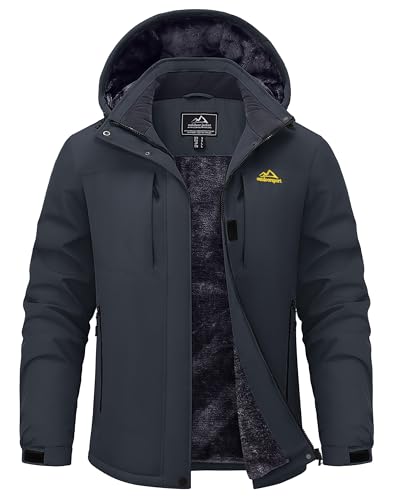
TACVASEN Women’s Waterproof Windproof Outdoor Jacket with Fleece Lining
Original price was: £69.98.£55.98Current price is: £55.98. *View On Amazon* - Women's Ski Jackets
GSOU SNOW Womens Baggy Insulated Snowboard Jacket with Hood
£129.99 *View On Amazon* - Women's Ski Jackets
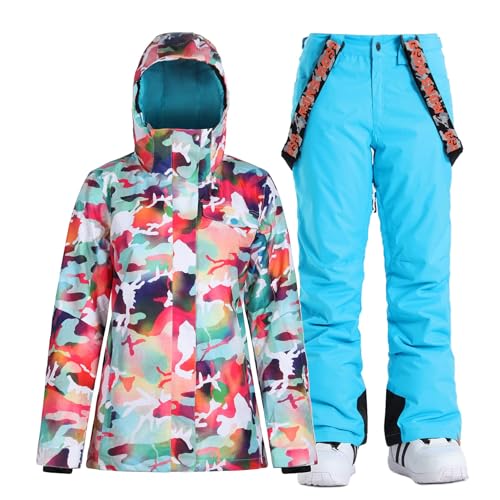
Unisex 2 Piece Ski Suit with Removable Hood and Trousers
£160.19 *View On Amazon* - Women's Ski Jackets
DFSDJEUW Women’s Pink Waterproof Ski Suit Jumpsuit, Size L
£45.98 *View On Amazon* - Women's Ski Jackets
CMP Womens Mechanical Stretch Padded Ski Jacket, Anthracite, S
£120.00 *View On Amazon* - Women's Ski Jackets
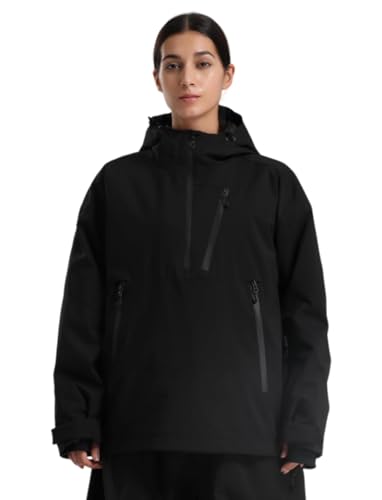
Purple Women’s Oversized Waterproof Jacket with 1/2 Zip and Pockets
£21.39 *View On Amazon* - Women's Ski Jackets
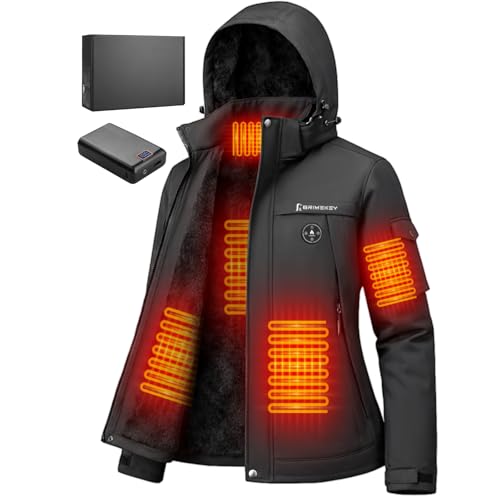
Brimekey Women’s Heated Fleece Jacket with 20000 mAh Battery
£83.33 *View On Amazon* - Women's Ski Jackets
Women’s Lightweight Packable Raincoat with Hood and Pockets
£13.99 *View On Amazon* - Women's Ski Jackets
OHS Women’s Geometric Teddy Fleece Half-Zip Jacket, L/XL
£12.99 *View On Amazon* - Women's Ski Jackets
OHS Ladies Full Zip Teddy Fleece Jacket Chocolate Brown L/XL
£12.99 *View On Amazon* - Women's Ski Jackets
Pioneer Camp Womens Ski Jacket Waterproof Windproof Winter Jacket
£129.99 *View On Amazon* - Women's Ski Jackets
Animal Tignes Printed Womens Snow Jacket Waterproof Pink Size 20
£71.99 *View On Amazon*






What Are Women’s Ski Jackets?
Women’s ski jackets are winter sports jackets designed for skiing and snowy conditions. They are made to provide warmth, weather protection and freedom of movement while the skier is active on the slopes.
They are different from everyday winter coats because they are usually shaped for skiing movement, layering, snow contact and practical mountain use. Depending on the product, they may include features such as snow skirts, adjustable cuffs, lift pass pockets, helmet compatible hoods, ventilation zips or reinforced areas.
A good ski jacket should help the skier feel comfortable and confident without feeling too bulky, too tight or restricted.
What Are Women’s Ski Jackets Used For?
Women’s ski jackets are used for alpine skiing, ski lessons, snow holidays, indoor snow centres, dry slope sessions where suitable and general cold weather outdoor activities.
They help protect against cold, wind, snow and light moisture where the product is suitable. They can also provide useful storage for lift passes, gloves, goggles, phones, tissues, snacks and small slope essentials.
A ski jacket is only one part of a complete skiing outfit. It should work with base layers, mid layers, ski trousers, gloves, ski socks, helmet and goggles to create a practical and comfortable setup.
How To Choose The Right Women’s Ski Jacket
Start by thinking about where the jacket will be used. A short indoor snow session may need different features from a full week in the Alps, Scotland, Scandinavia or another mountain resort.
Next, consider the type of skiing. Beginners usually need warmth, comfort and easy movement. Regular skiers may compare pocket layout, ventilation, snow protection and fit more carefully.
Fit is very important. A women’s ski jacket should allow room for layers without feeling oversized. You should be able to bend, reach, twist, hold poles and sit on lifts without restriction.
Key Features To Compare
When comparing women’s ski jackets, look at size, fit, insulation where listed, waterproof features where listed, breathability where listed, ventilation, hood design, collar height, cuff adjustment, snow skirt where listed, pocket layout, zip quality, sleeve length, hem adjustment and ease of care.
Pockets can be very useful on ski trips. A lift pass pocket, inner pocket, goggle pocket or secure zipped pocket may make the jacket more practical depending on the product.
Cuffs, hems and collars affect comfort. Poorly sealed gaps can let in snow, cold air or draughts, especially during falls, windy lift rides or long mountain days.
Women’s Ski Jackets Compared With Everyday Winter Coats
Everyday winter coats are designed for general cold weather, commuting, walking and casual use. They may be warm, but they are not always practical for skiing.
Women’s ski jackets are usually designed with snow, movement and layering in mind. They may include ski focused features such as snow skirts, pass pockets, helmet friendly hoods and adjustable cuffs where listed.
For skiing and snow holidays, a proper ski jacket is usually more suitable than a normal winter coat because it is built around slope movement, weather exposure and snow contact.
Women’s Ski Jackets Compared With Softshell Jackets
Softshell jackets are often flexible and comfortable, and they can be useful for milder conditions or active outdoor use where suitable. They may not offer the same warmth or weather protection as many insulated ski jackets.
Women’s ski jackets are usually chosen for more complete snow and cold weather protection. They may be warmer, more structured and more suitable for resort skiing depending on the product.
The trade off is flexibility versus protection. A softshell may suit active or milder days, while a ski jacket is often better for colder, wetter or more changeable mountain conditions.
Insulated Ski Jackets Compared With Shell Jackets
Insulated ski jackets include built in warmth where listed. They can be useful for colder conditions, beginners, lift based skiing and skiers who feel the cold easily.
Shell jackets are outer layers that focus more on weather protection and layering flexibility. They are usually worn over separate base and mid layers.
The best choice depends on weather, activity level and personal comfort. Some skiers prefer one warmer jacket, while others prefer a shell with adjustable layers underneath.
Beginner, Regular Skier And Experienced Skier Guidance
Beginners should focus on warmth, comfort, simple pockets, easy movement and reliable fit. Early ski days often involve lessons, falls and waiting, so comfort matters more than advanced features.
Regular skiers may want a jacket with better ventilation, practical storage, strong cuff adjustment and layering flexibility. This can make the jacket more useful across different resorts and conditions.
Experienced skiers often compare fabric feel, cut, breathability, vent placement, hood design, snow skirt function, pocket access, helmet compatibility and how the jacket performs with different layers.
Women’s Ski Jackets For Ski Holidays
Ski holidays can involve long days outdoors, changing weather and a mix of skiing, lift queues, restaurants, resort walking and snow activity. A suitable jacket helps keep the skier comfortable throughout the day.
Mountain weather can change quickly. Cold mornings, bright sun, snowfall, wind and warmer afternoons can all happen during the same trip, so layering under the jacket is important.
A ski jacket should also be easy to pack, dry and wear repeatedly. Wet or damp clothing can make the next day uncomfortable if it is not managed properly.
Women’s Ski Jackets For Indoor Snow Centres
Indoor snow centres are cold but more controlled than mountain resorts. A ski jacket can still be useful for warmth, comfort and snow contact during lessons or practice.
The jacket should allow movement and work with gloves, trousers, helmet and goggles. It should not be so warm or bulky that the skier overheats during an active session.
Always check the indoor centre’s clothing guidance before attending, especially for first lessons or group bookings.
Women’s Ski Jackets For Dry Slopes
Dry slopes can have different clothing needs from snow slopes. Falls on dry slope surfaces can be abrasive, so suitable coverage and protection are important.
A ski jacket may be useful for warmth and arm coverage, but it should not restrict movement. In warmer weather, a lighter layer may be more suitable if the venue allows it.
Check the dry slope’s own guidance before attending. Some venues have specific clothing requirements for safety.
Women’s Ski Jackets For Resort Skiing
Resort skiing usually involves marked pistes, ski lifts, mountain restaurants, changing weather and repeated movement between cold and warmer areas.
A practical resort ski jacket should balance warmth, weather protection and storage. Lift pass access, glove friendly zips and pockets can all make days easier.
The jacket should also work well when sitting on lifts. Collar comfort, hood position, sleeve length and hem coverage can all become noticeable during long days.
Women’s Ski Jackets For Active Skiing
Active skiers may generate more body heat, especially when skiing harder, moving quickly or skiing in warmer spring conditions. Breathability and ventilation where listed may be important.
A jacket that is too warm can feel uncomfortable during active skiing. A layering system can help by allowing mid layers to be adjusted as conditions change.
For demanding skiing, movement matters. The jacket should not pull across the shoulders, restrict arm movement or ride up during turns.
Fit, Sizing And Movement
Fit is one of the most important parts of choosing a women’s ski jacket. The jacket should allow movement through the shoulders, arms, chest and waist while leaving room for suitable layers.
A jacket that is too tight can restrict skiing movement and feel uncomfortable over base and mid layers. A jacket that is too large may leave cold gaps, flap in wind or feel awkward.
Check the size guide where listed and consider chest size, sleeve length, body length, waist fit and the layers you plan to wear underneath.
Women’s Cut, Shape And Comfort
Women’s ski jackets may be shaped differently from men’s or unisex jackets, depending on the design. They may vary in waist shape, hip fit, sleeve length, shoulder shape and overall cut.
A shaped jacket can feel more comfortable for some skiers, but the most important point is still movement. The jacket should not pull, pinch or restrict skiing posture.
Choose based on how the jacket feels over layers. A flattering shape is useful only if the jacket still works properly for skiing.
Warmth, Insulation And Layering
Warmth comes from the full clothing system, not just the jacket. Base layers, mid layers and outer layers all work together to help manage temperature.
Insulated jackets where listed can be useful for cold destinations, slower skiers or people who feel the cold easily. Lighter jackets may suit active skiers or milder conditions when paired with suitable layers.
Avoid relying on one bulky jacket alone. Layers are often more adaptable because they can be changed through the day.
Waterproof Features And Snow Protection
Skiing often involves snow, falls, lift rides and changing weather. Waterproof features where listed can help keep the skier drier and more comfortable.
Snow protection can include cuffs, hems, snow skirts, covered zips and adjustable closures depending on the jacket. These features can help reduce snow getting inside during falls or poor weather.
No jacket should be treated as fully protective unless the product details support that claim. Always check the product information carefully.
Breathability And Ventilation
Breathability where listed can help manage moisture and comfort during active skiing. This is useful when the skier warms up during runs but cools down on lifts.
Ventilation zips where listed can help release heat without removing the jacket. They can be useful during spring skiing, indoor practice or active mountain days.
The aim is balance. A ski jacket should keep you warm enough in cold conditions while reducing overheating when you are moving.
Hoods, Helmets And Collars
Hood design matters because many skiers wear helmets. Some ski jackets may have helmet compatible hoods where listed, while others are designed more for use off the slope.
A hood should not interfere with helmet fit, head movement or visibility. Helmet comfort and safety should always come first.
Collar height also matters. A comfortable collar can help protect the neck and chin from wind, but it should not feel tight or rub when fully zipped.
Cuffs, Gloves And Sleeve Fit
Cuffs help seal the jacket around the wrists. Adjustable cuffs where listed can improve fit with ski gloves or mittens.
Sleeve length should allow movement while keeping wrists covered. Sleeves that are too short can leave cold gaps, while sleeves that are too long can interfere with gloves or pole grip.
Glove and jacket compatibility matters. Ski gloves should sit comfortably with the cuffs so hands stay warmer and movement remains natural.
Snow Skirts, Hems And Lower Body Coverage
A snow skirt where listed helps reduce snow entering the jacket during falls or deeper snow. This can be useful for resort skiing, beginners and anyone who spends time in snowy conditions.
Hem adjustment can help seal the lower part of the jacket. A secure hem can reduce draughts and improve comfort in wind.
Jacket length should work with ski trousers or salopettes. There should be enough overlap to reduce gaps when bending, sitting or getting up after a fall.
Pockets, Lift Passes And Storage
Pocket layout can make a ski jacket much more practical. Useful pockets may include lift pass pockets, chest pockets, inner pockets, goggle pockets or secure zipped hand pockets where listed.
A lift pass pocket can make resort skiing easier because it keeps the pass accessible without needing to open the jacket.
Avoid overloading pockets. Too many heavy items can make the jacket uncomfortable and may affect movement.
Visibility, Colour And Slope Awareness
Colour and visibility can matter on busy slopes, poor light days or group trips. Brighter colours may make a skier easier to spot, while darker colours may be preferred for everyday wear.
Reflective details where listed may help in some low light situations, but they should not be relied on as a safety feature alone.
Visibility supports awareness, but safe skiing still depends on control, speed, spacing and following slope rules.
Women’s Ski Jackets And Ski Trousers
A ski jacket should work well with ski trousers or salopettes. Together, they help protect against snow, wind and cold.
Check that the jacket length gives enough coverage when bending, turning or sitting on lifts. Gaps between jacket and trousers can let in snow and cold air.
Some skiers prefer jackets and trousers from compatible ranges where listed, but the most important points are fit, comfort and movement.
Packing For A Ski Trip
A ski trip usually needs more than just a jacket. A practical packing list may include ski trousers, base layers, mid layers, ski socks, gloves, spare gloves, helmet, goggles, neck warmer and suitable casual clothing for the resort.
The ski jacket should be packed or worn in a way that protects zips, pockets and fabric. If travelling by air, check baggage rules for ski equipment and bulky clothing.
After each day, hang the jacket to dry properly. This helps keep it more comfortable for the next session.
Safety, Lessons And Slope Rules
A ski jacket supports warmth and comfort, but safe skiing also depends on lessons, ability, awareness and correct protective equipment.
Beginners should take instruction and stay on slopes that match their level. Experienced skiers should still follow piste signs, lift rules and local guidance.
Before skiing, check zips, pockets, cuffs, helmet, goggles and gloves. Loose straps or open pockets can become distracting or inconvenient on the slope.
Care, Washing And Drying
Women’s ski jackets should be cleaned and dried according to the care label. Snow, sweat, mud, food, sunscreen and travel dirt can build up during a trip.
Dry the jacket properly after use, especially before packing it away. A damp jacket can smell unpleasant and may be uncomfortable to wear again.
Do not assume every ski jacket can be washed in the same way. Follow the product care instructions to help maintain usability.
Storage Between Ski Trips
After a ski holiday, make sure the jacket is clean and dry before storage. Empty pockets and check for lift passes, tissues, snacks or damp items.
Store the jacket somewhere dry and away from sharp objects, heavy boxes or damp sports kit. This helps protect zips, fabric, insulation where listed and general shape.
Before the next trip, try the jacket on with layers. Fit and comfort should be checked before relying on it for a full ski holiday.
Useful Accessories To Consider
Useful accessories for women’s ski jackets include ski trousers, base layers, mid layers, ski socks, gloves, mittens, neck warmers, helmets, goggles, boot bags, ski bags, hand warmers, sunscreen, lip balm and goggle cloths.
For regular ski trips, spare gloves, spare socks, packing organisers and drying accessories can also be useful.
The best ski outfit is one where the jacket, trousers, layers, gloves, helmet and goggles all work together comfortably.
Why Buy Women’s Ski Jackets From YPC?
At YPC, we understand active lifestyles and the need for practical products that work in real use. Women’s ski jackets should be chosen carefully because fit, warmth, movement, snow protection, layering and destination all affect how useful they are.
Browse the Women’s Ski Jackets category at YPC to compare available options, check the details that suit your skiing plans and choose jackets that help make snow days warmer, more comfortable and better organised.
Women’s Ski Jackets FAQs
What is a women’s ski jacket?
A women’s ski jacket is a winter sports jacket designed for skiing and snowy conditions. It helps provide warmth, movement and weather protection where the product is suitable.
It is usually worn with ski trousers, base layers, gloves, helmet and goggles.
Are women’s ski jackets suitable for beginners?
Yes, women’s ski jackets are suitable for beginners when they fit well and allow movement. Beginners need comfortable clothing that helps them stay warm during lessons and falls.
The jacket should work with suitable layers and protective equipment.
What should I wear under a ski jacket?
Most skiers wear a base layer and mid layer under a ski jacket, depending on the temperature. The layers should be warm, comfortable and easy to move in.
Avoid bulky clothing that makes the jacket tight or restrictive.
Should a women’s ski jacket be waterproof?
Waterproof features where listed are useful because skiing involves snow, falls and changing weather. They can help keep the skier drier and more comfortable.
Always check the product details rather than assuming every jacket offers the same level of protection.
Should a women’s ski jacket be insulated?
Insulation where listed can be useful for cold resorts, beginners and skiers who feel the cold. Lighter jackets may suit active skiers or milder conditions when used with layers.
Choose based on destination, season and personal comfort.
How should a women’s ski jacket fit?
A ski jacket should allow room for layers and movement without being too loose. You should be able to raise your arms, twist, bend and sit comfortably.
Sleeves should cover the wrists without interfering with gloves.
Should I size up for a ski jacket?
You may need enough room for layers, but sizing up too much can make the jacket bulky, draughty or awkward. Check the size guide where listed.
Try the jacket with the layers you plan to wear.
Can I wear a normal winter coat for skiing?
A normal winter coat may not be suitable for skiing because it may not handle snow, movement, falls or layering as well as a ski jacket.
For ski lessons and holidays, a proper ski jacket is usually more practical.
What is a snow skirt on a ski jacket?
A snow skirt is an internal panel designed to help reduce snow getting inside the jacket during falls or deeper snow where included.
Not every jacket has one, so check product details.
Do women’s ski jackets need hoods?
A hood can be useful in bad weather or around the resort, but it should not interfere with helmet fit or visibility while skiing.
Helmet compatible hoods where listed may be useful for mountain conditions.
Do women’s ski jackets need lift pass pockets?
A lift pass pocket is useful for resort skiing because it keeps the pass easy to scan at lifts. It is not always essential for indoor lessons or dry slope sessions.
Check pocket layout before buying.
What is the difference between an insulated ski jacket and a shell jacket?
An insulated ski jacket has built in warmth where listed. A shell jacket is mainly an outer protective layer and is usually worn with separate insulation underneath.
The best choice depends on conditions and how you prefer to layer.
Are shell jackets good for skiing?
Shell jackets can be good for skiing when they are suitable for snow use and worn with the right layers. They offer flexibility because warmth can be adjusted underneath.
Check the product details before choosing one for ski trips.
Are softshell jackets good for skiing?
Softshell jackets may suit milder or more active skiing where suitable, but they may not offer the same warmth or weather protection as some ski jackets.
They are best chosen carefully based on conditions and product details.
What jacket is best for indoor skiing?
For indoor skiing, choose a jacket that is warm enough for the snow centre but still allows movement. A lighter ski jacket with suitable layers may be comfortable for active lessons.
Check the venue’s clothing guidance before attending.
What jacket is best for dry slope skiing?
For dry slope skiing, clothing should allow movement and protect the skin if you fall. A ski jacket may be useful in cold weather, but venue guidance should be followed.
Gloves and long sleeves are often important.
Can women’s ski jackets be used for snowboarding?
Some ski jackets may also be suitable for snowboarding where the fit, movement and product details support that use. Skiing and snowboarding have different movement patterns, so comfort should be checked.
Technical snowboard specific features may vary.
Can women’s ski jackets be used as everyday winter jackets?
Some women’s ski jackets can be used as everyday winter jackets, depending on style, warmth and comfort. They may be bulkier or more technical than normal coats.
Check whether the jacket suits both skiing and daily wear.
How do I care for a women’s ski jacket?
Follow the care label. Clean off dirt where needed, dry the jacket properly after use and store it in a dry place.
Do not leave damp ski clothing packed away for long periods.
What should I check before buying women’s ski jackets?
Check size, fit, warmth, waterproof features where listed, breathability where listed, hood design, cuffs, snow skirt where listed, pockets, movement and compatibility with ski trousers, gloves, helmet and goggles.
The right jacket should keep you comfortable, warm and able to move freely during skiing or snow activities.
 Getting ready for Summer? View our Home and Garden Products

Heading outdoors this winter? Take a look at our Outdoor Clothing.