

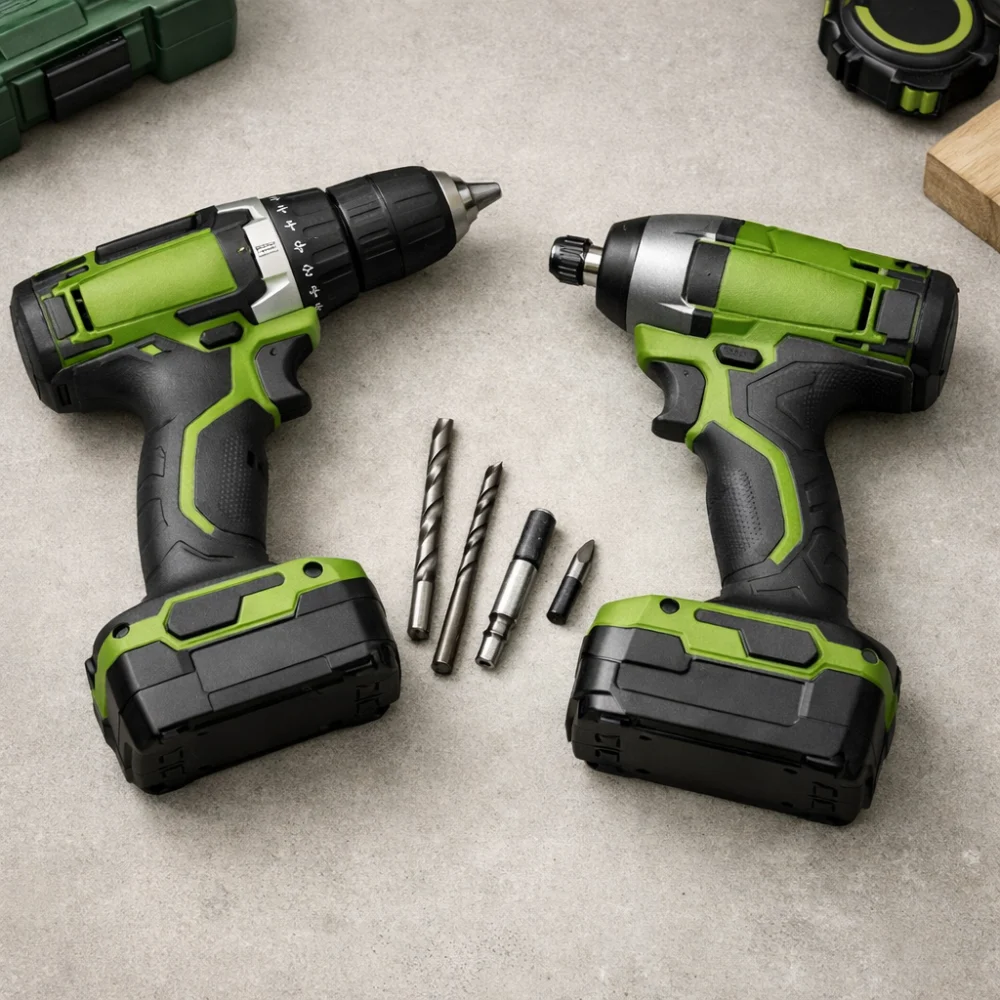

If you are choosing a drill or impact driver, the main question is usually not simply which tool is stronger. It is which tool suits the fixing, drilling or fastening jobs you actually do, and how often you do them.
This guide helps you compare the practical differences between drill drivers, impact drivers and related tools so you can avoid paying for features you will not use. It also highlights the checks that matter most before you buy, from chuck type and power source to handling and intended application.
Specifications vary by model, so always check the individual product page before buying.
Compare Drills and Impact Drivers




As an Amazon Associate we earn from qualifying purchases.
What should you buy for drilling and driving jobs?
A good starting point is to match the tool to the job. A drill driver is typically the more general-purpose choice for drilling holes and handling everyday screwdriving, while an impact driver is often better for driving longer screws and fastening into tougher materials. If you want one tool for varied DIY use, think about balance, control and accessory compatibility rather than chasing the highest power claim.
The main trade-off is versatility versus specialism. Some tools are easier for general drilling, while others are more efficient for fastening tasks but less suitable for delicate work. A cordless tool adds convenience, but you should still check battery and charger details on the product page.
| Feature | What it means | Why it matters | What to check |
|---|---|---|---|
| Tool type | Whether it is a drill driver, impact driver or another related tool | Different types suit drilling, screwdriving and heavier fastening in different ways | Think about your most common tasks first |
| Power source | Cordless or mains-powered operation | Affects mobility, convenience and where you can work | Battery platform, charger inclusion and cable length if relevant |
| Chuck or drive system | The way bits are held in place | Determines which accessories fit and how quickly bits can be changed | Bit shank type and whether it matches your existing accessories |
| Control and handling | Size, grip, weight and trigger feel | Helps with comfort, accuracy and reduced fatigue | Compactness, balance and any speed or mode controls |
| Task suitability | How well the tool suits drilling, fastening or tougher fixings | Prevents buying a tool that is awkward for your main jobs | Intended material use and whether the tool is aimed at light or more demanding work |
Key decision criteria explained
Tool type and intended use
The most important choice is what you want the tool to do most often. Drill drivers are usually the broadest option for general DIY, while impact drivers are focused on driving screws and fixings with more turning force. If you expect to drill holes as often as you drive screws, a more general drill driver may feel more natural.
Cordless convenience and battery platform
Cordless tools are popular because they are easier to move around a home, garden or job site. The useful question is not just battery presence but whether the battery system suits your wider tool collection, if you already own one. If a battery and charger are included, that can simplify the first purchase; if not, factor that into the decision.
Size, weight and handling
Smaller tools are often easier to use overhead, in tight spaces or for repeated work. Larger tools may feel more substantial, but they can be less comfortable for longer sessions. Try to judge how the tool will feel in your hand for the jobs you expect to do most.
Accessory compatibility
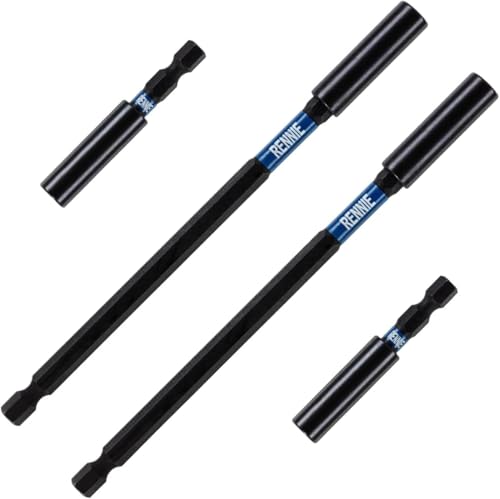
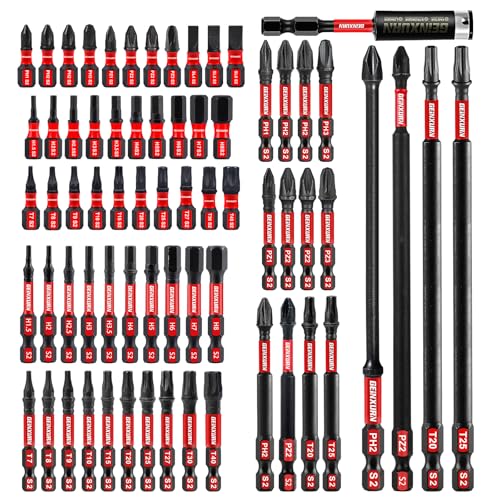
Bits, drill bits and sockets are not universal in every tool format. Check whether the chuck, hex drive or other fitting matches the accessories you already have or plan to buy. This is especially important if you want one tool to cover several different tasks.
Product types and variants
Within this category, buyers are usually choosing between a few broad tool styles rather than many unrelated products. The main differences are in how the tool delivers power, how it holds accessories and how it is meant to be used.
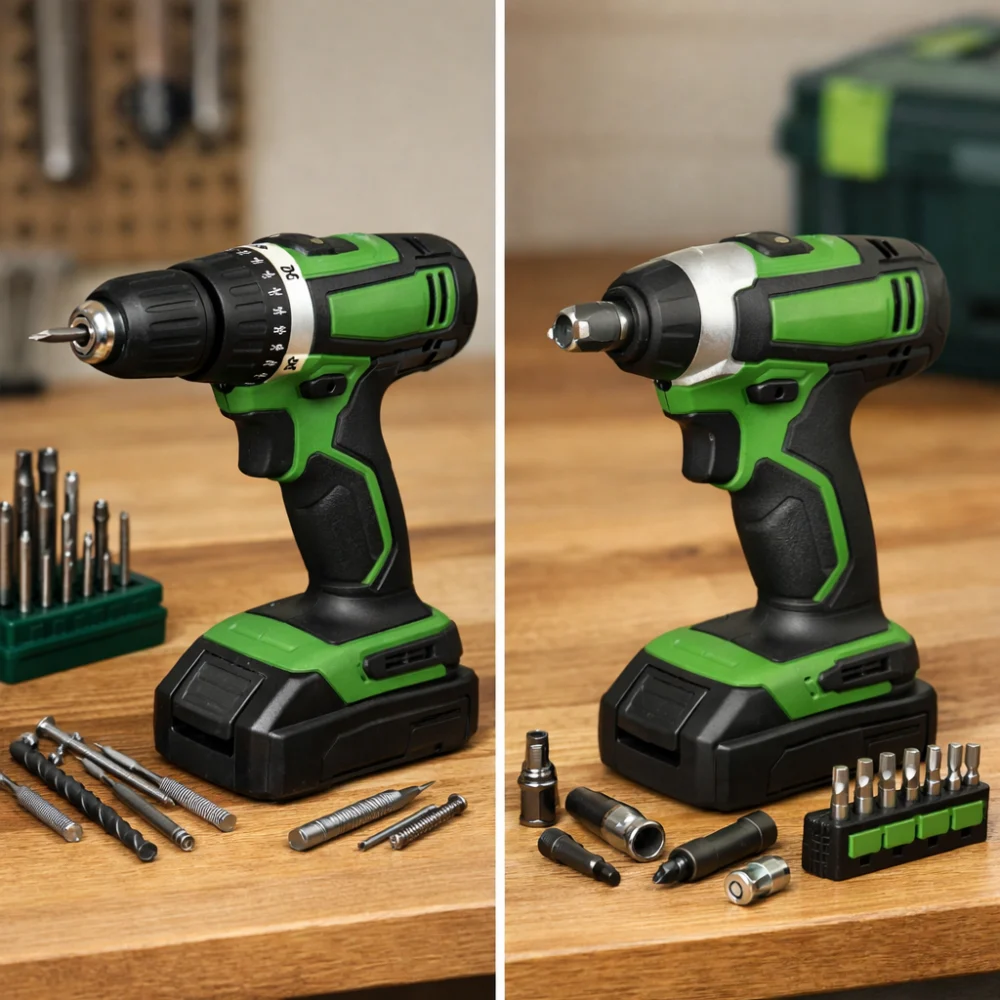
- Drill drivers suit general-purpose drilling and everyday screwdriving.
- Impact drivers are more specialised for driving screws and fixings.
- Impact wrenches are aimed at heavier fastening tasks with sockets rather than standard drill bits.
Each type has a role, but none is ideal for every task. The most useful choice depends on whether you want one versatile tool or a more focused tool for a particular fastening job.
Which type suits different buyers?
| Buyer need | Usually worth prioritising | Why |
|---|---|---|
| General home DIY | Versatility, comfortable handling and straightforward accessory compatibility | Useful for a mix of drilling and fastening jobs |
| Frequent screwdriving | Impact driver performance and bit retention | More efficient for repetitive fastening work |
| Working in tight spaces | Compact size and good balance | Can be easier to position and control |
| Existing battery ecosystem | Compatibility with batteries and chargers you already own | May reduce duplication across tools |
| Heavier fastening tasks | Tool type suited to the fastening load and accessory format | Helps avoid strain and poor results |
Common mistakes and misunderstandings
- Choosing only by power claims: higher claims do not automatically mean the tool is better for your job. Consider control, comfort and type as well.
- Assuming all accessories fit: bits and sockets depend on the drive system, so check compatibility before buying.
- Buying an impact tool for every task: impact drivers and impact wrenches are useful, but they are not always the neatest choice for delicate drilling.
- Overlooking what is included: some listings include batteries, chargers and accessories, while others do not, which changes the overall value.
Safety and suitability caveats
Drills and impact drivers are practical tools, but the right model still depends on the material you plan to work on and the accessories you use. Check the product page for intended use, included items and any limits around bit or socket format. If you are unsure about a task, choose the tool that is clearly suited to that material rather than forcing a general-purpose option to do everything.
Maintenance, storage and lifespan considerations
Buying decisions should take ownership into account as well as initial use. Cordless tools may need batteries kept charged and stored sensibly, while any tool benefits from clean accessories and dry storage. If you plan to use the tool regularly, it can also be worth thinking about whether replacement bits, batteries or chargers are easy to source within the same system.
How to compare options efficiently
- Start with the main job: drilling, screwdriving or heavier fastening.
- Choose the tool type that best matches that job.
- Check power source, drive format and accessory compatibility.
- Consider comfort, size and how often you will use it.
- Review what is included on the product page before deciding.
Summary buyer decision checklist
- Have I chosen the right tool type for my main tasks?
- Do I need cordless convenience or a different power setup?
- Will the chuck or drive system suit my bits and accessories?
- Does the size and weight suit the way I plan to use it?
- Have I checked what is included in the listing?
- Does the product page confirm the tool is suitable for my intended use?
Frequently asked questions
What is the difference between a drill driver and an impact driver?
A drill driver is generally the more versatile everyday tool for drilling and screwdriving. An impact driver is more focused on driving screws and fixings, especially when more torque is useful. If you want one tool for a broad range of household tasks, the drill driver is often the easier starting point.
Do I need cordless or mains power?
Cordless tools are usually more convenient for moving around and working where sockets are awkward. Mains-powered tools can suit some fixed-workshop situations, but they are less flexible. The better option depends on where and how often you expect to use the tool.
Can one tool do every job?
Some tools can cover a lot of everyday DIY, but there is always a trade-off between general use and specialisation. A tool that is excellent for fastening may not be the nicest choice for precise drilling. Think about the tasks you do most rather than expecting one tool to handle everything equally well.
What should I check if I already own accessories?
Check the drive type, chuck size or socket fitting so you know your bits and accessories will work. This is one of the easiest details to miss when comparing products. Specifications vary by model, so always check the individual product page before buying.
Are impact tools better than standard drills?
Not always. Impact tools are useful for certain fastening jobs, but a standard drill driver may be more comfortable and more flexible for mixed DIY. The better choice depends on whether your main need is drilling, fastening or both.
Why does tool size matter so much?
Size affects how easy the tool is to hold, control and position in confined spaces. A compact tool can be more comfortable for long or overhead jobs, while a larger tool may feel less nimble. It is worth considering even if the power figures look similar.
What should I look for in a first purchase?
For a first tool, look for straightforward usability, clear compatibility and a type that fits the jobs you are most likely to do. It often helps to avoid buying a specialist model unless you know you need it. That makes it easier to get good everyday value from the purchase.
More Drills and Impact Drivers
See all 538 Drills and Impact Drivers →


As an Amazon Associate we earn from qualifying purchases.


