

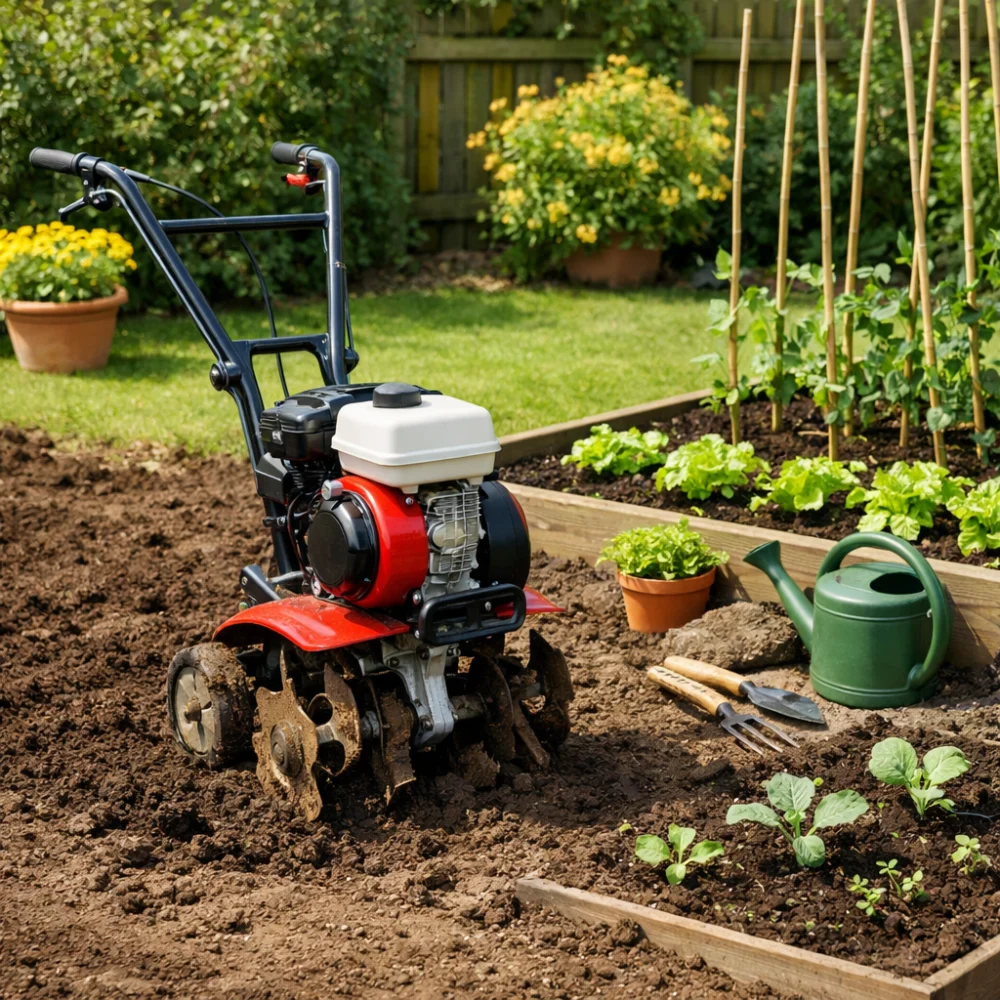

Garden rotavators are used to break up soil and prepare ground for planting, digging in compost or refreshing tired beds. They can save time on larger areas and make heavy soil easier to work, but the right choice depends on the size of the space, the type of soil and how often you plan to use it.
If you are comparing rotavators for the first time, it helps to focus on how much ground you need to cover and how demanding the soil is. A compact machine may be enough for light garden maintenance, while a more capable model may suit repeated use on firmer ground.
Because product details vary across the category, the useful questions are not just about power. It is also worth thinking about working width, depth, weight, manoeuvrability and whether the machine suits the way you garden.
Compare Garden Rotavators


As an Amazon Associate we earn from qualifying purchases.
What should you look for in a garden rotavator?
The best starting point is to match the machine to your soil and the amount of ground you need to cover. A narrower, lighter rotavator is often easier to handle in small beds or tighter spaces, while a wider machine can reduce passes on larger plots. The main trade-off is usually between ease of use and the speed of coverage. Specifications vary by model, so always check the individual product page before buying.
| Feature | What it means | Why it matters | What to check |
|---|---|---|---|
| Power source | How the machine is driven, such as mains electric, cordless or petrol | Affects convenience, running time and where you can use it | Whether you need a cable, battery system or fuel, and how that fits your garden |
| Working width | How much soil the machine covers in one pass | Influences how quickly you can finish a job | Whether the width suits beds, paths between plots or open areas |
| Working depth | How deeply the blades can break into the soil | Relevant for breaking new ground or mixing material into the top layer | Whether the depth suits your intended use |
| Weight and handling | How easy the machine is to lift, steer and control | Important for comfort, control and storage | Handle design, wheels and whether you can manage it safely |
| Blade layout | The arrangement and style of the tines or blades | Affects how the machine cuts and stirs the soil | Whether the blade setup is intended for light cultivating or tougher ground |
Key decision criteria explained
Garden size
Small beds, allotment plots and compact borders usually favour a more manageable machine that is easy to turn and store. Larger areas often justify a wider cut because fewer passes are needed, which can make the job less tiring.
Soil condition
Light, previously worked soil is generally easier to cultivate than compacted, stony or clay-heavy ground. If your soil is often tough, look for a rotavator that feels suitable for regular use rather than just occasional tidying. The more demanding the ground, the more important it becomes to check the machine’s stated capabilities on the product page.
Power source
Mains electric models suit buyers who work near a socket and want straightforward operation. Cordless models offer more freedom of movement, which can help in gardens without easy mains access. Petrol models may suit larger or more remote areas, but they usually bring extra attention to fuel handling and storage.
Control and comfort
Rotavators can feel very different in use, even when they look similar online. Weight, balance, handle shape and the presence of wheels can all affect how tiring the machine is over a longer session. If you expect to use it often, comfort can matter almost as much as raw capability.
Common types and what they suit
Electric rotavators
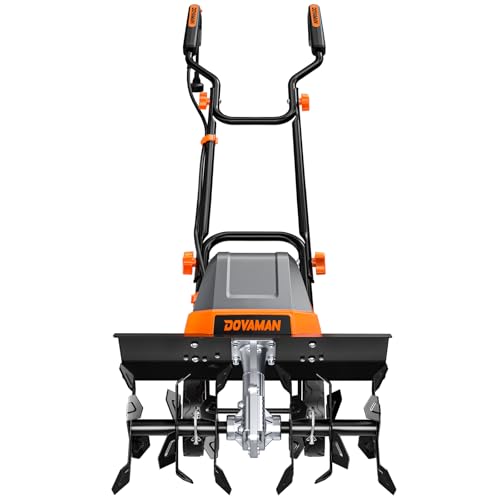
These are often a practical choice for typical domestic gardens where access to mains power is available. They are generally suited to shorter sessions and lighter to moderate ground preparation. The main limitation is cable management, which can affect reach and movement.
Cordless rotavators
Cordless models are useful when freedom of movement matters more than continuous run time. They can be a good fit for smaller or medium spaces where trailing leads would be inconvenient. The main thing to check is battery compatibility and whether the runtime suits the size of the area you want to cover.
Petrol rotavators
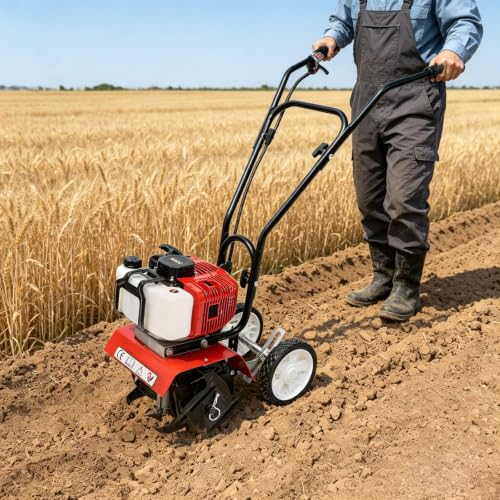
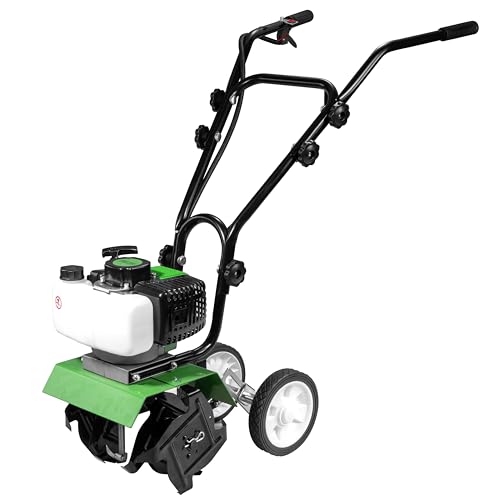
These may suit bigger areas or more demanding soil where more independence from mains power is helpful. They tend to be chosen by buyers who need more flexibility outdoors. The trade-off is usually more maintenance, fuel management and storage considerations.
Which rotavator suits different buyers?
| Buyer need | Likely better fit | Why |
|---|---|---|
| Small garden or raised beds | Compact electric or cordless model | Easier to manoeuvre and store |
| Larger plot or repeated use | Wider, more robust model | Can cover ground more efficiently |
| Garden without easy power access | Cordless or petrol model | Less dependent on a socket and extension lead |
| Occasional light cultivation | Lighter-duty machine | Usually simpler to handle and enough for periodic bed preparation |
| Heavier soil preparation | Model intended for tougher ground | More suitable when soil resistance is higher |
Common mistakes and misunderstandings
- Choosing by power alone: a more powerful machine is not always the better buy if it is awkward to handle in your garden.
- Ignoring working width: a machine that is too wide can be difficult in narrower spaces, while one that is too narrow may take longer than expected on larger plots.
- Overlooking storage: some rotavators need more space than buyers first expect, especially once handles, wheels or cables are considered.
- Forgetting the soil type: a model that works well in light soil may feel less suitable in compacted ground.
Safety and suitability caveats
Rotavators are practical tools, but they are still power equipment, so it is important to choose one that you can handle confidently. Check the machine’s weight, controls and intended use before buying, especially if you will be lifting it, turning it often or using it near established planting. If you are unsure about the ground conditions or the size of the area, it is better to choose conservatively than to overspecify.
Maintenance, storage and ownership considerations
General upkeep affects how convenient a rotavator feels over time. Electric and cordless models may be simpler to store, while petrol models can add fuel-related care and more storage planning. It is also worth considering how easy the machine is to clean after use, whether any cutting parts are straightforward to inspect, and whether accessories or batteries need separate storage.
How to compare options efficiently
- Start with the size of the area and the type of soil you want to work.
- Choose the power source that fits your access to mains power, battery use or fuel handling.
- Compare working width, handling and weight before looking at extra features.
- Think about how often you will use the machine and how comfortable it will be over a whole session.
- Check the individual product page for the exact suitability and specifications of each model.
Summary buyer decision checklist
- Does the machine suit the size of your garden or plot?
- Is the power source practical for where you will use it?
- Is the working width appropriate for open ground or tighter spaces?
- Will the weight and handling feel manageable for you?
- Does it seem suitable for your soil type and how often you plan to use it?
- Have you checked the individual product page for the exact details?
Frequently asked questions
What is a garden rotavator used for?
A garden rotavator is used to break up and stir soil, usually before planting or when refreshing beds. It can help mix in compost or loosen ground that has become compacted. The exact result depends on the machine and the condition of the soil.
Is a rotavator the same as a cultivator?
The terms are often used closely, but buyers should focus more on what the machine is intended to do than on the label alone. Some products are described with both terms. The individual product page is the best place to confirm the intended use.
Should I choose electric, cordless or petrol?
Choose the power source that matches your garden and how you prefer to work. Electric suits nearby mains access, cordless suits freedom of movement and petrol can suit more remote or larger areas. Each option has a different balance of convenience and upkeep.
How important is working width?
Working width affects how quickly you can cover an area, but wider is not always better. In narrow beds or around obstacles, a more compact machine may be easier to control. It is worth balancing speed against manoeuvrability.
Can a rotavator handle clay or hard soil?
Some models are better suited to tougher soil than others, but performance varies. If your ground is heavy or compacted, check the product information carefully rather than assuming all rotavators will cope equally well.
Do I need a large machine for a small garden?
Usually not. In a smaller garden, a compact and manageable model may be more practical because it is easier to store, steer and control. A bigger machine may add weight and bulk without giving you much extra benefit.
What should I check before I buy?
Check the power source, working width, likely handling, and whether the machine looks suitable for your soil and garden size. It also helps to think about storage and how often you will use it. Specifications vary by model, so always check the individual product page before buying.
More Garden Rotavators
See all 225 Garden Rotavators →



As an Amazon Associate we earn from qualifying purchases.


