



Garden hedge trimmers are designed to make regular hedge maintenance faster and more even than using hand shears. The right choice depends less on brand and more on the kind of hedge you have, how far you need to reach and how often you plan to use the tool.
If you are buying for the first time, it helps to think about three things first: hedge size, access and convenience. A compact trimmer may be easier to handle for small hedges, while a long-reach design can be more practical for taller growth or awkward angles.
This guide focuses on the decisions that matter at category level, so you can compare options with a clear idea of what to check on each product page.
Compare Garden Hedge Trimmers


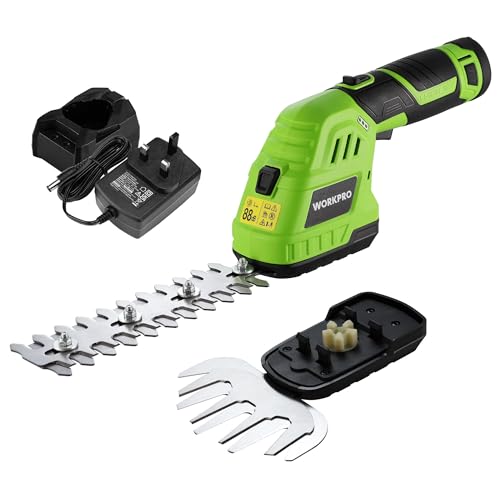

As an Amazon Associate we earn from qualifying purchases.
What should you look for in a hedge trimmer?
The best starting point is to match the trimmer to the work you actually need to do. Power source, blade length, reach and weight all affect how comfortable the tool feels and how easy it is to control. A more powerful or longer tool is not automatically better if your hedge is small or if you need something light for regular trimming. Specifications vary by model, so always check the individual product page before buying.
| Feature | What It Means | Why It Matters | What To Check |
|---|---|---|---|
| Power source | Corded, cordless or petrol-style power options may be available in the wider market | Affects portability, running time and convenience | How you will use it, where you will work and whether access to power is easy |
| Blade length | The cutting section length | Influences how much hedge you cover in each pass | Whether you need quicker coverage or more precise trimming |
| Reach | Standard or long-reach designs | Helps with tall, deep or awkward hedges | How high you need to cut and whether you can work safely from the ground |
| Weight and balance | How heavy the tool feels and how it sits in use | Directly affects fatigue and control | How long you expect to work and whether overhead trimming is likely |
| Blade action | How the cutting blades move | Can affect smoothness and cutting feel | Whether the product page explains the blade arrangement clearly |
| Handling features | Front handle shape, grip and safety controls | Improves comfort and confidence during trimming | Whether the tool seems suitable for your grip and working position |
Key decision criteria explained
Cordless or corded
Cordless hedge trimmers are usually chosen for freedom of movement and easier access around the garden. Corded models suit buyers who work near a mains supply and want uninterrupted running time without battery management. The trade-off is simple: cordless is more flexible, while corded can be more straightforward for smaller, nearby jobs.
Blade length and hedge size
Longer blades can help cover large hedge sections more quickly, but they can also feel less nimble when you are shaping smaller or detailed areas. Shorter blades may be easier to guide around corners and topiary-style work. Think about whether your main task is broad trimming, tidying edges or more careful shaping.
Long-reach designs
Long-reach hedge trimmers are useful when hedges are tall, wide or hard to access. They can reduce the need to over-stretch, but they may feel less compact and can take a little more planning to control. For many gardens, this is a comfort and access choice rather than a question of raw cutting ability.
Weight, balance and comfort
A hedge trimmer that is too heavy for the job can make even a short session tiring. Balance matters as much as weight because an awkward tool can feel harder to guide than a slightly heavier but better-balanced one. If you expect to trim overhead growth, comfort should be a major part of the decision.
Product types and variants
Within this category, buyers commonly compare standard hedge trimmers, cordless models and long-reach versions. Some compact designs are aimed at lighter domestic trimming, while others are better suited to regular garden maintenance.
- Standard hedge trimmers: A straightforward choice for routine hedge work at normal height.
- Cordless hedge trimmers: Better for movement around larger gardens or places without easy plug access.
- Long-reach hedge trimmers: Helpful for taller hedges or areas that are awkward to reach safely from the ground.
- Compact or lighter-duty models: Often more manageable for smaller hedges and simpler trimming jobs.
Which type suits different buyers?
| Buyer need | What to prioritise | Why it helps |
|---|---|---|
| Small garden, light regular trimming | Lightweight handling and easy control | Makes short sessions less tiring and easier to guide |
| Large or awkward garden layout | Cordless freedom or long cable planning | Reduces the hassle of working around obstacles |
| Tall hedges | Long-reach design and good balance | Helps access higher sections without awkward stretching |
| Careful shaping | Shorter, more manoeuvrable tool | Improves precision around corners and detailed areas |
| Occasional homeowner use | Simplicity and storage convenience | Makes the tool easier to keep ready for the next job |
Common mistakes and misunderstandings
Choosing on blade length alone: A longer blade can be useful, but it is not automatically the most practical choice. Balance, weight and the shape of your hedge matter just as much.
Ignoring access: A hedge trimmer can be suitable on paper but awkward in a real garden if the hedge is far from power, high up or difficult to approach.
Overlooking comfort: If a tool feels tiring in use, it can make hedge trimming feel like a bigger job than it needs to be. Handle shape and overall control are worth checking.
Assuming every hedge is the same: Neatly clipped low hedges, dense boundary hedges and tall overgrown hedges can all favour different designs.
Safety and suitability caveats
Choose a hedge trimmer that suits the level of reach and control you are comfortable with. If you need to work at height or in a difficult position, think carefully about whether the design helps you stay balanced and controlled. Also check that you can manage the power source, cord length or battery handling as relevant to the model you are considering.
Maintenance, storage and lifespan considerations
General care usually affects how pleasant the tool is to use over time. Buyers should think about cleaning after use, safe storage space and whether the model needs charging, cable management or blade care between jobs. A tool that is easy to store and keep ready is often more likely to be used regularly.
How to compare options efficiently
- Start with the hedge you actually have: height, thickness and how often it needs trimming.
- Choose the most practical power setup for your garden layout.
- Compare reach, blade length and handling rather than focusing on just one feature.
- Consider how the tool will feel after several minutes of use, not just at first glance.
- Check the individual product page for the exact specification and any model-specific details.
Summary buyer decision checklist
- Does the trimmer suit the height and thickness of your hedges?
- Is the power source convenient for where you will work?
- Will the weight and balance feel manageable for your usual trimming time?
- Do you need a standard or long-reach design?
- Is the blade length appropriate for your mix of trimming and shaping?
- Have you checked the individual product page for model-specific details?
Frequently asked questions
What is the difference between a hedge trimmer and hedge shears?
Hedge trimmers use powered blades to cut faster across longer sections of hedge. Shears are manual and can suit very small jobs or light shaping, but they usually take more effort. For regular hedge maintenance, many buyers prefer a trimmer because it reduces the time and physical effort involved.
Do I need a long-reach hedge trimmer?
Only if your hedges are tall, wide or difficult to reach comfortably from the ground. If your hedges are low and easy to access, a standard model may be simpler and lighter to use. The right choice depends on the height and layout of your garden rather than on reach alone.
Is cordless always better than corded?
Not always. Cordless models are easier to move around, but they may require battery charging and battery management. Corded models can be simpler for smaller gardens where power access is not a problem.
How important is blade length?
Blade length helps determine how much hedge you can cover at once, but it also affects manoeuvrability. A longer blade may suit bigger jobs, while a shorter one can feel more controlled for shaping. It is worth balancing coverage against ease of handling.
What should I check before buying online?
Check the power source, reach, blade length, weight and whether the design suits your hedge type. It also helps to read the individual product page carefully for the exact model details. Specifications vary by model, so always check the individual product page before buying.
How can I avoid buying a trimmer that feels too heavy?
Focus on the tool’s weight, balance and how long you expect to hold it during use. If you trim for longer sessions or work overhead, comfort becomes even more important. Looking at the product page closely can help you avoid a tool that seems suitable but feels awkward in practice.
More Garden Hedge Trimmers
See all 358 Garden Hedge Trimmers →


As an Amazon Associate we earn from qualifying purchases.


