

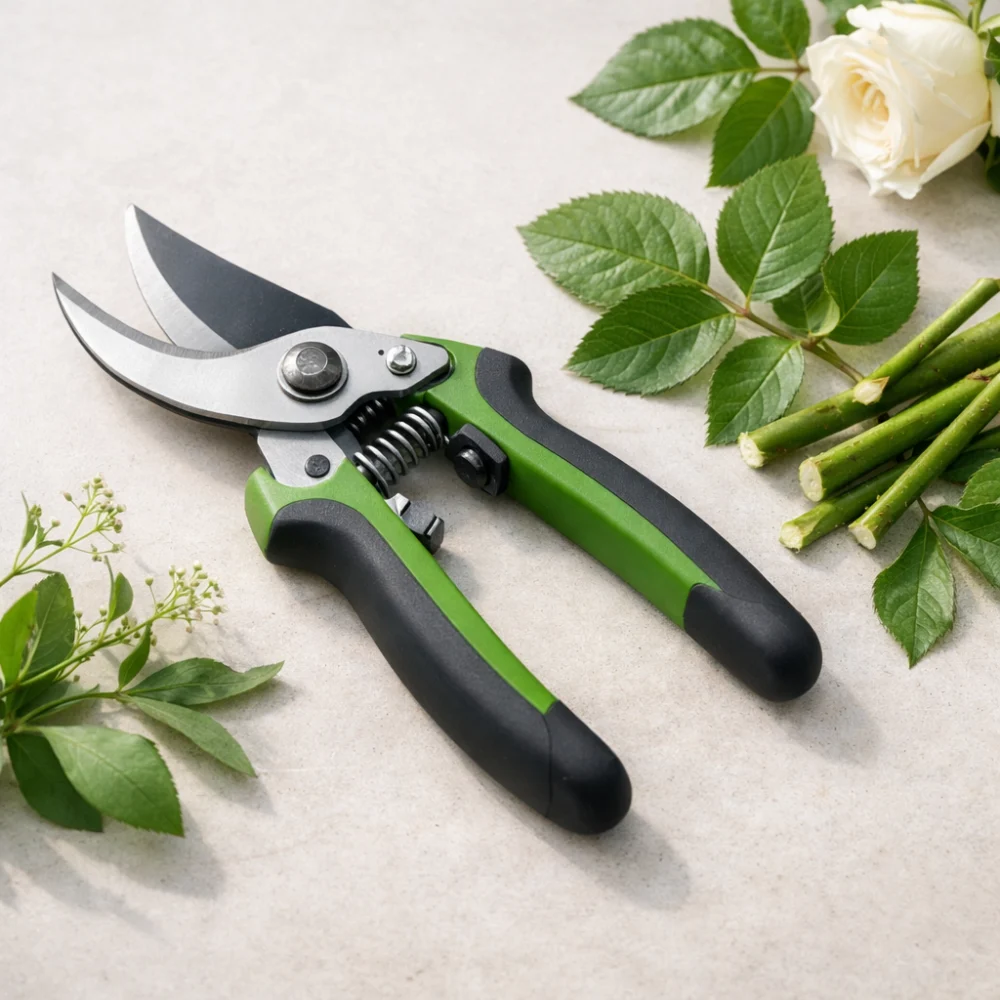

Garden pruners are one of the most useful hand tools for keeping plants tidy and healthy. They are typically chosen for cutting flowers, stems, shoots and small branches, but the right option depends on what you prune most often and how much comfort you want in use.
If you are comparing options, it helps to think about cutting task, hand comfort and how much growth you need to tackle in one session. A simple pair can be enough for light garden jobs, while a more specialised design may suit harder stems or frequent pruning.
Compare Garden Pruners


As an Amazon Associate we earn from qualifying purchases.
What should you look for when choosing garden pruners?
The best starting point is the size and type of material you plan to cut most often. Then consider how the tool feels in the hand, because comfort matters more than many buyers expect on a tool used repeatedly. Specifications vary by model, so always check the individual product page before buying.
| Feature | What it means | Why it matters | What to check |
|---|---|---|---|
| Cutting style | The way the blades meet when closing | Affects how cleanly the tool cuts different plant material | Look for the style described on the product page and match it to the stems you prune most |
| Intended task | Whether the pruner is aimed at light stems, thicker growth or general use | Prevents choosing a tool that feels underpowered or unnecessarily bulky | Check the stated use and any guidance on branch or stem thickness |
| Handle comfort | Grip shape, size and feel in the hand | Comfort affects control and fatigue during longer jobs | Review handle design, grip material and whether the tool is described as suitable for smaller or larger hands |
| Locking mechanism | The catch that keeps blades closed when stored | Helps with safe storage and carrying in a pocket or trug | Make sure the lock is easy to use with one hand if that matters to you |
| Maintenance needs | How much care the pruner may need after use | Cleaning and basic upkeep affect convenience and lifespan | Check whether the blades are described as easy to clean or sharpen |
Key decision criteria explained
Cutting task
Think about whether you mostly deadhead flowers, trim soft growth or cut back firmer stems. A pruner that feels neat and precise on thin stems may not be the most comfortable choice for tougher jobs. Matching the tool to the usual task is the simplest way to avoid disappointment.
Cutting capacity
Buyers often focus on the tool style and forget the material they actually need to cut. If you regularly deal with thicker stems, check the stated cutting range on the product page rather than assuming all pruners will cope equally well.
Ergonomics and hand size
A pruner that fits your hand well is easier to control and usually feels less tiring. This matters if you prune for longer periods, have reduced grip strength or simply want a more secure hold. If the listing mentions hand size, soft grips or a design for easier use, treat those details as practical clues rather than guarantees.
Blade care and replacement expectations
Some buyers want a simple tool they can wipe clean and store, while others prefer something they are happy to maintain over time. If the blades are sharpenable or replaceable, that can support longer use, but it also means you may need to do more upkeep.
Common types and how they differ
Garden pruners are often sold in a few broad forms. The right one depends on the sort of gardening you do most.
- General-purpose secateurs: suited to everyday trimming, deadheading and light pruning.
- Bypass-style pruners: often chosen for cleaner cuts on live stems and softer growth.
- Anvil-style pruners: may suit harder or drier material, but can feel less refined on delicate stems.
- Pruners with comfort-focused grips: useful if you want easier handling during longer sessions.
Not every listing will use the same naming, so read the description carefully. Two products can look similar but still feel quite different in use.
Which pruner suits which buyer?
| Buyer need | What to prioritise | Why it helps |
|---|---|---|
| Light garden tidying | Simple, easy-to-handle design | Keeps the tool practical for small jobs without adding bulk |
| Frequent pruning | Comfort, grip and easy cleaning | Reduces fatigue and makes regular use less awkward |
| Tougher stems | Stronger cutting suitability and clear capacity guidance | Helps you avoid a tool that feels strained on heavier growth |
| Smaller hands or limited grip | Compact feel, secure grip and simple operation | Improves control and confidence while cutting |
| Gift buying | General-purpose design and straightforward use | Makes it easier to choose without overcomplicating the decision |
Common mistakes to avoid
Choosing only by appearance: a neat-looking pruner is not necessarily the easiest to use. The way it feels in the hand and the type of cutting it suits are more important.
Ignoring the material being cut: a tool for fine trimming may not be the right choice for tougher stems. Check the product page for the intended use and any capacity guidance.
Overlooking storage and safety features: a locking catch may seem minor, but it can matter if you keep tools in a shed, pocket or basket with other equipment.
Forgetting maintenance: even a basic hand tool will usually need cleaning after use. If you want low-effort ownership, choose a design that is easy to wipe down and store dry.
Safety and suitability notes
Garden pruners are straightforward tools, but they still need to suit the user and the task. Check the size, grip and intended cutting use before buying, especially if the tool is for someone with limited hand strength. For thicker growth or more demanding work, make sure the product page clearly supports that kind of use rather than assuming it will manage every pruning job.
Maintenance, storage and lifespan
Most garden pruners last longer when they are cleaned after use and stored dry. If sap, dirt or moisture is left on the tool, it can affect how smoothly it works over time. Some models may need occasional sharpening or other basic care, so it is worth choosing one that fits how much upkeep you are willing to do.
How to compare options efficiently
- Start with the main job: light trimming, general pruning or tougher garden growth.
- Choose a style that matches that job and feels comfortable to hold.
- Check the stated cutting guidance and any details about grip, lock and cleaning.
- Compare the trade-offs between simplicity, comfort and durability.
- Read the individual product page carefully before deciding.
Buyer checklist
- Does the pruner suit the type of stems or branches you usually cut?
- Is the handle shape comfortable for your hand size and grip?
- Is there clear guidance on cutting capacity or intended use?
- Will the locking catch and storage feel practical for you?
- Are you happy with the maintenance the tool may need?
- Does the listing provide enough detail to judge suitability confidently?
Frequently asked questions
What is the difference between basic and specialist garden pruners?
Basic pruners are usually aimed at general trimming and lighter garden jobs. Specialist designs may be better suited to particular cutting tasks or user needs, such as comfort-focused handling or tougher growth. The right choice depends on what you prune most often.
Do I need pruners if I already have garden scissors?
Not necessarily, but pruners are usually more suitable for proper pruning tasks than general scissors. They are designed to give more control and a cleaner cut on stems and small branches. If your garden work is mostly light tidying, either may be useful depending on the job.
How important is grip comfort?
Very important if you expect to use the tool often or for longer periods. A comfortable grip can make repeated cuts easier and more controlled. It is one of the most practical details to compare because it affects everyday use.
Can one pruner handle every garden job?
Usually not. Some models are versatile, but no single tool is ideal for every stem thickness, plant type and user preference. It is better to match the pruner to your most common tasks than to expect it to cover everything perfectly.
What should I check on the product page before buying?
Look for the intended use, any cutting guidance, handle details and how the tool is secured when not in use. Those details usually tell you more than the name alone. If the description is brief, compare it carefully with the type of gardening you do.
Are more expensive pruners always better?
Not always. A higher-priced tool may offer better comfort or more refined construction, but the most expensive option is not automatically the right one. It is better to judge whether the features match your own needs.
More Garden Pruners
See all 343 Garden Pruners →


As an Amazon Associate we earn from qualifying purchases.


