

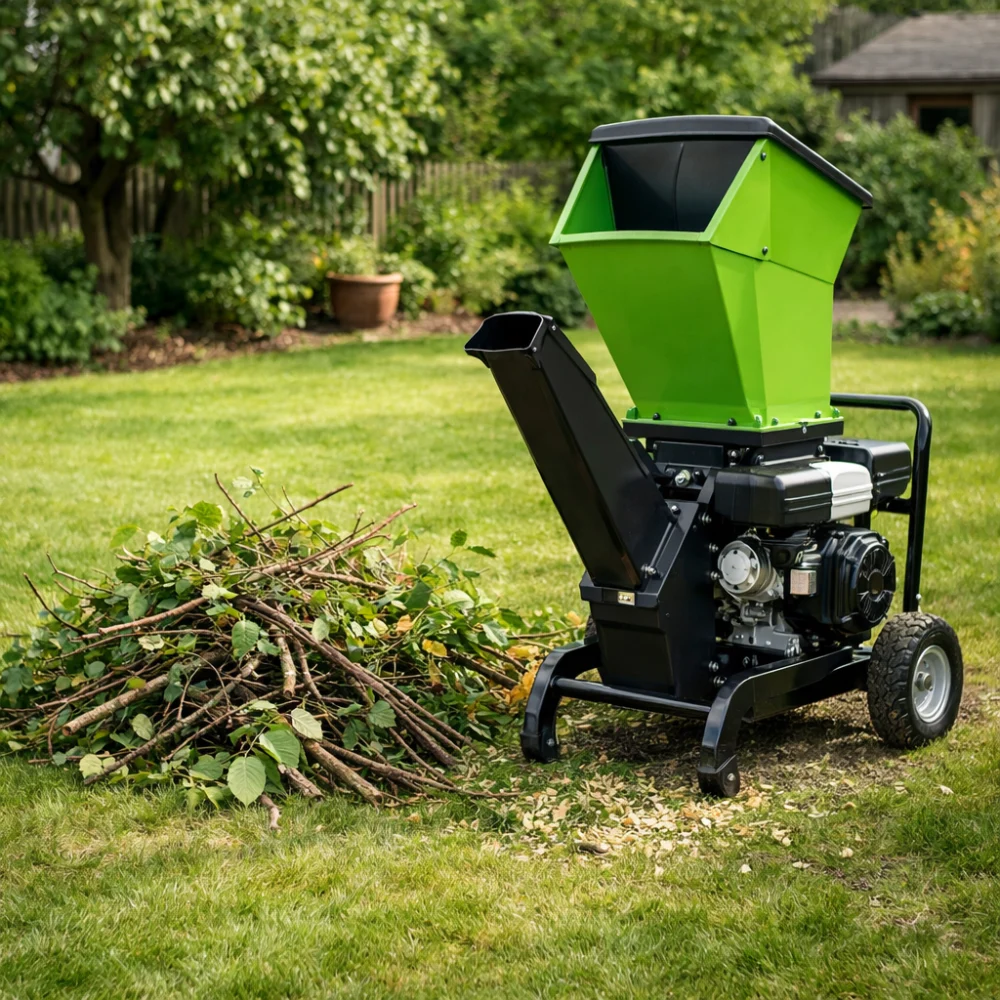

If you are clearing branches, pruning waste or reducing bulky garden debris, a wood chipper can turn a messy pile into something easier to bag, compost or dispose of. The right choice depends less on the label on the machine and more on the size and type of material you expect to feed into it.
Some buyers want a compact machine for occasional tidying, while others need something that can cope with thicker, woody material more regularly. The main decision is usually between easier handling and greater cutting capacity.
This guide focuses on the practical differences that matter before you buy, so you can compare options without getting distracted by features that do not help with your own garden workload.
Compare Wood Chippers


As an Amazon Associate we earn from qualifying purchases.
What should I look for when buying a wood chipper?
Start with the material you need to process: light pruning, mixed hedge cuttings, or thicker branches from shrubs and small trees. Then compare how the machine handles feed size, portability, noise, collection and storage, because those are the points that usually shape day-to-day satisfaction. A machine that is easy to move and store may suit occasional jobs, while a more substantial model may suit heavier clearing work.
Specifications vary by model, so always check the individual product page before buying.
| Feature | What it means | Why it matters | What to check |
|---|---|---|---|
| Material type | The kind of garden waste the machine is intended to process | Different waste behaves differently, especially soft leafy material versus woody branches | Look for the type of garden debris you most often create |
| Feed opening | The size and shape of the entry point for branches and cuttings | Affects what you can process and how much trimming is needed first | Check the stated maximum branch size or feed guidance |
| Power source | Electric or petrol operation, depending on the model | Influences mobility, noise, maintenance and where you can use it | Consider access to mains power, garden size and how often you will use it |
| Portability | How easy it is to move, store and position | Important if you have limited storage space or need to wheel the machine around the garden | Look at weight, wheels, handles and overall footprint |
| Collection and discharge | How chipped material is gathered or released | A practical factor if you want cleaner working and easier disposal | Check for collection bags, boxes or chute style |
| Noise and vibration | How the machine behaves while running | Can affect comfort, neighbour consideration and longer sessions | Review the product description carefully and compare similar types |
| Maintenance needs | Routine care required to keep the machine usable | Matters for convenience and long-term ownership | Check cleaning, blade or cutting mechanism care and storage advice |
Key decisions that affect which model suits you
What are you actually cutting?
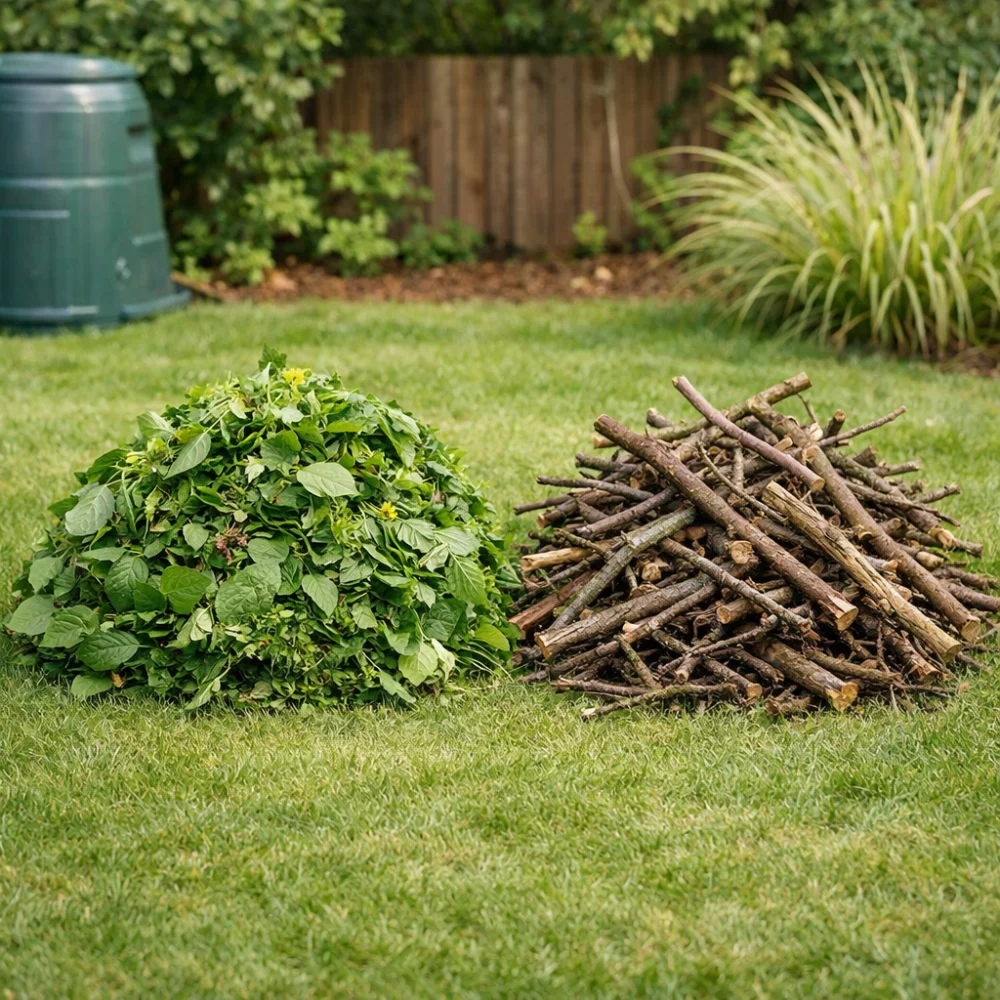
Soft hedge trimmings, mixed garden waste and dry woody branches do not all behave the same way in a chipper or shredder. If your waste is mostly light and leafy, prioritise a machine that suits that sort of material rather than assuming every model is equally versatile. If you prune thicker shrubs or small trees, focus on the stated branch capacity and the type of cutting system described on the product page.
How often will you use it?
Occasional seasonal use and frequent clearing jobs place different demands on the machine. A buyer who uses a chipper a few times a year may care more about simple storage and easy setup, while a regular user may place more weight on throughput, comfort and durability. The right balance depends on whether the machine is a tidy-up helper or a routine garden tool.
How much space do you have?
Wood chippers can be awkward to store compared with smaller garden tools, so size and movement matter. If you have a narrow shed, steps or limited access, compact handling may matter more than a little extra capacity. If the machine will live near the work area, larger and heavier designs may be less troublesome.
What power source is most convenient?
Electric models are often easier for straightforward domestic use where mains power is available nearby, while petrol models suit more mobile work or larger areas where cable management would be inconvenient. That does not make one option universally better; it simply changes how you work. Check where you will use the machine, how far it needs to travel and what setup feels realistic.
Types and variants within this category
Product listings in this category may describe machines as chippers, shredders or mulchers. Those names are often used to reflect different cutting approaches or intended material, but the label alone is not enough to judge suitability. Read the description for what the machine is designed to accept and what sort of output it produces.
Some models are aimed more at woody branches, while others are better suited to mixed garden waste. A machine described as more compact may be easier to store and move, but it may ask for more frequent trimming of material before feeding.
Choosing by buyer need
| Buyer need | What to prioritise | Why |
|---|---|---|
| Occasional garden tidy-up | Simple use, manageable size and easy storage | Convenience matters more than heavy-duty capacity for infrequent jobs |
| Regular pruning and branch clearing | Feed capacity, cutting ability and comfort over longer sessions | Repeated use makes performance and handling more important |
| Limited storage space | Compact footprint, wheels and easy movement | Storing the machine can be as important as using it |
| Mixed waste from shrubs and hedges | Suitability for both leafy and woody material | Not every machine handles mixed waste equally well |
| Need to move the machine around the garden | Portability and practical handling | Weight and manoeuvrability affect how easy the job feels |
Common mistakes to avoid
- Choosing by name alone. A chipper, shredder or mulcher label does not tell you enough on its own. Check what the machine is intended to process.
- Ignoring branch size limits. If your material is thicker than the machine is designed for, you may spend too much time trimming beforehand.
- Overlooking storage and movement. A machine that seems suitable on paper can still be awkward in a small garden or shed.
- Assuming all waste behaves the same. Wet leafy material, dry twigs and thicker wood can require different approaches.
- Focusing on one feature only. Power, convenience, feed size and handling all matter together.
Safety and suitability points to check
Wood chippers are garden power tools, so it is sensible to check that the machine suits the material you plan to feed it and the space where you will use it. Pay attention to the product information for any guidance on intended use, feed limitations and any assembly or storage notes. Do not assume a model is suitable for every kind of garden waste just because it is described as a chipper or shredder.
Maintenance, storage and ownership considerations
Think beyond the purchase itself. You may need a dry place to store the machine, enough room to move it safely and a routine for clearing out collected material after use. Depending on the model, cleaning and cutting-mechanism care may also be part of normal ownership, so check the product page for maintenance guidance before you decide.
How to compare options efficiently
- Start with the waste you need to process most often.
- Decide whether you need a compact domestic machine or something with greater capacity.
- Compare feed size, power source, portability and collection method.
- Check the handling trade-offs, especially storage, movement and noise.
- Read the individual product page carefully for the exact limits and maintenance notes.
Summary buyer decision checklist
- Have I identified the main material I want to process?
- Does the machine suit the branch size or waste type I create most often?
- Will the power source work in my garden and for my routine?
- Is it practical to move, store and set up where I will use it?
- Do I understand how the machine collects or discharges chipped material?
- Have I checked the product page for maintenance and use guidance?
Frequently asked questions
Do I need a wood chipper or a shredder?
That depends on the waste you want to handle. Some buyers mainly need to reduce woody branches, while others are dealing with mixed garden debris and prefer a machine described differently. The wording alone is not enough, so check the product description for what it is designed to accept.
Are electric models easier to use than petrol models?
Often they are simpler for domestic gardens with convenient access to mains power, but the right choice depends on your setup. Petrol models may suit larger or more mobile jobs where a cable would be inconvenient. Think about where you will actually work rather than assuming one power source is always better.
How important is the maximum branch size?
Very important if you have woody pruning to clear. It helps you judge whether the machine can cope with your typical material without constant pre-cutting. If your garden waste varies, choose based on the thickest branches you are likely to feed regularly.
Can one machine handle both hedge trimmings and branches?
Some may cope with both, but not every model handles mixed waste equally well. Read the description carefully to see whether the machine is intended for woody material, softer garden waste or a blend of both. That detail matters more than the category name.
What should I think about if storage space is limited?
Look at the machine’s overall size, weight and ease of movement before anything else. Wheels and handles can make a real difference if the chipper needs to be stored in a shed or moved through tight spaces. A compact machine can be a better fit than a larger one with more capacity.
What ongoing care should I expect?
At a basic level, expect cleaning and sensible storage to matter. Some models may also have more specific care needs, especially around the cutting mechanism, so it is worth checking the product information. The less often you use the machine, the more important it becomes to store it dry and ready for the next session.
Why do some listings call them shredders or mulchers?
Retail listings often use those terms to describe slightly different ways of reducing garden waste. The important point is not the word itself but what the machine is intended to process and how it handles the output. Read the product details to see which type matches your garden debris.
More Wood Chippers
See all 226 Wood Chippers →


As an Amazon Associate we earn from qualifying purchases.


