
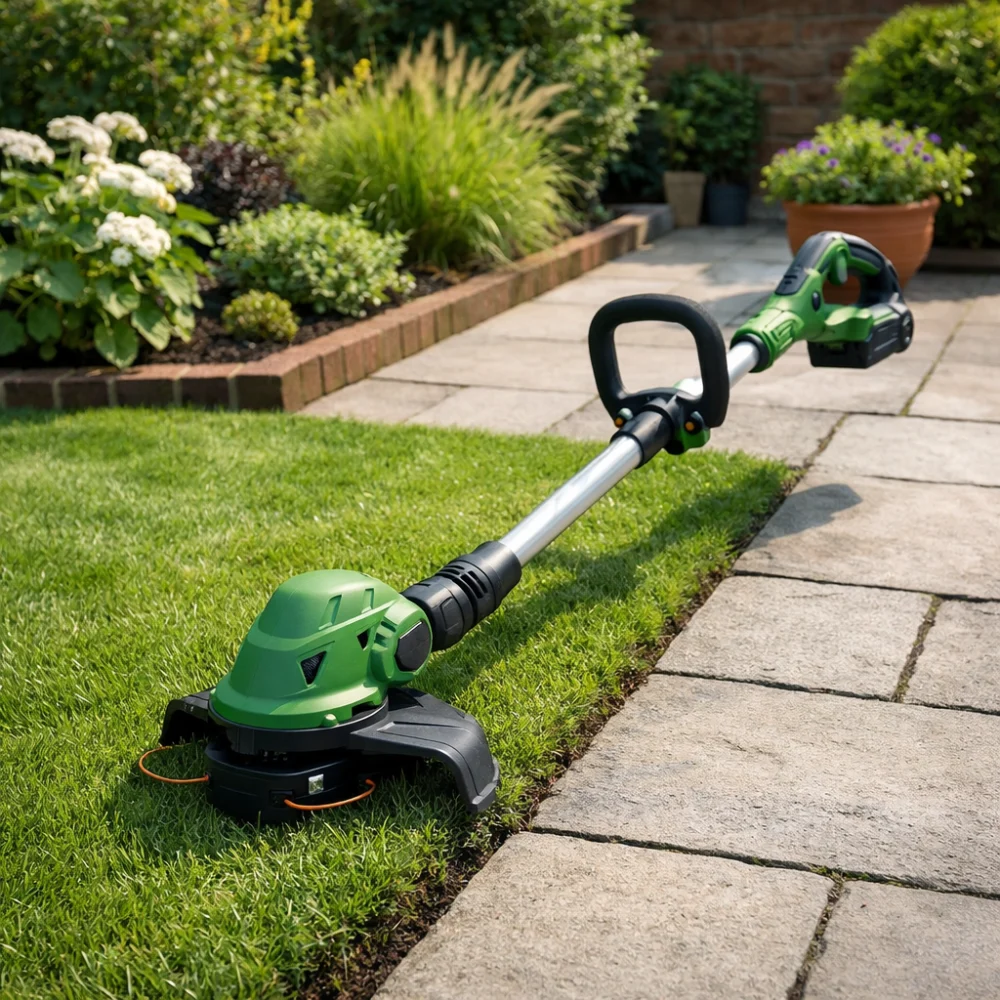
Garden strimmers are useful for tidying grass where a lawn mower cannot reach, especially along borders, fences, paths and around obstacles. They are also a practical choice for rougher patches that need regular trimming rather than a neat, mower-finished cut.
If you are choosing one for the first time, the main decision is not just power. It is how often you will use it, how much area you need to cover and whether you want a lighter tool for quick jobs or something more suited to longer, tougher sessions.
Because strimmers vary a lot in design and cutting system, it helps to compare them on a few simple points rather than looking at headline power alone.
What should I look for in a garden strimmer?
Start with the job you want it to do. A small garden with light edging needs a different tool from an overgrown boundary or a space with dense grass and weeds. The most useful starting point is to match the cutting system, power source and weight to the amount of work you do most often. Specifications vary by model, so always check the individual product page before buying.
| Feature | What it means | Why it matters | What to check |
|---|---|---|---|
| Power source | Electric, cordless or petrol | Affects reach, convenience and how long you can work without stopping | Where you will use it, whether you have mains access, and whether batteries or fuel are part of the setup |
| Cutting system | Line, blade or a model that can use both | Changes how the tool handles soft grass versus tougher growth | What the product page says about the cutting head and the type of work it is intended for |
| Cutting width | The width trimmed in one pass | Influences how quickly you can cover ground | Whether you want something compact for detail work or wider for larger areas |
| Weight and balance | How heavy the tool feels and how it sits in use | Important for comfort, control and longer sessions | Any stated handle or shaft design, and whether the tool is likely to be carried for long periods |
| Adjustment and handling | Features such as telescopic shafts, edging positions or adjustable handles | Can make the tool easier to fit your height and the area you need to reach | Whether the product page mentions adjustment options that suit your garden layout |
| Noise and maintenance | How much upkeep the tool typically needs | Helps you choose between a simpler electric tool and more involved petrol ownership | Charging, line replacement, fuel handling or other routine care implied by the product type |
Key differences that affect day-to-day use
Power source
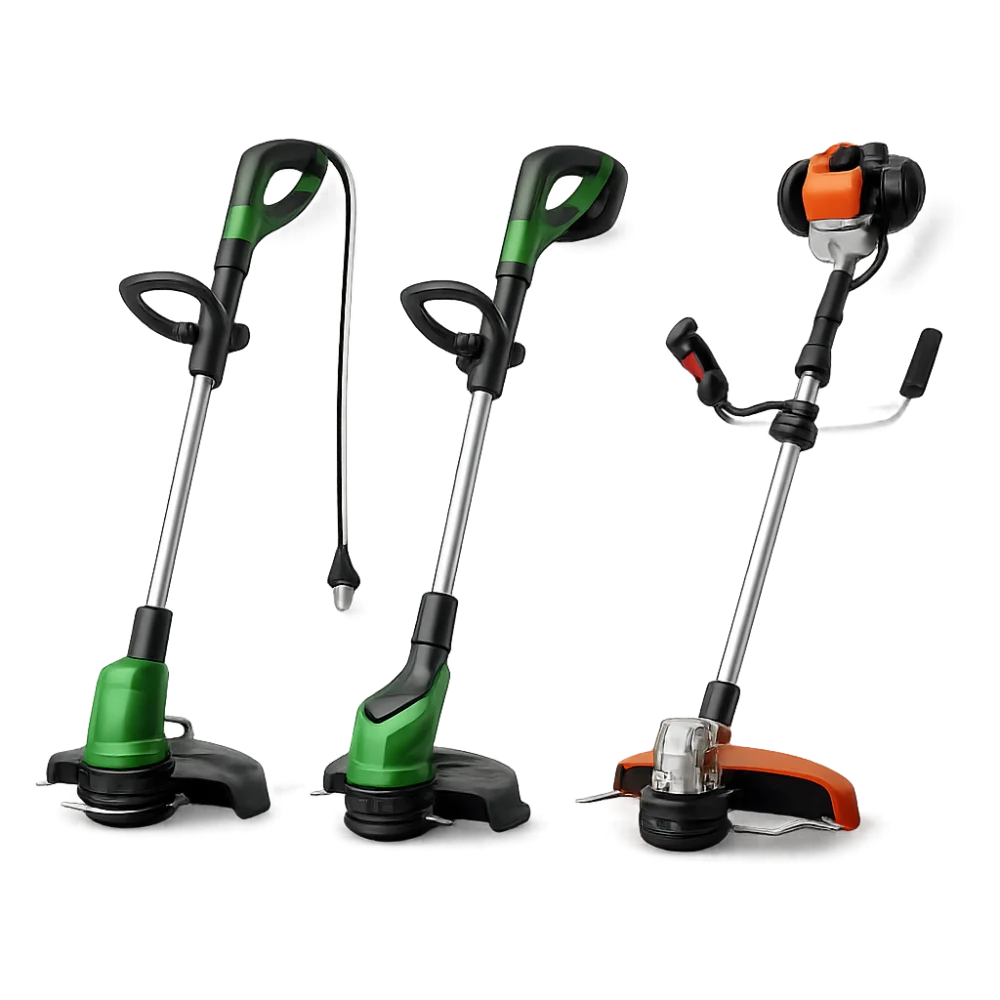
Corded electric strimmers suit smaller gardens where a cable is practical and you want simple routine use. Cordless models are easier to move around and are often more convenient for awkward spaces, but battery runtime becomes part of the buying decision. Petrol strimmers are usually chosen for more demanding cutting tasks or larger areas, though they bring more noise, maintenance and handling considerations.
Cutting line or blade
Line trimmers are commonly used for grass and edging because they are straightforward for lighter garden tidy-ups. Blade options are often associated with tougher vegetation or more demanding work, but they are not automatically better for every buyer. The key question is whether your garden is mainly neat grass trimming or whether you regularly face denser growth.
Size, weight and reach
A tool that feels fine for a short run can become tiring if you use it for longer or need to reach around planting, fences and corners. Look at shaft adjustment, handle layout and the general shape of the tool as well as the cutting width. A lighter, easier-to-manoeuvre model can be more useful than a more aggressive one if your main task is edging and finishing.
Runtime and working pattern
For cordless models, think about whether one charge is enough for your usual session or whether your work is best done in shorter bursts. If you have a large or neglected area, it may be more practical to choose a model that supports a workflow you can actually maintain rather than one that looks powerful on paper.
Which type of strimmer suits which garden?
Different gardens justify different tool types, so the right choice depends on the shape of the space and the growth you deal with most often.
| Buyer need | Likely better fit | Why | Trade-off |
|---|---|---|---|
| Small patio or town garden | Light electric or cordless strimmer | Easy to store and quick to bring out for edging | May be less suited to dense overgrowth |
| Mixed lawn edges and borders | Cordless model with a sensible balance of runtime and weight | Flexible for moving around obstacles and trimming different areas | Battery charging becomes part of the routine |
| Long grass or heavier growth | More robust strimmer with a suitable cutting head | Better aligned to tougher vegetation | Usually heavier and may need more upkeep |
| Frequent use across a larger area | Model chosen for comfort, runtime and coverage | Reduces fatigue during longer sessions | Often means paying more attention to weight and power source |
Common mistakes when buying
- Choosing only by power headline. A powerful-looking tool may still be awkward or tiring if it is too heavy for the person using it.
- Ignoring the garden layout. Tight spaces, steps, shrubs and borders can matter more than raw cutting ability.
- Overlooking the cutting system. Line and blade setups suit different kinds of work, so it helps to think about the actual growth you trim most often.
- Forgetting about runtime or access. Cordless buyers should think about charging and working time, while corded buyers should check whether cable reach suits the garden.
- Buying more tool than needed. If you mostly tidy edges, a simpler model may be easier to live with than a heavier-duty option.
Safety and suitability checks
Garden strimmers are common household tools, but they still need a careful buying decision. Check that the model suits the intended user, the size of the area and the kind of growth you want to cut. If you are buying for someone else, think about weight, handling and whether they are likely to use a cordless, corded or petrol tool comfortably.
Do not assume one strimmer can handle every job in the garden. If you need to cut through denser growth, make sure the product page clearly indicates that it is intended for that kind of work.
Maintenance, storage and ownership
Different strimmer types bring different ongoing tasks. Cordless models usually involve battery charging and sensible battery storage. Corded tools tend to be simpler day to day, while petrol models can involve more routine attention and storage considerations. Line replacement, guard cleaning and general wipe-downs are also worth considering when you compare products.
If you want the easiest ownership experience, think beyond the first purchase and consider how you will store the tool, access power and maintain the cutting setup between uses.
How to compare options efficiently
- Start with your main job: edging, light trimming or more demanding garden clearance.
- Choose the power source that fits your space and working pattern.
- Compare the cutting system, weight and reach rather than focusing on one specification.
- Check whether the tool looks comfortable for the person who will actually use it.
- Read the individual product page for the exact setup before deciding.
Summary buyer decision checklist
- Does the strimmer suit the type of growth in your garden?
- Is the power source practical for your space and routine?
- Will the weight and balance be comfortable for the main user?
- Is the cutting system appropriate for light trimming or tougher work?
- Does the product page show any adjustment or handling features you need?
- Have you checked charging, cable reach or maintenance needs where relevant?
Frequently asked questions
Do I need a strimmer if I already have a lawn mower?
Often yes, if you want to tidy edges, fences, borders and places the mower cannot easily reach. A mower and a strimmer usually solve different parts of garden maintenance. If your garden has only very simple edges, you may need less than someone with lots of obstacles.
Are cordless strimmers powerful enough for everyday use?
They can be, especially for general garden trimming and edging. The important question is whether the battery runtime and tool design suit your garden size and the thickness of the growth. For heavier or longer sessions, compare the whole setup rather than assuming all cordless models behave the same.
Is a blade strimmer better than a line strimmer?
Not always. Blades may suit tougher growth, while line systems are often a better fit for lighter grass trimming and edging. The right choice depends on the kind of work you do most often.
What matters more, weight or cutting width?
For many buyers, weight and balance matter more because they affect comfort every time you use the tool. A wider cutting width can help you cover ground faster, but only if the tool still feels manageable. A model that is easy to control is often more useful than a larger one that feels tiring.
How do I know if a strimmer is suitable for my garden?
Match it to the size of the area, the type of growth and how often you will use it. Think about access to power, storage space and whether you want a lighter tool for short jobs or something more capable for tougher tasks. Specifications vary by model, so always check the individual product page before buying.
What should I check on the product page before ordering?
Look for the power source, cutting system, cutting width, weight-related information and any adjustment features. If it is cordless, check what is included and how charging fits your routine. If it is petrol, consider whether the ownership and maintenance approach suits you.