
Pyramid and Teepee Tents
Pyramid & Teepee Tents: Traditional Design with Modern Comfort
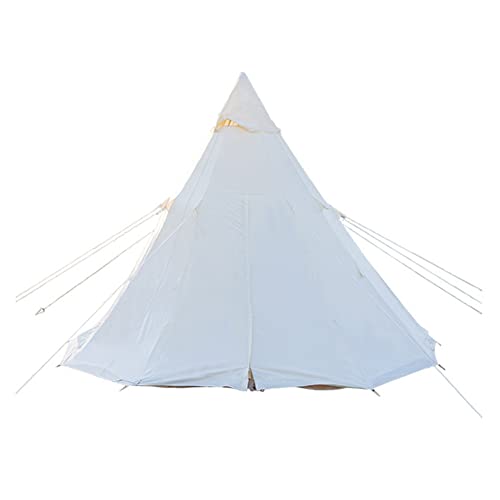
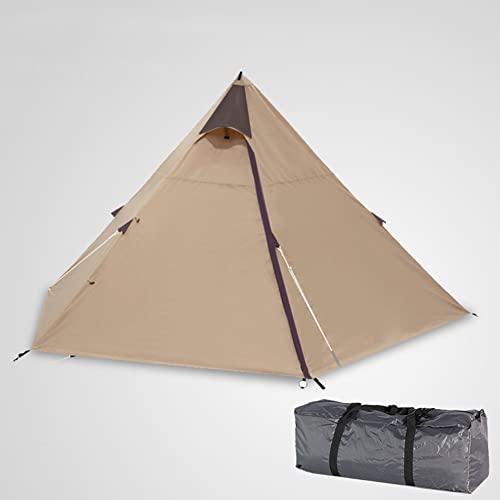
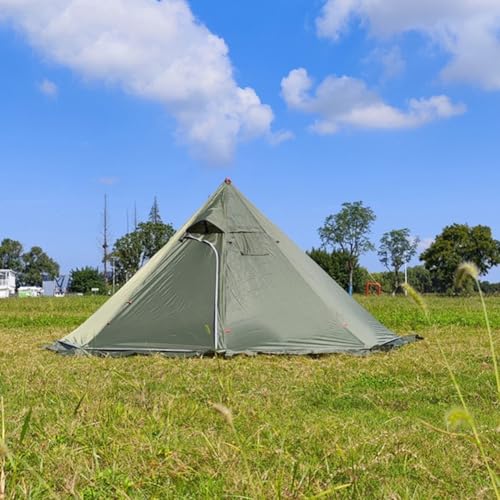
Pyramid and teepee tents offer a unique camping experience, combining a classic aesthetic with practical functionality. Known for their single-pole design, spacious interiors, and excellent wind resistance, these tents are perfect for group camping, glamping, and bushcraft adventures. Whether you’re looking for a lightweight trekking shelter or a large, luxurious tipi for family camping, these tents provide a versatile and stylish solution.
Since 1988, we’ve been a trusted supplier of high-quality outdoor gear, offering durable and weather-resistant tents designed for comfort, durability, and ease of use.
- Pyramid and Teepee Tents
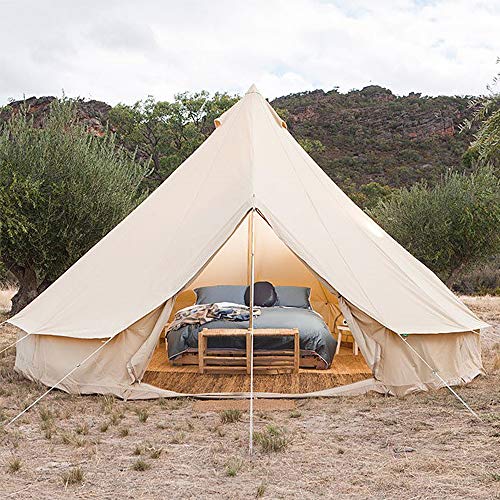
Large Pyramid Teepee Camping Tent with Stove Hole Indian Tent with Carry Bag for 5-8 Person Family Camping Hot Tents
£6,921.22 *View On Amazon* - Pyramid and Teepee Tents
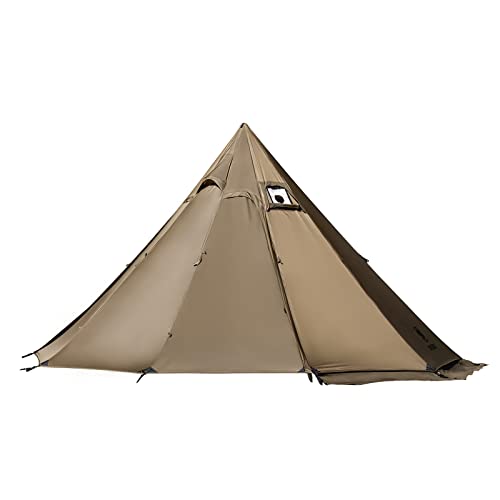
OneTigris Northgaze 2~4 Person Lightweight Hot Tent with Stove Jack,5.3lb, 4 Season Waterproof Lightweight Wind-Resistant for Camping Backpacking Hiking Hunting Fishing (Coyote Brown)
Original price was: £199.98.£169.98Current price is: £169.98. *View On Amazon* - Pyramid and Teepee Tents
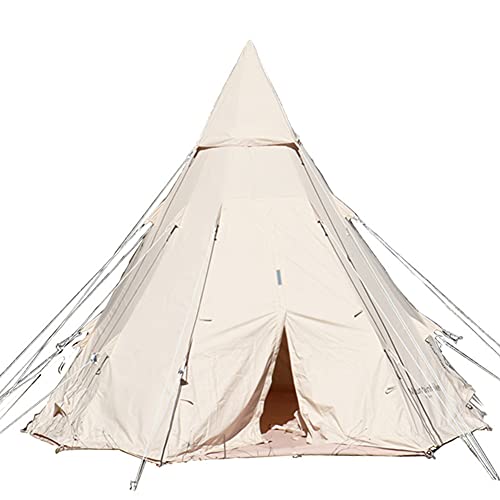
Pyramid Tent for Camping Festivals Hiking Outdoor Portable Indian Teepee Hello
£2,814.35 *View On Amazon* - Pyramid and Teepee Tents
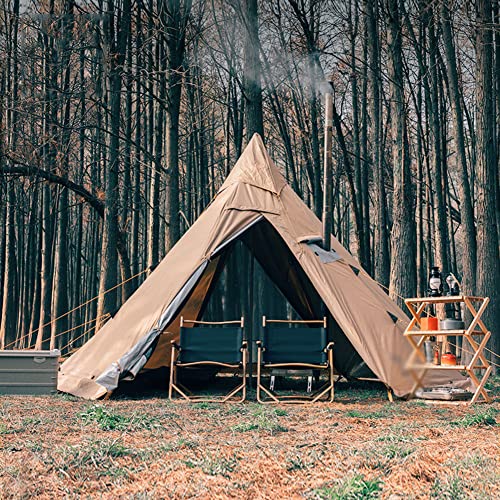
Pyramid Tent Multi-Person Family Glamping Waterproof Double Layers Teepee Tent with Stove Hole
£721.49 *View On Amazon* - Pyramid and Teepee Tents
Outdoor Camping Tent Waterproof Family Pyramid Tent for Mountaineering Hiking Camping – Indian Teepee Tent
£1,103.99 *View On Amazon* - Pyramid and Teepee Tents
Pyramid Tent for Camping Festivals Hiking Outdoor Portable Indian Teepee Hello
£3,231.00 *View On Amazon* - Pyramid and Teepee Tents
Pyramid Tent for Camping Festivals Hiking Outdoor Portable Indian Teepee Hello
£3,231.00 *View On Amazon* - Pyramid and Teepee Tents
Pyramid Teepee Camping Tent with Stove Hole, Waterproof and Portable, Ideal for Family Camping Adventures
£500.99 *View On Amazon* - Pyramid and Teepee Tents
Neo Large Canvas Children Indian Tent Teepee Kids Wigwam Indoor Outdoor Playhouse (Blue)
Original price was: £49.99.£23.99Current price is: £23.99. *View On Amazon* - Pyramid and Teepee Tents
Double Layer Pyramid Tent Indian Teepee Tent for 5-8 Person Camping Backpacking Hiking Mountaineering Heated Shelter
£1,079.68 *View On Amazon* - Pyramid and Teepee Tents
Pyramid Tent Tipi Hot Tents with Stove Hole Windows Outdoor Camping Family Teepee Tent for 2-4 Person
£176.04 *View On Amazon* - Pyramid and Teepee Tents
Badabulle Teepee, Baby Tent UV Protection UPF 50+, Indoor or Outdoor Tipi Tent – Waterproof Mattress
£76.16 *View On Amazon*







Why Choose a Pyramid or Teepee Tent?
1. Fast & Simple Setup
- Single-Central Pole Design: Quick and easy to pitch.
- Minimal Components: Reduces weight and setup time compared to multi-pole tents.
2. Spacious & Comfortable Interiors
- High Ceiling for Standing Room: More headroom than standard dome tents.
- Open Floor Plan: Maximises usable space for gear and sleeping arrangements.
3. Excellent Wind & Weather Resistance
- Aerodynamic Shape: Deflects wind and reduces strain on the structure.
- Weatherproof Fabrics & Sealed Seams: Protects against rain and moisture.
4. Lightweight & Packable (for Backpacking Models)
- Trekking Pole-Compatible Designs: Ultralight versions use a walking pole instead of a tent pole.
- Compact Storage Bags: Packs down small for easy transport.
5. Versatile for Different Camping Styles
- Traditional & Modern Designs: Available in ultralight, waterproof, and luxury canvas options.
- Perfect for Bushcraft, Glamping & Group Camping: Stylish and functional for various adventures.
Types of Pyramid & Teepee Tents
1. Lightweight Pyramid Tents
- Design: Minimalist structure using trekking poles or a single lightweight pole.
- Purpose: Reduces pack weight while maintaining stability.
- Best For: Solo hikers, ultralight backpacking, and wild camping.
2. Canvas Teepee & Pyramid Tents
- Design: Heavy-duty canvas with reinforced seams and natural insulation.
- Purpose: Provides superior durability, breathability, and weather resistance.
- Best For: Glamping, family camping, and bushcraft adventures.
3. Group & Festival Teepee Tents
- Design: Large, multi-person designs with a central pole and spacious interior.
- Purpose: Offers a social camping experience with plenty of room.
- Best For: Group trips, festivals, and scout camping.
4. Winter & 4-Season Pyramid Tents
- Design: Reinforced poles and high waterproof ratings for extreme weather.
- Purpose: Designed for year-round camping, including snow and strong winds.
- Best For: Mountain expeditions, cold-weather camping, and winter adventures.
5. Glamping & Luxury Teepee Tents
- Design: Stylish, breathable, and spacious canvas models with optional stoves.
- Purpose: Offers comfort and aesthetics for high-end camping experiences.
- Best For: Luxury camping, eco-retreats, and extended stays.
Features of Pyramid & Teepee Tents
- Single-Pole Design: Fast, efficient setup with minimal components.
- High-Quality Waterproof Fabrics: Protects against rain while remaining breathable.
- Strong Wind Resistance: Pyramid shape minimises wind drag.
- Large Doors & Ventilation Panels: Improves airflow and reduces condensation.
- Lightweight or Heavy-Duty Options: Choose between ultralight synthetic or traditional canvas.
- Spacious Open Layout: Ideal for group camping and comfortable living space.
Benefits of Pyramid & Teepee Tents
- Quick & Simple Pitching: Minimal pole structure allows fast setup.
- Perfect for Group Camping: Large models provide ample space for families and friends.
- Stable & Weather-Resistant: Performs well in windy and rainy conditions.
- Lightweight Options for Backpackers: Trekking pole-supported models reduce pack weight.
- Stylish & Comfortable: Ideal for glamping and outdoor retreats.
Popular Uses for Pyramid & Teepee Tents
- Wild Camping & Bushcraft: Traditional designs suit natural settings and minimalist camping.
- Glamping & Luxury Camping: Canvas teepees provide comfort and style.
- Group & Family Camping: Spacious interiors make teepees ideal for shared accommodation.
- Festival & Event Camping: Large tipi tents are perfect for social camping experiences.
- Winter & Expedition Camping: Reinforced designs withstand extreme conditions.
Tips for Choosing the Right Pyramid or Teepee Tent
- Consider the Material: Canvas offers durability and insulation, while synthetic fabrics are lightweight and waterproof.
- Check the Size & Capacity: Teepees range from compact solo models to large family-sized designs.
- Look for Ventilation Features: Mesh windows and top vents prevent condensation.
- Think About Portability: Ultralight pyramid tents are great for hiking, while canvas models suit longer stays.
- Choose a Model with Stove Compatibility (for Winter Use): Some canvas teepees allow wood-burning stoves for added warmth.
Why Shop Pyramid & Teepee Tents With Us?
- 35+ Years of Expertise: Trusted supplier of high-quality camping gear since 1988.
- Top Brands: Featuring Robens, Nordisk, OneTigris, Tentipi, and more.
- Wide Selection: From lightweight trekking tents to large glamping teepees.
- Affordable Pricing: High-quality options for every budget.
- Expert Guidance: Our team helps you find the perfect tent for your needs.
FAQs About Pyramid & Teepee Tents
Q: Are pyramid and teepee tents stable in strong winds?
A: Yes! Their aerodynamic shape allows wind to pass around them, making them more stable than many dome tents.
Q: How long does it take to set up a pyramid tent?
A: Most models can be set up in under 5-10 minutes using a single pole and a few stakes.
Q: Are canvas teepee tents waterproof?
A: Yes, most canvas teepees are treated for water resistance, but regular maintenance and reproofing improve longevity.
Q: Can I use a stove inside a teepee tent?
A: Some canvas models are stove-compatible with a built-in flue or vent—always follow safety guidelines.
Q: Are pyramid tents good for backpacking?
A: Yes! Lightweight pyramid tents supported by trekking poles are a great ultralight option.
Q: Do teepee tents have floors?
A: Some models include sewn-in groundsheets, while others allow for modular setups with separate floors.
Q: What’s the difference between a teepee and a bell tent?
A: Teepees have a conical design with a single pole, while bell tents have more vertical walls for extra space.
Find the Perfect Pyramid or Teepee Tent for Your Next Adventure
Whether you need a lightweight trekking tent, a spacious family tipi, or a luxurious glamping setup, our collection ensures comfort, durability, and style. Browse online or visit us in-store to find the perfect tent for your next outdoor experience!
 Getting ready for Summer? View our Home and Garden Products

Heading outdoors this winter? Take a look at our Outdoor Clothing.
Amazon Associate Disclosure
As an Amazon Associate I earn from qualifying purchases.