

Vehicle and Roof Tents
Vehicle and roof tents turn your car, van, campervan or 4×4 into part of your camping setup. Whether you want a tent that mounts on suitable roof bars, a shelter that attaches to your vehicle, or a practical base for touring and road trips, the right vehicle tent can make camping more flexible, organised and comfortable.
Our vehicle and roof tents range is designed for campers who want shelter that works with the way they travel. From rooftop tents and car tents to tailgate shelters, vehicle awnings and drive-away style setups, you can choose an option that suits your vehicle, trip length, sleeping needs and campsite plans.
- Vehicle and Roof Tents
Aoxun 10 x 10 ft Grey Car Port Tent Garage for Vehicles
£119.00 *View On Amazon* - Vehicle and Roof Tents
Aoxun 12×20 ft Car Port Garage Tent, White
Original price was: £201.10.£191.04Current price is: £191.04. *View On Amazon* - Vehicle and Roof Tents
90 x 65 cm Adjustable Mesh Cargo Net for Van, Campervan and SUV
£13.99 *View On Amazon* - Vehicle and Roof Tents
OEX Vertex Lite Tarp with Aluminium Support Poles for Vertex Lite 130 and Solo Roof Tents
£69.99 *View On Amazon* - Vehicle and Roof Tents
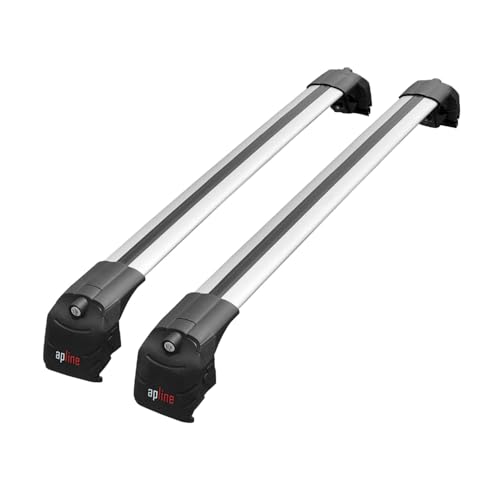
Axenture 135cm Roof Rack Cross Bars for Closed Flush Rails
£109.00 *View On Amazon* - Vehicle and Roof Tents
Skoda Kodiaq 2025 Onwards Lockable Roof Bars for Flush Roof Rails
£129.00 *View On Amazon* - Vehicle and Roof Tents
Nissan Leaf 2 (ZE1) 2018-2025 ACE-4 Car Roof Rack Cross Bars, 2 Bars
£114.00 *View On Amazon* - Vehicle and Roof Tents
MG ZS (ZS32) 2025-2026 ACE-2 Car Roof Rack Cross Bars, Grey Aluminium
£91.70 *View On Amazon* - Vehicle and Roof Tents
COVALL 2 m x 3 m Waterproof Heavy-Duty Tarpaulin 155GSM
Original price was: £15.99.£15.19Current price is: £15.19. *View On Amazon* - Vehicle and Roof Tents
COWVIE 3 x 6 m Carport Canopy Replacement Cover, Beige
£28.99 *View On Amazon* - Vehicle and Roof Tents
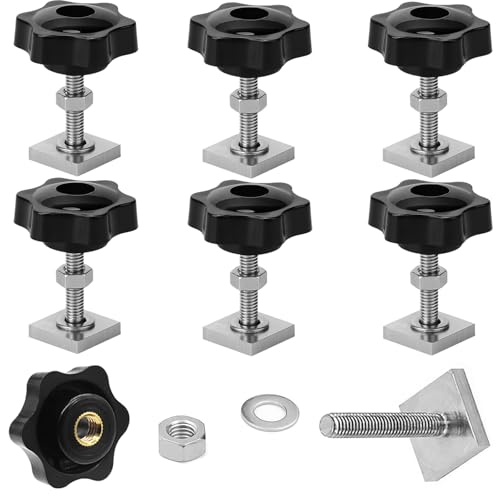
Tentbox Roof Tent Security Alarm Mounting Holder with Fixing Rails and Bolts
£14.99 *View On Amazon* - Vehicle and Roof Tents
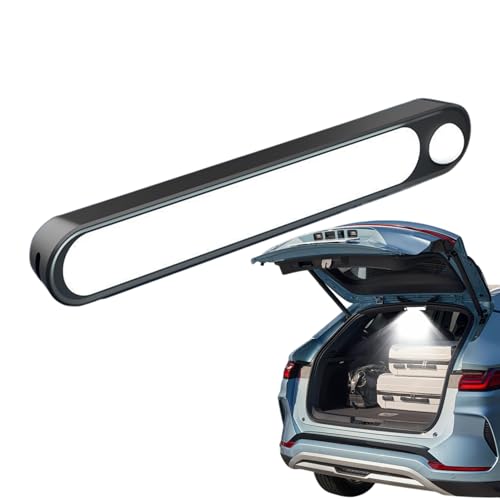
Arroopu Car Boot Light USB Rechargeable Motion Sensor LED Lamp
£7.19 *View On Amazon* - Vehicle and Roof Tents
Retractable Car Awning Waterproof Sunshade Roof Canopy
£23.86 *View On Amazon* - Vehicle and Roof Tents
TentBox Roof Tent Anti-Theft Security Kit with Lock Nuts and Wireless Alarm
£39.99 *View On Amazon* - Vehicle and Roof Tents
Demarvan Roof Rack Fittings for Citroen Berlingo 2008-2018 Vans, 2 Oval Bars
£84.30 *View On Amazon* - Vehicle and Roof Tents
TANGZON 400L Car Roof Box with Lock and Dual-Side Opening
£258.90 *View On Amazon* - Vehicle and Roof Tents
Lockable Roof Bars for BMW X4 SUV 2019+ with Flush Rails
£129.00 *View On Amazon* - Vehicle and Roof Tents
Lockable Car Roof Bars for Ford Grand Tourneo Connect 2014-2022
£129.00 *View On Amazon* - Vehicle and Roof Tents
THUNDER CARRIER Lockable Aluminium Roof Bars for Peugeot 5008 and e-5008
Original price was: £99.99.£94.99Current price is: £94.99. *View On Amazon* - Vehicle and Roof Tents
Lockable Aluminium Roof Rack Cross Bars for Jeep Compass Mk2 2016-2023
£106.00 *View On Amazon* - Vehicle and Roof Tents
Opel/Vauxhall Mokka B 2021-2026 ACE-4 Roof Rack Cross Bars, Black Aluminium, 2 Bars
£123.20 *View On Amazon*








Camp Straight from Your Vehicle
Vehicle-based camping is ideal when you like to move between places, carry more kit or create a more organised pitch around your car or van. Instead of treating your vehicle only as transport, a vehicle tent helps turn it into part of your shelter, storage or sleeping setup.
A roof tent can lift your sleeping area off the ground, which may be useful on uneven or damp pitches where suitable. A vehicle-attached tent or awning can create extra living space for cooking preparation, changing clothes, storing gear or sheltering from the weather.
For UK camping, where rain, mud and changeable conditions are common, having a shelter connected to your vehicle can make setting up and packing down feel much more practical.
How to Choose a Vehicle or Roof Tent
Start by checking your vehicle. Not every car, van or 4×4 is suitable for every roof tent or vehicle shelter, so compatibility should come before style, size or price.
Key decision factors include vehicle compatibility, roof load limit, roof bar or rack suitability, sleeping capacity, tent weight, packed size, setup method, ladder access, mattress comfort, weather protection, ventilation, storage space and how easy the tent is to fit, remove and pack away.
You should also check whether extra equipment is needed. Some roof tents may require specific roof bars, racks, brackets or fitting kits. Some vehicle tents may need the right tailgate, boot shape, awning rail, straps or attachment points.
Roof Tents vs Ground Tents
Roof tents are mounted above the vehicle on suitable roof bars or a roof rack. They can be useful for touring, road trips and campers who want a raised sleeping area that stays packed on the vehicle between stops.
Ground tents sit on the campsite pitch and usually offer more flexible space for families, groups and longer stays. They are often easier to use if you want to leave the tent pitched while driving away for the day.
The trade-off is mobility versus pitch flexibility. A roof tent can be quick and convenient for vehicle-based travel, but once it is set up, your sleeping area is attached to the vehicle. A ground tent gives you more freedom to drive away, but it can take longer to pitch and pack.
Hard Shell Roof Tents vs Soft Shell Roof Tents
Hard shell roof tents usually have a rigid outer case and can be quicker to open and close, depending on the design. They can be useful for touring campers who move often and want a more streamlined packed shape on the roof.
Soft shell roof tents often fold out to create a larger sleeping area. They may offer more internal space for their packed footprint, depending on the model, but they can take longer to set up and pack away.
The trade-off is speed versus space. A hard shell tent may suit frequent stopovers, while a soft shell roof tent may appeal if sleeping room is a higher priority.
Vehicle Tents, Tailgate Tents and Awnings
Vehicle tents and tailgate tents attach to a car, van or campervan to create extra sheltered space beside or behind the vehicle. They are useful for changing, storing kit, creating a covered entrance or building a small living area around your vehicle.
Awnings and vehicle shelters can also help create shade, rain cover or a more comfortable outdoor area for chairs, tables and campsite routines. Some are designed to stay connected, while others may be more flexible or drive-away in style, depending on the product.
Before buying, check the attachment method carefully. Vehicle shape, height, tailgate design, roof rails, awning rails and door layout can all affect whether a shelter fits properly.
Vehicle and Roof Tents for UK Camping
UK camping often means damp ground, sudden showers, wind, mud and cooler nights. A vehicle or roof tent should be chosen with those real conditions in mind.
Check the product details for water resistance, seams, ventilation, anchoring points, ladder stability and recommended weather use. A roof tent still needs careful setup, and a vehicle-attached tent still needs proper pegging, tensioning and secure attachment.
If you camp in exposed areas, near the coast or in windy locations, pay close attention to manufacturer guidance. No tent should be treated as suitable for all weather unless the product clearly states its limits.
Roof Load, Fitting and Compatibility
Roof tents place weight on the vehicle roof and roof carrying system, so load limits matter. You need to check your vehicle roof load guidance, roof bar or rack rating, tent weight and fitting requirements before buying.
The roof carrying system must be suitable for the tent and fitted correctly. Standard roof bars may not be suitable for every roof tent, and some vehicles may need specific racks or professional fitting.
If you are unsure, check the vehicle handbook, roof rack manufacturer guidance and roof tent instructions. For fitted vehicle systems, professional advice is sensible, especially if you are carrying a heavy tent or travelling long distances.
Comfort, Access and Everyday Use
A roof tent can feel comfortable once set up, especially if it includes a built-in mattress, but access matters. You will usually climb a ladder to get in and out, so think carefully about night-time use, children, pets, mobility needs and bad weather.
Vehicle tents and awnings may be easier to access because they are at ground level. They can be more practical for families, dogs, changing clothes and storing bulky kit, but they may not provide the same raised sleeping experience as a roof tent.
Before choosing, think through a normal camping day. Where will you sleep? Where will bags go? Can you get in and out easily? Can you drive away from the pitch? Will the setup work in rain?
Using Vehicle and Roof Tents Safely
Always follow the manufacturer’s fitting, pitching and weight guidance. Make sure roof tents, racks, ladders, straps, pegs and fixings are secure before use.
Never exceed the stated load limits for your vehicle, roof bars, rack or tent. Do not use a roof tent on an unsuitable roof system, damaged bars or an incorrectly fitted rack.
Keep stoves, BBQs, heaters, fire pits and fuel-burning equipment away from vehicle and roof tents unless the product guidance specifically says the setup is designed for that use. Fire and carbon monoxide risks are serious in enclosed and sheltered spaces.
If weather becomes unsafe, follow campsite advice and product guidance. Secure the tent properly, keep exits clear and avoid using roof tents in conditions beyond the manufacturer’s recommendations.
Looking After Vehicle and Roof Tents
After each trip, clean off mud, leaves and road dirt where needed. Let the tent dry fully before long-term storage to help reduce damp smells, mildew and fabric problems.
Check ladders, hinges, zips, straps, poles, flysheets, pegs and mounting points before your next use. Roof tents also need regular checks while fitted to the vehicle, especially before long journeys.
If your tent stays on the vehicle between trips, check the fitting points regularly and consider the effect on vehicle height, fuel use, wind noise and parking clearance.
Shop Vehicle and Roof Tents Online
Browse our vehicle and roof tents range to find practical shelter for road trips, campsites, touring, campervans, cars and 4×4 adventures. Compare rooftop tents, vehicle tents, tailgate shelters, awnings and drive-away style options to choose a setup that fits your vehicle and the way you camp.
Vehicle and Roof Tents FAQs
What is a vehicle tent?
A vehicle tent is a shelter that attaches to or works alongside a car, van, campervan or 4×4. It can create extra sleeping, storage, changing or living space around the vehicle.
What is a roof tent?
A roof tent is a camping tent mounted on suitable roof bars or a roof rack. It creates a raised sleeping area above the vehicle and is commonly used for touring, road trips and vehicle-based camping.
Are roof tents suitable for all cars?
No, roof tents are not suitable for every car. You must check your vehicle roof load limit, roof bar or rack compatibility, tent weight and fitting requirements before buying.
Do I need special roof bars for a roof tent?
You may need specific roof bars or a roof rack suitable for the tent’s weight and mounting system. Standard roof bars are not always suitable, so always check the roof tent and rack guidance.
Are roof tents good for UK camping?
Roof tents can be good for UK camping if they suit your vehicle and are used within the product’s weather guidance. Check water resistance, ventilation, ladder access and setup instructions before choosing one.
What is the difference between a hard shell and soft shell roof tent?
A hard shell roof tent has a rigid outer case and may be quicker to open and close. A soft shell roof tent often folds out and may offer more sleeping space, depending on the design.
Can I drive with a roof tent fitted?
You can drive with a roof tent fitted if it is installed correctly and suitable for your vehicle, rack and load limits. Remember that it adds weight and height, which can affect driving, parking and fuel use.
Can I leave a roof tent on my car all year?
This depends on the tent, vehicle, rack system and manufacturer guidance. Leaving a roof tent fitted may add wind noise, affect fuel use and expose the tent to weather, so check the product instructions.
Are vehicle tents better than normal tents?
Vehicle tents are useful if you want shelter connected to your car or van. Normal ground tents may be better if you want to leave the tent pitched while driving away from the campsite.
Can I use a stove inside a vehicle tent?
You should not use a stove, BBQ, heater or fuel-burning appliance inside a vehicle tent unless the tent and equipment are specifically designed for that use and the instructions say it is safe.
Are roof tents suitable for families?
Some roof tents may suit families, but capacity, access, ladder use, sleeping layout and weight limits need careful checking. Families may prefer a larger ground tent or vehicle awning for extra space.
How should I store a vehicle or roof tent?
Clean and dry the tent fully before storage. Store it according to the product instructions, away from damp, sharp objects and direct heat, and check fittings before the next trip.
 Getting ready for Summer? View our Home and Garden Products

Heading outdoors this winter? Take a look at our Outdoor Clothing.