Sweatbands and Headbands

Sweatbands and headbands are practical fitness accessories designed to help manage sweat, keep hair more controlled and support comfort during exercise, sport and active routines. They are useful for gym sessions, running, tennis, football, yoga, cycling, home workouts, team sports and general outdoor activity, depending on the product style and features listed.

The right sweatband or headband depends on where you wear it, how active you are, how much coverage you want and what feels comfortable against the skin. Fit, fabric, stretch, absorbency, width, grip and care needs are all worth comparing before choosing.

Showing 1–24 of 264 resultsSorted by popularity

What Are Sweatbands and Headbands?

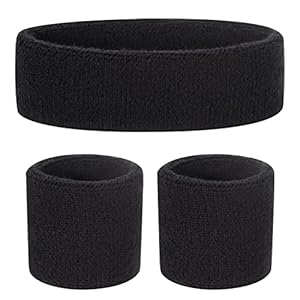
Sweatbands and headbands are wearable accessories used around the head, forehead, wrist or arm during activity. Headbands are usually worn across the forehead or around the hairline, while sweatbands can include wristbands, headbands and arm bands depending on the product.

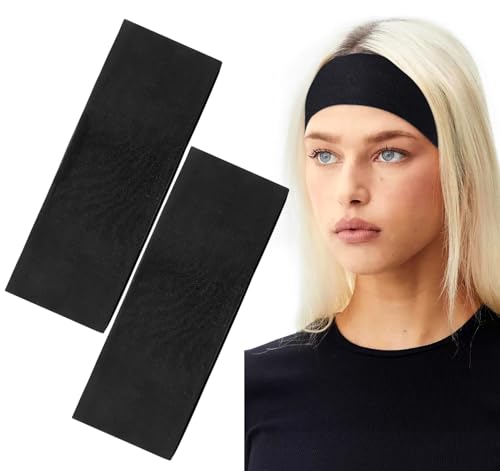
Products in this category may include sports headbands, running headbands, tennis sweatbands, wrist sweatbands, yoga headbands, gym headbands, hair control bands and multipack sweatband sets, depending on what is listed.

Some products focus mainly on absorbing sweat, while others are designed to keep hair away from the face or add light warmth around the ears in cooler conditions where suitable. Because styles vary, it is important to compare each listing carefully.

What Are Sweatbands and Headbands Used For?

Sweatbands and headbands are used to improve comfort during active movement. A headband can help keep sweat away from the eyes and hair away from the face, while wrist sweatbands can be used to wipe sweat from the forehead or support a more traditional sports setup.

They are useful for activities where sweat, hair movement or distraction can interrupt focus. This can include running, racket sports, gym training, exercise classes, dance, football, basketball, cycling, hiking and home workouts.

For regular sport, sweatbands can become a simple part of your kit. For occasional exercise, they are an easy accessory to add when you want more comfort without changing your clothing setup.

How To Choose The Right Sweatband Or Headband

Start by deciding where you want to wear it. A headband is useful if you want to manage sweat or hair around the face. Wrist sweatbands are practical if you want something to wipe sweat during sport or training. Some sets may include both where listed.

Fit is very important. A sweatband should feel secure without being painfully tight. If it slips, it can become distracting. If it presses too much, it may feel uncomfortable during longer sessions.

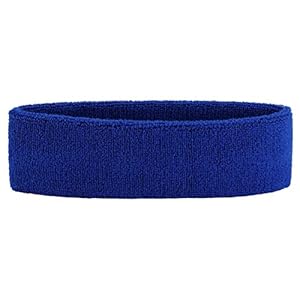
Fabric and absorbency also matter. Terry style materials may feel soft and absorbent where listed, while lighter stretch fabrics may feel better for running, yoga or gym work. Some headbands may focus more on breathability and hair control than heavy sweat absorption.

Think about activity intensity too. A light headband may suit gentle exercise or casual wear, while a more absorbent option may be better for high sweat activities, warm weather or longer sessions.

Key Features To Compare

When comparing sweatbands and headbands, look at fabric, stretch, absorbency, width, thickness, grip, seam comfort, pack quantity, colour and care instructions. These details affect how the product feels during real use.

Width can change comfort and coverage. Wider headbands may hold more hair and cover more of the forehead, while slimmer headbands can feel lighter and less noticeable.

Stretch helps the band sit securely. A good stretch fit should hold without digging in. If the product includes size guidance, check it carefully, especially for children, smaller head sizes or very thick hair.

Absorbency is important for sweaty workouts and racket sports. A band that holds moisture well may be useful, but it should still feel comfortable and not become heavy or irritating.

Care instructions should not be ignored. Sweatbands are often washed frequently, so easy cleaning and drying can make a big difference for regular use.

Sweatbands Compared With Towels Caps And Hair Ties

Sweatbands and headbands are different from towels, caps and hair ties. A towel is useful between exercises or during breaks, but it is not worn during movement. A sweatband stays in place while you train or play.

A cap can provide shade outdoors and may help keep hair controlled, but it may feel too warm for some indoor workouts. A headband is often lighter and easier to wear during gym training or racket sports.

Hair ties help secure longer hair, but they do not usually absorb sweat from the forehead. Many people use a hair tie and headband together where suitable.

Wrist sweatbands are different again. They are worn on the wrist and can be useful for wiping sweat quickly during tennis, running, gym sessions or team sports.

Guidance For Beginner Regular And Experienced Users

Beginners should choose simple sweatbands or headbands that feel comfortable, easy to wash and suitable for the main activity. A soft, stretchy headband or basic wristband set can be a practical starting point.

Regular users may want to compare absorbency, grip, fabric feel and how well the product holds up after repeated washing. If you train several times a week, having more than one sweatband or headband can make it easier to keep clean kit ready.

Experienced users may prefer different styles for different activities. A slim headband may suit running, a wider absorbent band may suit tennis, and wristbands may be useful for gym sessions or court sports.

The best choice is not always the thickest or most technical option. It is the one that feels comfortable enough to wear consistently.

Use Cases By Sport And Activity

For running, a headband can help keep sweat away from the eyes and hair off the face. Lightweight and breathable designs may be useful where listed, especially for longer runs or warmer weather.

For tennis and racket sports, sweatbands and wristbands are popular because players often need quick sweat management between points. Wrist sweatbands can also help keep hands drier by wiping the face or forehead during play.

For gym training, sweatbands can be useful during cardio, strength training, circuits and exercise classes. A comfortable headband can reduce distraction during movement, lifting or floor exercises.

For yoga and Pilates, softer and less bulky headbands may be more comfortable, especially during mat work or positions where the head rests on the floor.

For cycling, a thin headband may be useful under some helmets where suitable, but compatibility and comfort should be checked carefully. Bulky headbands may not sit safely under a helmet.

For team sports, sweatbands can help with comfort during training, warm ups and matches where allowed by the club or sport rules.

Fit Compatibility And Comfort

Sweatbands and headbands should fit securely without causing pressure or rubbing. The fabric should feel comfortable against the forehead, hairline, wrist or skin, especially during repeated movement.

If you have long or thick hair, check whether the band shape and stretch will hold comfortably. Wider headbands may help hold hair back, while slimmer bands may suit shorter hair or lighter use.

For wrist sweatbands, check width and stretch. They should sit neatly around the wrist without cutting in or sliding down the hand. If they are too tight, they may feel uncomfortable. If they are too loose, they may move during activity.

Compatibility with other kit matters. Headbands may be worn with caps, helmets, headphones, sports glasses or hats where suitable, but not every style will work well with every accessory.

Sweat Control Hair Management And Practical Performance

Sweatbands and headbands can help manage sweat and hair, but performance depends on the product and the user. Some people need high absorbency, while others mainly want to keep hair away from the face.

In warm weather or high intensity sessions, a headband may become damp and need washing after use. For longer training sessions or tournaments, spare bands can be useful.

A good headband should not block vision, slip into the eyes or need constant adjustment. A wristband should be easy to use without interfering with grip, gloves or equipment.

For outdoor activity, sweatbands can be part of a wider comfort setup with suitable clothing, hydration, sun protection and weather appropriate accessories.

Safety Care Maintenance And Storage

Sweatbands and headbands should be used sensibly and kept clean. Because they absorb sweat and sit against the skin, regular washing is important for freshness and comfort.

Follow the product care label. Some items may be suitable for machine washing, while others may need gentler care depending on the fabric, elastic or logo details. Avoid harsh cleaning methods unless the product guidance allows them.

Let sweatbands dry fully before storing them in a gym bag, drawer or sports kit. Leaving damp bands in a closed bag can affect freshness and material condition.

Replace sweatbands or headbands when they become stretched, rough, misshapen, uncomfortable, heavily worn or no longer stay in place during use.

Useful Accessories To Consider

Useful accessories can include gym towels, water bottles, sports bags, caps, wrist supports where suitable, sports socks, training gloves, fitness clothing, running belts and hair ties.

For gym and fitness routines, a towel, bottle and spare headband can make sessions more comfortable. For racket sports, wrist sweatbands, spare grips, overgrips and a sports towel may be useful where suitable.

For running and outdoor activity, sweatbands can work well with breathable clothing, reflective accessories where listed, sunglasses and a cap depending on the weather.

Why Buy Sweatbands and Headbands From YPC?

At YPC, we understand active lifestyles and the need for practical products that work in real use. Sweatbands and headbands can vary by fit, fabric, absorbency, stretch, width, comfort, pack quantity and activity suitability, so comparing the details helps you choose with more confidence.

YPC helps you browse fitness accessories with real training and sport needs in mind, whether you are buying for running, gym sessions, tennis, team sports, yoga, cycling or everyday active routines. Explore the Sweatbands and Headbands category to browse the available options and compare the features that matter most for comfort, sweat control and practical use.

FAQs

What are sweatbands and headbands used for?

Sweatbands and headbands are used to help manage sweat, keep hair away from the face and improve comfort during sport, exercise and active routines.

Are sweatbands good for the gym?

Yes, sweatbands can be useful for gym sessions, especially during cardio, circuits, strength training and exercise classes where sweat or hair movement can become distracting.

What is the difference between a sweatband and a headband?

A headband is usually worn around the forehead or hairline. A sweatband can refer to a headband, wristband or arm band used to help absorb or manage sweat during activity.

Are wrist sweatbands useful?

Wrist sweatbands can be useful for wiping sweat from the face during sport or training. They are often used in racket sports, running, gym workouts and team sports.

Should a headband be tight?

A headband should feel secure but not painfully tight. It should stay in place during movement without pressing too hard, rubbing or causing discomfort.

What material is best for sweatbands?

The best material depends on the activity and comfort preference. Terry style fabrics may feel more absorbent, while lighter stretch fabrics may feel better for running, yoga or gym sessions where listed.

Can headbands be worn under helmets?

Some thin headbands may be suitable under certain helmets where comfortable, but bulky headbands may affect helmet fit. Always check comfort and helmet safety before use.

Are sweatbands suitable for running?

Yes, sweatbands and headbands can be suitable for running. Lightweight, breathable and secure fitting options are often useful for keeping sweat and hair away from the face.

How do I wash sweatbands and headbands?

Follow the product care label. Wash after sweaty use, let them dry fully and avoid harsh cleaning or high heat unless the product instructions say this is suitable.

When should I replace a sweatband or headband?

Replace a sweatband or headband when it becomes stretched, rough, misshapen, heavily worn, uncomfortable or no longer stays in place during activity.

Home and Garden ProductsGetting ready for Summer? View our Home and Garden Products

Outdoor Clothing

Heading outdoors this winter? Take a look at our Outdoor Clothing.

Scroll to Top