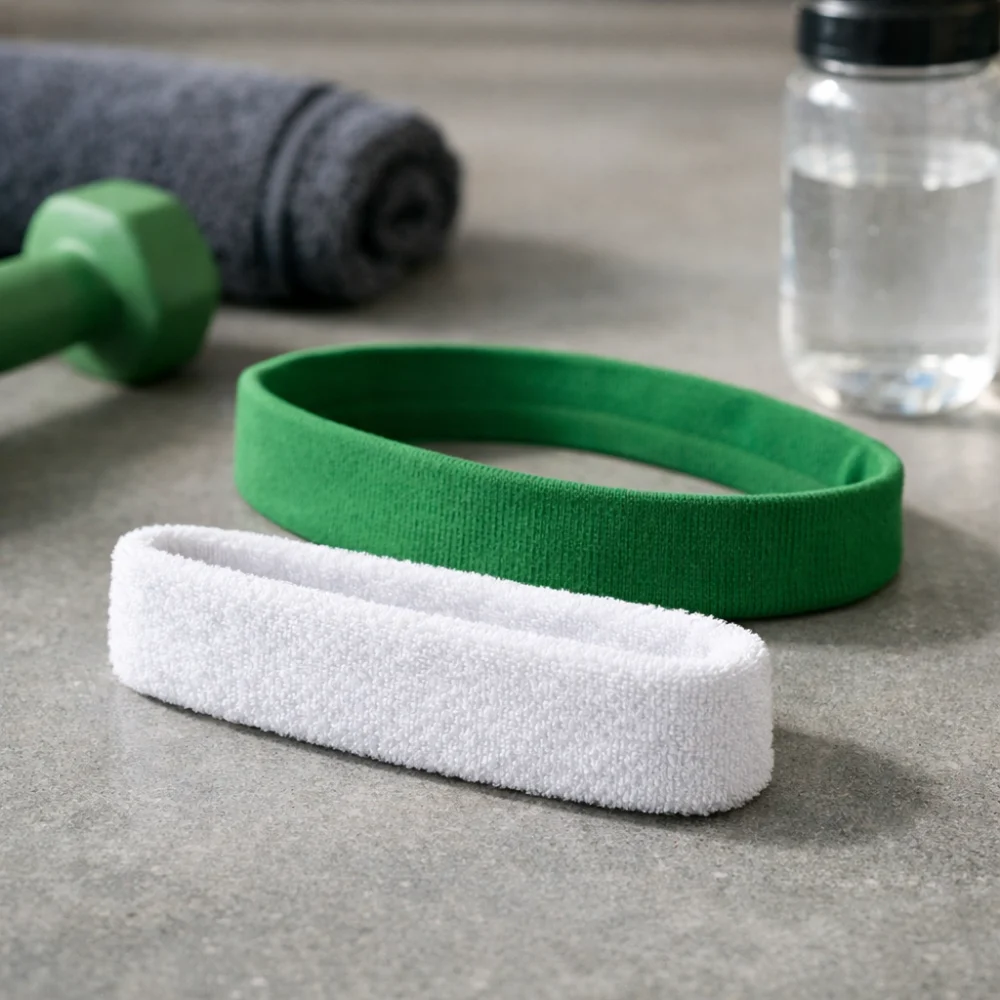
Sweatbands and headbands are small accessories, but the right choice can make training feel more comfortable and less distracting. They are used to help keep hair, sweat and loose fabric out of the way during exercise, sport and general active wear.
Because this category covers simple items with a few important differences, the best buy is usually the one that suits your activity, fit preference and cleaning routine. A soft, secure band for the gym may be a poor choice if you need something very light, very absorbent or suitable for longer sessions.
This guide focuses on the practical choices that matter before you buy: fit, material feel, width, grip and how you plan to use the band.
What should you look for in sweatbands and headbands?
The most useful starting point is comfort. If a band feels too tight, too loose or too warm, you are unlikely to wear it often. After that, consider how much sweat management you need, whether you want hair control as well as absorbency, and how easy the item is to wash and reuse.
Specifications vary by model, so always check the individual product page before buying.
| Feature | What it means | Why it matters | What to check |
|---|---|---|---|
| Fit | How securely the band sits on your head or wrist | A poor fit can slip, pinch or feel distracting | Look for size guidance, stretch and whether the design is intended for adults or a wider fit range |
| Material feel | The texture and stretch of the fabric or elastic | It affects comfort, grip and how the band feels during movement | Check whether the material is described as soft, stretchy, cotton-like or moisture-managing |
| Absorbency | How well it helps manage sweat | More absorbent styles are often more useful for harder sessions | Look for wording about sweat-wicking or absorbent fabric, while remembering that performance varies by model |
| Width and coverage | How much of the forehead, hairline or wrist area it covers | Wider bands can stay in place more easily, while narrower ones may feel lighter | Compare the style and shape against how much coverage you want |
| Intended use | Whether it is mainly for hair control, sweat control or general exercise comfort | Different uses call for different priorities | Match the product description to gym work, running, racket sports or casual training |
| Care and reuse | How easily it can be cleaned and used again | Frequent use usually means frequent washing | Check care instructions and whether the material seems likely to dry quickly |
Key decision criteria explained
Fit and security
A sweatband or headband should stay in place without constant adjustment. For headbands, that usually means enough stretch to hold comfortably, but not so much that it slides during movement. For wrist sweatbands, a snug but not restrictive feel is usually more practical than a loose one that shifts while you train.
Material and comfort
Material affects both the feel and the purpose of the item. Softer fabrics may suit longer wear, while more elastic or moisture-focused designs may suit higher-intensity sessions. If you have sensitive skin or dislike a coarse feel, check the product wording carefully rather than assuming all bands will feel the same.
Absorbency and sweat management
Some buyers want a band mainly to reduce sweat running into the eyes or onto the hands. Others are more interested in keeping hair tidy or maintaining a consistent feel during exercise. Choose the option whose description matches your main need, rather than expecting every band to do every job equally well.
Width, shape and coverage
Wider headbands can feel more secure and may cover a larger area, but they can also feel warmer. Narrower styles often feel lighter and less noticeable, but may provide less coverage. The right balance depends on whether you want a subtle accessory or a more noticeable training aid.
Product types and variants
This category usually includes a small number of familiar styles rather than highly technical variants. The main differences are between headbands worn on the head and sweatbands worn on the wrist, plus broader or narrower styles within each group.
- Headbands: Useful if you want to keep hair back and reduce sweat around the forehead. They suit general training, running and sports where hair control matters. The main limitation is that comfort depends heavily on fit.
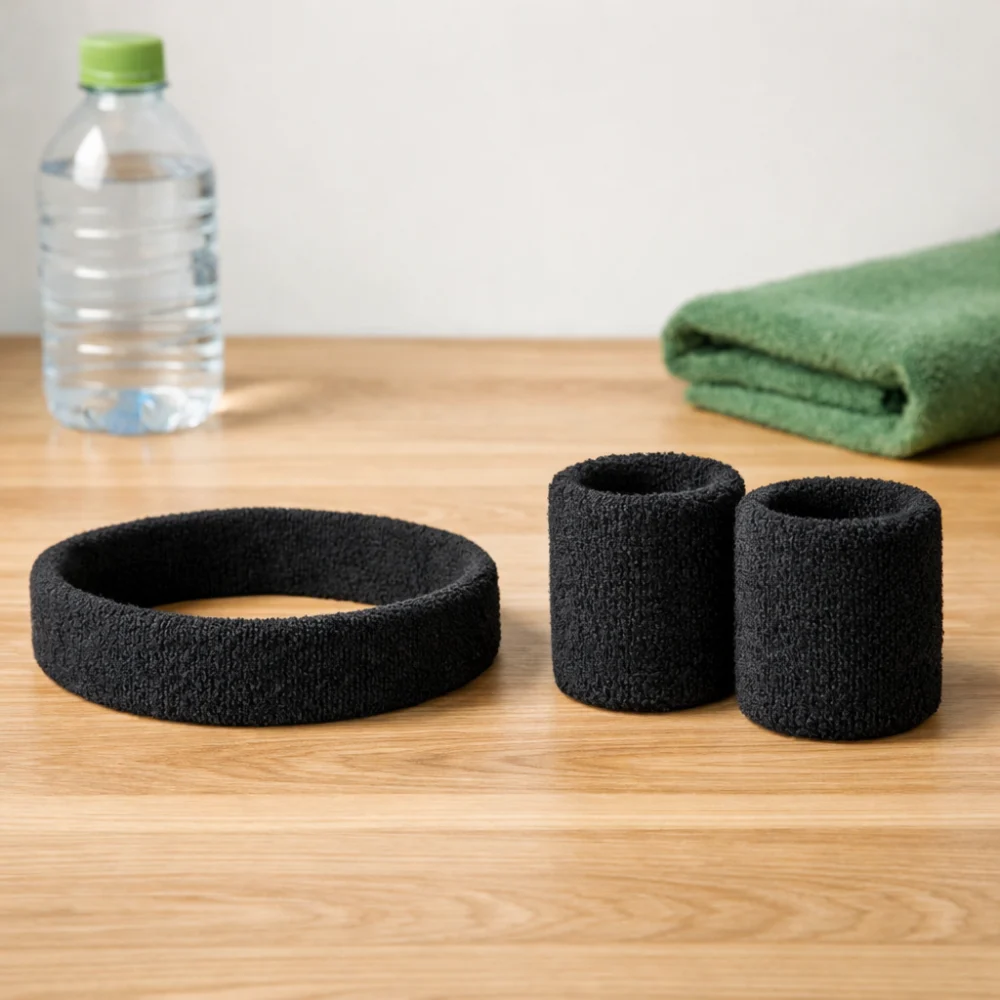
- Wrist sweatbands: Often chosen for wiping sweat during exercise or for a simple traditional sports look. They are easy to wear, but they do less for hair control.
- Sets: Some listings group items together, which can be useful if you want matching pieces or a spare. The trade-off is that the set may include items you do not need.
- Elastic or stretch styles: These can be easy to put on and remove, and they often suit active movement. The downside is that stretch alone does not guarantee a secure fit for every user.
Which type suits which buyer?
| Buyer need | What usually suits | Why | Check before buying |
|---|---|---|---|
| Hair control during exercise | Headband | Helps keep hair away from the face and may reduce distractions | Look at width, stretch and how firmly it is designed to sit |
| Sweat management for hands or wrists | Wrist sweatband | Useful when you want something easy to wear and simple to reach | Check comfort, stretch and whether the fabric seems absorbent |
| General gym or training use | Simple stretch style | Often a practical all-round choice if comfort matters most | Review fit notes and material description |
| Buying a spare or matching set | Multi-pack or set | Can suit people who want backups or a consistent look | Confirm what is included and whether the pieces are identical |
Common mistakes and misunderstandings
- Choosing on appearance alone: A style that looks right may still feel wrong in use. Comfort and fit matter more than the visual style once you start moving.
- Assuming all sweatbands do the same job: Some are better for hair control, others for sweat absorption, and some mainly serve as a light accessory. Match the description to the actual need.
- Ignoring size or stretch: A band that is too tight can feel irritating, while one that is too loose may slip. Check the fit information if it is provided.
- Buying a multi-pack without checking the contents: Sets can be useful, but only if the included pieces are the ones you want. Read the product page carefully.
Safety and suitability considerations
These are simple accessories, but suitability still matters. If you are sensitive to tight clothing, rough fabrics or strong elastic, pay close attention to the material description and fit notes. For sport, make sure the band does not reduce comfort or distract you when you move.
For children, gift buying or shared household use, check whether the sizing and style look sensible for the intended wearer. Specifications vary by model, so always check the individual product page before buying.
Maintenance, storage and everyday use
Most sweatbands and headbands are chosen because they are easy to keep in regular rotation. If you plan to use one often, think about how quickly it can be washed and dried, and whether you would prefer a spare.
Simple storage also helps: keep the band clean, dry and away from sharp items in a gym bag so it keeps its shape for longer. If a product description mentions a specific care method, follow that rather than assuming every fabric should be treated the same way.
How to compare options efficiently
- Decide whether you mainly need hair control, sweat control or both.
- Choose between a headband, a wrist sweatband or a set.
- Compare fit, stretch, width and material feel.
- Check the care instructions and how often you expect to use it.
- Read the individual product page to confirm what is included and whether the style matches your routine.
Summary buyer decision checklist
- Does the item suit your main use: hair control, sweat control or general training?
- Will the fit feel comfortable for the whole session?
- Does the width and style match how much coverage you want?
- Is the material likely to feel suitable against your skin?
- Do the care instructions fit how often you plan to use it?
- If it is a set, does it include exactly what you want?
Frequently asked questions
What is the difference between a sweatband and a headband?
A sweatband is often used for absorbing sweat or wearing on the wrist, while a headband is worn on the head to keep hair back and help manage sweat around the forehead. In practice, the line can blur a little because some designs are aimed at both comfort and sweat control.
Should I choose a wide or narrow headband?
Wider headbands usually give more coverage and can feel more secure, but they may also feel warmer. Narrower styles are lighter and less noticeable, though they may not hold as much hair or cover as much of the forehead.
Are multi-packs worth considering?
They can be useful if you want a spare, rotate items for washing or prefer a matching set. The main thing to check is whether the pack contains exactly the style and quantity you need.
What material is easiest to live with?
That depends on your priority. Softer fabrics may feel more comfortable for longer wear, while stretch-focused styles may be easier to put on and remove. Check the product wording rather than assuming one material will suit everyone.
Can I use the same band for gym sessions and running?
Often yes, provided the fit and comfort suit both activities. If one activity makes you sweat more or move more vigorously, a more secure or more absorbent style may be a better fit.
How important is care information?
Very important if you plan to use the item often. A band that is easy to wash and dry tends to be more practical as a regular training accessory, especially if you keep it in a kit bag.