

Workout Gloves
Workout gloves are designed to help make gym sessions, strength training and fitness workouts more comfortable by adding grip, padding and hand coverage where listed. They can be useful for weight training, resistance work, rowing machines, cycling style gym equipment and general exercise routines, depending on the product design.
The right pair of workout gloves should suit the exercises you do, the fit you prefer and the level of grip or support you need. Comfort, padding, wrist closure, breathability, palm material and ease of care are all worth comparing before choosing.
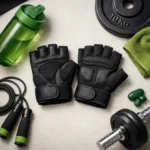
- Workout Gloves
STONELIGHT Small Open Workout Gloves with Adjustable Wrist Wrap
£9.99 *View On Amazon* - Workout Gloves
Lamicall Half-Finger Cycling Gloves with 5 mm Palm Padding
Original price was: £16.99.£12.99Current price is: £12.99. *View On Amazon* - Workout Gloves
xiluuyou Gym Gloves for Men and Women, Size S, Silicone-Print Palms
Original price was: £6.99.£5.53Current price is: £5.53. *View On Amazon* - Workout Gloves
RDX Weightlifting Gloves with 15-Inch Wrist Support Strap
Original price was: £17.99.£14.93Current price is: £14.93. *View On Amazon* - Workout Gloves
Nike Women’s Vapor Elite Fitness Gloves, Black/Black/White, L
£24.90 *View On Amazon* - Workout Gloves
SAWANS Gym Gloves with Wrist Support, Pink, Size M
Original price was: £6.79.£5.99Current price is: £5.99. *View On Amazon* - Workout Gloves
GotchaKart Boxing Gloves for Training and Sparring, Matte Black
£21.99 *View On Amazon* - Workout Gloves
WFX Fingerless Weight Lifting Gloves with Padded Silicone Palms
Original price was: £5.99.£5.09Current price is: £5.09. *View On Amazon* - Workout Gloves
Grebarley Gym Gloves with Wrist Support, Long Wristband, Size L
£11.99 *View On Amazon* - Workout Gloves
RDX Half-Finger Weight Lifting Gloves with Silicone Grip and Foam Padding
Original price was: £17.99.£16.01Current price is: £16.01. *View On Amazon* - Workout Gloves
Kratos Half-Finger Gym Gloves with Padded Palms and Wrist Support
£14.85 *View On Amazon* - Workout Gloves
RDX KARA Series Boxing Gloves in Maya Hide ConvEX Skin Leather
£29.99 *View On Amazon* - Workout Gloves
TAGVO Webbed Aquatic Gloves with Adjustable Wrist Strap
Original price was: £9.99.£8.49Current price is: £8.49. *View On Amazon* - Workout Gloves
adidas Full Finger Performance Gloves, Size L with Touchscreen Fingers
£16.99 *View On Amazon* - Workout Gloves
Meister Elite 1 lb Neoprene Weighted Gloves, Pair, Black/Blue
£29.99 *View On Amazon* - Workout Gloves
Adidas Speed 50 Boxing Gloves with PU Shell and Preformed Foam
£29.99 *View On Amazon*


What Are Workout Gloves?
Workout gloves are fitness gloves worn during exercise to help improve hand comfort and grip. They are often fingerless, but some styles may offer more hand coverage depending on the product.
Products in this category may include weightlifting gloves, gym gloves, padded workout gloves, wrist support gloves, breathable training gloves and general fitness gloves. Some are designed for lighter gym use, while others may be made for repeated strength training where suitable.
They are not a replacement for correct technique, sensible load choice or safe training habits, but they can make certain exercises feel more comfortable for many users.
What Are Workout Gloves Used For?
Workout gloves are used for exercises where the hands grip bars, handles, dumbbells, kettlebells, resistance machines or gym equipment. They can help reduce rubbing, improve comfort and make sweaty handles feel easier to manage, depending on the material and features listed.
They are commonly used for weight training, gym circuits, pull exercises, rowing, functional fitness, home workouts and general strength routines. Some people also use them to help protect palms from calluses or friction during repeated lifting.
For beginners, gloves can make gym equipment feel more approachable. For regular users, they can help keep training more consistent when grip comfort becomes a distraction.
How To Choose The Right Workout Gloves
Start by thinking about the type of training you do most often. If you mainly lift dumbbells or use resistance machines, padded palms and a comfortable fit may be useful. If you train with pull up bars, barbells or heavier handles, grip material and wrist closure may matter more.
Fit is one of the most important factors. Workout gloves should feel secure without cutting into the hands or restricting finger movement. A glove that is too loose may bunch up, while one that is too tight can feel uncomfortable during longer sessions.
Also consider wrist support where listed. Some gloves include extended wrist wraps or adjustable straps, while others are simpler and lighter. Extra wrist support may feel useful for some training styles, but not everyone needs it.
Key Features To Compare
When comparing workout gloves, look at palm padding, grip material, breathability, finger length, wrist closure, stitching, pull tabs, flexibility and care instructions. These details affect how the gloves feel during real training.
Palm padding can help reduce pressure from bars and handles, but too much padding may reduce feel for the equipment. Thinner gloves may give a closer grip, while thicker gloves may feel more cushioned.
Breathability matters because hands can get warm during exercise. Mesh panels, vented backs or moisture managing fabrics where listed may help with comfort. A glove that feels too hot or stiff may be less enjoyable to wear regularly.
Closure style is also worth checking. Hook and loop straps, elasticated cuffs or wrap style closures can all affect fit, security and ease of use.
Workout Gloves Compared With Lifting Straps Wrist Wraps And Bare Hands
Workout gloves are mainly used for hand comfort, grip and palm protection. They are a practical choice for many gym users who want a barrier between their hands and equipment.
Lifting straps are different. They are usually used to help secure the hand to the bar during pulling movements where suitable. They may be more specific than general workout gloves and are not needed for every exercise.
Wrist wraps focus more on wrist support during certain lifts. Some workout gloves include wrist support where listed, but dedicated wrist wraps may offer a different feel depending on the product.
Training with bare hands gives direct contact with the equipment and may suit users who prefer maximum feel. The trade off is that rubbing, sweat and pressure can become more noticeable during repeated sessions. The right choice depends on comfort, training style and personal preference.
Guidance For Beginners Regular Users And Experienced Lifters
Beginners should choose workout gloves that are comfortable, easy to put on and suitable for general gym use. A simple padded glove can be a good starting point if hand comfort is the main concern.
Regular gym users may want to compare padding, grip, breathability and durability more closely. Gloves used several times a week should feel reliable and easy to clean.
Experienced lifters may prefer a more specific glove style depending on the exercises they do. Some may choose thinner gloves for better bar feel, while others may prefer extra palm padding or wrist support where listed.
For anyone training seriously, gloves should support good form rather than hide discomfort from poor technique, excessive load or unsuitable equipment setup.
Use Cases By Training Style
For weight training, workout gloves can help with grip and palm comfort when using dumbbells, barbells, kettlebells or resistance machines. Padding and grip texture are worth comparing carefully.
For gym circuits, breathable gloves with good flexibility may be useful because exercises often change quickly. Gloves should allow movement without feeling bulky.
For pull exercises, such as rows or assisted pull ups, grip and palm protection may be useful where suitable. Check that the gloves do not make the handle feel too thick or awkward.
For home workouts, gloves can be practical when using adjustable dumbbells, resistance equipment or compact gym kit. Easy storage and simple cleaning may matter more.
For cardio machines with handles, gloves may help with comfort during rowing machines, cross trainers or indoor cycling style workouts, depending on the product and fit.
Fit Compatibility And Training Comfort
Workout gloves should fit closely around the palm and fingers without causing pressure. The material should not bunch under the palm when gripping equipment, and the wrist area should feel secure without digging in.
Check size guides where listed. Hand width, finger length and wrist size can all affect fit. Some gloves may stretch slightly, while others may feel more structured depending on the material.
Compatibility with equipment is important. Thicker gloves may make smaller handles feel larger. Some grip textures may work better with certain bars or handles than others. If you use wrist watches, fitness trackers or wrist wraps, think about how the glove cuff will sit alongside them.
The best workout gloves are the ones you can wear through a session without thinking about them too much.
Safety Care Maintenance And Storage
Workout gloves can support comfort and grip, but they should not be used to push beyond safe training limits. If you feel pain, numbness, wrist strain or unusual discomfort, stop and check your technique, load and equipment setup.
Inspect gloves regularly for worn palms, loose stitching, damaged straps or reduced grip. A worn glove may not feel secure and could become distracting during training.
Follow the care instructions for each product. Gloves can collect sweat, chalk, dust and gym residue, so regular cleaning and drying can help maintain freshness. Avoid leaving damp gloves in a gym bag for long periods.
Store gloves clean and dry in a ventilated space. Keeping them with your gym kit, towel and water bottle makes them easier to remember for the next session.
Useful Accessories To Consider
Useful related products can include wrist wraps, lifting straps, resistance bands, exercise mats, gym towels, water bottles, weight belts, sports bags and grip training accessories where suitable.
For regular gym use, a towel, bottle and compact storage pouch can help keep your training kit organised. For strength training, straps or wrist supports may be useful depending on the exercises and product suitability.
For home workouts, a mat, resistance bands and basic storage box can help create a more practical training setup alongside workout gloves.
Why Buy Workout Gloves From YPC?
At YPC, we understand active lifestyles and the need for practical products that work in real use. Workout gloves can vary by fit, padding, grip, wrist support, breathability, material and care needs, so comparing the details helps you choose with more confidence.
YPC helps you browse fitness accessories with real training routines in mind, whether you are buying for home workouts, gym sessions, weight training, circuits or general exercise. Explore the Workout Gloves category to browse the available options and compare the features that matter most for comfort, grip and practical training.
FAQs
What are workout gloves used for?
Workout gloves are used to help improve hand comfort and grip during gym sessions, weight training, resistance exercises and other fitness activities where the hands hold equipment.
Do workout gloves help with grip?
Workout gloves may help improve grip where the palm material and fit are suitable. They can be especially useful when hands become sweaty or when handles feel uncomfortable.
Are workout gloves good for beginners?
Yes, workout gloves can be useful for beginners who want more hand comfort when using gym equipment. Choose a simple, comfortable pair that fits securely and suits general training.
Should workout gloves be tight or loose?
Workout gloves should feel secure but not tight. They should not restrict finger movement, cut into the wrist or bunch up under the palm when gripping equipment.
Are padded workout gloves better?
Padded gloves can feel more comfortable for some users, especially during repeated lifting. However, thicker padding can reduce the feel of the bar or handle, so the right choice depends on personal preference.
Do workout gloves replace wrist wraps?
Not usually. Some workout gloves include wrist support where listed, but dedicated wrist wraps are a different accessory. Choose based on the support, comfort and training style you need.
Can workout gloves be used for weightlifting?
Yes, many workout gloves can be used for weight training where suitable. Check grip, padding, wrist closure and product details to make sure they match the exercises you plan to do.
How do I clean workout gloves?
Follow the care label on the product. Let gloves dry fully after use, avoid leaving them damp in a gym bag and clean them as instructed to help maintain freshness and comfort.
 Getting ready for Summer? View our Home and Garden Products

Heading outdoors this winter? Take a look at our Outdoor Clothing.
