
Wrist and Knee Supports
Wrist and knee supports are designed to help provide extra comfort, compression and joint support during sport, exercise, work, recovery routines or everyday movement. They can be useful for people who want added reassurance around the wrist or knee, depending on the product type, fit and support level listed.
The right support should match the joint, the activity and the level of support you need. Fit, compression, material, fastening style, flexibility and comfort are all important when comparing options.
- Wrist and Knee Supports
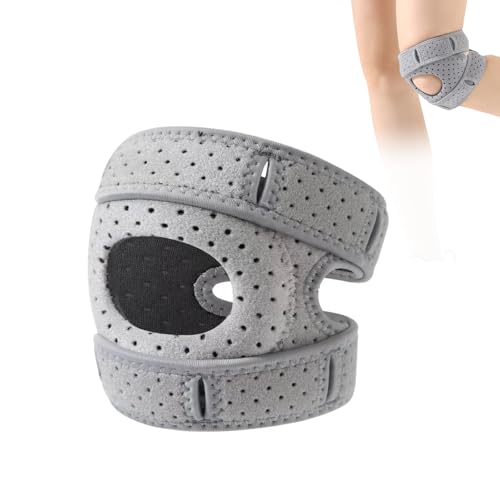
ZALAOR Wellness Knee Brace Adjustable Knee Support with Gel Pads Grey L
£8.49 *View On Amazon* - Wrist and Knee Supports
ABYON Adjustable Knee Support with Side Stabilizers, Open Patella Gel Pad (2XL/3XL)
£18.98 *View On Amazon* - Wrist and Knee Supports
ABYON ELITE Knee Support with 4-way Adjustable Non-Slip Strap System and Side Stabilizers
£22.98 *View On Amazon* - Wrist and Knee Supports
Rangos Knee Support Brace Pair, Compression Knee Sleeves, 2 Pack (L)
£4.99 *View On Amazon* - Wrist and Knee Supports
Neo G Hinged Knee Support, Adjusta Fit, Open Patella, One Size, Black
£89.99 *View On Amazon* - Wrist and Knee Supports
BAUERFEIND Knee Support with Silicone Ring, Size L, Black
£53.64 *View On Amazon* - Wrist and Knee Supports
Kuangmi Knob Knee Brace for Pain Relief, Left, Black, XL
£37.99 *View On Amazon* - Wrist and Knee Supports
ABYON Hinged Knee Brace with Metal Side Stabilizers, Adjustable 360° Wraparound Strap, Pink, XL
£25.99 *View On Amazon* - Wrist and Knee Supports
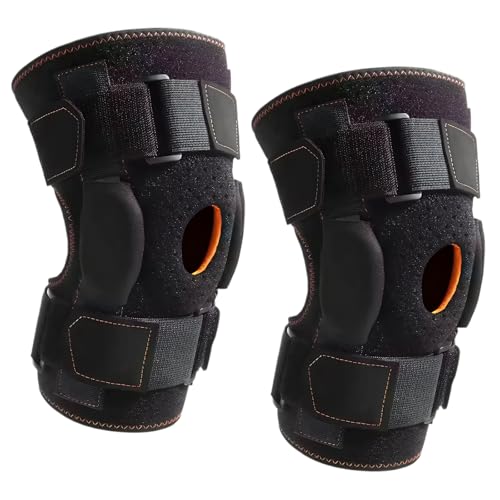
2 PCS Hinged Knee Brace Support with Open Patella, Adjustable Straps and Dual Side Stabilizers
£20.99 *View On Amazon* - Wrist and Knee Supports
Thx4COPPER Hinged Open-Patella Knee Brace with Cross Straps & Stabilizers
£18.99 *View On Amazon* - Wrist and Knee Supports
OrthoJointRelief Knee Support Brace with Patella Gel Pad (L)
£9.99 *View On Amazon* - Wrist and Knee Supports
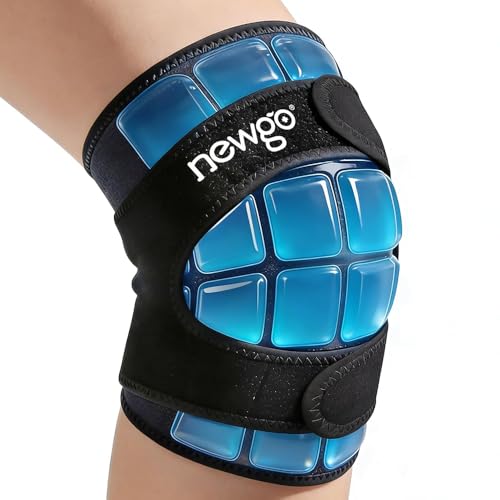
NEWGO Ice Pack for Knee – Ultra Flexible Ice Pack Wrap
Original price was: £19.99.£16.99Current price is: £16.99. *View On Amazon* - Wrist and Knee Supports
AVIDDA Knee Support 2 Pack Knee Brace with Patella Gel Pad
£10.99 *View On Amazon* - Wrist and Knee Supports
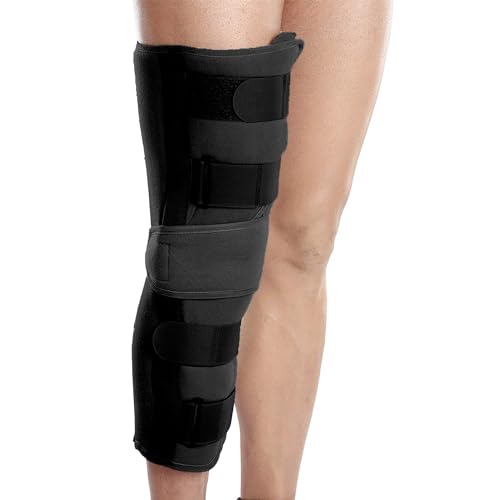
Wonder Care Knee Immobilizer Knee Brace – Black, Medium
£46.99 *View On Amazon* - Wrist and Knee Supports
Fefod Knee Support Brace Adjustable Compression Sleeve
£4.99 *View On Amazon* - Wrist and Knee Supports
AQF Knee Wraps Weight Lifting Bandage IPL and USPA Approved
£14.99 *View On Amazon*







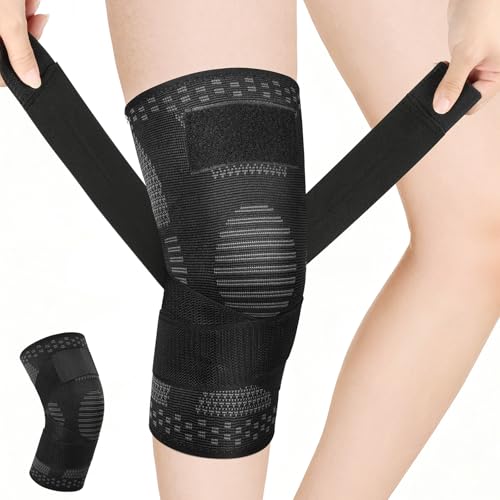
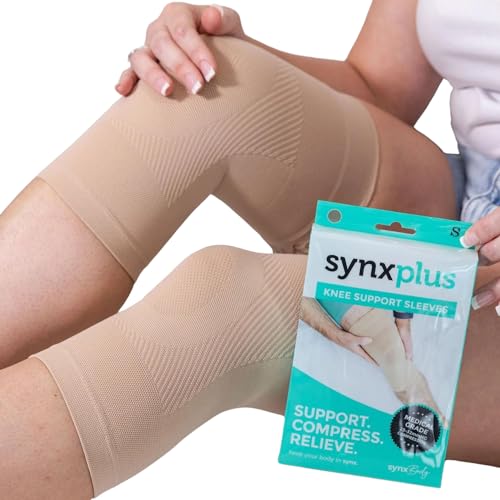


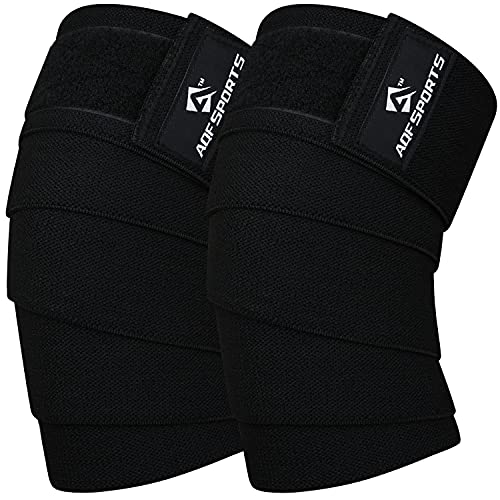
What Are Wrist and Knee Supports?
Wrist and knee supports are wearable support products made to sit around the wrist or knee joint. They can include compression sleeves, wrap around supports, adjustable braces, straps, stabilising supports and padded designs, depending on the products listed.
Some supports are lightweight and flexible for everyday comfort or low impact activity. Others may offer firmer support, adjustable straps or reinforced areas where listed. Product designs vary, so it is important to read the details carefully before choosing.
They are not a replacement for professional medical advice. If you have ongoing pain, swelling, a recent injury or reduced movement, it is sensible to seek appropriate advice before relying on a support.
What Are Wrist and Knee Supports Used For?
Wrist and knee supports are used to provide added comfort, compression and a more secure feel around the joint during movement. They may be worn for gym training, walking, running, cycling, racket sports, manual work, gardening, yoga, fitness classes or general daily activity where suitable.
A wrist support may be useful during activities that involve gripping, lifting, typing, pressing or repeated hand movement. A knee support may be useful during walking, squats, lunges, running, sports or everyday movement where the knee needs extra comfort or reassurance.
The aim is usually to support comfort and confidence, not to force the joint beyond its normal ability. The right product should feel supportive without restricting safe movement.
How To Choose The Right Wrist Or Knee Support
Start by choosing the correct joint support. Wrist supports and knee supports are shaped differently and should not be used interchangeably. A product designed for the wrist should fit the wrist area properly, while a knee support should sit securely around the knee without slipping or bunching.
Next, think about support level. A simple compression sleeve may suit light activity, mild reassurance or general use. An adjustable wrap may offer more control over tightness. A firmer brace may be more suitable where extra structure is needed, depending on the product and situation.
Fit is one of the most important details. A support that is too loose may slip and feel ineffective. A support that is too tight may feel uncomfortable or affect circulation. Check the size guide where listed and measure carefully before buying.
Also consider activity type. Flexible supports may suit movement based exercise, while more structured supports may feel better for slower, controlled activity. For sport, make sure the support allows safe movement and does not interfere with grip, balance or technique.
Key Features To Compare
When comparing wrist and knee supports, look at size, compression level, material, adjustability, fastening type, breathability, padding, flexibility and whether the design is intended for the left, right or either side where listed.
Compression can help create a snug and supportive feel, but more compression is not always better. The support should feel secure without causing numbness, tingling, pinching or discomfort.
Adjustable straps can be useful if you want to fine tune the fit, especially around changing activity levels or different clothing layers. Pull on sleeves can feel simpler and smoother, but they rely more heavily on accurate sizing.
Material matters too. Breathable fabrics may feel more comfortable during sport or warm weather. Thicker materials may feel more supportive or warmer, but they may also feel bulkier. Always compare the product details before deciding.
Wrist Supports Compared With Knee Supports
Wrist supports are usually designed for the smaller joint area around the hand and lower arm. They may focus on grip comfort, lifting support, typing comfort, sport movement or general wrist stability depending on the product.
Knee supports are larger and shaped for the leg. They may focus on movement comfort, compression, kneecap support, warmth or stability around the knee where listed.
Both types can offer support, but the way they work is different because the joints move differently. Wrist movement is closely linked to hand and grip use, while knee movement is linked to walking, bending, stepping and body weight support.
If you need support for both areas, compare each product separately rather than assuming one support style will suit every joint.
Wrist and Knee Supports Compared With Braces Straps And Compression Sleeves
Compression sleeves are often simple pull on supports that provide a snug fit around the joint. They can be useful for general support and active movement where suitable.
Wrap around supports usually allow more adjustment. They may be easier to put on and tighten, especially if swelling, sizing or comfort changes during the day.
Braces may offer a more structured feel, depending on the product. Some may include stays, stabilisers, open kneecap designs or reinforced panels where listed. They may suit buyers who want more support, but they can feel bulkier than sleeves.
Straps are often smaller and more targeted. A knee strap or wrist strap may be useful for specific support needs where suitable, but it may not provide the same coverage as a full sleeve or brace.
The right choice depends on the joint, activity, comfort preference and level of support needed.
Guidance For First Time Regular And Activity Focused Buyers
First time buyers should choose a support that is easy to fit, comfortable to wear and suitable for the activity they do most often. A simple, well fitting support is usually a better starting point than choosing the most complex option.
Regular users should compare durability, breathability, washing guidance and whether the support remains comfortable over longer periods. If you wear a support often, small fit details become very noticeable.
Activity focused buyers should think carefully about movement. A support for gym lifting may need different features from one used for walking, racket sports, cycling or work. Check whether the support allows the movement you need without slipping or rubbing.
If you are returning after an injury or managing a known condition, choose carefully and follow advice from a suitable professional where needed.
Use Cases By Activity And Lifestyle
For gym training, wrist supports may help provide a more secure feel during pressing, lifting or gripping movements where suitable. Knee supports may be useful during squats, lunges or controlled lower body training depending on fit and comfort.
For walking and hiking, knee supports may provide added reassurance on longer routes, uneven paths or downhill sections where suitable. The support should not restrict your natural stride.
For racket sports and ball sports, wrist supports may be useful where grip and repeated arm movement are involved. Knee supports may help some players feel more secure during turns, stops and starts, depending on the product.
For work and daily tasks, supports may be useful where repeated hand, wrist, kneeling, bending or standing movements are part of the routine. Comfort, breathability and easy adjustment are especially important for longer wear.
For recovery routines, supports may provide comfort and gentle support where appropriate, but they should not replace professional guidance or rest when needed.
Fit Compatibility And Comfort
Wrist and knee supports should fit securely without feeling painfully tight. You should be able to move safely and comfortably while wearing the support.
For wrist supports, check whether the design suits the left wrist, right wrist or either wrist where listed. Make sure the support does not block safe hand movement unless the product is specifically designed to limit movement.
For knee supports, check whether the support sits correctly around the kneecap and upper and lower leg. It should not roll down, bunch behind the knee or dig into the skin during bending.
Sizing is important. Measure the wrist, knee or leg area according to the product guidance where available. Do not rely only on normal clothing size because support sizing can vary between brands and designs.
Think about clothing too. Some supports are worn directly against the skin, while others may be worn over thin clothing where suitable. Check comfort and fit before using the support for longer sessions.
Compression Warmth And Movement
Compression can create a supportive and close fitting feel, but it should remain comfortable. If you feel numbness, tingling, colour change, coldness or increased pain, remove the support and seek advice where needed.
Some supports may also provide warmth around the joint depending on material and thickness. This can feel comfortable in colder conditions, but it may feel too warm during intense exercise.
Movement matters as much as support. A support should help you feel more comfortable, but it should not encourage poor technique, unsafe lifting or overuse. If an activity hurts, the support should not be used as a reason to push through pain.
For sport and exercise, test the support gently before using it during a full session. Make sure it stays in place and does not affect balance, grip or safe movement.
Safety Care Maintenance And Storage
Use wrist and knee supports sensibly and according to the product instructions. They are designed to support comfort and stability where suitable, but they cannot diagnose, treat or guarantee prevention of injury.
Do not wear a support too tightly or for longer than feels comfortable. If discomfort increases, stop using it. If you have circulation problems, nerve symptoms, significant swelling or a medical condition, seek appropriate advice before using compression products.
Wash supports according to the care label. Sweat, skin oils and repeated use can affect freshness and fabric condition. Some supports may need hand washing or gentle drying, especially where straps, stabilisers or specialist materials are used.
Let supports dry fully before storing them. Avoid leaving damp supports in a gym bag, sports bag or car. Store them clean and dry, away from sharp objects or heavy items that could damage straps, stitching or fabric.
Check the support regularly for worn elastic, loose stitching, damaged fastenings or reduced compression. If it no longer fits securely, it may not perform as intended.
Useful Accessories To Consider
Useful accessories can include gym gloves, lifting straps, resistance bands, foam rollers, yoga mats, sports tape, ankle supports, elbow supports, water bottles, gym bags and towels.
For gym training, wrist supports can work alongside gloves or lifting accessories where suitable. For walking or running, knee supports may pair with suitable footwear, walking socks and comfortable active clothing.
For recovery and general care, a small kit bag can help keep supports, towels and training accessories organised. Always choose accessories based on the activity and your own comfort needs.
Why Buy Wrist and Knee Supports From YPC?
At YPC, we understand active lifestyles and the need for practical products that work in real use. Wrist and knee supports can vary by fit, support level, material, adjustability, compression, activity suitability and care needs, so comparing the details helps you choose with more confidence.
YPC helps you browse joint support products with real movement and everyday use in mind, whether you are buying for gym training, sport, walking, work, recovery routines or general active comfort. Explore the Wrist and Knee Supports category to browse the available options and compare the features that matter most for fit, support and practical use.
FAQs
What are wrist and knee supports used for?
Wrist and knee supports are used to provide added comfort, compression and support around the wrist or knee during activity, work, sport or everyday movement where suitable.
Do wrist and knee supports help with injuries?
They may provide comfort and support during recovery routines where appropriate, but they do not replace medical advice. If you have pain, swelling, a recent injury or reduced movement, seek professional guidance.
How tight should a wrist or knee support be?
A support should feel secure but not painfully tight. It should not cause numbness, tingling, colour change, coldness or increased discomfort. If it does, remove it and check the fit.
Should I choose a sleeve or adjustable support?
A sleeve can be simple and comfortable when sizing is correct. An adjustable support may be better if you want more control over tightness. The right choice depends on activity, fit and support needs.
Can I wear a knee support for running?
Some knee supports may be suitable for running where the fit, flexibility and product design allow safe movement. Make sure it does not slip, rub or affect your running style.
Can I wear a wrist support at the gym?
Some wrist supports may be suitable for gym use where they allow safe grip and movement. Check the product details and avoid using a support to push through pain or poor technique.
Can I wear wrist and knee supports all day?
Some supports may be comfortable for longer wear where suitable, but they should not feel tight, irritating or restrictive. Follow the product guidance and take breaks if needed.
How do I choose the right size support?
Measure the wrist, knee or leg area according to the size guide where listed. Support sizing can vary, so do not rely only on normal clothing size.
Are wrist and knee supports suitable for sport?
Many supports are designed for active use where listed, but suitability depends on the sport, fit and support style. Make sure the support allows safe movement and does not interfere with technique.
How do I wash wrist and knee supports?
Follow the care label on the product. Many supports need gentle washing and natural drying. Let them dry fully before storing, and avoid harsh care methods unless the product instructions allow them.
 Getting ready for Summer? View our Home and Garden Products

Heading outdoors this winter? Take a look at our Outdoor Clothing.