
Darts
Darts are used for target games where players throw small pointed missiles at a dartboard to score points, practise accuracy and enjoy competitive play. The right darts should feel comfortable in the hand, suit your throwing style and match the type of dartboard or venue you use.
At YPC, you can browse darts for beginners, casual players, regular practice and more experienced users. This category helps you compare barrel style, weight, grip, tip type, flights, shafts, balance and set contents before choosing.
-

Dart Accessories177 Products
-
Dart Cases and Wallets122 Products
-
Dart Clothing86 Products
-
Dart Flights262 Products
-
Dart Mats and Oche Equipment89 Products
-
Dart Points and Tips192 Products
-
Dart Scorers and Scoreboards22 Products
-
Dart Sets287 Products
-
Dart Shafts and Stems276 Products
-
Dartboard Cabinets64 Products
-
Dartboard Lighting45 Products
-
Dartboard Stands and Mounting81 Products
-
Dartboard Surrounds73 Products
-
Dartboards101 Products


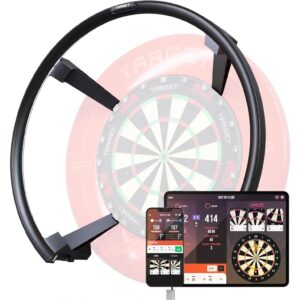


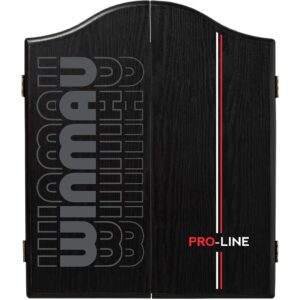
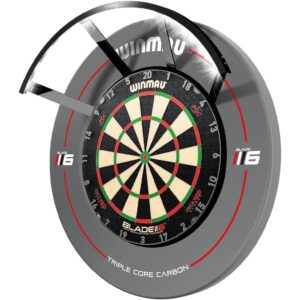
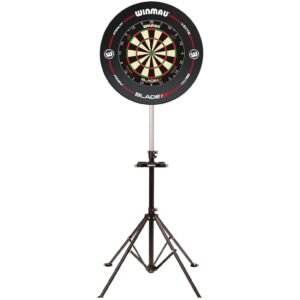


What Are Darts?
Darts are handheld throwing items used with a dartboard. A standard dart usually includes a point or tip, a barrel, a shaft and a flight, although exact parts and materials can vary depending on the product.
The barrel is the main part you grip. The shaft connects the barrel to the flight, while the flight helps stabilise the dart as it travels through the air. Some darts are designed for bristle dartboards, while others are made for electronic or soft tip boards where compatible.
Darts can be used for casual games, home practice, pub style play, league practice and friendly competition.
What Are Darts Used For?
Darts are used for playing scoring games, improving hand eye coordination and practising consistent throwing. They are popular for home games rooms, pubs, clubs, community spaces and recreational sports areas.
They can be used for classic scoring games, checkout practice, accuracy drills and relaxed social play. For beginners, darts offer a simple way to start a target sport without needing a large playing area.
For regular players, choosing the right darts can make practice feel more consistent because weight, grip and balance all affect the way a dart leaves the hand.
How To Choose The Right Darts
Start by choosing the correct tip type. Steel tip darts are usually used with traditional bristle dartboards. Soft tip darts are usually used with compatible electronic dartboards. Always check the product listing and board compatibility before buying.
Next, think about weight and balance. Some players prefer a lighter dart that feels quick to release, while others prefer a heavier dart with a more solid feel. There is no single correct option for every player because throwing style makes a big difference.
Grip is also important. A smoother barrel may suit players who prefer an easy release, while a more textured barrel may suit players who want extra hold. The best choice is the one that feels controlled without catching too much on your fingers.
Key Features To Compare
When comparing darts, look at tip type, barrel material, barrel shape, grip texture, weight, shaft length, flight shape and whether the product includes spare parts where listed.
Barrel shape can affect how the dart sits in your hand. Some barrels are straight, while others may be front weighted, centre balanced or shaped differently depending on the design.
Flights and shafts can also affect throw feel. Larger flights may feel more stable for some players, while smaller flights may suit a different throwing style. These details are often personal, so it can be useful to compare options carefully.
Steel Tip Darts Compared With Soft Tip Darts
Steel tip darts are designed for use with traditional bristle dartboards. They have a metal point and are commonly used for home boards, pub boards and many league style settings.
Soft tip darts are designed for compatible electronic dartboards. They use a plastic style tip and are often used in venues or home setups with electronic scoring boards.
The trade off is compatibility. Steel tip darts should not be used on electronic soft tip boards, and soft tip darts are not intended for traditional bristle boards unless the board and product guidance says otherwise. Always match the darts to the board.
Brass Darts Compared With Tungsten Darts
Brass darts are often a practical starting point for beginners and casual players. They can offer a simple, accessible way to begin playing and testing what weight and grip style you prefer.
Tungsten darts are often chosen by regular and experienced players because tungsten is denser than brass, which can allow slimmer barrel designs depending on the product. A slimmer barrel may be useful for grouping darts closer together on the board.
The trade off is experience and preference. Beginners may not need advanced darts straight away, while regular players may appreciate a more refined barrel feel once they know what suits their throw.
Beginner, Regular Player And Experienced Player Guidance
Beginners should focus on darts that feel comfortable, are compatible with their dartboard and are easy to control. A simple set can be enough to learn stance, grip, aim and release.
Regular players may want to compare weight, barrel grip, shaft length and flight shape. If you practise often, small changes in setup can become more noticeable.
Experienced players may look more closely at balance point, barrel profile, grip zones, replacement shafts and flight combinations. For match play, consistency and confidence in your setup are often more important than appearance alone.
Use Cases By Player Type And Activity
For home players, darts should match the dartboard and fit the available playing space. A suitable board, safe wall area and sensible throwing distance are all important.
For pub style play, players may want darts that are easy to carry and consistent enough for regular games with friends.
For practice, it can be useful to have darts that feel repeatable in the hand. This helps when working on scoring, grouping and finishing routines.
For gifts, consider whether the recipient already has a dartboard, whether they need steel tip or soft tip darts and whether they are a beginner or regular player.
Fit, Grip And Throwing Comfort
Darts do not have a clothing style fit, but they do need to feel right in the hand. Barrel length, width, texture and weight all affect comfort.
A dart should feel secure enough to aim confidently but easy enough to release cleanly. Too much grip may catch on the fingers, while too little grip may feel slippery.
Throwing comfort is personal. Some players hold the dart near the front, some in the middle and some towards the back. Look at the barrel shape and grip areas to decide whether they match how you naturally hold a dart.
Compatibility With Dartboards And Accessories
Compatibility is one of the most important buying checks. Steel tip darts should be matched with suitable bristle dartboards. Soft tip darts should be matched with compatible electronic dartboards.
Shafts, flights and tips can vary by product, so check whether spare or replacement parts are included or available where listed. If you already use a certain style of shaft or flight, make sure the darts suit that setup.
If you are buying for a shared space, such as a games room or club, choose darts and accessories that suit the board and the players who will use them.
Safety And Practical Play Considerations
Darts should always be used carefully and only in a suitable space. Steel tip darts have sharp points and should be treated as sporting equipment, not toys.
Set up the dartboard in a clear area with enough room behind the thrower and around the board. Keep people, pets and breakable items away from the throwing area.
Children should only use darts under suitable adult supervision, and the correct type of darts and board should be chosen for their age and ability. Never throw darts when someone is near the board.
Care, Maintenance And Storage
Good care helps keep darts ready for play. Check the tips, barrels, shafts and flights regularly for wear or damage.
Flights can become bent or marked over time, and shafts may loosen or crack depending on use. Replace worn parts when needed so the darts fly consistently.
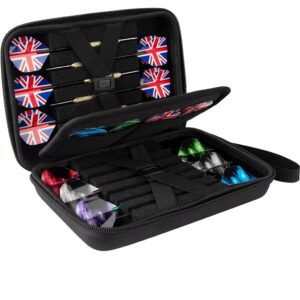
Store darts in a case or safe place when not in use. This helps protect the points, stops flights becoming crushed and keeps small parts together. Avoid leaving darts loose in bags or drawers where tips may cause damage.
Useful Accessories To Consider
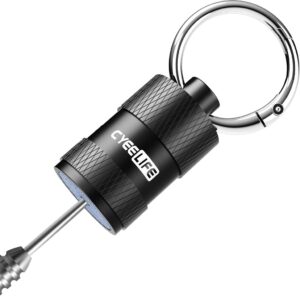
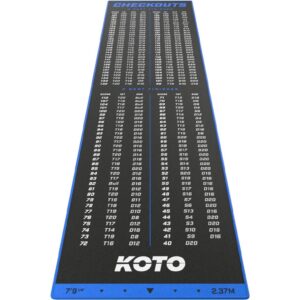
Useful darts accessories may include a dartboard, spare flights, spare shafts, replacement tips, a dart case, a checkout card, a scoreboard and a surround to help protect the wall where suitable.
For home setups, a dartboard cabinet or wall protection can make the playing area tidier and more practical. For regular players, spare flights and shafts are useful because these parts can wear or break during play.
If you travel to games, a compact case can help keep darts protected and ready to use.
Why Buy From YPC?
At YPC, we understand active lifestyles and the need for practical products that work in real use. Darts should suit your board, your throwing style and the way you plan to play, whether that means casual home games, regular practice or match style sessions.
This category helps you compare tip type, barrel style, grip, weight, flights, shafts, compatibility and useful accessories without overcomplicating the choice. Browse the darts at YPC, compare the available options and choose the set that suits your game.
FAQs
What darts should a beginner buy?
Beginners should look for darts that are compatible with their dartboard, comfortable to hold and easy to control. A simple, practical set is usually enough to start learning grip, aim and release.
What is the difference between steel tip and soft tip darts?
Steel tip darts have metal points and are usually used with bristle dartboards. Soft tip darts have plastic style tips and are usually used with compatible electronic dartboards.
Can I use steel tip darts on an electronic dartboard?
No, steel tip darts should not be used on electronic soft tip dartboards unless the product and board guidance specifically says otherwise. Use soft tip darts with compatible electronic boards.
Does dart weight matter?
Yes, dart weight can affect how the dart feels and flies. Some players prefer lighter darts, while others prefer heavier darts. The best weight depends on your throwing style and personal preference.
Are tungsten darts better than brass darts?
Tungsten darts are often chosen by regular players because tungsten can allow slimmer barrel designs depending on the product. Brass darts can still be a practical choice for beginners and casual play.
How do I know which grip style to choose?
Choose a grip style based on how you hold and release the dart. A textured barrel can offer more hold, while a smoother barrel may release more easily. Comfort and control matter most.
Do darts come with flights and shafts?
Many dart sets include flights and shafts, but contents vary by product. Always check the listing carefully to see what is included before buying.
How should I store darts safely?
Store darts in a case or secure place when not in use. This helps protect the tips and flights, keeps accessories together and reduces the risk of damage or injury.
 Getting ready for Summer? View our Home and Garden Products

Heading outdoors this winter? Take a look at our Outdoor Clothing.