
Dartboards
Dartboards are the main target boards used for indoor darts play, practice, and organised match setups.
Dartboards is the category for the main board used in a darts setup rather than the darts themselves or the surrounding accessories. It is mainly for you if you want a board for home play, regular practice, recreational use, or a more established indoor darts area.
Because dartboards come in several distinct formats, this category can involve more choice than it first appears. The sections below explain what belongs here, how the main board types differ, and what to think about before choosing.
- Dartboards
Ruthless | Home Darts Centre | Complete Home Dart Board Centre Including Cabinet, Dartboard and 2 Sets of Darts (Dragon)
Original price was: £44.95.£37.95Current price is: £37.95. *View On Amazon* - Dartboards
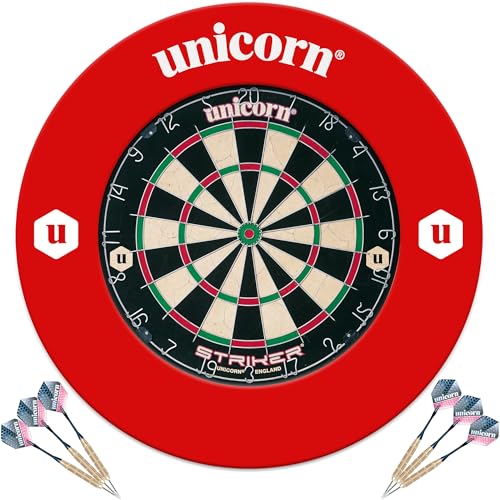
Unicorn Dartboard and Backboard Surround | Striker | Sisal Bristle Board and Lightweight Injection Moulded EVA Plastic Surround | with 2 Sets of Darts
Original price was: £98.95.£54.89Current price is: £54.89. *View On Amazon* - Dartboards
Ruthless Home Darts Centre | Complete Home Dart Board Centre Including Cabinet, Dartboard and 2 Sets of Darts (CAB518)
Original price was: £48.95.£37.95Current price is: £37.95. *View On Amazon* - Dartboards
Target Darts Aspar Dart Board | Steel Tip Dartboard with Self Recovering Sisal Bristles & Rotational Score Ring | Thin Wire Regulation Competition Size Dart Board Set | Professional Darts Accessories
Original price was: £59.95.£52.95Current price is: £52.95. *View On Amazon* - Dartboards
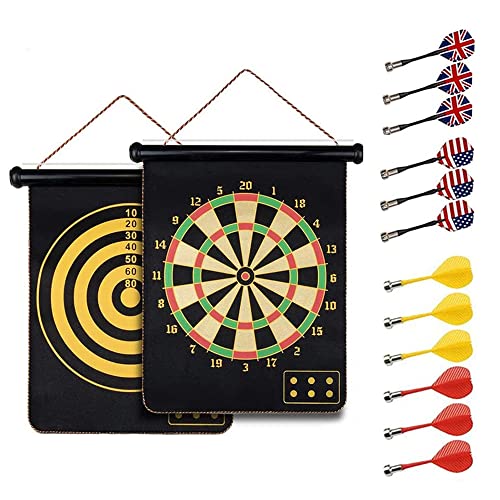
Esjay 18 inch Magnetic Dart Board Set, Safe Dart Game for Kids, Best Boy Toys Gift Indoor Outdoor Game with 12 Darts, Double Sided Large Size Dartboard for 8+ Years Old
Original price was: £32.99.£27.99Current price is: £27.99. *View On Amazon* - Dartboards
Red Dragon Razor Edge Professional Bristle Dartboard – Tournament-Grade Dart Board Target for Home, Game Room or Club | Durable Bristle Board with Slim Wire System | Easy Smart Set Up
Original price was: £37.90.£35.00Current price is: £35.00. *View On Amazon*




What This Category Includes
This category includes the main board products used for indoor darts. Within the hierarchy provided, that includes Professional Dartboards, Training Dartboards, Blade Dartboards, Bristle Dartboards, Electronic Dartboards, Cabinet Dartboards, Magnetic Dartboards, and Junior Dartboards.
Some boards are grouped by playing style, some by construction type, and some by the setting or audience they are intended to suit. Specifications vary — see individual product listings for details.
Key Functional Roles
The main role of a dartboard is to provide the target surface for indoor darts play. It forms the central piece of the playing area and gives structure to practice sessions, casual games, and more organised setups.
Different dartboard types support different kinds of use within the same category. Some are aimed at straightforward home recreation, while others are chosen for practice focus, junior use, or a more established indoor darts environment.
Typical Use Scenarios
Dartboards are commonly used in homes, games rooms, clubs, pubs, and indoor recreational spaces. Some are chosen for occasional social play, while others are better suited to more regular use or setups where darts is played more often.
The setting can make a difference to the kind of board that feels most appropriate. A family games room, a personal practice area, and a shared club style environment may all point towards different board formats within the category.
Buyer Considerations
A useful first step is to decide what sort of darts environment you are creating. If you are browsing for general home use, training, junior play, or a more established setup, that broad purpose can help narrow the category quickly.
It also helps to compare the main board formats rather than treating every dartboard as the same. Electronic, bristle, magnetic, cabinet, and training led options can serve different needs, so checking the product details for construction, format, and intended use is important before choosing.
Safety, Suitability and Best Practices
This is a low risk category, but it still makes sense to choose a board that suits the room, the people using it, and the style of darts setup you want to create. General good practice includes checking the listing carefully for the board type, the intended use, and any included parts.
If you are trying to keep the choice simple, starting with the setting and the type of use can make the category easier to navigate. Specifications vary — see individual product listings for details.
Category Boundaries
This category covers dartboards as the main target board product within a darts setup. It is the correct place for board types such as bristle, electronic, training, cabinet, magnetic, and junior dartboards.
It does not cover surrounding board area accessories or support items, which belong in Dartboard Surrounds, Dartboard Cabinets, Dartboard Stands and Mounting, Dartboard Lighting, and Dart Mats and Oche Equipment. It also does not cover the darts themselves, which belong in Dart Sets.
FAQs
What types of dartboards are included in this category?
This category includes a range of main board formats used for indoor darts. Within your hierarchy, that includes professional, training, blade, bristle, electronic, cabinet, magnetic, and junior dartboards.
How do I know which dartboard type is right for me?
Start with where the board will be used and who it is mainly for. Home recreation, practice focused setups, junior use, and more established playing spaces can all point towards different board formats.
Is a dartboard the same thing as a dartboard cabinet?
Not in this hierarchy. Dartboards are the main playing boards themselves, while Dartboard Cabinets sits as a separate category for cabinet based products.
Should I choose this category if I only need mounting or lighting items?
No. This category is for the board itself. Mounting and lighting belong in their own separate sibling categories.
Are training dartboards different from general dartboards?
They sit as a separate subcategory within the dartboards branch, so they are treated differently in the taxonomy. The individual listing is the best place to check the exact format and intended use.
Can I use this category if I want a board for a family or recreation room?
Yes. This category includes board formats that can suit home and recreational indoor spaces. The main thing is to check the product details and choose a type that matches the sort of setup you want.
Practical Insights and Real World Context
People with experience in darts usually think of the board as the anchor point of the whole setup. Once the board type is clear, the rest of the darts area becomes easier to organise, which is why this category needs to stay focused on the board itself.
That focus matters even more in a large hierarchy like yours. When boards, cabinets, surrounds, lighting, and mounting are all split into separate categories, a clean dartboards page helps people find the central product they need without drifting into support items too early.
How This Category Fits Into Your Gear and Equipment
Within the wider Darts structure, this category sits as the specialist branch for dartboards, separate from darts, board area accessories, mounting products, and other setup components.
 Getting ready for Summer? View our Home and Garden Products

Heading outdoors this winter? Take a look at our Outdoor Clothing.