
Cycling Accessories
Cycling accessories help riders make their bikes more useful, more comfortable and better prepared for everyday journeys, leisure rides, commuting, fitness cycling and family cycling. They are suitable for beginners, casual riders, commuters, road cyclists, mountain bikers, children, electric bike riders and anyone who wants practical products to support riding, storage, safety and maintenance.
The right cycling accessories depend on your bike type, riding style, journey length, weather, visibility needs, storage requirements, comfort, security, repair confidence and whether you ride on roads, cycle paths, trails, towpaths, parks or mixed everyday routes.
-

Cycling Bar Bags136 Products
-
Cycling Bells119 Products
-
Cycling Bottle Cages115 Products
-
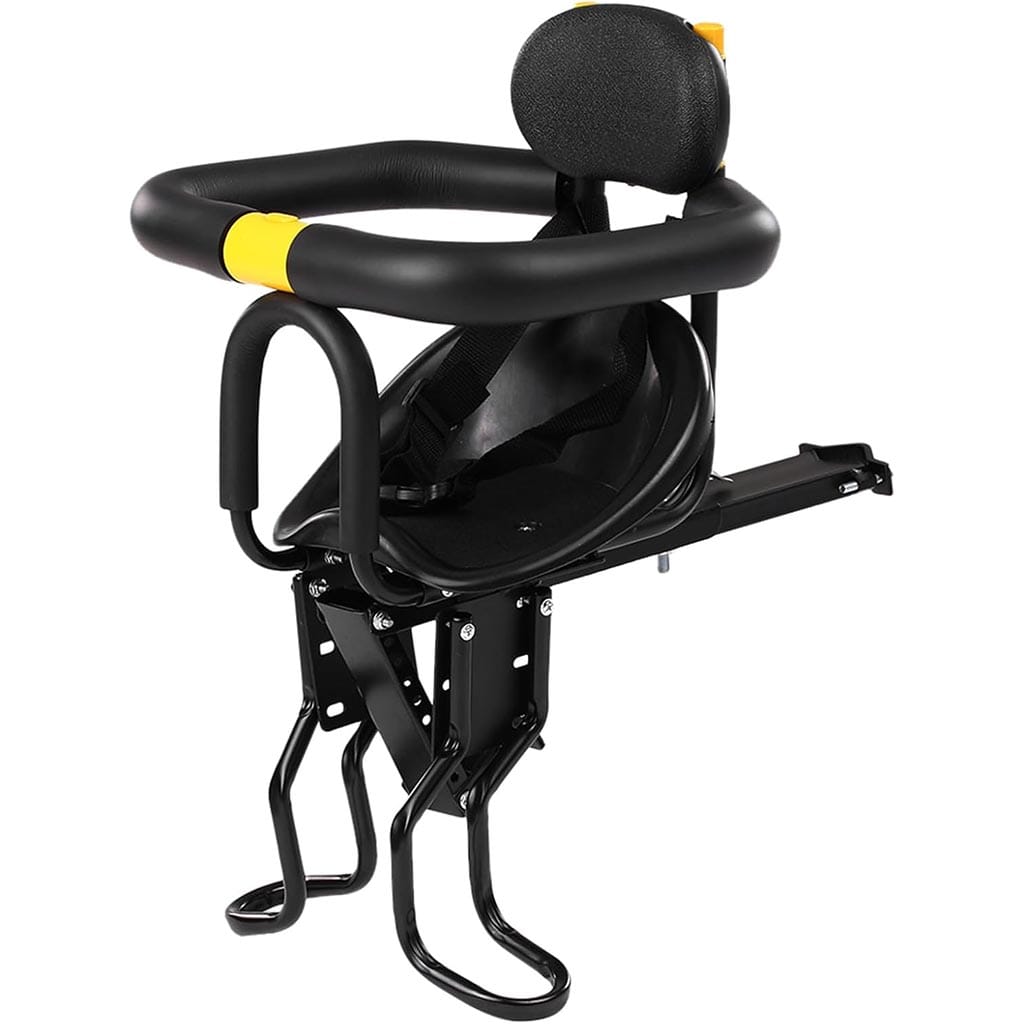
Cycling Child Seats99 Products
-
Cycling Computers163 Products
-
Cycling Drink Bottles103 Products
-
Cycling Lights158 Products
-
Cycling Mirrors156 Products
-
Cycling Mudguards135 Products
-
Cycling Pannier Bags135 Products
-
Cycling Pannier Racks43 Products
-
Cycling Pumps110 Products




What Are Cycling Accessories?
Cycling accessories are extra products used with a bike to improve safety, comfort, storage, visibility, repair ability, organisation or ride enjoyment. They are not always part of the bike itself, but they can make cycling much more practical.
This category can include helmets, lights, locks, bells, pumps, bottles, bottle cages, mudguards, bike bags, panniers, gloves, mirrors, phone mounts, repair kits, tyre levers, spare tubes, cleaning products and other useful items.
Good cycling accessories should solve real riding problems. They should make the bike easier to use, easier to look after or better suited to the rider’s normal journeys.
What Are Cycling Accessories Used For?
Cycling accessories are used to support riding before, during and after a journey. Some help with visibility, such as lights and reflectors. Some help with security, such as locks. Others help with comfort, storage, hydration, weather protection or repairs.
Accessories can also help riders prepare for common problems. A pump, spare tube, tyre levers and multi tool can make a puncture or minor adjustment easier to deal with away from home.
For regular riders, the right accessories can make cycling feel more dependable. A well prepared bike is more useful for commuting, family rides, fitness and leisure.
How To Choose The Right Cycling Accessories
Start by thinking about how you ride most often. A commuter may need lights, locks, mudguards and bags, while a mountain biker may focus more on gloves, hydration, repair tools and cleaning products.
Next, check compatibility with your bike. Accessories such as mudguards, racks, bottle cages, lights, bags, child seats, pumps and phone mounts may not fit every frame or handlebar setup.
Then think about priority. Safety and practicality usually come first. A helmet, lights, lock, pump and basic repair kit are often more useful than decorative items when setting up a bike for regular use.
Key Features To Compare
When comparing cycling accessories, look at intended use, bike compatibility, size, fit, weight, durability, weather suitability where listed, ease of fitting, storage size, security level where relevant and how easy the product is to use during real rides.
For wearable accessories, fit and comfort are important. Helmets, gloves, eyewear and clothing should suit the rider and not distract from control.
For bike mounted accessories, secure fitting matters. A loose light, bag, bottle cage or phone mount can rattle, move or fall during a ride.
Cycling Accessories Compared With Bike Components
Cycling accessories are usually add on items that improve convenience, comfort, safety or storage. Examples include lights, locks, pumps, bags and mudguards.
Bike components are the working parts of the bike, such as brakes, gears, wheels, tyres, chains, saddles, pedals and handlebars.
The two areas overlap in practice because accessories can affect how useful the bike feels, while components affect how the bike rides. Both should be chosen with compatibility and safety in mind.
Beginner, Regular Rider And Experienced Cyclist Guidance
Beginners should focus on useful essentials first. A properly fitted helmet, reliable lights, a suitable lock, a pump, spare tube and basic repair kit can make early cycling more confident and practical.
Regular riders may benefit from accessories that make repeated journeys easier. Bags, mudguards, gloves, bottle cages, cleaning products and maintenance tools can all become useful over time.
Experienced cyclists often compare weight, fit, mounting quality, battery life where listed, security rating where listed, storage layout, comfort, weather protection and how each accessory fits into their normal riding routine.
Cycling Accessories For Commuting
Commuting by bike usually needs practical accessories that can handle repeated use. Lights, locks, mudguards, bags, panniers, bells, reflective details and waterproof storage can all be useful.
A commuter setup should be quick and easy to use. Accessories that are difficult to fit, remove or charge may become frustrating during daily journeys.
Security is especially important for commuters. A suitable lock and sensible parking habits can help protect the bike when it is left at work, school, shops or stations.
Cycling Accessories For Leisure Riding
Leisure riding often focuses on comfort, convenience and simple preparation. Useful accessories may include helmets, lights, bells, baskets, bottles, gloves, small bags, pumps and repair basics.
For family rides, storage and comfort matter. Water bottles, snacks, spare layers and a small repair kit can help keep rides more relaxed.
Leisure accessories should not overcomplicate the bike. Choose items that support easy, enjoyable rides rather than adding unnecessary weight.
Cycling Accessories For Road Cycling
Road cyclists often value compact, lightweight and efficient accessories. Useful items may include bottle cages, cycling bottles, saddlebags, spare tubes, tyre levers, mini pumps, lights, gloves and cycling computers where suitable.
Longer road rides make preparation more important. A puncture, low light, changing weather or low energy can affect the ride quickly.
Accessories should be secure and streamlined. Loose bags, rattling tools or poorly mounted lights can become distracting on longer rides.
Cycling Accessories For Mountain Biking
Mountain biking can involve mud, rough ground, trail impacts and changing weather. Useful accessories may include helmets, gloves, hydration packs, knee pads, lights, repair tools, pumps, spare tubes, tubeless repair items where suitable, cleaning products and chain lubricant.
Trail riders should carry enough repair kit to deal with common issues away from the car or home. Tyre problems, loose bolts and chain issues can happen on rough routes.
Protective equipment and bike cleaning products are especially useful because mountain biking can be harder on both rider and bike than smooth road cycling.
Cycling Accessories For Electric Bikes
Electric bikes may need accessories such as locks, lights, panniers, mirrors, phone mounts, mudguards, chargers, waterproof storage, pumps and cleaning products where compatible.
Because electric bikes can be heavier and more valuable than standard bikes, security and storage should be considered carefully. A strong lock and safe parking habits are often important.
Accessory compatibility should always be checked. Electric bike frames, batteries, displays and cables can affect where bags, racks, lights and mounts can be fitted.
Cycling Accessories For Folding Bikes
Folding bikes often need compact accessories that do not interfere with the fold. Lights, locks, bags, pumps, bells and mudguards should be checked carefully for compatibility.
A folding bike accessory should remain practical when the bike is folded, carried or stored. A bag or bottle cage that prevents the bike folding properly may not be useful.
Commuters using folding bikes may also need a carry bag, storage cover or compact lock depending on how they travel.
Cycling Accessories For Children
Children’s cycling accessories should be chosen for fit, comfort and supervision. Helmets, bells, lights, reflective details, gloves, name labels, baskets and simple locks can all be useful.
A child’s helmet should fit properly and be adjusted before each ride. A helmet that is too loose, too small or worn incorrectly is not suitable.
Children grow quickly, so accessories should be checked regularly. Gloves, helmets, lights and bike fit can all become unsuitable as the child changes size or riding confidence.
Cycling Accessories For Family Rides
Family rides are easier when everyone has the right basic accessories. Helmets, bottles, snacks, spare layers, lights, locks, repair tools and small bags can make group cycling more organised.
The setup should suit the least experienced rider. Shorter routes, manageable storage and simple accessories can help keep rides relaxed.
For younger children, adult supervision and safe routes matter more than carrying too much kit. Accessories should support the ride, not make it complicated.
Helmets And Protective Accessories
Cycle helmets are widely used to help protect the head while cycling. A helmet should fit securely, sit level and feel comfortable enough to wear throughout the ride.
Other protective accessories may include gloves, eyewear, knee pads, elbow pads or reflective clothing depending on the riding style.
Protective accessories do not remove risk, so riders should still choose suitable routes, control speed and ride responsibly.
Bike Lights And Visibility Accessories
Bike lights are important for low light, night riding, poor weather and visibility in traffic. Front and rear lights help other people see the rider and can help the rider see the route where suitable.
Reflectors, reflective bands, high visibility details and bright clothing can also support visibility. These are useful for commuting, winter riding and family cycling.
Lights should be checked before each ride. Batteries, charging, mounts and switches should all be working before setting off.
Bike Locks And Security Accessories
Bike locks help protect bikes when they are parked or stored. The right lock depends on bike value, theft risk, parking location and how long the bike will be left unattended.
Some riders use more than one lock, especially in higher risk areas. Locking the frame to a fixed object where allowed is usually more secure than locking only a wheel.
Security accessories should be practical to carry. A very strong lock is less useful if it is so heavy or awkward that it is left at home.
Bike Bags, Panniers And Storage Accessories
Bike storage accessories help riders carry tools, clothing, shopping, work items, food, phones and ride essentials. Options can include saddlebags, frame bags, handlebar bags, panniers, baskets and backpacks.
The best storage choice depends on what you need to carry. A small saddlebag may suit tools and a tube, while panniers may suit commuting or shopping.
Bags should be securely fitted and should not interfere with pedalling, braking, steering or the bike’s fold where relevant.
Pumps, Puncture Kits And Repair Accessories
Pumps, spare tubes, tyre levers and puncture repair kits are useful for dealing with flat tyres. They are especially important for commuting, road cycling, mountain biking and longer rides.
A pump should match the valve type and tyre pressure needs where listed. Spare tubes should match the wheel size, tyre width and valve type.
Basic repair accessories can turn a ride ending problem into a manageable delay. Riders should also learn how to use them before they are needed.
Multi Tools And Maintenance Accessories
Cycling multi tools can help with small adjustments, loose bolts and simple ride side fixes where suitable. They are useful for regular riders, commuters and mountain bikers.
A multi tool should match the bolts and parts on the bike. Not every tool includes every size or function, so product details should be checked.
For larger repairs, specialist tools or a cycle mechanic may be needed. Safety critical work on brakes, steering and wheels should be handled carefully.
Mudguards And Weather Accessories
Mudguards help reduce spray from wet roads, puddles and muddy paths. They are especially useful for commuting, winter riding and everyday cycling.
Weather accessories can also include waterproof bags, rain covers, cycling jackets, overshoes and gloves where suitable.
Compatibility matters. Mudguards need to fit the frame, fork, wheel size and tyre clearance. Not every bike can accept every mudguard design.
Bottles, Bottle Cages And Hydration
Water bottles and bottle cages help riders carry fluids more easily. They are useful for fitness riding, road cycling, commuting, mountain biking and family rides.
A bottle cage should fit the bike’s mounting points where available. Some bikes may need alternative mounting solutions where suitable.
Hydration needs depend on ride length, weather, effort and rider preference. Longer or warmer rides usually need more careful planning.
Bells, Mirrors And Awareness Accessories
Bells can be useful on shared paths, parks and towpaths because they help alert pedestrians and other path users politely.
Mirrors can help some riders see behind more easily, especially commuters, leisure riders and electric bike users where suitable. They should be fitted securely and positioned correctly.
Awareness accessories support riding, but they do not replace looking, listening and making safe decisions.
Phone Mounts, Computers And Navigation
Phone mounts and cycling computers can help with navigation, speed, distance, route tracking or training where suitable. They should be securely attached and easy to read without distracting the rider.
A phone mount should fit the handlebar and protect the device as needed. Weather protection may also be important.
Navigation accessories are useful, but riders should not stare at screens while cycling. Route awareness and safe control come first.
Child Seats, Trailers And Family Carrying Accessories
Some cycling accessories are designed for carrying children or family equipment where suitable. These can include child seats, trailers, tag along bikes and cargo accessories where listed.
Compatibility and safety are especially important. Not every child seat or trailer fits every bike, and weight limits where listed should be followed.
Children should use suitable helmets and be carried only in products designed for that purpose. Product guidance and local rules should always be followed.
Cycle Clothing Accessories
Cycle clothing accessories can improve comfort in different weather and riding conditions. Gloves, socks, overshoes, neck warmers, arm warmers, leg warmers and rain covers can all be useful.
Gloves can help with grip, warmth and hand comfort. Eyewear can help protect against wind, insects, dust and bright light where suitable.
Clothing accessories should allow movement and not interfere with braking, steering or visibility.
Cleaning Products And Bike Care Accessories
Cleaning products help keep bikes in better condition. Brushes, cleaners, degreasers, chain lubricant, cloths and storage products can all support regular maintenance.
A clean bike is easier to inspect. Wear, loose parts, tyre damage and chain problems are easier to spot when dirt is removed.
Cleaning products should be used according to product guidance. Avoid harsh methods that could affect bearings, brakes, electrical parts or frame finishes.
Accessory Compatibility And Bike Fit
Not every cycling accessory fits every bike. Frame shape, wheel size, handlebar diameter, seatpost size, tyre clearance, rack mounts and brake type can all affect compatibility.
Before buying, check your bike and product details. This is especially important for racks, mudguards, child seats, lights, phone mounts, bottle cages and bags.
Accessories should not create safety problems. They should be secure, clear of moving parts and suitable for the rider’s normal use.
Weight, Portability And Everyday Use
Accessories add weight. A bike with too many add ons can become harder to ride, lift, carry or store.
Choose accessories that solve real problems. A commuter may need more kit than a short leisure rider, while a mountain biker may need more repair equipment than a park cyclist.
Portability matters too. If you need to remove lights, carry a lock or pack tools, make sure the accessory is practical enough to use regularly.
Safety When Using Cycling Accessories
Cycling accessories should be fitted securely and checked often. Loose lights, bags, racks, bottles, mirrors or tools can create hazards if they move during a ride.
Accessories should not block brakes, wheels, gears, steering or visibility. They should also not catch clothing, straps or loose items.
Riders should test new accessories in a quiet area before relying on them on busy roads, trails or commutes.
Road Rules, Shared Paths And Responsible Riding
Accessories can help with visibility, signalling awareness and comfort, but responsible riding still depends on the rider.
Follow road rules, trail signs and local guidance. On shared paths, slow down around pedestrians, dogs, children and other cyclists.
Use bells, lights and mirrors considerately. Accessories should improve safety and communication, not encourage careless riding.
Care, Cleaning And Storage
Cycling accessories should be cleaned and stored according to product guidance. Rain, mud, sweat, road spray, salt and grit can affect lights, bags, locks, gloves, tools and bike mounted items.
Wet clothing, gloves and bags should be dried properly. Damp storage can cause smells and reduce comfort.
Lights should be charged, locks should be checked, tools should be stored safely and bags should be emptied of food or damp items after rides.
Useful Accessories To Consider
Useful cycling accessories include helmets, lights, locks, bells, pumps, spare tubes, tyre levers, multi tools, bottle cages, water bottles, mudguards, bags, panniers, gloves, mirrors, phone mounts, cleaning products and chain lubricant.
For commuters, locks, lights, mudguards and bags are often essential. For leisure riders, bottles, bells and comfort items may be useful. For trail riders, repair kits, gloves and cleaning products are especially practical.
The best accessory setup is one where safety, comfort, storage and maintenance all support the way you actually ride.
Why Buy Cycling Accessories From YPC?
At YPC, we understand active lifestyles and the need for practical products that work in real use. Cycling accessories should be chosen carefully because fit, compatibility, visibility, storage, comfort and maintenance all affect how useful they are.
Browse the Cycling Accessories category at YPC to compare available options, check the details that suit your bike and riding style and choose accessories that help make cycling more practical, organised and enjoyable.
Cycling Accessories FAQs
What are cycling accessories?
Cycling accessories are products used with a bike to improve safety, comfort, storage, visibility, repair ability or convenience.
They can include helmets, lights, locks, pumps, bags, bottles, mudguards, gloves, tools and cleaning products.
What cycling accessories do beginners need?
Beginners often benefit from a helmet, lights, lock, pump, spare tube, tyre levers, basic repair kit and comfortable clothing.
The exact accessories depend on where and how the rider plans to cycle.
What accessories are useful for commuting?
Useful commuting accessories include lights, a strong lock, mudguards, panniers or bags, visible clothing, a pump, spare tube and basic tools.
Weather clothing and waterproof storage can also be useful for regular riders.
What accessories are useful for road cycling?
Road cyclists often use bottle cages, cycling bottles, lights, saddlebags, spare tubes, tyre levers, mini pumps, gloves and compact multi tools.
Longer rides may also need snacks, weather layers and navigation accessories.
What accessories are useful for mountain biking?
Mountain bikers may need helmets, gloves, hydration packs, repair tools, pumps, spare tubes, tyre repair items, cleaning products and protective pads where suitable.
Trail riding often needs more preparation than short road rides.
What accessories are useful for children’s bikes?
Useful accessories for children’s bikes include helmets, bells, lights, reflectors, gloves, name labels, baskets, locks and basic maintenance items.
Fit, supervision and safe routes remain the most important factors.
Do I need bike lights?
Bike lights are important for low light, night riding, poor weather and visibility. They help other people notice the rider and can help with seeing the route where suitable.
Check lights before every ride.
Do I need a bike lock?
A bike lock is useful whenever the bike may be left unattended. The right lock depends on the bike value, location and theft risk.
A stronger lock may be needed for public parking or longer stops.
Do I need mudguards?
Mudguards are useful for wet roads, commuting and everyday cycling because they reduce spray from tyres.
Check that mudguards are compatible with your bike frame and tyre clearance.
What pump do I need for my bike?
Choose a pump that matches your tyre valve type and pressure needs where listed. Some riders use a floor pump at home and a compact pump on rides.
Check tyre pressure regularly.
What should I carry for punctures?
A spare tube, tyre levers, pump and puncture repair kit are useful for many riders. The spare tube must match the wheel size, tyre width and valve type.
Practising at home can make repairs easier on the road.
Are bike bags useful?
Yes, bike bags are useful for carrying tools, clothing, food, work items, phones and small essentials. Options include saddlebags, frame bags, handlebar bags, panniers and baskets.
Choose storage that fits the bike and ride style.
Are bottle cages worth fitting?
Bottle cages are useful for carrying water on commutes, fitness rides, family rides and longer routes. They keep drinks easy to reach.
Check whether your bike has suitable mounting points.
Are cycling gloves useful?
Cycling gloves can improve grip, warmth and hand comfort. They may also help on longer rides or rougher ground.
Choose gloves that suit the weather and riding style.
Are bike mirrors useful?
Bike mirrors can be useful for some riders, especially commuters, leisure riders and electric bike users. They can help with awareness behind the rider.
They should be fitted securely and positioned correctly.
Are phone mounts safe for cycling?
Phone mounts can be useful for navigation when fitted securely and used sensibly. The rider should not become distracted by the screen.
Weather protection and device security should be considered.
Can accessories fit any bike?
No, accessories do not fit every bike. Frame shape, handlebar size, wheel size, seatpost size, rack mounts and tyre clearance can all affect compatibility.
Always check product details before buying.
How do I stop accessories rattling or moving?
Fit accessories securely according to product guidance and check mounts regularly. Loose straps, clips or bolts can cause rattling.
Remove or adjust accessories that move during riding.
How should I look after cycling accessories?
Clean and dry accessories after wet or muddy rides. Charge lights, check locks, dry gloves and bags, and store tools safely.
Regular checks help keep accessories ready for the next ride.
What should I check before buying cycling accessories?
Check intended use, bike compatibility, size, fit, mounting method, durability, weather suitability where listed, storage needs and whether the accessory solves a real riding problem.
The right cycling accessories should make your rides safer, more comfortable, better organised and easier to manage.
 Getting ready for Summer? View our Home and Garden Products

Heading outdoors this winter? Take a look at our Outdoor Clothing.