
Cycling Shop
Cycling shop products cover the bikes, clothing, safety equipment, storage items, tools and accessories used for everyday cycling, fitness rides, commuting, family cycling, leisure routes and more regular road or trail use. They are suitable for beginners, casual riders, children, commuters, fitness cyclists and experienced riders who want practical equipment that supports comfort, control and confidence.
The right cycling equipment depends on how and where you ride, the type of bike you use, rider size, journey length, weather, storage needs, visibility, comfort, maintenance requirements and whether the products are intended for road cycling, mountain biking, commuting, touring, indoor training or family use.
-

Bikes1,099 Products
-
Cycling Accessories1,472 Products
-
Cycling Clothing1,196 Products
-
Cycling Helmets161 Products
-
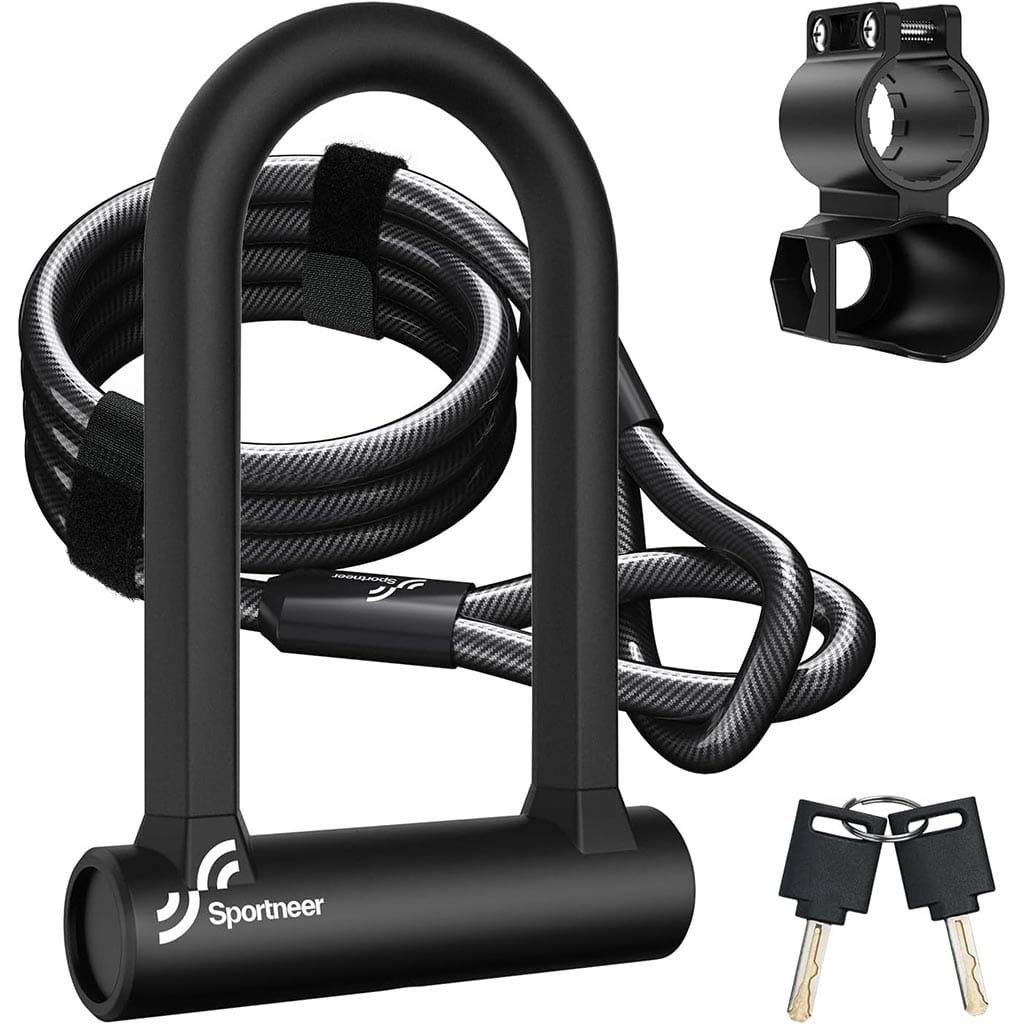
Cycling Locks130 Products
-
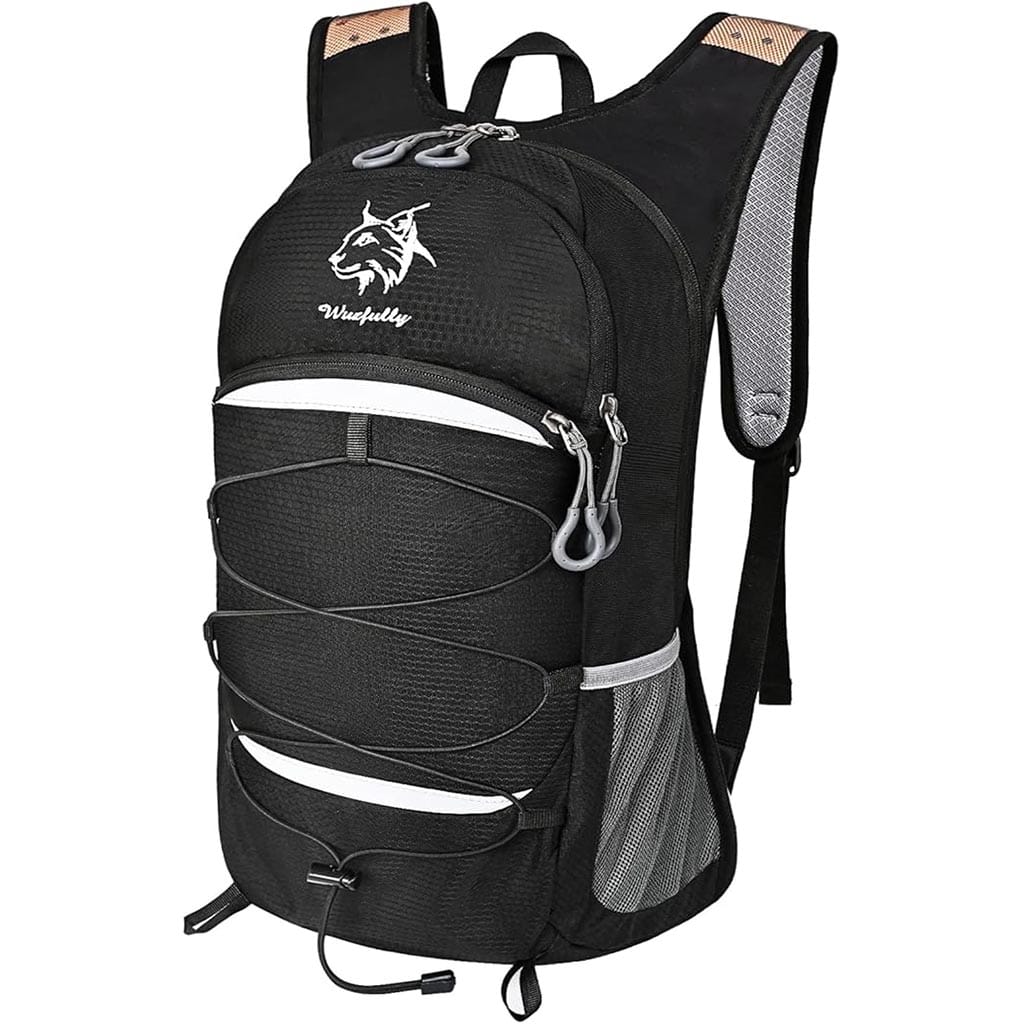
Cycling Rucksacks130 Products
-
Electric Scooters160 Products
-
Hoverboards75 Products
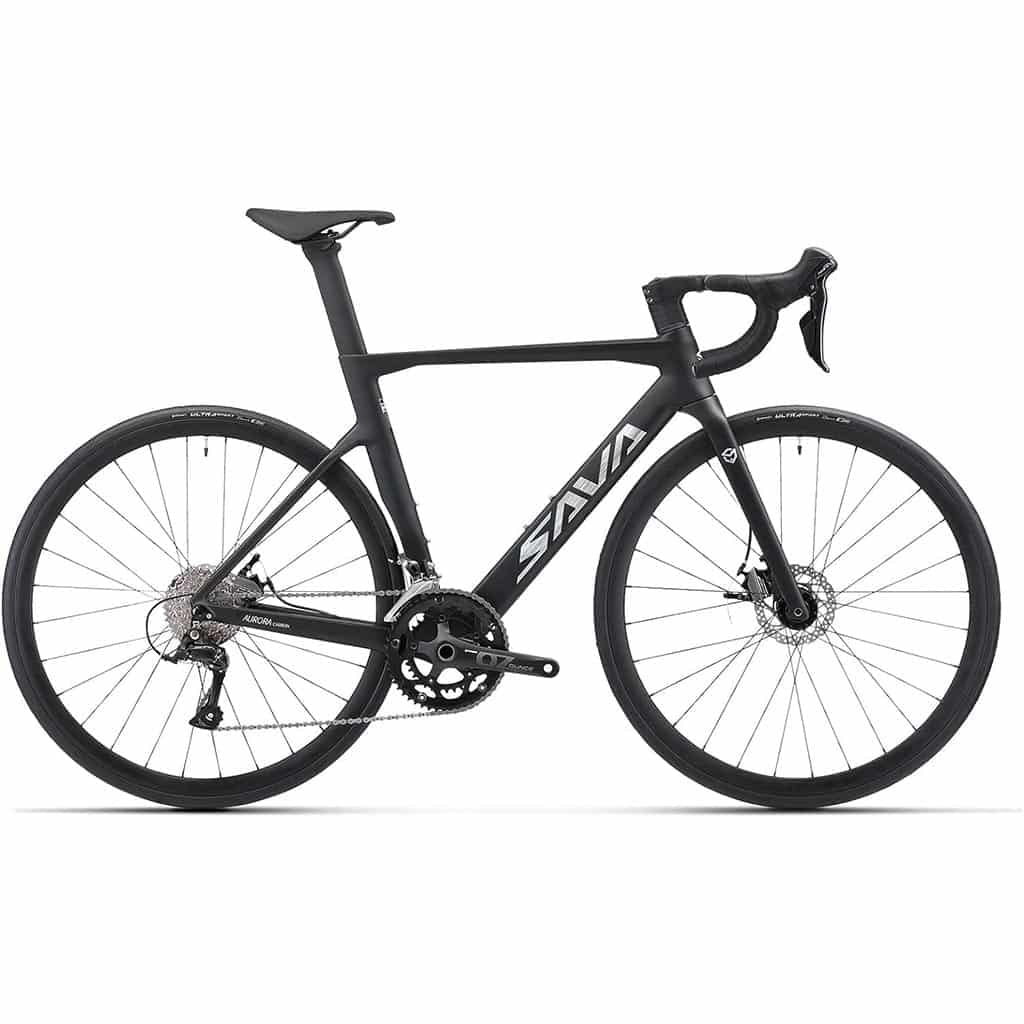
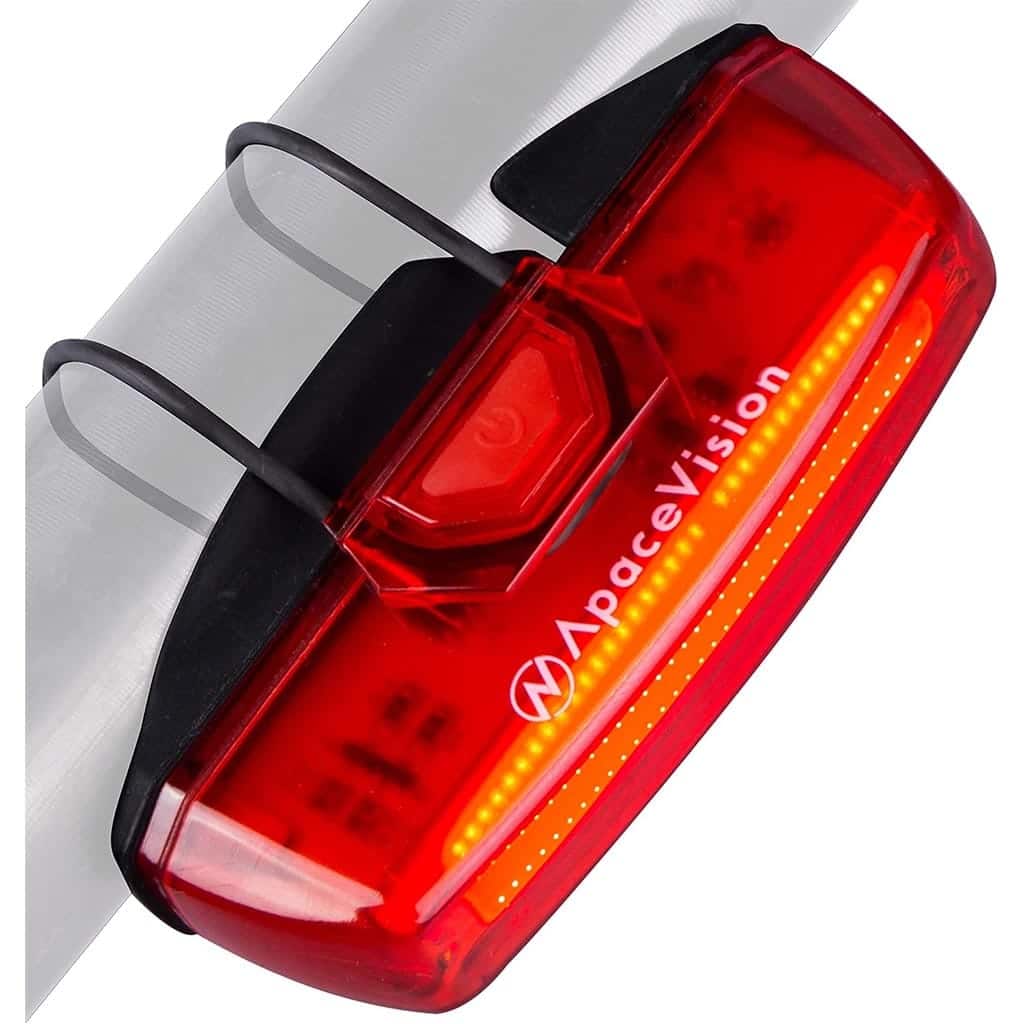
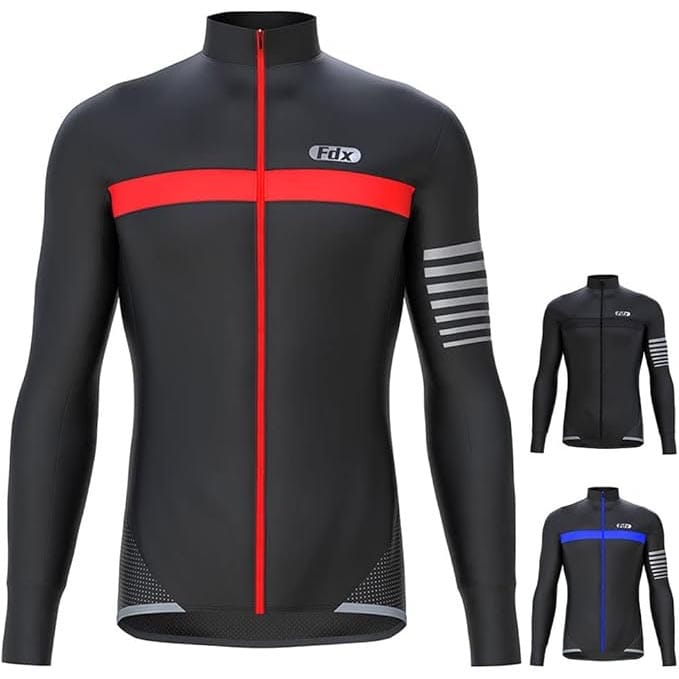
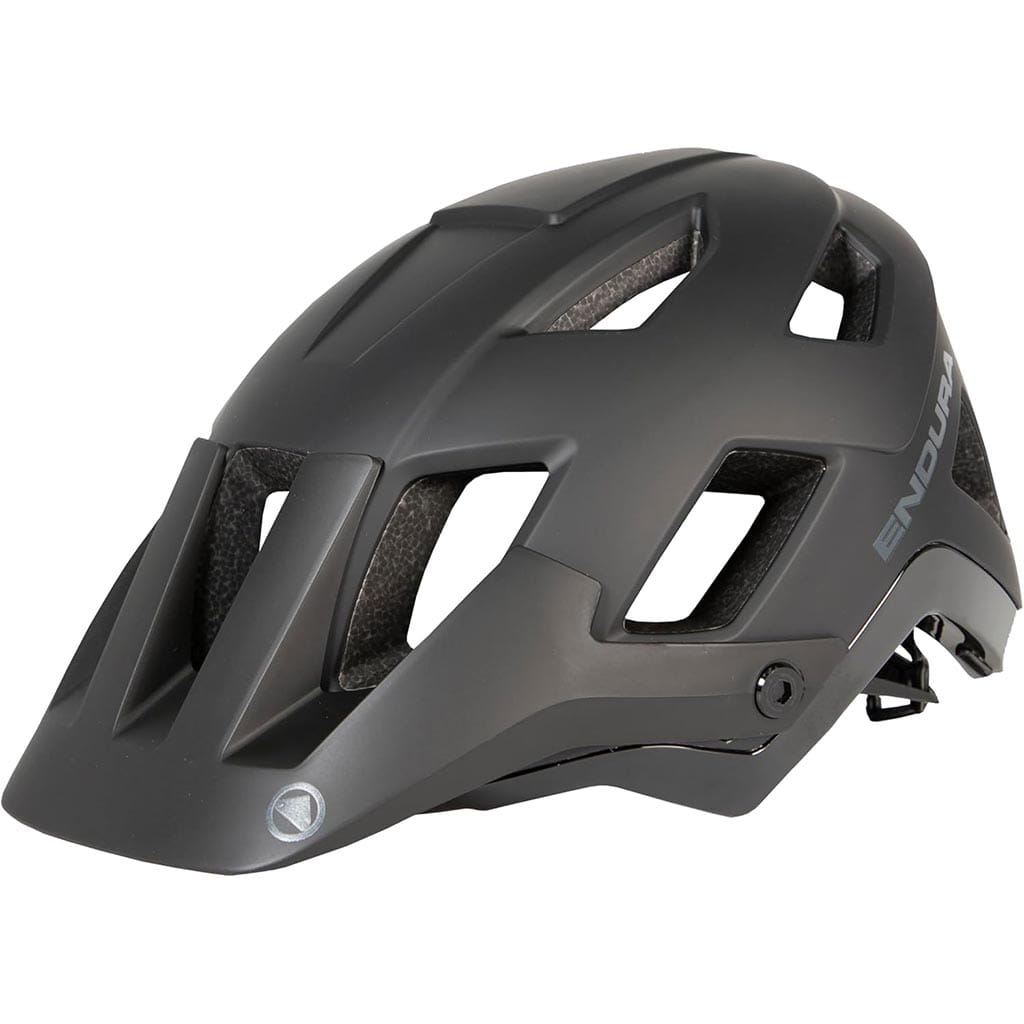
What Is A Cycling Shop?
A cycling shop category brings together the main products riders need before, during and after a ride. This can include bikes, helmets, lights, locks, pumps, clothing, gloves, shoes, bags, bottles, tools, cleaning products, tyres, tubes, child cycling accessories and maintenance equipment.
Cycling products should be chosen around real use. A short ride to the shops needs different kit from a long weekend road ride, a woodland trail route or a daily commute in mixed weather.
Good cycling equipment helps make rides more comfortable, more organised and easier to manage. It also helps riders keep their bikes in better condition over time.
What Are Cycling Products Used For?
Cycling products are used to help riders travel, exercise, explore, commute, train and enjoy time outdoors. Bikes and components provide the main ride setup, while accessories support safety, storage, repair, hydration and comfort.
Helmets, lights, reflectors and visible clothing can support safer riding. Locks, bags, racks and storage items help with everyday practicality. Pumps, tools and cleaning products help riders deal with basic maintenance.
Clothing and contact point accessories can make a big difference to comfort. Gloves, padded shorts, cycling jackets, socks, grips and saddles can all affect how enjoyable a ride feels.
How To Choose The Right Cycling Equipment
Start by thinking about your main type of riding. Commuters may prioritise lights, locks, mudguards and bags, while fitness riders may care more about clothing, hydration and tyre choice. Trail riders may need more durable accessories and protective equipment.
Next, consider rider fit and comfort. Bike size, saddle position, clothing fit, helmet size and glove comfort all affect the ride experience.
Then think about storage and maintenance. A rider who cycles regularly will usually benefit from a pump, spare tubes, tyre levers, chain lubricant and basic cleaning products.
Key Features To Compare
When comparing cycling products, look at intended use, size, fit, compatibility, weight, durability, weather suitability where listed, visibility features where listed, storage capacity, ease of fitting, cleaning needs and whether tools or setup are required.
Compatibility is especially important. Accessories such as lights, racks, mudguards, bottles, pedals, tyres, tubes and child seats may not fit every bike.
Comfort should not be overlooked. A technically good product is less useful if it is awkward to wear, difficult to fit or unsuitable for the rider’s usual journeys.
Cycling Shop Products Compared With General Outdoor Gear
Some general outdoor products can be useful for cycling, but cycling specific products are usually designed around riding position, movement, bike compatibility and road or trail conditions.
For example, a cycling jacket may be shaped for leaning forward on the bike, while a normal waterproof jacket may bunch up or restrict movement. Cycling bags may attach to frames, racks or handlebars, while ordinary bags may not sit securely.
Choose cycling specific equipment when fit, movement, visibility or bike attachment matters.
Beginner, Regular Cyclist And Experienced Rider Guidance
Beginners should focus on essentials first. A suitable bike, helmet, lights, lock, pump, basic tools and comfortable clothing can be more useful than buying too much specialist equipment straight away.
Regular cyclists may benefit from more organised kit. Spare tubes, puncture tools, weather clothing, bottle cages, bags, cleaning supplies and maintenance items can make rides smoother.
Experienced riders often compare weight, fit, compatibility, storage layout, tyre performance, tool quality, clothing breathability, visibility, weather protection and how each product fits into their regular riding routine.
Cycling Equipment For Commuting
Cycling to work or school often needs practical everyday equipment. Lights, locks, mudguards, bags, racks, reflective details, waterproof clothing and repair basics can all be useful.
A commuter setup should be reliable and easy to use. Products that take too long to fit, remove or maintain may become frustrating during daily rides.
Storage matters too. A backpack, pannier, frame bag or rack bag can help carry clothing, food, laptops, documents or shopping depending on the rider and bike.
Cycling Equipment For Road Cycling
Road cycling often focuses on efficiency, comfort and distance. Riders may look for suitable helmets, gloves, shorts, jerseys, bottles, pumps, spare tubes, tyre tools and compact storage.
Fit and comfort become more important as ride distance increases. Small problems with clothing, saddle comfort, gloves or shoe fit can become more noticeable over longer rides.
Road cyclists should also think about visibility, hydration and basic roadside repair. A puncture kit and pump can be very useful away from home.
Cycling Equipment For Mountain Biking
Mountain biking can place extra demands on riders and equipment. Trails, mud, roots, stones, jumps and rough ground can all affect what accessories are useful.
Protective equipment, gloves, suitable helmets, stronger lights, hydration packs, mud protection, cleaning products and repair tools may all be worth considering.
Mountain bike products should match the type of riding. Gentle woodland paths need different equipment from more technical trails or downhill riding.
Cycling Equipment For Leisure And Family Rides
Leisure cycling is often about comfort, ease and enjoyment. Family rides, park routes, cycle paths and short weekend trips benefit from simple practical kit.
Useful items may include helmets, lights, bottle cages, baskets, child seats where suitable, locks, bells, pumps, gloves and basic weather clothing.
Family cycling also needs organisation. Spare layers, snacks, water bottles, small tools and clear storage can help keep rides relaxed and enjoyable.
Cycling Equipment For Children
Children’s cycling equipment should be chosen for fit, comfort and supervision. Helmets should fit properly, bikes should be the right size and clothing should allow movement.
Children grow quickly, so size should be checked regularly. A helmet, bike or jacket that fitted last year may no longer be suitable.
Safety habits are important from the start. Children should learn to check brakes, use lights where needed, wear suitable protection and ride under appropriate adult guidance.
Cycling Equipment For Fitness And Training
Fitness riders may focus on comfort, consistency and performance support. Clothing, gloves, bottles, bike computers, indoor trainers, maintenance tools and repair equipment can all be useful.
Training rides often involve repeated use, so durability and comfort matter. Products should be easy to clean, easy to fit and reliable enough for frequent rides.
Hydration and recovery planning are also important. Bottle cages, cycling bottles, storage bags and weather clothing can help riders stay better prepared.
Bike Types And Riding Style
Different bikes suit different riding styles. Road bikes, mountain bikes, hybrid bikes, electric bikes, folding bikes, gravel bikes and children’s bikes all have different uses.
The accessories you choose should match the bike. Tyres, tubes, mudguards, racks, lights, locks and bags may have different fitting requirements depending on frame design and wheel size.
Choose products based on the bike you own and the riding you actually do. This helps avoid buying accessories that do not fit or do not solve a real need.
Cycle Helmets And Head Protection
Cycle helmets are designed to help protect the head during cycling. A helmet should fit securely, sit correctly and feel comfortable enough to wear throughout the ride.
Helmet size and adjustment matter. A helmet that moves around, sits too far back or feels painful is not suitable.
Some clubs, events, schools or activity providers may require helmets. Always check rules and guidance for the cycling environment you are using.
Bike Lights, Reflectors And Visibility
Bike lights help riders see and be seen in low light, poor weather and night riding where suitable. Reflectors and visible clothing can also support road presence.
Lighting needs depend on where and when you ride. A short urban commute may need different lighting from unlit lanes, trails or winter evening rides.
Lights should be charged or checked before use. A light with a flat battery is not useful when visibility drops.
Bike Locks And Security
Bike locks help protect bikes when they are parked or stored. The right lock depends on bike value, location, time left unattended and how the lock will be carried.
A compact lock may be easy to carry, while a heavier lock may provide more confidence in higher risk areas where suitable. Some riders use more than one lock for extra security.
Locks should be used carefully. Secure the bike to a fixed object where allowed and avoid leaving removable accessories exposed if theft risk is high.
Cycling Clothing And Weather Protection
Cycling clothing helps riders manage movement, temperature, rain, wind and visibility. This can include jackets, jerseys, shorts, tights, gloves, socks, overshoes and base layers.
Weather can change during a ride, so layering is useful. A lightweight jacket or extra layer can make a big difference in wind or rain.
Fit matters because cycling involves repeated movement. Clothing should not rub, bunch, flap excessively or restrict pedalling.
Cycling Gloves, Shorts And Contact Point Comfort
Cycling comfort often depends on contact points. Hands, seat area and feet can all become uncomfortable if equipment is not suitable.
Gloves can help with grip, warmth and hand comfort. Padded shorts can help on longer rides. Socks and shoes can affect foot comfort and pedalling feel.
Small comfort upgrades can make regular cycling more enjoyable, especially for riders increasing distance or frequency.
Bike Bags, Baskets And Carrying Gear
Bike storage products help riders carry essentials without overloading pockets. Options can include saddlebags, frame bags, handlebar bags, panniers, baskets and backpacks.
The right choice depends on what you carry. Tools and tubes need compact storage, while commuting or shopping may need larger bags or panniers.
Bags should be secure and compatible with the bike. Poorly fitted storage can move, rub or affect handling.
Pumps, Puncture Repair And Roadside Tools
A pump, spare tube, tyre levers and puncture repair items can help riders deal with common problems away from home. These are useful for commuters, leisure riders and regular cyclists.
The pump should suit the tyre valve type and pressure needs where listed. Tyre levers should be strong enough for the tyres being used.
Basic tools can also help with small adjustments. However, important mechanical work should be done carefully, and specialist help may be needed for brakes, gears or safety critical parts.
Bike Maintenance And Cleaning
Regular maintenance helps keep a bike safer, smoother and more enjoyable to ride. Cleaning, chain lubrication, tyre pressure checks and brake checks are simple habits that can make a difference.
Cleaning products, brushes, lubricants and degreasers should be chosen for bike use and applied according to product guidance.
A clean bike is easier to inspect. Wear, damage, loose parts and tyre problems are easier to spot before they become bigger issues.
Tyres, Tubes And Wheel Accessories
Tyres and tubes should match the bike, wheel size and riding style. Road, trail, hybrid and commuter tyres can have different tread, width and pressure needs.
Tube compatibility depends on wheel size, tyre width and valve type. Always check details before buying replacements.
Riders who cycle regularly may benefit from carrying a spare tube and knowing how to change it. This can prevent a minor puncture from ending the ride.
Hydration, Nutrition And Ride Preparation
Cycling can be physically demanding, especially over longer distances or in warm weather. Water bottles, bottle cages and hydration packs can help riders carry fluids more easily.
For longer rides, riders may also need snacks, energy foods or planned stops depending on distance and effort.
Preparation should match the ride. A short local trip may need very little, while a longer route should include water, repair items, weather clothing and route planning.
Indoor Cycling And Training Accessories
Indoor cycling products can support fitness training at home or in a gym setting. This may include turbo trainers, rollers, mats, fans, sweat protection, bottles and device mounts where suitable.
Indoor riding still needs comfort and setup. Saddle height, ventilation, hydration and stable bike positioning all matter.
Products should be compatible with the bike and training space. Check size, fitting and floor protection before use.
Electric Bike Accessories
Electric bikes may need accessories such as locks, lights, bags, chargers, displays, mirrors and weather protection where compatible. They can also be heavier than standard bikes, so storage and security matter.
Compatibility should be checked carefully. Not every rack, stand, mudguard or bag fits every electric bike.
Battery care should follow the bike or battery manufacturer guidance. Charging, storage and transport should be handled responsibly.
Bike Fit, Sizing And Comfort
Bike fit affects comfort, control and confidence. Saddle height, handlebar position, reach and frame size all influence how the bike feels.
Accessories should support comfort rather than compensate for a badly fitting bike. Saddles, grips, pedals and clothing can help, but major fit problems may need proper adjustment.
If a rider experiences repeated pain, numbness or discomfort, the bike setup should be checked before buying more accessories.
Cycling Safety And Responsible Riding
Cycling safety depends on equipment, rider behaviour, route choice and awareness. Brakes, tyres, lights, helmet fit and visibility should all be checked regularly.
Riders should follow road rules, trail rules and local guidance. Shared paths require consideration for pedestrians, dogs, children and other cyclists.
Equipment helps, but good judgement matters too. Ride at a speed suitable for the conditions and keep the bike under control.
Cycling For All Weather
Cycling in UK conditions often means wind, rain, cold mornings, bright sun and changing light. Weather suitable kit can make rides more manageable.
Waterproof features where listed, gloves, overshoes, mudguards and visible clothing can all help in wet or darker conditions.
Riders should adapt to the weather. Poor visibility, ice, strong wind and heavy rain can all change what is safe or comfortable.
Storage At Home And Transport
Bikes and cycling equipment need sensible storage. Wall mounts, floor stands, bike covers, bags and tool storage can help keep kit organised.
At home, keep bikes dry where possible and avoid leaving them where they can fall or block walkways. Damp storage can affect components over time.
For transport, bike racks, bags and protective covers may be useful where compatible. Always check fitting and vehicle guidance before carrying bikes.
Avoiding Common Cycling Buying Mistakes
One common mistake is buying accessories that do not fit the bike. Always check compatibility before choosing racks, mudguards, tyres, tubes, bottles and lights.
Another mistake is focusing only on price or appearance. Comfort, fit, safety and durability are often more important for regular use.
A third mistake is forgetting maintenance. A bike needs air, lubrication, cleaning and checks to remain enjoyable and reliable.
Care, Cleaning And Storage
Cycling equipment should be cleaned and stored according to product guidance. Mud, road spray, rain, sweat, salt and grit can affect clothing, tools, lights, bags and bike parts.
Wet clothing, gloves and shoes should be dried properly. Damp kit left in bags can smell unpleasant and may become less comfortable.
Lights should be charged, tools should be stored safely and the bike should be checked before the next ride.
Useful Accessories To Consider
Useful cycling accessories include helmets, lights, locks, pumps, spare tubes, tyre levers, multitools, cleaning brushes, chain lubricant, water bottles, bottle cages, gloves, bags, mudguards, bells, mirrors, repair kits and weather clothing.
For families, children’s helmets, child seats where suitable, balance bike accessories, name labels and simple storage can be useful. For commuters, locks, lights, panniers and waterproof layers are often practical.
The best cycling setup is one where bike, clothing, safety equipment, storage and maintenance products all work together.
Why Buy Cycling Products From YPC?
At YPC, we understand active lifestyles and the need for practical products that work in real use. Cycling products should be chosen carefully because fit, compatibility, visibility, comfort, storage and maintenance all affect how useful they are.
Browse the Cycling Shop category at YPC to compare available options, check the details that suit your riding style and choose cycling equipment that helps make rides more comfortable, organised and enjoyable.
Cycling Shop FAQs
What is a cycling shop category?
A cycling shop category brings together bikes, accessories, clothing, safety equipment, repair tools, storage products and maintenance items for cyclists.
It helps riders find equipment for commuting, leisure riding, training, family cycling and outdoor use.
What cycling equipment do beginners need?
Beginners usually need a suitable bike, helmet, lights, lock, pump, spare tube or puncture kit, basic tools and comfortable clothing.
The exact kit depends on where and how they plan to ride.
What should I buy for commuting by bike?
Commuters often need lights, a lock, mudguards, a bag or pannier, visible clothing, waterproof layers, a pump and basic repair kit.
A reliable everyday setup is more useful than carrying too much unnecessary kit.
What should I buy for family cycling?
Family cycling may need children’s helmets, lights, locks, bottles, snacks, bags, child seats where suitable, basic tools and weather layers.
Choose routes and equipment that match the youngest or least confident rider.
What cycling accessories are most useful?
Useful cycling accessories include lights, locks, pumps, bottle cages, bags, gloves, mudguards, bells, spare tubes, tyre levers and multitools.
The most useful items depend on ride length and cycling style.
Do I need a cycle helmet?
A cycle helmet is widely used for head protection and may be required by some schools, clubs, events or activity providers.
Choose a helmet that fits properly and is suitable for cycling.
How should a cycle helmet fit?
A cycle helmet should sit level on the head, feel secure and be adjusted so it does not move around easily.
It should not sit too far back or feel painfully tight.
Do I need bike lights?
Bike lights are important for low light, night riding, poor weather and visibility. They help riders see and be seen where suitable.
Check lights before riding and keep batteries charged or replaced.
What bike lock should I choose?
Choose a lock based on where the bike will be left, how long it will be unattended and how easy the lock is to carry.
Higher risk areas may need stronger locking arrangements and careful parking.
What pump do I need for cycling?
Choose a pump that suits your tyre valve type and pressure needs where listed. Some riders use a floor pump at home and a compact pump on rides.
Check tyre pressure regularly for comfort and control.
What should I carry for punctures?
A spare tube, tyre levers, pump and puncture repair kit can help deal with common punctures. Some riders also carry a compact multitool.
Make sure the tube matches your wheel and tyre size.
How do I choose bike tyres?
Choose tyres based on wheel size, tyre width, riding surface and intended use. Road, hybrid, mountain bike and commuter tyres can all differ.
Check compatibility before buying replacement tyres.
What cycling clothing is useful?
Useful cycling clothing includes gloves, jackets, jerseys, shorts, tights, socks and weather layers. The best choice depends on distance, weather and riding style.
Comfort and movement are important.
Are cycling gloves worth buying?
Cycling gloves can improve grip, warmth and hand comfort. They may also help reduce discomfort on longer rides.
Choose gloves that suit the weather and handlebar style.
What bags are useful for cycling?
Useful cycling bags include saddlebags, frame bags, handlebar bags, panniers, backpacks and rack bags.
Choose based on what you need to carry and what fits your bike.
Do I need mudguards?
Mudguards are useful for commuting, wet roads and everyday riding because they reduce spray from the wheels.
Check that mudguards are compatible with your bike frame and tyre size.
How often should I clean my bike?
Clean your bike whenever it becomes dirty from mud, rain, road spray or salt. Regular cleaning helps you spot wear and keeps parts working more smoothly.
Chain cleaning and lubrication are especially useful for regular riders.
What basic bike tools are useful?
Useful basic tools include tyre levers, a multitool, pump, chain lubricant, cleaning brushes and spare tubes.
More advanced repairs may need specialist tools or professional help.
What should I check before a bike ride?
Check tyres, brakes, chain, lights, steering, saddle height and any bags or accessories. Make sure loose items are secure before riding.
For longer rides, check route, weather, water and repair kit too.
What should I check before buying cycling products?
Check intended use, size, fit, compatibility, durability, weather suitability where listed, safety features, storage needs and whether the product suits your bike and riding style.
The right cycling products should make riding more comfortable, practical and well organised.
 Getting ready for Summer? View our Home and Garden Products

Heading outdoors this winter? Take a look at our Outdoor Clothing.