Cycling Lights

Cycling lights help riders see and be seen during low light, poor weather, winter rides, commuting, evening journeys and early morning cycling. They are suitable for beginners, commuters, road cyclists, mountain bikers, gravel riders, electric bike users, children, family cyclists and anyone who wants a more visible and better prepared bike setup.

The right cycling lights depend on where you ride, when you ride, light brightness, beam pattern, front and rear light needs, battery type, charging method, run time where listed, mounting style, weather suitability where listed, visibility features, bike compatibility and whether the lights are intended for roads, cycle paths, commuting, trails or general leisure use.

Showing 1–24 of 158 resultsSorted by popularity

What Are Cycling Lights?

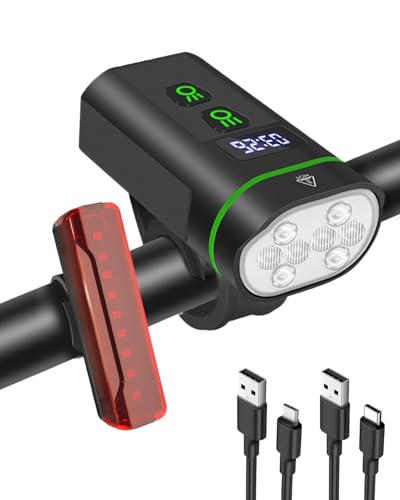
Cycling lights are bike accessories designed to improve rider visibility and help illuminate the route ahead where suitable. They are usually fitted to the front and rear of the bike, although some riders also use helmet lights, clothing lights, spoke lights or bag mounted lights where appropriate.

Front lights usually help the rider see forward and help others notice the bike from the front. Rear lights help make the rider more visible from behind.

Cycling lights should be secure, easy to use and suitable for the type of riding being done. A light that is too dim, poorly mounted or out of battery will not be helpful when visibility drops.

What Are Cycling Lights Used For?

Cycling lights are used to make bikes more visible in low light, darkness, poor weather, shaded areas and busy traffic. They are especially useful for commuting, winter riding, early starts, evening rides and routes with poor lighting.

Front lights can help riders see potholes, road edges, signs, bends, path users and trail features where the beam is strong enough and designed for that purpose.

Rear lights help alert drivers, cyclists and other path users behind the rider. A clear rear light can be one of the most practical everyday cycling accessories.

How To Choose The Right Cycling Lights

Start by thinking about where you ride. A short urban commute on lit roads may need different lights from an unlit country lane, a gravel route, a trail ride or a long winter training ride.

Next, think about whether you need lights mainly to be seen or also to see the route. Visibility lights help others notice you, while stronger front lights may be needed for dark roads, paths or trails.

Then consider battery and charging. Rechargeable lights can be convenient, while replaceable battery lights may suit riders who prefer carrying spares. Run time where listed should match your normal ride length with a sensible margin.

Key Features To Compare

When comparing cycling lights, look at brightness, beam pattern, run time where listed, battery type, charging method, mounting style, front or rear use, side visibility, flash modes, steady modes, weather suitability where listed, weight, size and ease of removal.

Brightness matters, but more brightness is not always better. A light should suit the route and should be aimed responsibly so it does not dazzle other road users.

Mounting matters too. A loose light can point in the wrong direction, rattle, fall off or become difficult to switch on when needed.

Front Cycling Lights Compared With Rear Cycling Lights

Front cycling lights are fitted to the front of the bike and help the rider see ahead and be seen from the front. They are especially important on dark roads, cycle paths and unlit routes.

Rear cycling lights are fitted to the back of the bike and help make the rider visible from behind. They are important for commuting, road riding, group rides and low light conditions.

Most riders benefit from using both. A front light alone does not help much from behind, and a rear light alone does not help the rider see forward.

Cycling Lights Compared With Reflectors

Cycling lights actively produce light, making the bike more visible in low light and dark conditions. They can be seen from a distance where they are bright enough and properly positioned.

Reflectors do not produce their own light. They reflect light from vehicle headlights, streetlights or other sources.

Lights and reflectors can work together, but they do different jobs. A well prepared bike may use front and rear lights, reflectors and visible clothing where suitable.

Cycling Lights Compared With High Visibility Clothing

Cycling lights are fitted to the bike or rider and provide active illumination. High visibility clothing helps the rider stand out through bright colours or reflective details where listed.

Clothing can support visibility from different angles, while lights can help make the bike more noticeable in low light.

The best approach is often a combination. Lights, reflectors, visible clothing and careful riding all support better awareness.

Beginner, Regular Rider And Experienced Cyclist Guidance

Beginners should choose simple cycling lights that are easy to fit, easy to charge or power, and bright enough for the routes they ride. A front and rear light set is often a practical starting point.

Regular riders may want better battery life, stronger mounts, multiple modes, weather suitability and easy removal for charging or security.

Experienced cyclists often compare beam shape, side visibility, run time, charging speed, mounting stability, light spread, road courtesy, backup lights and how the light setup works with bags, computers and other accessories.

Cycling Lights For Commuting

Commuting is one of the most common reasons to buy cycling lights. Riders may travel in early mornings, evenings, winter darkness, rain or dull conditions.

A commuter light setup should be reliable, quick to fit and easy to charge. Lights should be bright enough for the journey and should remain secure over bumps, potholes and everyday road surfaces.

Commuters should also think about theft risk. Removable lights should usually be taken off the bike when parked in public places.

Cycling Lights For Road Cycling

Road cyclists use lights for visibility, low light rides, early starts, evening training and longer routes. A rear light is especially useful because road cyclists may be approached from behind by faster traffic.

Front lights should be aimed carefully. They should help the rider see and be seen without dazzling drivers, pedestrians or other cyclists.

For longer road rides, battery life is important. A light should last the full ride, including delays, slower sections and any unexpected route changes.

Cycling Lights For Mountain Biking

Mountain biking may need stronger lights when riding in woods, shaded areas, dusk conditions or night rides where allowed. Trail riding in darkness can require a different level of lighting from city commuting.

A mountain bike light should be secure over bumps, roots, stones and rough ground. Mount stability is very important because a shifting beam can make trail riding harder.

Some riders use both handlebar lights and helmet lights where suitable. This can help with line choice, but it should be used responsibly and only where night riding is permitted.

Cycling Lights For Gravel Riding

Gravel riding often involves country lanes, tracks, towpaths and mixed surfaces. Lighting needs can change quickly between open roads, shaded routes and unlit sections.

A good gravel light setup should balance brightness, battery life and secure mounting. Rough surfaces can shake loose poor mounts.

Rear visibility is also important on rural roads and lanes. A clear rear light helps others notice the rider earlier.

Cycling Lights For Electric Bikes

Electric bikes may have integrated lights where listed, or they may need separate lights fitted. Some electric bike lights may be powered by the bike battery, depending on the system.

If adding separate lights, check handlebar and seatpost space carefully. Electric bikes may already have displays, controls, cables, racks or batteries that affect mounting.

Electric bikes can be used for regular commuting and longer journeys, so reliable lighting, battery checks and secure fitting are especially useful.

Cycling Lights For Folding Bikes

Folding bikes often have compact frames and limited mounting space. Lights should be fitted so they do not interfere with the folding mechanism, cables or carrying position.

Removable lights can be useful for folding bike commuters because they can be taken off before the bike is folded or stored.

Check light position after folding and unfolding. The light should remain secure and should not catch on bags, hinges or cables.

Cycling Lights For Children’s Bikes

Children’s bike lights should be easy to use, securely fitted and suitable for the child’s riding environment. Lights can help children be more visible on family rides, school routes and darker paths.

Children should be shown how to switch lights on and off, but adults should check them before each ride.

Lights are not a replacement for supervision. Children should still ride in suitable places and follow adult guidance.

Cycling Lights For Family Rides

Family rides often involve different rider speeds, children, parks, cycle paths and changing light. Lights can help keep each bike more visible to the group and to other path users.

Simple front and rear lights can be useful even in daytime if the weather is dull or the route includes shaded areas.

For family rides, check all lights before setting off. A flat battery on one bike can affect the whole group’s safety and planning.

Cycling Lights For Touring

Touring cyclists may ride longer distances, unfamiliar roads and changing conditions. Reliable lights are important because rides can take longer than expected.

Battery life, charging options, weather suitability and backup lights can all matter on multi day trips. A touring rider may need lights that are easy to recharge from power banks or overnight stops where suitable.

Rear lights are especially important when carrying panniers. Make sure luggage does not block the light from behind.

Cycling Lights For Indoor And Low Light Storage Areas

Cycling lights are not only useful on roads. They can also help when moving bikes through dim garages, shared bike stores, campsites, tunnels or dark paths before and after a ride.

Small safety lights can make a bike easier to manage in low light areas, especially if the rider needs to unlock, load or adjust equipment.

For actual riding, use lights suited to the route rather than relying on very small marker lights.

Lights To Be Seen Compared With Lights To See With

Some cycling lights are mainly designed to help others see the rider. These are often smaller, lighter and suitable for lit roads, low light or visibility support.

Other lights are designed to illuminate the route ahead. These usually need a stronger beam and more battery capacity.

Choose based on your routes. If you ride on unlit roads or dark paths, a stronger front light may be needed. If you ride on lit streets, visibility focused lights may be enough.

Brightness, Beam Pattern And Road Courtesy

Brightness is only one part of a good cycling light. Beam pattern affects how the light spreads across the road, path or trail.

A wide beam can help with close visibility, while a more focused beam may help riders see further ahead where suitable.

Lights should be aimed responsibly. A bright front light pointed too high can dazzle drivers, pedestrians and other cyclists. Aim the beam to help you see while still being considerate.

Steady Modes, Flash Modes And Visibility

Many cycling lights include steady and flashing modes where listed. Steady modes provide continuous light, while flashing modes may help attract attention in some conditions.

Different situations may call for different modes. A steady front beam is often useful when trying to see the route, while rear flash modes may support visibility where suitable.

Use modes responsibly. Very bright or rapid flashing lights can be distracting or uncomfortable for other people.

Front Light Mounting Positions

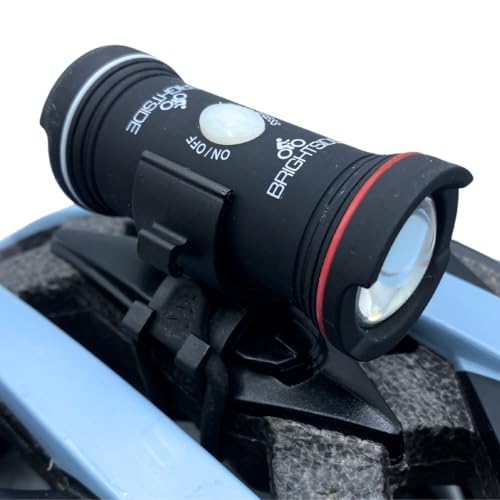
Front lights are commonly mounted on handlebars, but some may use fork, helmet or accessory mounts where compatible.

The light should be positioned so it shines clearly ahead without being blocked by cables, bags, computers or handlebar accessories.

Turn the handlebars fully after fitting. Make sure the light does not catch cables or affect steering.

Rear Light Mounting Positions

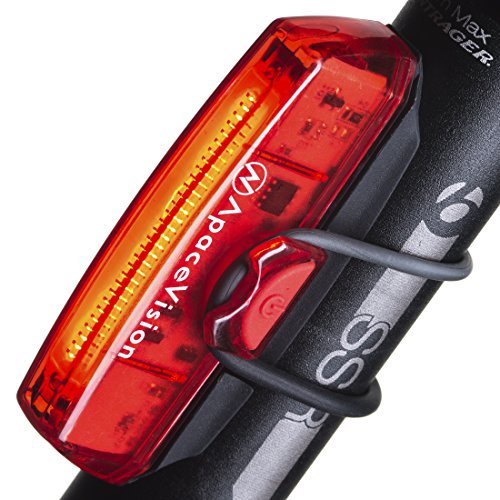
Rear lights may be mounted on the seatpost, saddle rail, rear rack, mudguard, pannier, bag or clothing where suitable and compatible.

The light should be visible from behind and not hidden by coats, bags, panniers, child seats or luggage.

If using a rack or pannier setup, check rear visibility from a distance. A light that looks visible close up may be blocked from some angles.

Helmet Mounted Cycling Lights

Helmet mounted lights can help riders look towards bends, signs, repairs or trail features where suitable. They may be useful for some off road, commuting or repair situations.

They should not replace properly mounted bike lights if bike mounted lights are needed for the route. Helmet lights move with the rider’s head and may not always show the bike’s position clearly.

Use helmet lights carefully around other people. Looking directly at someone with a bright helmet light can dazzle them.

Backup Lights And Spare Visibility

Backup lights can be useful for regular riders, commuters, tourers and anyone riding after dark. A small spare front or rear light can help if the main light fails.

Backup lights do not need to be large, but they should be bright enough to help you finish the ride safely.

For longer rides, carrying a spare light or power bank where suitable can prevent a flat battery becoming a serious problem.

Rechargeable Lights Compared With Battery Lights

Rechargeable cycling lights are convenient for regular use because they can be charged between rides. They may use USB charging or other charging methods where listed.

Battery powered lights can be useful if you prefer replaceable batteries or need to carry spares on longer trips.

The best choice depends on routine. Rechargeable lights suit riders who can charge regularly, while replaceable battery lights may suit riders who want quick battery swaps.

Battery Life And Run Time

Battery life is important because lights must last for the full ride. Run time where listed can vary depending on brightness mode, temperature, battery age and light settings.

A light may last much longer on a lower setting than on full brightness. Choose a light with enough margin for delays, route changes or stops.

Check battery level before every ride. A light with impressive features is not useful if it runs out halfway home.

Charging, Cables And Power Management

Rechargeable lights should be charged according to product guidance. Keep charging cables safe and avoid using damaged cables or unsuitable chargers.

For regular commuting, it can help to build charging into a routine. For example, charge lights after work, overnight or after every few rides depending on run time.

If lights use a special cable, keep it somewhere easy to find. A missing cable can make the light unusable when needed.

Side Visibility And Junction Awareness

Side visibility helps make a rider more noticeable at junctions, crossings and side roads. Some lights include side windows or wide angle visibility where listed.

Reflective details on tyres, wheels, clothing or bags can also help from the side.

Good side visibility supports awareness, but riders should still position themselves sensibly, signal where appropriate and ride defensively.

Daytime Visibility Lights

Some riders use lights during the day to increase visibility, especially in dull weather, heavy traffic, shaded roads or country lanes.

Daytime visibility lights should be used considerately. Very bright flashing modes may not be suitable in every situation.

Even with daytime lights, riders should not assume they have been seen. Road position, eye contact, speed control and awareness still matter.

Weather Suitability And Outdoor Use

Cycling lights are used in rain, spray, cold, heat, mud and road grit. Weather suitability where listed is important, especially for commuting and winter riding.

Water resistance should not be assumed unless product details support it. Charging ports, switches and seals should be checked and kept clean.

After very wet or muddy rides, wipe lights and mounts clean before storage. This helps keep buttons, clips and charging areas working properly.

Lights And Handlebar Accessories

Cycling lights often share space with bells, computers, phone mounts, bar bags and brake cables. The handlebar area can become crowded quickly.

Front lights should not be blocked by bags or mounted where they interfere with hand positions or brake access.

Plan the full setup before fitting. A tidy handlebar layout is safer and easier to use.

Lights And Bike Bags

Bike bags can block lights if positioned poorly. Handlebar bags may block front lights, while saddle bags, panniers or rack bags may block rear lights.

Check light visibility with the bags fully packed and fitted. Adjust light position if needed.

If carrying luggage regularly, rack mounted or bag mounted lights where suitable may be useful, but secure fitting is essential.

Lights And Child Seats

Rear child seats can block seatpost lights or rear reflectors. If a child seat is fitted, check that the rear light remains visible.

A light may need to be moved to a rack, mudguard, bag or alternative mount where suitable.

When carrying children, visibility is especially important. Check lights, reflectors and route conditions carefully before riding.

Lights And Cycle Computers

Cycle computers and lights can both need front handlebar space. Out front mounts, stem mounts or alternative light positions may help where compatible.

The light should not shine into the computer screen or make it hard to read. The computer should not block the light beam.

Check both accessories together before riding in low light.

Lights And Legal Requirements

Cycling light rules can vary by country, road type, time of day and product use. Riders should check the current rules for where they ride, especially when cycling after dark or on public roads.

A product being sold as a cycling light does not automatically mean it is suitable for every legal use or every riding situation.

For practical riding, use front and rear lights that are visible, secure, charged and appropriate for the route and conditions.

Safe Use On Roads And Shared Paths

Cycling lights help with visibility, but they do not replace safe riding. Riders should still control speed, signal where appropriate and watch for pedestrians, vehicles, junctions, dogs and other cyclists.

On shared paths, avoid shining bright lights directly into people’s faces. Slow down and pass with care.

On roads, lights should help other road users understand your position and movement. Keep them clean, secure and visible.

Avoiding Common Cycling Light Mistakes

One common mistake is forgetting to charge lights. A flat light is one of the easiest problems to prevent.

Another mistake is fitting lights where they are blocked by bags, clothing, mudguards or child seats. Check visibility from front and rear before riding.

A third mistake is aiming a front light too high. This can dazzle others and may reduce useful light on the road surface.

Installing Cycling Lights

Most cycling lights attach with rubber straps, clamps, brackets, clips or mounting systems depending on the product. They should be fitted according to product guidance.

The light should be secure, aligned correctly and easy to switch on. It should not move when riding over normal bumps.

After fitting, test the bike in a safe area. Check that lights do not affect steering, braking, gear shifting or the use of other accessories.

Pre Ride Light Checks

Before riding, check that front and rear lights switch on, are charged or have working batteries, are securely mounted and are visible from the right direction.

Check that the beam is aimed correctly and that bags, coats, panniers or child seats do not block the light.

For longer rides, consider whether the lights will last for the full journey. A backup light may be useful if the ride could finish after dark.

Care, Cleaning And Storage

Cycling lights should be wiped clean after wet, muddy or dusty rides. Mud, road spray and grit can reduce brightness and affect buttons or charging ports.

Remove lights from the bike when parking in public places if they are easily detachable. This helps reduce theft risk and protects them from weather.

Store lights somewhere dry and charge them according to product guidance. Check straps, clips and mounts regularly for wear.

Useful Accessories To Consider

Useful accessories for cycling lights include spare mounts, charging cables, backup lights, reflective bands, high visibility clothing, helmets, bells, mudguards, bar bags, rack mounts, helmet mounts where suitable and waterproof storage pouches.

For commuters, lights work well with locks, visible clothing, bags and mudguards. For longer rides, backup lights and charging options may be useful.

The best lighting setup is one where front lights, rear lights, reflectors, mounting positions and rider habits all work together.

Why Buy Cycling Lights From YPC?

At YPC, we understand active lifestyles and the need for practical products that work in real use. Cycling lights should be chosen carefully because brightness, run time, mounting security, visibility angle, charging needs and route type all affect how useful they are.

Browse the Cycling Lights category at YPC to compare available options, check the details that suit your bike and riding style and choose lights that help make cycling more visible, practical and better prepared.

Cycling Lights FAQs

What are cycling lights?

Cycling lights are bike lights used to improve visibility and help riders see or be seen in low light, darkness or poor weather.

They are usually fitted to the front and rear of the bike.

What are cycling lights used for?

Cycling lights are used for visibility, route illumination, commuting, night riding, winter cycling and poor weather riding.

They help other people notice the bike and can help the rider see the route where the light is strong enough.

Are cycling lights suitable for beginners?

Yes, cycling lights are useful for beginners. A simple front and rear light set can make a bike more practical for dull weather, low light and early evening rides.

Beginners should choose lights that are easy to fit and charge.

Do I need front and rear cycling lights?

Most riders benefit from both front and rear lights. A front light helps from the front and may illuminate the route, while a rear light helps visibility from behind.

Using both gives better all round visibility.

Are cycling lights needed in daytime?

Daytime lights can be useful in dull weather, heavy traffic, shaded roads or country lanes. They may help make the rider more noticeable.

Riders should still stay alert and not assume they have been seen.

How bright should a cycling light be?

Brightness depends on where you ride. Lit town roads may need less brightness than unlit lanes, trails or dark paths.

Beam pattern, run time and responsible aiming are just as important as brightness.

What is the difference between a light to be seen and a light to see with?

A light to be seen helps others notice the rider. A light to see with is stronger and designed to illuminate the route ahead.

Choose based on whether you ride in lit or unlit areas.

Are rechargeable cycling lights useful?

Yes, rechargeable cycling lights are useful for regular riders because they can be charged between rides.

Check run time, charging method and battery level before setting off.

Are battery powered cycling lights useful?

Battery powered lights can be useful if you prefer replaceable batteries or want to carry spares on longer rides.

Check battery type and run time where listed.

How long do cycling light batteries last?

Battery life varies by product, mode, brightness setting, temperature and battery age. Higher brightness usually uses power faster.

Check run time where listed and allow a margin for delays.

Can cycling lights be used in the rain?

Some cycling lights may be suitable for rain where listed, but water resistance should not be assumed.

Check product details and dry lights after wet rides.

Where should I put a front bike light?

A front bike light is usually fitted to the handlebars or another suitable front mount. It should shine forward without being blocked by bags or cables.

Aim it so it helps visibility without dazzling others.

Where should I put a rear bike light?

A rear bike light is usually fitted to the seatpost, rack, mudguard, saddle area, bag or clothing where suitable.

It should be clearly visible from behind and not blocked by luggage or clothing.

Can a bike bag block my lights?

Yes, bike bags can block front or rear lights if fitted in the wrong position. Check visibility with the bag packed and attached.

Move the light if needed.

Can a child seat block a rear light?

Yes, rear child seats can block seatpost lights or reflectors. If this happens, use a suitable alternative rear light position.

Check visibility carefully before riding.

Are helmet lights useful for cycling?

Helmet lights can be useful in some situations because they point where the rider looks. They should not usually replace bike mounted lights where those are needed.

Use them carefully around other people to avoid dazzling them.

What are flashing light modes for?

Flashing modes can help attract attention in some conditions. They may be useful for visibility where suitable.

Use flashing modes considerately, especially around pedestrians and other cyclists.

How do I stop cycling lights falling off?

Fit lights according to product guidance, check straps or brackets and make sure mounts are tight. Replace worn straps or damaged clips.

Test the light on a short ride before relying on it.

How do I clean cycling lights?

Wipe away mud, dust, road spray and grit after rides. Keep lenses, buttons and charging ports clean and dry where possible.

Follow product care guidance.

What should I check before buying cycling lights?

Check front or rear use, brightness, beam pattern, run time where listed, battery type, charging method, mount style, weather suitability where listed, side visibility, size and compatibility with your bike accessories.

The right cycling lights should be visible, secure, easy to use and suitable for your normal riding conditions.

Home and Garden ProductsGetting ready for Summer? View our Home and Garden Products

Outdoor Clothing

Heading outdoors this winter? Take a look at our Outdoor Clothing.

Scroll to Top