
Cycling Gloves
Cycling gloves help riders improve hand comfort, grip and control while cycling. They are suitable for commuters, road cyclists, mountain bikers, gravel riders, electric bike users, leisure riders, touring cyclists, family cyclists and anyone who wants more comfortable hands during short rides, long routes, cold weather, wet conditions or rough surfaces.
The right cycling gloves depend on riding style, season, fit, palm padding where listed, grip, finger coverage, warmth, breathability where listed, waterproof or water resistant features where listed, cuff style, closure type, touch screen compatibility where listed and whether the gloves are intended for commuting, road cycling, mountain biking, gravel riding, winter cycling or general leisure use.
- Cycling Gloves
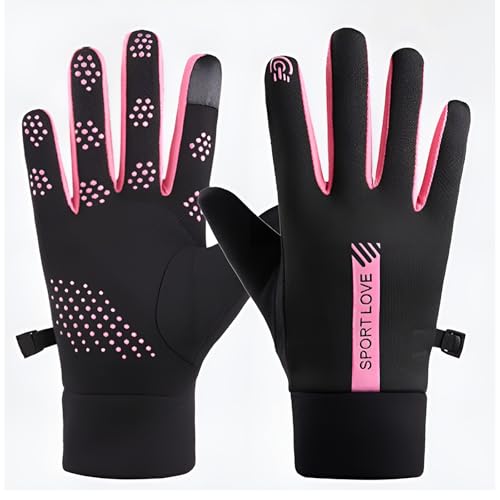
EujRcf Cycling Gloves Windproof Waterproof Touch Screen Gloves Rose Red
£6.59 *View On Amazon* - Cycling Gloves
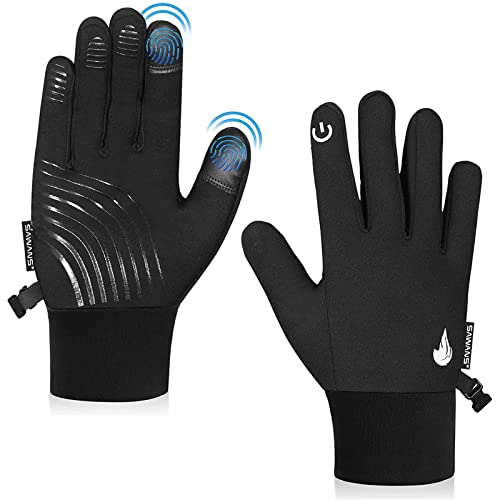
XTYMBH Winter Warm Gloves, Touch Screen Running Gloves, Men and Women, Men’s Black, One Size
Original price was: £5.99.£3.99Current price is: £3.99. *View On Amazon* - Cycling Gloves
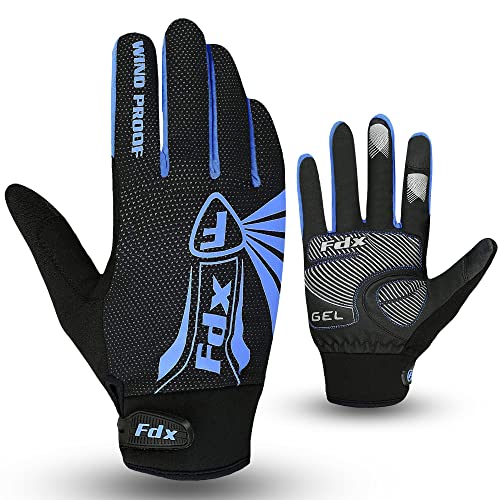
MOREOK Cycling Gloves for Men and Women, 5MM Gel Bike Bicycle Gloves, Blue M
£13.99 *View On Amazon* - Cycling Gloves
KONVINIT Cycling Gloves Fingerless Mountain Bike Gloves Green XL
Original price was: £10.95.£8.76Current price is: £8.76. *View On Amazon* - Cycling Gloves
Kids Winter Thermal Cycling Gloves Boys Girls Touchscreen Grip Mitts M
£7.99 *View On Amazon* - Cycling Gloves
MXHBSTP Cycling Gloves Waterproof Touchscreen Running Gloves Warm Winter Gloves for Men and Women Rose Red
Original price was: £9.99.£6.59Current price is: £6.59. *View On Amazon* - Cycling Gloves
ROCKBROS Fingerless Cycling Gloves Green S
Original price was: £12.79.£10.23Current price is: £10.23. *View On Amazon*


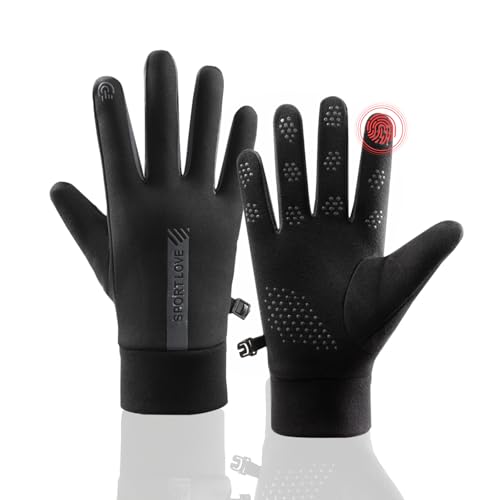

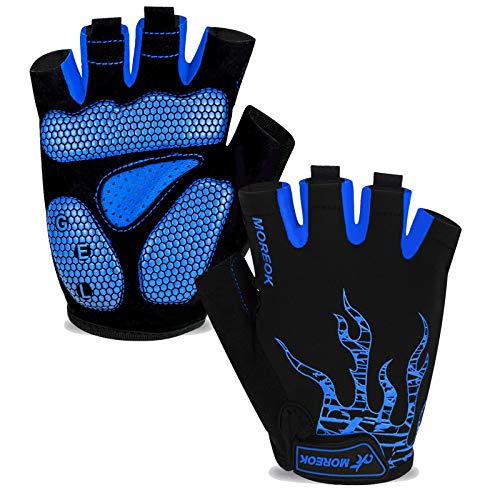


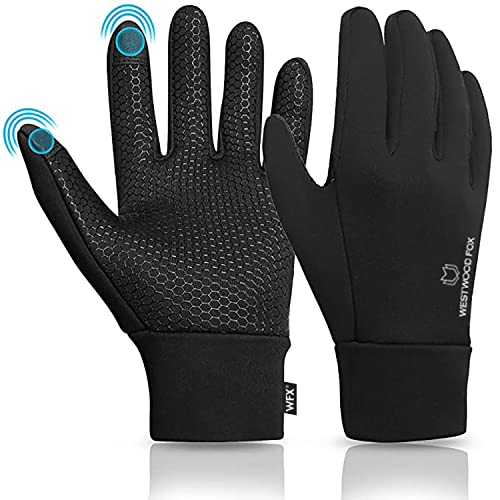

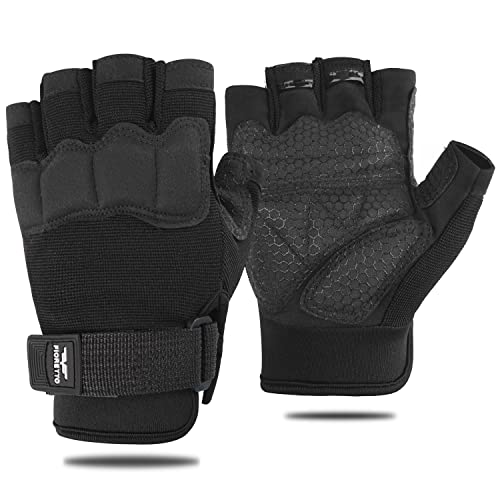




What Are Cycling Gloves?
Cycling gloves are gloves designed for riding a bike. They help riders grip the handlebars, manage pressure through the hands and protect against weather, vibration, rubbing and minor knocks.
They can be fingerless gloves for warm weather, full finger gloves for cooler weather or trail riding, winter gloves for cold conditions, waterproof gloves where listed, padded gloves, lightweight gloves or more protective styles depending on the product.
A good pair of cycling gloves should feel comfortable on the bike, allow safe braking and gear changing and suit the conditions the rider normally faces.
What Are Cycling Gloves Used For?
Cycling gloves are used to improve hand comfort and control while riding. They can reduce rubbing on the palms, improve grip in wet or sweaty conditions and add warmth in cold weather.
They are useful on commutes, longer road rides, mountain bike trails, gravel routes, family rides, touring trips and indoor training. Even short rides can feel more comfortable with gloves if the handlebars are hard, cold or slippery.
Cycling gloves can also provide light protection if a rider puts a hand down during a minor fall. They are not a substitute for careful riding, but they can reduce direct contact between skin and rough ground.
How To Choose The Right Cycling Gloves
Start by thinking about the season and weather. Warm weather rides may suit lightweight fingerless gloves, while cold or wet rides may need full finger gloves, wind protection or waterproof features where listed.
Next, think about riding style. Road cyclists may want lightweight comfort and palm padding, while mountain bikers may want full finger coverage and stronger grip. Commuters may want warmth, visibility details and easy daily use.
Then check fit. Gloves should be snug enough to avoid bunching but not so tight that they restrict circulation, finger movement or control of brakes and gears.
Key Features To Compare
When comparing cycling gloves, look at fit, finger length, palm padding where listed, grip material, breathability where listed, insulation where listed, waterproof or water resistant features where listed, cuff style, closure type, seams, reflective details where listed and ease of washing.
Padding can improve comfort, but too much padding can feel bulky or reduce bar feel for some riders.
Grip matters because hands need to stay secure on the bars in rain, sweat, mud or cold. A glove that slips on the grips can reduce confidence and control.
Cycling Gloves Compared With Ordinary Gloves
Ordinary gloves can provide warmth, but they are not always shaped for cycling. They may bunch around the palms, feel bulky on brake levers or become slippery on handlebar grips.
Cycling gloves are designed around riding position and bike control. They may include shaped palms, grip panels, padding, ventilation or cuffs designed to work with jackets where listed.
For casual short rides, ordinary gloves may be enough in mild conditions. For regular riding, cycling gloves are usually more practical and comfortable.
Cycling Gloves Compared With Bare Hands
Riding without gloves gives direct bar feel and may be comfortable in mild weather. Some riders prefer it for short summer rides.
Gloves add grip, padding, warmth and protection. They can make longer rides more comfortable and help when hands get sweaty, cold or wet.
The best choice depends on the ride. For regular cycling, cold weather, rough surfaces or long routes, gloves are often a useful upgrade.
Cycling Gloves Compared With Handlebar Grips
Handlebar grips and bar tape help make the bike more comfortable, but they only support the contact point on the bike.
Cycling gloves add comfort and grip to the rider’s hands. They can help with pressure, rubbing, sweat and weather.
A good setup uses both. Comfortable grips or bar tape and suitable gloves can work together to improve hand comfort.
Fingerless Cycling Gloves Compared With Full Finger Cycling Gloves
Fingerless cycling gloves leave the fingertips exposed. They can be useful in warm weather because they provide palm comfort while keeping hands cooler.
Full finger cycling gloves cover the whole hand. They can be useful for cooler weather, mountain biking, gravel riding and extra grip or protection.
The best choice depends on weather, riding style and preference. Many riders use fingerless gloves in summer and full finger gloves in colder months.
Beginner, Regular Rider And Experienced Cyclist Guidance
Beginners should choose cycling gloves that feel comfortable, grip well and do not make braking or gear changing harder. A simple padded glove can make early rides more enjoyable.
Regular riders may want different gloves for different seasons, such as lightweight gloves for summer, warmer gloves for winter and full finger gloves for wet or rough rides.
Experienced cyclists often compare palm padding, seam placement, bar feel, ventilation, grip, cuff design, closure security, warmth, waterproof features where listed and compatibility with touch screens or cycling watches.
Cycling Gloves For Commuting
Cycling gloves are useful for commuting because they help with grip, comfort and weather protection during regular journeys. Cold handlebars, wet grips and rough roads can all make gloves helpful.
Commuters may want gloves that are easy to put on, durable enough for daily use and suitable for repeated braking, signalling and locking the bike.
Reflective details where listed can also be useful for commuting, especially in winter, early mornings and evening rides.
Cycling Gloves For Road Cycling
Road cyclists often use gloves to reduce pressure on the hands during longer rides. Palm padding where listed can help with vibration and comfort on road surfaces.
Fingerless gloves are popular in warm weather, while full finger or insulated gloves may be useful for cold conditions.
Road cycling gloves should allow good control of brake levers and gear shifters. They should not feel bulky or reduce safe handling.
Cycling Gloves For Mountain Biking
Mountain bikers often prefer full finger gloves because they provide grip, coverage and hand protection on trails. They can help with braking control, rough surfaces and contact with branches, grips or ground.
Mountain bike gloves should allow finger movement and a secure grip on brake levers. Breathability can also matter because trail riding can create heat and sweat.
Stronger fabrics or reinforced areas where listed may be useful for riders who ride rougher trails or need more durability.
Cycling Gloves For Gravel Riding
Gravel riding often involves vibration, changing surfaces and longer routes. Cycling gloves can help reduce hand fatigue and improve grip on rough tracks, lanes and paths.
A gravel glove may need a balance of padding, bar feel, breathability and grip. Too much padding may reduce control, while too little may feel uncomfortable over long distances.
Full finger gloves may be useful in cooler weather or on rougher routes, while fingerless gloves may suit warmer gravel rides.
Cycling Gloves For Electric Bikes
Electric bike riders still benefit from cycling gloves, especially for commuting and everyday use. Gloves can help with grip, weather protection and comfort on longer electric assisted rides.
Because electric bikes may be used regularly in all weather, waterproof, wind resistant or warm gloves where listed can be useful.
Electric bike controls and displays may require careful finger movement, so gloves should not be so bulky that they make buttons, brakes or gears harder to use.
Cycling Gloves For Hybrid Bikes
Hybrid bike riders often use gloves for commuting, leisure rides, towpaths, local roads and family cycling. A comfortable all round glove can suit many hybrid bike uses.
Padded palms can help with longer rides, while full finger options may be useful for cooler weather.
Hybrid riders should choose gloves based on their main routes and seasons rather than bike type alone.
Cycling Gloves For Folding Bikes
Folding bike riders often use gloves for commuting, public transport linked journeys and urban cycling. Gloves can help with cold handlebars, wet grips and repeated handling of the folded bike.
Compact gloves that are easy to store in a pocket, pannier or work bag can be useful.
If the bike is frequently folded and carried, gloves may also help keep hands cleaner when touching the frame, tyres or chain area.
Cycling Gloves For Children
Children’s cycling gloves can improve grip, comfort and confidence on family rides. They can also help protect small hands from cold weather or minor scrapes.
Fit is especially important. Gloves that are too large can make braking and steering harder, while gloves that are too tight can feel uncomfortable.
Children should still be taught safe braking, steering and hand signals. Gloves support comfort, but they do not replace supervision or good riding habits.
Cycling Gloves For Touring
Touring cyclists often spend long hours with hands on the bars. Gloves can help reduce pressure and rubbing over repeated days of riding.
Touring riders may need more than one pair, such as lightweight gloves for warm days and warmer gloves for cold or wet conditions.
Durability, comfort, drying time and ease of washing can all matter on longer trips.
Cycling Gloves For Indoor Training
Cycling gloves can be useful for indoor training because hands may become sweaty during turbo trainer or exercise bike sessions.
Gloves can improve grip and reduce rubbing during longer indoor rides. Fingerless gloves are often practical because they keep hands cooler.
After indoor training, gloves should be dried and washed regularly. Sweat can quickly create odour and affect fabric.
Summer Cycling Gloves
Summer cycling gloves should feel light, breathable and comfortable. Fingerless gloves are often popular because they protect the palms while allowing airflow around the fingers.
Grip is still important in warm weather because sweat can make hands slippery.
For longer summer rides, gloves can also help reduce pressure on the hands and protect palms if the rider has to put a hand down.
Winter Cycling Gloves
Winter cycling gloves are designed to help keep hands warm in cold conditions where the product supports that use. Insulation, wind protection and longer cuffs can be useful.
Cold hands can make braking and gear changing harder, so warmth is not only about comfort. Riders need to keep enough finger movement for safe control.
Very thick gloves may feel warm but can reduce feel at the controls. Choose winter gloves that balance warmth with safe brake and gear operation.
Waterproof Cycling Gloves
Some cycling gloves may include waterproof or water resistant features where listed. These can help in rain, road spray and wet commutes.
Waterproof performance should not be assumed unless product details support it. Seams, cuffs and fabric construction all affect how well gloves handle wet weather.
Even waterproof gloves can become uncomfortable if sweat builds up inside. Breathability and drying time should be considered.
Windproof Cycling Gloves
Windproof cycling gloves can help reduce cold air reaching the hands. This is useful for commuting, winter riding, road cycling descents and electric bike riding.
Wind chill can make hands cold even when the air temperature is not extremely low.
Windproof gloves should still allow movement. Riders need to brake, shift, signal and hold the bars comfortably.
Lightweight Cycling Gloves
Lightweight cycling gloves are useful for warm weather, fitness rides, indoor training and riders who want grip without bulky padding or insulation.
They can help with sweat control and bar comfort while keeping the hands cooler.
A lightweight glove may not be suitable for cold, heavy rain or rough trail use unless the product is designed for those conditions.
Padded Cycling Gloves
Padded cycling gloves include palm padding where listed. Padding can help reduce pressure on the palms and may make longer rides more comfortable.
Padding placement matters. Poorly placed padding can bunch, press into the hand or reduce handlebar feel.
The right amount of padding depends on hand comfort, riding position, handlebar type and ride length.
Gel Cycling Gloves
Some cycling gloves include gel padding where listed. Gel padding can help absorb vibration and improve comfort for some riders.
Gel is not automatically better for everyone. Some riders prefer thinner foam or less padding for a more direct feel.
Choose based on comfort rather than the padding name alone. Fit and seam placement are just as important.
Full Finger Cycling Gloves
Full finger cycling gloves cover the entire hand and are useful for cooler weather, off road riding, trail riding, wet conditions and riders who want more hand coverage.
They can improve grip and protect the fingers from wind, spray, branches or light knocks.
Full finger gloves should not be so tight or bulky that they make brake levers, gear shifters or electronic controls difficult to use.
Fingerless Cycling Gloves
Fingerless cycling gloves cover the palms and back of the hand while leaving the fingertips open. They are common in warm weather and road cycling.
They help with grip and palm comfort while keeping fingers cooler and allowing direct touch with controls, phones or small items.
They are less suitable for cold weather, heavy rain or trail conditions where full hand coverage may be useful.
Lobster Style And Split Finger Gloves
Some winter cycling gloves may use a split finger or lobster style design where listed. These group some fingers together to help retain warmth while still allowing control.
They can be warmer than ordinary full finger gloves, but they may feel different when braking or shifting.
Riders should test control feel carefully before relying on this style for busy roads or technical riding.
Mitts And Short Finger Gloves
Cycling mitts are another term often used for short finger or fingerless cycling gloves. They are popular for warm weather, road riding and general leisure cycling.
They usually focus on palm comfort, grip and ventilation rather than warmth.
Mitts should fit closely without digging into the webbing between the fingers or bunching in the palm.
Palm Padding And Pressure Relief
Pressure through the hands can cause discomfort, especially on longer rides or rough surfaces. Palm padding where listed may help spread pressure more evenly.
However, gloves are only one part of hand comfort. Bike fit, handlebar position, saddle position and riding posture also matter.
If hand numbness or pain continues, check the bike setup as well as the gloves.
Grip, Control And Brake Feel
Grip is one of the main reasons riders use cycling gloves. Palms and fingers should hold the bar securely without slipping.
Brake feel is just as important. Gloves should allow the rider to use brake levers smoothly and confidently.
If gloves make the controls feel vague or difficult, they may be too bulky, too loose or not suitable for that bike setup.
Touch Screen Compatibility
Some cycling gloves include touch screen compatible fingertips where listed. This can be useful for phones, cycling computers or electric bike displays.
Touch screen performance can vary by glove, device, weather and screen condition. It should not be assumed unless the product details support it.
Riders should stop safely before using phones or changing settings. Touch screen compatibility should not encourage distraction while riding.
Reflective Details And Visibility
Some cycling gloves include reflective details where listed. These can help support visibility because hands move when signalling or changing position.
Reflective gloves can be useful for commuting, winter riding and evening cycling.
Reflective details do not replace bike lights. Front and rear lights should still be used where conditions require them.
Cuff Length And Jacket Compatibility
Cuff length affects comfort and weather protection. Short cuffs can feel cooler and less bulky, while longer cuffs can help cover the wrist in cold or wet weather.
Winter and waterproof gloves may need to work with jacket sleeves. Some riders prefer gloves over sleeves, while others prefer sleeves over gloves depending on conditions and design.
A poor cuff fit can let rain or cold air into the glove. Check how the glove works with your normal cycling jacket.
Closures, Straps And Easy Adjustment
Cycling gloves may use elastic cuffs, pull tabs, hook and loop closures or other fastening systems where listed.
A closure should hold the glove in place without pressing uncomfortably on the wrist. It should also be easy to use with cold hands.
Loose straps or closures should not catch on brake levers, clothing or other accessories.
Seam Placement And Comfort
Seam placement can affect comfort more than many riders expect. A seam that presses into the palm or between fingers can become uncomfortable over longer rides.
Good gloves should feel smooth against the hand when gripping the bars.
Try to notice how gloves feel in a riding position. A glove that feels fine with open hands may feel different when wrapped around handlebars.
Sizing And Fit
Cycling gloves should fit closely but comfortably. They should not restrict circulation or finger movement.
A glove that is too large may bunch in the palm, reducing comfort and control. A glove that is too small may cause pressure, numbness or cold fingers.
Check size guidance where listed and consider how gloves feel when holding the handlebars, not just when standing.
Gloves And Handlebar Type
Different handlebar types create different hand positions. Road drop bars, flat bars, swept bars and mountain bike bars can all affect glove comfort.
Road riders may care more about palm pressure on hoods and drops, while mountain bikers may care more about grip and brake lever control.
Choose gloves that suit your normal hand position and riding time.
Gloves And Bar Tape Or Grips
Gloves work with bar tape or grips to create the full hand contact setup. Hard grips may need more padding, while softer grips may need less.
Worn bar tape or damaged grips can reduce comfort even with good gloves.
If hands remain uncomfortable, check both the gloves and the handlebar contact points.
Gloves And Bike Computers
Cycling gloves can affect how easy it is to press buttons or use screens on bike computers. Bulky winter gloves may make small buttons harder to operate.
If you use a cycling computer often, check whether the glove allows enough control.
Set up screens and routes before riding so you do not need to make adjustments while moving.
Gloves And Bike Lights
Gloves affect how easy it is to press light buttons, especially in cold weather. Large gloves may make small switches harder to use.
Check that you can turn lights on, change modes and remove lights safely with the gloves you plan to wear.
This is especially useful for commuters who ride in low light and need reliable light control.
Gloves And Phone Use
Some riders want gloves that work with phones where touch screen compatibility is listed. This can be useful for navigation stops or emergency calls.
Phones should not be used while riding in a way that distracts from control and awareness. Stop safely before using a phone.
If carrying a phone in wet weather, protect it from rain and sweat as well as checking glove compatibility.
Gloves And Wet Weather Riding
Wet weather can make handlebars slippery and hands cold. Cycling gloves can help with grip, comfort and warmth depending on the product.
Waterproof or water resistant features where listed can help, but gloves should also dry reasonably between rides.
After wet rides, remove gloves from bags and let them dry properly. Leaving them damp can cause smells and reduce comfort.
Gloves And Cold Weather Riding
Cold hands can make cycling unpleasant and can affect control. Winter gloves, wind protection and suitable cuffs can help keep fingers working properly.
Layering hands is harder than layering the body, so choosing the right glove for the temperature matters.
If hands become numb or too cold, stop somewhere safe and warm up before continuing.
Gloves And Hot Weather Riding
In hot weather, gloves should manage sweat and maintain grip. Fingerless gloves and lightweight fabrics can help hands stay cooler.
Breathability where listed can reduce dampness, but gloves still need washing after sweaty rides.
Some riders prefer very minimal gloves in summer, while others prefer padding for longer distances.
Gloves And Long Distance Comfort
Long distance cycling places repeated pressure on the hands. Gloves can help, especially when combined with good bike fit and changing hand positions.
Padding, seam placement, fit and breathability all become more important as ride length increases.
For touring, sportives or long commutes, test gloves on shorter rides before relying on them for a full day.
Gloves And Off Road Protection
Off road riding can expose hands to branches, mud, stones, rough grips and minor falls. Full finger gloves are often useful for this reason.
Mountain bike gloves may include stronger fabrics or reinforced areas where listed. These can help with durability and protection.
Off road gloves should still allow precise braking and shifting. Protection should not come at the cost of safe control.
Gloves And Hand Signals
Cycling gloves should allow clear hand signals. Bright or reflective details where listed can make signalling more visible in some conditions.
Gloves should not be so bulky that the rider avoids signalling or struggles to move fingers.
Clear signalling remains important on roads, shared paths and group rides.
Gloves For Riders With Cold Hands
Some riders naturally suffer from cold hands more than others. Warm gloves, windproof gloves, longer cuffs and keeping the body core warm can all help.
Gloves that are too tight can make cold hands worse by restricting circulation.
For very cold rides, consider whether the route, distance and weather are suitable before setting off.
Gloves For Riders With Sweaty Hands
Sweaty hands can reduce grip and make bars feel slippery. Breathable gloves and absorbent palm areas where listed can help.
Fingerless gloves may suit some riders in warm weather. Others may prefer lightweight full finger gloves for grip and coverage.
Wash gloves regularly. Sweat build up can cause odour and make fabric less pleasant to wear.
Gloves For Riders With Hand Discomfort
Hand discomfort can come from pressure, vibration, poor bike fit, tight gloves, worn grips or long periods without changing position.
Padded gloves may help, but they are not the only solution. Saddle position, handlebar height and riding posture may need checking too.
If discomfort is persistent, consider bike fit advice or medical advice where appropriate.
Care, Washing And Drying
Cycling gloves should be washed according to product guidance. Sweat, mud, road spray and drink residue can build up quickly.
Close straps where relevant before washing to reduce snagging. Avoid high heat drying unless product guidance says it is suitable.
Dry gloves fully before storage. Damp gloves can smell and may become uncomfortable or damaged over time.
Storage Between Rides
Store cycling gloves clean and dry. Keep pairs together so one glove is not lost before a ride.
Commuters may want spare gloves at work or in a pannier, especially during winter or wet weather.
Do not store gloves crushed under heavy items for long periods, as this may affect padding and shape.
Common Cycling Glove Mistakes
One common mistake is buying gloves that are too tight. Tight gloves can restrict movement, circulation and comfort.
Another mistake is choosing winter gloves that are too bulky for safe control. Warmth is useful, but braking and shifting must still feel secure.
A third mistake is relying on one pair for every season. Many riders need different gloves for summer, winter and wet weather.
Safety When Using Cycling Gloves
Cycling gloves should support safe bike control. They should allow the rider to brake, shift, steer and signal comfortably.
If gloves become soaked, frozen, loose or damaged, they may affect grip and control. Stop safely if your hands no longer feel secure on the bars.
Do not let gloves distract from awareness. Comfort is important, but riders should still focus on traffic, paths, trail features and other users.
Useful Accessories To Consider
Useful accessories for cycling gloves include cycling jackets, base layers, arm warmers, waterproof clothing, cycling lights, reflective accessories, handlebar grips, bar tape, cycling computers, helmets and neck warmers.
For commuting, gloves work well with lights, mudguards, panniers and visible clothing. For winter riding, gloves can be part of a full cold weather setup with warm socks, overshoes and layered clothing.
The best hand comfort setup is one where gloves, grips, bike fit, weather protection and riding habits all work together.
Why Buy Cycling Gloves From YPC?
At YPC, we understand active lifestyles and the need for practical products that work in real use. Cycling gloves should be chosen carefully because fit, grip, padding, warmth, breathability, weather protection and control all affect how useful they are.
Browse the Cycling Gloves category at YPC to compare available options, check the details that suit your bike, riding conditions and hand comfort and choose gloves that help make cycling more comfortable, controlled and prepared.
Cycling Gloves FAQs
What are cycling gloves?
Cycling gloves are gloves designed for riding a bike. They help with grip, comfort, warmth, pressure relief and hand protection depending on the product.
They are useful for many types of cycling.
What are cycling gloves used for?
Cycling gloves are used to improve handlebar grip, reduce rubbing, support hand comfort and protect against cold, wind, rain or minor scrapes where suitable.
They can be useful for commuting, road cycling, mountain biking, gravel riding and leisure rides.
Are cycling gloves suitable for beginners?
Yes, cycling gloves are suitable for beginners. A comfortable pair can make early rides more pleasant and help with grip and hand comfort.
Beginners should choose gloves that do not make braking or gear changing harder.
Do I need cycling gloves?
You do not always need cycling gloves, but they can make riding more comfortable. They are especially useful on longer rides, cold days, wet rides, rough surfaces and commutes.
Many regular riders keep more than one pair for different seasons.
Are fingerless cycling gloves useful?
Yes, fingerless cycling gloves are useful in warm weather. They provide palm comfort and grip while keeping the fingertips uncovered.
They are less suitable for cold weather or rough trail riding.
Are full finger cycling gloves useful?
Yes, full finger cycling gloves are useful for cooler weather, mountain biking, gravel riding and riders who want more hand coverage.
They should still allow good brake and gear control.
Are padded cycling gloves worth it?
Padded cycling gloves can be useful if you get palm pressure, rubbing or vibration discomfort. Padding should be positioned well and should not feel bulky.
If hand discomfort continues, bike fit and grips should also be checked.
Are gel cycling gloves better?
Gel cycling gloves where listed can help some riders with comfort and vibration, but they are not automatically better for everyone.
Fit, seam placement and grip are just as important as padding type.
Are waterproof cycling gloves really waterproof?
Some gloves may include waterproof features where listed, but performance varies by product. Waterproofing should not be assumed without checking the details.
Cuff fit and drying time also matter in wet weather.
Are windproof cycling gloves useful?
Yes, windproof cycling gloves can be useful in cold weather, on descents, during commutes and on electric bike rides.
They help reduce wind chill across the hands.
What gloves are best for winter cycling?
Winter cycling gloves should provide warmth, wind protection and enough movement for safe control. Waterproof features where listed may also help in wet conditions.
Avoid gloves so bulky that they make braking difficult.
What gloves are best for summer cycling?
Summer cycling gloves should be lightweight, breathable and comfortable. Fingerless gloves are popular because they protect the palms while allowing airflow.
Grip and easy washing are also useful.
What gloves are best for mountain biking?
Mountain biking often suits full finger gloves with good grip, control and durability. Extra coverage can help protect hands on trails.
The gloves should still allow precise braking and shifting.
What gloves are best for road cycling?
Road cycling gloves often focus on palm comfort, low bulk and grip. Fingerless gloves may suit warm weather, while full finger gloves may suit cold rides.
Padding where listed can help on longer rides.
What size cycling gloves do I need?
Choose a size that fits snugly without restricting circulation or finger movement. Gloves should not bunch in the palm or pull tightly between the fingers.
Check size guidance where listed.
Should cycling gloves be tight or loose?
Cycling gloves should be close fitting but comfortable. Loose gloves can bunch and reduce control, while tight gloves can cause pressure or cold fingers.
The fit should feel good while holding the handlebars.
Can cycling gloves help with numb hands?
Cycling gloves may help with pressure and vibration, but numb hands can also be caused by bike fit, posture, saddle position or grip setup.
If numbness continues, check the full bike setup and consider professional advice.
Can I use normal gloves for cycling?
Normal gloves can be used for short casual rides, but they may not grip well or fit comfortably on the handlebars.
Cycling gloves are usually more practical for regular riding.
How do I wash cycling gloves?
Wash cycling gloves according to product guidance. Close straps where relevant, remove mud and sweat, then dry them fully before storage.
Do not assume all gloves can be tumble dried.
What should I check before buying cycling gloves?
Check size, fit, finger coverage, palm padding where listed, grip, warmth, breathability where listed, waterproof or water resistant features where listed, cuff style, closure type and whether the gloves suit your riding style.
The right cycling gloves should improve comfort and grip without reducing safe control of the bike.
 Getting ready for Summer? View our Home and Garden Products

Heading outdoors this winter? Take a look at our Outdoor Clothing.