
Cycling Shoes
Cycling shoes are designed to support comfort, grip, control and pedalling efficiency while riding. They are suitable for commuters, road cyclists, mountain bikers, gravel riders, electric bike users, indoor cyclists, touring riders, leisure cyclists and anyone who wants footwear better suited to cycling than ordinary trainers.
The right cycling shoes depend on riding style, pedal type, cleat compatibility where listed, sole stiffness, fit, closure system, walking comfort, grip, weather suitability where listed, ventilation, weight, foot support and whether the shoes are intended for road cycling, mountain biking, gravel riding, commuting, touring, indoor training or general leisure use.
- Cycling Shoes
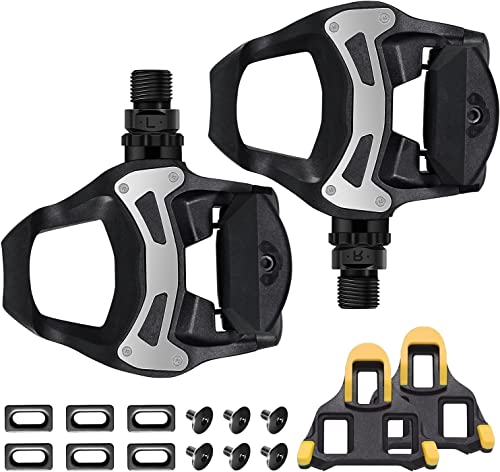
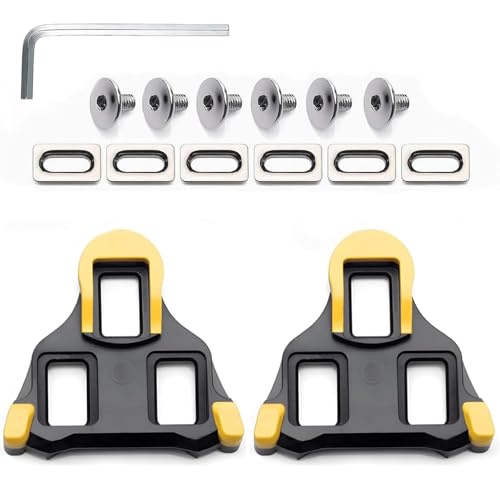
Thinvik Bike Cleats for Shimano SPD SL System Pedals, SH11 Road Bicycle Replacement Cleats and Indoor Cycling for Three Hole Cycling Shoes, 6 Degree Float, Yellow
Original price was: £11.99.£10.99Current price is: £10.99. *View On Amazon* - Cycling Shoes
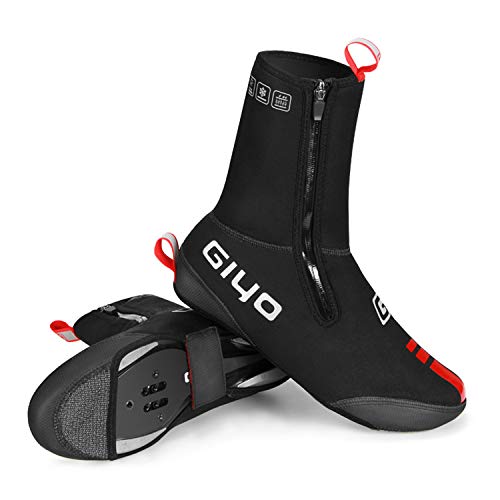
DexShell Heavy Duty Cycling Overshoes Waterproof Windproof Neoprene Shoe Covers for Winter Riding Unisex Black LG
Original price was: £36.99.£33.29Current price is: £33.29. *View On Amazon* - Cycling Shoes
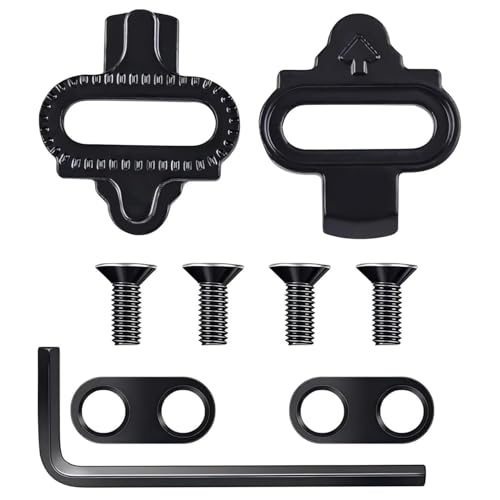
RosewineC SPD Cleats for Cycling Shoes, Bike Cleats Compatible with Shimano Cleats for SPD SL System Shoes, 6 Degree Float, for Indoor Cycling and Road Bicycle
Original price was: £5.99.£2.99Current price is: £2.99. *View On Amazon* - Cycling Shoes
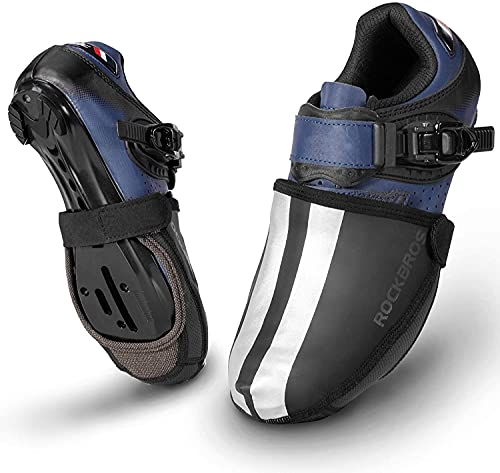
GripGrab Unisex Ii RaceAero Lightweight Lycra Shoe Cover 2 White Onesize EU 38-46 UK 5-12
Original price was: £30.00.£26.89Current price is: £26.89. *View On Amazon* - Cycling Shoes
CASTELLI 4518093 010 Toe Thingy 2 Shoe Covers Men’s Black Size Uni
Original price was: £26.95.£26.14Current price is: £26.14. *View On Amazon* - Cycling Shoes
Vaude Bike Gaiter Short Accessories Black Size 40/43
Original price was: £16.80.£15.59Current price is: £15.59. *View On Amazon*








What Are Cycling Shoes?
Cycling shoes are footwear designed for riding a bike. They can provide better support, more secure foot placement and more efficient contact with the pedals than everyday shoes.
Some cycling shoes are made for flat pedals, while others are designed for clip in pedal systems where compatible. Clip in shoes usually have sole fittings for cleats, which connect the shoe to a compatible pedal.
A good cycling shoe should match the rider’s pedals, fit comfortably and suit the type of riding being done. The best shoe for a road cyclist may not be the best shoe for a commuter, mountain biker or indoor training rider.
What Are Cycling Shoes Used For?
Cycling shoes are used to improve comfort, grip, pedalling support and control while cycling. They help keep the foot in a stable position on the pedal and can reduce wasted movement during repeated pedalling.
They are useful for road cycling, mountain biking, gravel riding, commuting, touring, leisure riding and indoor training. Different designs suit different surfaces, pedals and ride lengths.
Cycling shoes can also help reduce foot fatigue on longer rides because they are usually more supportive than soft everyday trainers.
How To Choose The Right Cycling Shoes
Start by checking your pedals. If you use flat pedals, you need shoes with a suitable sole grip. If you use clip in pedals, you need shoes that are compatible with the cleat system used by your pedals.
Next, think about walking. Road cycling shoes are often efficient on the bike but less comfortable for walking. Mountain bike, gravel and commuting shoes may offer better grip and walking comfort where listed.
Then consider fit. Cycling shoes should hold the foot securely without squeezing toes or creating pressure points. Feet can swell during longer rides, so comfort should be judged carefully.
Key Features To Compare
When comparing cycling shoes, look at pedal compatibility, cleat mount type where listed, sole stiffness, tread pattern, walking grip, closure system, heel hold, toe box shape, ventilation, weather protection where listed, weight, durability and insole comfort.
Sole stiffness affects pedalling feel. A stiffer sole can improve power transfer, while a more flexible sole may feel more comfortable for walking.
Closure design also matters. Laces, straps, dials and buckles can all affect fit, adjustment and convenience depending on the shoe.
Cycling Shoes Compared With Trainers
Trainers can work for casual cycling, especially with flat pedals and short rides. They are comfortable off the bike and easy to wear for everyday use.
Cycling shoes are designed for pedalling. They may offer firmer soles, better grip, cleat compatibility where listed and a more secure fit on the bike.
For occasional leisure riding, trainers may be enough. For regular cycling, longer rides or clip in pedals, cycling shoes are usually more practical.
Flat Pedal Shoes Compared With Clip In Cycling Shoes
Flat pedal shoes are used with flat pedals. They usually focus on grip, comfort and walking practicality. They suit commuting, mountain biking, leisure riding and riders who prefer not to attach their feet to the pedals.
Clip in cycling shoes are designed to work with compatible cleats and pedals. They hold the shoe to the pedal, which can improve foot stability and pedalling consistency.
The best choice depends on confidence, riding style and pedal system. Flat shoes are simple and easy to use, while clip in shoes suit riders who want a more connected pedalling feel.
Road Cycling Shoes Compared With Mountain Bike Shoes
Road cycling shoes usually have stiff soles and are designed for efficient pedalling on roads. They may use larger cleat systems where compatible and are often less practical for walking.
Mountain bike shoes usually have more tread and better walking grip. They are designed for trails, rough ground and situations where riders may need to walk or push the bike.
Road shoes suit speed and efficiency on tarmac. Mountain bike shoes suit grip, durability and off bike practicality.
Gravel Cycling Shoes Compared With Road Shoes
Gravel cycling shoes often balance pedalling support with walkable soles and tread. They may be useful for mixed surfaces, rough lanes, tracks and adventure rides.
Road shoes usually focus more on stiffness and pedalling efficiency, with less emphasis on walking grip.
For riders who stop often, walk on rough ground or use mixed surfaces, gravel style shoes can be more practical than pure road shoes.
Beginner, Regular Rider And Experienced Cyclist Guidance
Beginners should choose cycling shoes that match their pedals and feel comfortable from the start. Flat pedal shoes can be a simple option, while clip in shoes need extra practice and compatible pedals.
Regular riders may want shoes that suit their main riding style, with better support, improved closure adjustment and suitable weather features where listed.
Experienced cyclists often compare sole stiffness, cleat adjustment range, heel retention, ventilation, fit shape, closure precision, weight, tread durability and how the shoe feels over long rides.
Cycling Shoes For Commuting
Commuting shoes should balance cycling comfort with off bike practicality. Many commuters need to walk into work, shops, stations or offices after riding.
Shoes with secure grip, sensible tread and comfortable walking feel can be useful. Very stiff road shoes may be less practical if walking is part of the journey.
Weather protection where listed can also matter for commuting. Rain, spray and winter conditions can make ordinary shoes uncomfortable on regular rides.
Cycling Shoes For Road Cycling
Road cycling shoes are usually designed for efficient pedalling, firm foot support and a secure connection to the pedal system where compatible.
They can be useful for fitness rides, club rides, sportives, training routes and longer road rides where pedalling efficiency and comfort matter.
Road cycling shoes should be fitted carefully because long rides can make pressure points more noticeable. Cleat setup also needs attention to avoid discomfort.
Cycling Shoes For Mountain Biking
Mountain bike shoes are designed for trail riding, rough surfaces and stronger pedal grip. They may be used with flat pedals or clip in pedal systems depending on the shoe.
Grip and durability matter because mountain bikers may need to put a foot down, walk short sections or push the bike on uneven ground.
A mountain bike shoe should allow good bike control without feeling too bulky or awkward around the pedals.
Cycling Shoes For Gravel Riding
Gravel riding often involves road, tracks, mud, stones and walking sections. Shoes for gravel riding should provide pedalling support while still offering practical grip off the bike.
Clip in gravel shoes where compatible often use recessed cleats to make walking easier than many road shoes.
Comfort is especially important because gravel rides can be long and surfaces can create extra vibration through the feet.
Cycling Shoes For Touring
Touring cyclists may spend long hours riding and may also walk around towns, campsites, cafés and shops. A touring shoe should be comfortable both on and off the bike.
Durability, walking grip, ventilation, drying time and cleat compatibility where listed can all matter on longer trips.
Touring riders should avoid shoes that feel uncomfortable during short rides, because small fit problems can become serious over repeated days.
Cycling Shoes For Electric Bikes
Electric bike riders can benefit from cycling shoes, especially for commuting, leisure rides and longer everyday journeys. Secure grip and comfort are still important even with motor assistance.
Because electric bikes may be used in mixed conditions, riders may prefer shoes that are practical off the bike and suitable for regular use.
If using clip in shoes on an electric bike, riders should practise clipping in and out carefully. The bike’s extra weight can make confident foot release more important when stopping.
Cycling Shoes For Indoor Training
Cycling shoes are useful for indoor bikes, spin bikes and turbo trainers where pedal compatibility allows. They can improve foot stability and comfort during repeated pedalling.
Indoor training can generate heat and sweat, so ventilation and easy cleaning may matter.
Check the indoor bike pedal system before buying shoes or cleats. Not every indoor bike uses the same system.
Cycling Shoes For Leisure Riding
Leisure riders may prefer shoes that feel comfortable, simple and easy to walk in. Flat pedal cycling shoes can be useful for relaxed rides, parks, family routes and casual cycling.
A supportive sole and secure grip can still make riding feel better than using soft trainers.
For riders who stop often, walk around or use the bike for mixed everyday trips, walking comfort may matter more than maximum stiffness.
Cycling Shoes For Family Cycling
Family rides often involve stopping, walking, helping children, carrying bikes, locking up and moving around parks or cafés. Shoes should suit all of these practical moments.
A walkable cycling shoe can be more useful than a pure performance shoe for parents and carers.
Comfort and grip are important because family riding is often less predictable than solo cycling.
Cycling Shoes For Children And Young Riders
Children and young riders may use cycling shoes where suitable, but fit, comfort and ease of use should come first. Growing feet make careful sizing especially important.
Flat pedal shoes are often simpler for children because they allow quick foot movement and easy stops.
Clip in systems should only be considered when the rider is confident, understands how the pedals work and has suitable supervision where needed.
Clip In Cycling Shoes
Clip in cycling shoes attach to compatible pedals using cleats fitted to the sole. This creates a secure connection between shoe and pedal.
They can help keep the foot in a consistent position and may improve pedalling feel, especially on road rides, indoor training and longer routes.
Clip in shoes require practice. Riders should learn how to clip in and release in a safe area before using them in traffic, group rides or technical conditions.
Flat Pedal Cycling Shoes
Flat pedal cycling shoes are used with pedals that do not lock the shoe into place. They usually focus on grip, sole support and walking comfort.
They are popular for mountain biking, commuting, leisure riding and riders who prefer quick foot movement at stops.
A good flat pedal shoe should grip the pedal well without feeling too soft or unstable.
Cleat Compatibility
Cleat compatibility is one of the most important details when buying clip in cycling shoes. Shoes and pedals must use compatible cleat systems.
Some shoes use two bolt cleat fittings where listed, while others use three bolt fittings where listed. The cleat type must match the pedal system.
Do not assume any cleat will fit any shoe. Always check the shoe, cleat and pedal compatibility before buying.
Two Bolt Cycling Shoes
Two bolt cycling shoes are commonly used for mountain biking, gravel riding, commuting, touring and some indoor cycling setups where compatible.
The cleat is often recessed into the sole, which can make walking easier than shoes with larger exposed cleats.
They are a practical choice for riders who need clip in efficiency but also want better walking grip.
Three Bolt Cycling Shoes
Three bolt cycling shoes are commonly used for road cycling where compatible. They often use larger cleats and stiffer soles for efficient pedalling.
They can feel very supportive on the bike, but walking can be awkward because the cleat may sit proud of the sole.
They are usually best for riders who spend most of the time riding rather than walking.
Sole Stiffness And Pedalling Support
Sole stiffness affects how the shoe transfers pedalling force. A stiffer sole can feel more efficient because less energy is lost through shoe flex.
However, very stiff shoes may feel less comfortable for walking or casual use.
Choose stiffness based on riding style. Road cyclists may prefer stiffer soles, while commuters and leisure riders may prefer more comfort and flexibility.
Walking Comfort And Grip
Walking comfort matters if you stop often, commute, tour, ride gravel, visit cafés or need to push the bike. Shoes with tread and recessed cleats where listed can be more practical.
Road cycling shoes can be slippery or awkward on hard floors, wet surfaces or stairs, so care is needed.
If walking is part of your ride, choose shoes with grip and sole shape that suit off bike movement.
Shoe Fit And Sizing
Cycling shoe fit should be secure but not painful. The heel should stay in place, the midfoot should feel supported and the toes should have enough room.
A shoe that is too tight can cause numbness, hot spots or cold feet. A shoe that is too loose can reduce control and create rubbing.
Sizing varies by product, so check size guidance where listed. Consider foot width as well as length.
Toe Box Shape And Foot Width
Toe box shape affects comfort, especially on longer rides. Some riders need more room around the toes, while others prefer a closer fit.
Foot width matters because cycling shoes can vary from narrow to wider shapes depending on the product.
Do not rely only on normal shoe size. Cycling shoes should be comfortable in the riding position and after the feet have warmed up.
Heel Hold And Foot Stability
Good heel hold helps stop the foot lifting inside the shoe during pedalling. This supports control and reduces rubbing.
The shoe should hold the heel without cutting into the ankle or causing pressure.
If the heel moves too much, the shoe may be the wrong size, wrong shape or not tightened correctly.
Closure Systems
Cycling shoes may use laces, hook and loop straps, ratchet buckles, dial systems or combinations depending on the product.
Laces can give a simple fit and casual appearance. Straps can be quick and easy. Dials and buckles can allow more precise adjustment where listed.
The best closure system depends on preference, riding style and how often you need to adjust the shoe during rides.
Laces, Straps, Buckles And Dials
Laces can be comfortable and simple, but they must be secured so they do not catch in the chain, crank or pedals.
Hook and loop straps are easy to use and common on many cycling shoes. Buckles and dials can offer firm adjustment and quick tightening where listed.
Whatever the system, the shoe should hold the foot securely without pressure points.
Ventilation And Breathability
Ventilation helps keep feet cooler during warm rides, indoor training and high effort cycling. Mesh panels, perforations or breathable fabrics may support airflow where listed.
More ventilation can be useful in summer but may feel cold in winter or wet conditions.
Choose ventilation based on the seasons you ride most often. Some riders may need different shoes or overshoes for different weather.
Waterproof And Water Resistant Cycling Shoes
Some cycling shoes may include waterproof or water resistant features where listed. These can help with rain, road spray and wet commutes.
Waterproof performance should not be assumed unless product details support it. Openings, seams, cleat holes and closures can all affect wet weather performance.
For regular wet weather riding, overshoes or waterproof socks may also be useful where suitable.
Winter Cycling Shoes
Winter cycling shoes are designed to help keep feet warmer and better protected in cold, wet or windy conditions where the product supports that use.
They may include insulation, higher cuffs or weather protective materials where listed.
Cold feet can affect comfort and control, so winter riders should think carefully about shoes, socks, overshoes and ride length.
Summer Cycling Shoes
Summer cycling shoes should feel light, breathable and comfortable in warmer conditions. Ventilation and moisture management can be useful on longer rides.
A well ventilated shoe can help reduce overheating, but it may offer less protection from rain and cold.
Summer shoes should still fit securely and work properly with the rider’s pedals.
Cycling Shoes And Socks
Cycling shoes work best with suitable socks. Socks can affect fit, warmth, moisture and comfort.
Thick socks can make shoes feel tighter, while thin socks may feel cooler and more responsive. Winter socks may need extra shoe space.
If choosing shoes for cold weather, consider the socks you will actually wear during rides.
Cycling Shoes And Overshoes
Overshoes are covers worn over cycling shoes where compatible. They can help with wind, rain, spray or warmth depending on the product.
They are often used with road cycling shoes in cold or wet weather.
Overshoes should fit the shoe and cleat style properly. They should not interfere with pedalling, walking or clipping in and out.
Cycling Shoes And Pedal Choice
Shoes and pedals should be chosen together. A flat pedal shoe needs suitable flat pedals. A clip in shoe needs compatible cleats and pedals.
Changing shoes may mean changing pedals or cleats. This should be planned before buying.
If in doubt, start by identifying the pedal system you have or the riding style you want.
Cleat Setup And Foot Position
Cleat position affects comfort, knee tracking and pedalling feel. A poorly positioned cleat can cause discomfort during longer rides.
Cleats should be fitted according to product guidance and adjusted carefully. Small changes can make a noticeable difference.
If discomfort continues, consider help from a qualified bike fitter or experienced cycle mechanic.
Practising Clip In Pedals
Riders new to clip in pedals should practise in a quiet, safe area. Learn how to clip in, release and stop smoothly before riding in traffic.
Most beginners should practise unclipping both feet until the movement becomes automatic.
Do not wait until a busy junction or hill start to learn release technique. Confidence comes from controlled practice.
Shoe Weight And Ride Feel
Shoe weight can matter for performance focused riders, especially road cyclists and racers. Lighter shoes can feel more responsive, but weight is not the only factor.
For commuters, mountain bikers and touring riders, durability, comfort and walking grip may matter more than saving weight.
Choose weight based on actual use rather than appearance alone.
Durability And Everyday Use
Cycling shoes are exposed to sweat, rain, grit, mud, road spray and repeated pedalling. Durability matters for regular riders.
Mountain bike and commuting shoes may need stronger uppers and tread, while road shoes may need careful protection from walking wear.
Check soles, closures, stitching, cleat areas and heel sections regularly for wear.
Grip On Wet And Slippery Surfaces
Grip is important when walking, stopping, carrying the bike or putting a foot down. Wet pavements, smooth café floors, mud, gravel and station platforms can be slippery.
Flat pedal and mountain bike style shoes usually offer more walking grip than many road shoes.
Take care when walking in clip in road shoes, especially on stairs, tiles or wet surfaces.
Cycling Shoes For Wide Feet
Some riders need cycling shoes with more width or a roomier toe box. A narrow shoe can cause numbness, rubbing or pressure on longer rides.
Check product details for fit shape where listed. Do not assume a larger size will solve width problems, as this may make heel hold worse.
Comfort should be assessed across the whole foot, not just toe length.
Cycling Shoes For Cold Feet
Cold feet can be caused by weather, tight shoes, poor circulation, damp socks or wind exposure. Winter shoes, warmer socks and overshoes may help where suitable.
Shoes that are too tight can make cold feet worse by restricting circulation.
For winter cycling, leave enough room for suitable socks without squeezing the foot.
Cycling Shoes For Hot Feet
Hot feet can happen during summer rides, indoor training or long efforts. Breathable shoes, lighter socks and good fit can help.
Pressure points can also feel like heat or burning. If hot spots appear regularly, check shoe fit, cleat position and insole support.
Ventilation where listed can be useful, but the shoe still needs enough structure for pedalling support.
Insoles And Foot Support
Some cycling shoes include removable insoles where listed. Insoles can affect arch support, comfort and fit.
Riders with specific support needs may use suitable insoles where compatible. However, changing insoles can alter shoe volume and cleat feel.
If foot discomfort is persistent, consider professional fitting or medical advice where appropriate.
Cycling Shoes And Knee Comfort
Cycling shoes can affect knee comfort through cleat position, foot angle and sole support. This is especially relevant with clip in pedal systems.
If knee discomfort starts after changing shoes, cleats or pedals, check setup carefully.
Small adjustments can matter. Do not ignore pain that continues across rides.
Cycling Shoes And Bike Fit
Shoes are part of the full bike fit. Sole thickness, cleat position and foot support can affect saddle height and pedalling position.
Changing shoes may alter how the bike feels, especially for riders using clip in pedals.
If you make a significant shoe or cleat change, check comfort over short rides before doing a long route.
Cycling Shoes And Mud
Mountain biking, gravel riding and winter commuting can cover shoes in mud and grit. Shoes used in these conditions should be easy to clean and durable enough for rough use.
Mud can clog cleats, tread and closures. This can make clipping in harder or reduce walking grip.
After muddy rides, clean shoes promptly and check cleats, soles and fastenings.
Cycling Shoes And Rain
Rain can soak shoes quickly, especially with road spray. Wet feet can become uncomfortable and cold during longer rides.
Water resistant shoes where listed, overshoes and suitable socks can help depending on conditions.
After wet rides, dry shoes carefully. Avoid high heat unless product guidance says it is safe, as excessive heat can damage materials.
Cycling Shoes And Indoor Storage
Cycling shoes should be stored dry and ventilated. Leaving damp shoes in bags or cars can cause odours and affect materials.
Remove insoles where suitable to help drying. Open closures so air can circulate.
Keep cleats and soles away from surfaces they may scratch, especially with exposed road cleats.
Cleaning Cycling Shoes
Clean cycling shoes according to product guidance. Remove mud, grit and road spray with suitable cleaning methods and allow them to dry naturally where possible.
Check cleats, bolts, tread, straps, dials and stitching while cleaning.
Do not put shoes away damp or full of grit. Regular care can help shoes stay comfortable and practical for longer.
Replacing Cleats And Checking Wear
Cleats wear over time, especially if walked on. Worn cleats can make clipping in and out less reliable where clip in systems are used.
Check cleats and bolts regularly. Loose cleats can affect foot position and pedalling comfort.
Replace cleats according to product guidance when worn or damaged. Keep bolts secure but avoid overtightening.
Common Cycling Shoe Mistakes
One common mistake is buying shoes without checking pedal compatibility. Clip in shoes need the correct cleat and pedal system.
Another mistake is choosing shoes that are too tight. Tight shoes may feel efficient at first but can cause numbness, hot spots or cold feet.
A third mistake is ignoring walking comfort. If you commute, tour or stop often, a pure road shoe may be less practical than a more walkable design.
Safety When Using Cycling Shoes
Cycling shoes should help control, not reduce it. Riders should be able to brake, steer, stop and place a foot down safely.
Clip in pedal users should practise releasing before riding in traffic or busy areas. Flats and clip in systems both require good technique.
Check laces, straps and closures before riding. Loose laces or straps should never be able to catch in the chain, crank or pedals.
Useful Accessories To Consider
Useful accessories for cycling shoes include compatible cleats, pedals, cycling socks, overshoes, waterproof socks where suitable, spare cleat bolts, insoles, shoe covers, cleaning brushes and drying inserts where suitable.
For commuting, cycling shoes work well with panniers, lights, mudguards and weather layers. For road cycling, they often pair with clip in pedals, socks and overshoes. For mountain biking, they work with suitable flat or clip in pedals and gloves.
The best shoe setup is one where shoes, pedals, cleats, socks and riding style all work together.
Why Buy Cycling Shoes From YPC?
At YPC, we understand active lifestyles and the need for practical products that work in real use. Cycling shoes should be chosen carefully because pedal compatibility, fit, sole stiffness, grip, closure type, walking comfort and weather suitability all affect how useful they are.
Browse the Cycling Shoes category at YPC to compare available options, check the details that suit your bike, pedals and riding style and choose shoes that help make cycling more comfortable, controlled and efficient.
Cycling Shoes FAQs
What are cycling shoes?
Cycling shoes are shoes designed for riding a bike. They can improve grip, support, pedalling comfort and pedal connection depending on the shoe and pedal type.
Some are designed for flat pedals, while others work with clip in cleats where compatible.
What are cycling shoes used for?
Cycling shoes are used to support the foot, improve pedal contact and make cycling more comfortable. They are used for road cycling, mountain biking, gravel riding, commuting, touring, indoor cycling and leisure rides.
The best type depends on the rider’s pedals and riding style.
Are cycling shoes suitable for beginners?
Yes, cycling shoes can be suitable for beginners. Flat pedal shoes are often the simplest option, while clip in shoes need practice and compatible pedals.
Beginners should choose comfort and confidence over advanced features.
Do I need cycling shoes?
You do not always need cycling shoes for casual rides, but they can be useful for regular cycling, longer rides, training or improved pedal grip.
If you use clip in pedals, you need compatible cycling shoes and cleats.
Can I cycle in normal trainers?
Yes, normal trainers can be used for casual cycling with flat pedals. However, they may have softer soles and less secure grip than cycling shoes.
For regular or longer rides, cycling shoes can be more supportive.
What is the difference between flat pedal shoes and clip in shoes?
Flat pedal shoes grip normal flat pedals without attaching to them. Clip in shoes use cleats to connect to compatible pedals.
Flat shoes are simple and walkable, while clip in shoes provide a more connected pedalling feel.
What are road cycling shoes?
Road cycling shoes are designed for efficient pedalling on road bikes. They often have stiff soles and may use three bolt cleat systems where compatible.
They are usually best for riders who spend most of the time on the bike rather than walking.
What are mountain bike shoes?
Mountain bike shoes are designed for trails, rough surfaces and better walking grip. They may be made for flat pedals or clip in pedals where compatible.
They are often more practical off the bike than road shoes.
What are gravel cycling shoes?
Gravel cycling shoes are designed for mixed surfaces and often balance pedalling support with walking grip.
They can suit riders who use roads, tracks and paths in the same ride.
What are indoor cycling shoes?
Indoor cycling shoes are used with indoor bikes or trainers where pedal compatibility allows. They help keep feet stable during repeated pedalling.
Check the indoor bike’s pedal and cleat system before buying.
What cleats do I need for cycling shoes?
The cleats you need depend on your pedals and shoe fittings. Some shoes use two bolt cleats, while others use three bolt cleats where listed.
Shoes, cleats and pedals must be compatible.
Do cleats come with cycling shoes?
Cleats may or may not come with cycling shoes depending on the product. They are often supplied with pedals rather than shoes, but this can vary.
Check product details before buying.
Can I walk in cycling shoes?
Some cycling shoes are easier to walk in than others. Mountain bike, gravel and commuting shoes often have more tread and recessed cleats where listed.
Road cycling shoes can be awkward or slippery for walking.
Should cycling shoes be tight?
Cycling shoes should be secure but not painfully tight. Toes should have enough room, the heel should not slip and the foot should not feel squeezed.
A poor fit can cause numbness, rubbing or discomfort.
How stiff should cycling shoes be?
Stiffer shoes can improve pedalling support, while more flexible shoes can be easier to walk in.
Road cyclists may prefer stiffer soles, while commuters and leisure riders may prefer more walking comfort.
Are waterproof cycling shoes worth it?
Waterproof cycling shoes where listed can be useful for commuting, winter riding and wet weather. They should still be chosen for fit, comfort and pedal compatibility.
Overshoes may also help in wet conditions.
Are cycling shoes good for commuting?
Yes, cycling shoes can be good for commuting if they are practical to walk in and match the pedals. Commuters often prefer shoes with grip and comfort off the bike.
Very stiff road shoes may be less practical for walking.
Can cycling shoes help with foot pain?
Cycling shoes may help if pain is caused by soft shoes or poor pedal support, but foot pain can also come from fit, cleat position, bike setup or medical issues.
If pain continues, check the full setup and seek professional advice where needed.
How do I clean cycling shoes?
Clean cycling shoes according to product guidance. Remove mud and grit, wipe the uppers and soles, then dry them naturally where possible.
Check cleats, straps, dials and stitching while cleaning.
What should I check before buying cycling shoes?
Check pedal compatibility, cleat fitting where listed, shoe size, foot width, sole stiffness, grip, walking comfort, closure system, ventilation, weather suitability where listed and whether the shoes suit your riding style.
The right cycling shoes should fit comfortably, match your pedals and support the type of cycling you do.
 Getting ready for Summer? View our Home and Garden Products

Heading outdoors this winter? Take a look at our Outdoor Clothing.