

Cycling Helmets
Cycling Helmets are designed to help protect your head while riding, provided they are correctly fitted and suitable for the type of cycling you do. Whether you ride to work, enjoy weekend routes, train on the road or head onto trails, choosing the right helmet is one of the most important kit decisions you can make.
This category includes cycling helmets for different riders, bike types and riding conditions. Depending on the product, you may find road cycling helmets, mountain bike helmets, commuter helmets, leisure cycling helmets and helmets with added comfort, ventilation or visibility features where listed.
- Cycling Helmets
Lyefancy Kids Bike Helmet, Adjustable 50-59 cm, Blue and Black
Original price was: £19.99.£14.99Current price is: £14.99. *View On Amazon* - Cycling Helmets
Favoto Green L Cycling Helmet with Light, Visor and Magnetic Goggles
Original price was: £34.99.£29.74Current price is: £29.74. *View On Amazon* - Cycling Helmets
Lyefancy Kids Bike Helmet, Flower Print, Size S (48-53 cm)
Original price was: £13.99.£9.99Current price is: £9.99. *View On Amazon* - Cycling Helmets
Spidey & His Amazing Friends Children’s Helmet, 48-52 cm
Original price was: £17.99.£12.97Current price is: £12.97. *View On Amazon* - Cycling Helmets
Kids’ Bike Helmet with LED Rear Light, Adjustable 52-57 cm
Original price was: £19.99.£16.99Current price is: £16.99. *View On Amazon* - Cycling Helmets
Fox Racing Speedframe Solid CE Cycling Helmet, White, Size L
Original price was: £85.89.£80.35Current price is: £80.35. *View On Amazon* - Cycling Helmets
URBNLIVING Adult Cycling Helmet, 58-62 cm, Dial Fit, Age 14+
£11.49 *View On Amazon* - Cycling Helmets
Flintronic Children’s 7-Piece Helmet and Protective Gear Set
£19.99 *View On Amazon* - Cycling Helmets
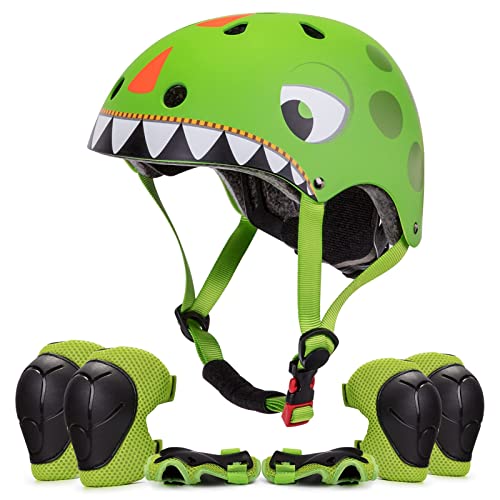
Children’s Dinosaur Bike Helmet and 7-Piece Pads Set, 50-54 cm
Original price was: £29.99.£21.79Current price is: £21.79. *View On Amazon* - Cycling Helmets
flintronic Winter Skull Cap Beanie with Fleece and Ear Covers, Dark Grey
£6.99 *View On Amazon* - Cycling Helmets
GripGrab Lightweight Summer Under-Helmet Cycling Cap with UPF 40+
£13.99 *View On Amazon* - Cycling Helmets
GripGrab Lightweight Under-Helmet Cycling Cap with UPF 40+ Protection
Original price was: £18.00.£14.00Current price is: £14.00. *View On Amazon* - Cycling Helmets
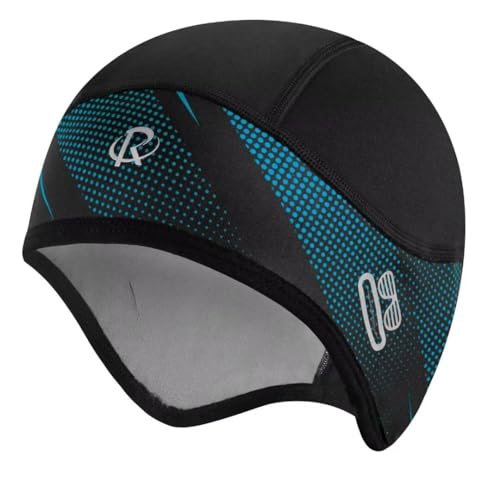
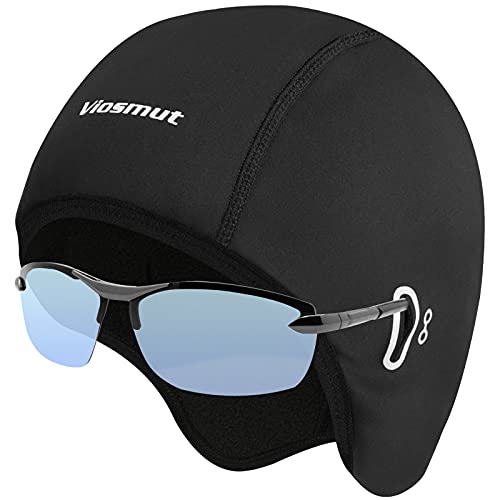
ROTTO Fleece-Lined Helmet Liner with Ear Covers and Glasses Slots
£9.49 *View On Amazon* - Cycling Helmets
ROTTO Fleece-Lined Cycling Skull Cap with Ear Covers and Glasses Slots
£9.49 *View On Amazon* - Cycling Helmets
ABUS Smiley 3.0 Kids Bicycle Helmet, Green Nordic, Size S
Original price was: £28.34.£25.49Current price is: £25.49. *View On Amazon* - Cycling Helmets
Altura Airstream Cycling Helmet Gloss Black S/M with 23 Vents
Original price was: £25.00.£23.86Current price is: £23.86. *View On Amazon*







What Are Cycling Helmets?
Cycling helmets are protective headwear made specifically for use on a bike. They are shaped to sit securely on the head while allowing comfort, airflow and movement during a ride.
A cycling helmet should fit properly, sit level on the head and fasten securely under the chin. Product designs vary, so it is worth comparing size, adjustment system, ventilation, coverage, weight and any safety feature information shown in the listing.
What Cycling Helmets Are Used For
Cycling helmets are used to reduce the risk of head injury in the event of a fall, collision or sudden loss of control. They are useful for commuting, road cycling, mountain biking, leisure riding, family cycling and regular fitness rides.
They can also improve everyday riding confidence. A well fitting helmet should feel secure without being uncomfortable, allowing you to focus on the road, path or trail rather than constantly adjusting your kit.
How To Choose The Right Cycling Helmet
Start with the type of riding you do most often. Road cyclists may prefer lightweight helmets with good ventilation, while mountain bike riders may look for extra rear coverage and secure fit features where listed. Commuters may value comfort, visibility details and practical styling.
Next, check the sizing. Measure your head circumference and compare it with the size guide where available. A helmet that is too loose may move around, while one that is too tight can become uncomfortable on longer rides.
Finally, think about comfort and adjustability. Look at strap layout, rear adjustment systems, padding, ventilation and how the helmet sits with glasses, hats, lights or other cycling accessories where compatible.
Key Features To Compare
Fit is the most important feature. A cycling helmet should sit level, cover the forehead without blocking vision and feel secure when fastened. Adjustable retention systems can help fine tune the fit, depending on the product.
Ventilation is also worth comparing. More vents may help airflow on warm rides or harder efforts, while more covered designs may feel better for everyday commuting or cooler conditions.
Coverage, weight, padding, strap comfort and visibility details can all affect how a helmet feels in regular use. Some helmets may also include added protection technologies, integrated lights, reflective elements or removable visors where listed.
Cycling Helmets Compared With General Sports Helmets
Cycling helmets are designed for bike riding, so they usually prioritise airflow, cycling fit and head coverage suited to riding positions. A general sports helmet may not sit correctly on a bike or may not offer the same comfort and ventilation for cycling use.
The trade off is that different cycling helmets are made for different types of riding. A road cycling helmet may feel light and airy, while a mountain bike helmet may offer more coverage. A commuter helmet may focus more on day to day practicality.
Road, Mountain Bike And Commuter Helmet Differences
Road cycling helmets are often designed with ventilation, lower weight and a streamlined shape in mind. They can be suitable for longer rides, training and faster road use, depending on the product.
Mountain bike helmets may offer more coverage around the rear and sides of the head, with visors or more rugged styling where listed. They are often chosen for trails, uneven ground and off road riding.
Commuter helmets usually focus on comfort, practicality and everyday use. Features such as reflective details, integrated lights or weather friendly styling may be useful where listed, especially for regular journeys.
Beginner, Regular Rider And Experienced Rider Guidance
Beginners should choose a helmet that fits well, feels comfortable and suits the type of cycling they are starting with. Simple adjustment, clear sizing and everyday comfort are more important than complicated features.
Regular riders may want to compare ventilation, weight, strap comfort and visibility details more closely. A helmet that feels fine for ten minutes may feel very different after an hour on the bike.
Experienced riders often choose helmets based on discipline, fit preference, airflow, coverage and compatibility with glasses or other kit. Small details such as retention system feel, pad placement and visor style can make a noticeable difference.
Use Cases By Rider Type And Activity
For commuting, look for a helmet that feels comfortable in regular use and works well with your route, clothing and visibility needs. Reflective details or light compatibility may be helpful where listed.
For road cycling, ventilation, low weight and a stable fit can be important, especially during longer or warmer rides.
For mountain biking, consider coverage, visor options and how securely the helmet sits during uneven movement. If you ride more technical trails, compare protection style carefully.
For leisure cycling, comfort and ease of adjustment are usually the main priorities. A helmet that is simple to fit and pleasant to wear is more likely to be used consistently.
Fit, Sizing And Adjustment
A cycling helmet should sit level on your head, with the front edge sitting above the eyebrows. It should not tilt far backwards or forwards, and it should not slide from side to side when adjusted.
The straps should form a comfortable shape around the ears, and the chin strap should fasten securely without digging in. Many helmets include a rear dial or adjustment cradle where listed, which can help achieve a closer fit.
Always check the size guide where available. If you are between sizes, compare the adjustment range carefully and consider how the helmet will feel with any thin cap or liner you may wear underneath where suitable.
Safety And Suitability Considerations
A cycling helmet can only help properly if it fits correctly and is used as intended. Always follow the product instructions and check any safety standard information provided on the product listing, packaging or manufacturer details where available.
Replace a helmet if it has been involved in a significant impact, even if damage is not obvious. You should also inspect the shell, straps, buckle and adjustment system regularly for cracks, wear or loose parts.
A helmet is only one part of safe cycling. It should be used alongside suitable bike lights, careful riding, road awareness and a bike that is maintained in good working order.
Compatibility With Other Cycling Kit
Think about how the helmet works with the rest of your cycling setup. It should sit comfortably with cycling glasses, sunglasses, caps, neck warmers and jacket collars where suitable.
If you use lights, action cameras or other accessories, check compatibility carefully and only use mounts or fittings where they are supported by the product. Adding unsuitable accessories can affect comfort and may interfere with the helmet design.
For mountain biking, also consider how the helmet works with goggles, visors and protective clothing where compatible.
Care, Maintenance And Storage
Keep your cycling helmet clean by following the care instructions supplied with the product. Removable pads may be washable where listed, but the main helmet shell should be cleaned gently and not exposed to harsh chemicals.
Store your helmet somewhere dry and away from extreme heat, heavy objects or direct damage. Avoid leaving it loose in the boot of a car or under other cycling kit where it could be knocked or crushed.
Check the helmet regularly before riding. Straps, buckles, padding and adjustment parts should all feel secure and in good condition.
Useful Accessories To Consider
Cycling helmets can work well with other safety and comfort accessories. Cycling lights, reflective clothing, cycling gloves, glasses, neck warmers and waterproof jackets can all help create a more practical riding setup depending on the conditions.
For commuters, pannier bags, mirrors and mudguards may also support everyday riding. For sport or trail riders, suitable eyewear, gloves and weather appropriate clothing can make the helmet feel like part of a complete cycling kit.
Why Buy From YPC?
At YPC, we understand active lifestyles and the need for practical products that work in real use. Cycling helmets should be chosen for fit, comfort, suitability and riding style, not just appearance.
YPC brings together a wide range of cycling products so you can compare helmet styles, features and suitability in one place. Browse the Cycling Helmets category to compare the available options and choose the right helmet for your riding needs.
FAQs
How do I choose the right cycling helmet?
Choose a cycling helmet based on your head size, riding style, fit preference and the features you need. Fit, adjustment, ventilation, coverage and comfort are the key things to compare.
How should a cycling helmet fit?
A cycling helmet should sit level on your head, feel secure when fastened and not move around easily. The straps should sit comfortably around the ears and fasten under the chin without feeling too tight.
Are road cycling helmets and mountain bike helmets different?
Yes. Road cycling helmets often focus on ventilation and low weight, while mountain bike helmets may offer more coverage and may include a visor where listed. Choose the style that suits the riding you do most often.
Do cycling helmets come in different sizes?
Yes, many cycling helmets are available in different sizes or with adjustable fit systems. Check the size guide where listed and measure your head circumference before choosing.
Should I replace my cycling helmet after a crash?
Yes, a helmet should usually be replaced after a significant impact, even if it looks fine. Hidden damage can affect how well it performs in another incident.
Can I wear a hat under a cycling helmet?
You can wear a thin cycling cap or liner under some helmets where suitable, but it must not affect the fit or make the helmet unstable. Thick hats are usually not ideal because they can change how the helmet sits.
Are cycling helmets suitable for commuting?
Yes, cycling helmets are suitable for commuting. Commuters may want to compare comfort, visibility details, easy adjustment and compatibility with lights or glasses where listed.
How do I look after a cycling helmet?
Clean it gently according to the care instructions, let removable pads dry properly where applicable, and store it away from heat, heavy pressure and knocks. Check the shell, straps and buckle regularly.
 Getting ready for Summer? View our Home and Garden Products

Heading outdoors this winter? Take a look at our Outdoor Clothing.