

Fishing Hats and Caps
Fishing hats and caps are designed to help anglers stay more comfortable during sessions by the water, whether they are fishing in sun, rain, wind or cold conditions. They are suitable for coarse anglers, carp anglers, lure anglers, fly anglers, sea anglers and anyone who wants practical headwear for outdoor fishing.
The right fishing hat or cap depends on the season, weather, fishing style, fit, brim shape, warmth, ventilation, water resistant claims where listed and how much coverage you want. A simple cap may suit mild days and active fishing, while a warm beanie, waterproof hat or wide brim hat may be better for more demanding conditions.
- Fishing Hats and Caps
Lucky Fishing Gift Set with Baseball Cap and Fishing Coin
Original price was: £8.49.£7.22Current price is: £7.22. *View On Amazon* - Fishing Hats and Caps
Embroidered Fishing Legend Cap with Bass and Splash Design
£12.99 *View On Amazon* - Fishing Hats and Caps
6 Pack Adjustable Hat Wind Clips and Strap Retainers
Original price was: £5.98.£3.59Current price is: £3.59. *View On Amazon* - Fishing Hats and Caps
Zylioo XL-3XL Sun Hat for Large Heads with Fold-Up Brim
£16.99 *View On Amazon* - Fishing Hats and Caps
Black Fishing Hat with GONE FISHING Embroidery and Adjustable Fit
Original price was: £9.49.£8.99Current price is: £8.99. *View On Amazon* - Fishing Hats and Caps
RVBFFXU The Fish Whisperer Fishing Hat Black Adjustable Baseball Cap
Original price was: £17.99.£14.99Current price is: £14.99. *View On Amazon* - Fishing Hats and Caps
Meng Jiaran Fishing Gift Set with Baseball Cap and Lucky Socks
Original price was: £9.99.£9.49Current price is: £9.49. *View On Amazon* - Fishing Hats and Caps
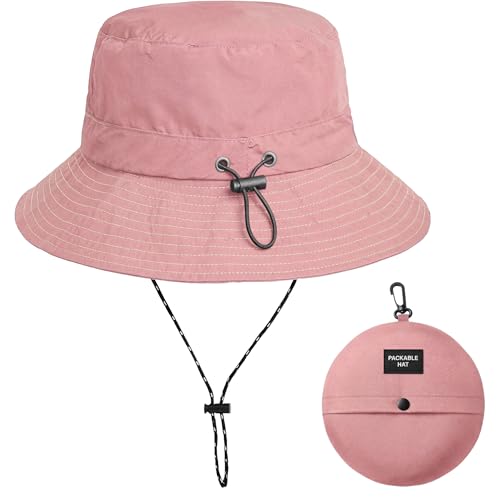
Zilaro Waterproof Foldable Bucket Hat with Adjustable String, Pink
Original price was: £6.99.£5.99Current price is: £5.99. *View On Amazon* - Fishing Hats and Caps
RUHSNJK The Rodfather Fishing Baseball Cap, Vintage Washed Black Adjustable
£9.99 *View On Amazon* - Fishing Hats and Caps
uinnossvc Outdoor Wide Brim Sun Hat with Neck Flap
Original price was: £7.99.£4.99Current price is: £4.99. *View On Amazon* - Fishing Hats and Caps
WTF Where’s The Fish Vintage 5-Panel Baseball Cap, Green
£15.95 *View On Amazon* - Fishing Hats and Caps
Lucky Fishing Socks, Hat and Keyring Gift Set for Men
Original price was: £12.29.£10.99Current price is: £10.99. *View On Amazon* - Fishing Hats and Caps
Tiakay Fishing Trucker Hat Adjustable Mesh Snapback Cap in Grey
£3.99 *View On Amazon* - Fishing Hats and Caps
Berkley Performance Trucker Cap, Black & Grey, Snapback Closure
£19.65 *View On Amazon* - Fishing Hats and Caps
Columbia Unisex Mesh Snap Back Ball Cap, Dark Mountain Grey, O/S
Original price was: £25.00.£15.99Current price is: £15.99. *View On Amazon* - Fishing Hats and Caps
Jeasona Fishing Cap for Men with “The RodFather” Embroidery
Original price was: £13.99.£11.89Current price is: £11.89. *View On Amazon*




What Are Fishing Hats And Caps?
Fishing hats and caps are practical headwear used by anglers during fishing sessions. They can include baseball style caps, wide brim hats, bucket hats, beanies, thermal hats, waterproof hats, neck flap hats and other outdoor headwear.
They are used for comfort, shade, warmth and protection from changing weather. Fishing often involves long periods outdoors, so a good hat can make a noticeable difference to how comfortable you feel during the session.
Some hats are designed for warm weather, while others are intended for cold or wet conditions. Always check the product details so you understand the intended use, material and care guidance before buying.
What Are Fishing Hats And Caps Used For?
Fishing hats and caps are used to help manage sun, rain, wind, cold and glare during fishing. A cap can help shade the eyes, especially when watching floats, spotting surface movement or looking across bright water.
Warm hats can help during winter fishing, early mornings, night sessions and exposed venues. Wide brim hats can offer more coverage around the face, ears and neck, depending on the design.
Headwear can also help keep hair, rain or loose clothing away from your face while casting, tying rigs or handling tackle. For many anglers, a reliable hat becomes part of the normal fishing kit.
How To Choose The Right Fishing Hat Or Cap
Start by thinking about when and where you fish most often. Summer sessions, winter fishing, sea fishing, fly fishing and carp fishing can all create different headwear needs.
For warmer weather, look at ventilation, brim shape, weight and shade coverage. For colder weather, warmth, lining, ear coverage and fit may matter more. For wet sessions, check whether the product has waterproof or water resistant claims where listed.
Fit is important. A hat that is too loose may blow off in the wind, while one that is too tight can become uncomfortable over a long session. Adjustable caps can be useful if you want a more flexible fit.
Key Features To Compare
When comparing fishing hats and caps, look at size, adjustability, brim style, warmth, ventilation, material, coverage, packability, water resistant claims where listed and ease of cleaning.
A peaked cap can be useful for shading the eyes and working well with polarised glasses. A bucket hat or wide brim hat can provide more all round coverage in sunny or showery conditions.
For cold weather, compare thickness, lining, ear coverage and whether the hat fits comfortably under a hood. For active fishing, choose headwear that stays secure without feeling too hot or bulky.
Caps, Bucket Hats, Beanies And Wide Brim Hats
Fishing caps are popular because they are simple, lightweight and useful for shading the eyes. They suit active fishing, summer sessions and general bank wear.
Bucket hats offer more coverage around the head and can be practical in changeable weather. They can suit anglers who want a softer hat that is easy to pack and wear for long periods.
Beanies and thermal hats are useful in cold weather. They help keep the head warmer during winter fishing, early starts and evening sessions.
Wide brim hats can offer more shade and coverage around the face and neck, depending on the design. They may suit summer fishing, fly fishing, river fishing or long days in open areas.
Beginner, Regular Angler And Experienced Angler Guidance
Beginners should choose a simple fishing cap or hat that suits the season and feels comfortable. A cap for mild weather and a warm hat for colder sessions can cover many starter needs.
Regular anglers may want different hats for different conditions. A cap, beanie and water resistant hat where listed can make it easier to adapt to changing UK weather.
Experienced anglers often choose headwear based on method and venue. A lure angler may want a secure lightweight cap, a carp angler may want warmth for long sessions, and a sea angler may want extra protection from wind and spray.
Fishing Hats For Different Angling Styles
Coarse anglers may use caps or bucket hats to help with float watching, general comfort and long sessions at the peg. A peaked cap can be useful when looking across bright water.
Carp anglers often spend long hours outdoors, including early mornings and nights. Warm hats, beanies and comfortable caps can all have a place in a carp fishing clothing setup.
Lure and fly anglers are often more mobile, so lightweight, secure and breathable headwear can be useful. Sea anglers may need hats that help with wind, cold, spray and exposed conditions.
Sun, Rain, Wind And Cold Weather Use
In sunny conditions, a cap or brimmed hat can help shade the face and eyes. If a product lists sun protection features, check the details carefully and still dress sensibly for the conditions.
In rain, a suitable hat can help keep water away from your face and improve comfort. Check whether the hat is waterproof, water resistant or simply designed for general outdoor use.
In cold weather, a beanie or thermal style hat can be useful for keeping warmer during static sessions. Wind can make conditions feel colder, so a secure fit matters.
Fit, Comfort And Visibility
A fishing hat should feel comfortable for the full session. It should sit securely without pressing too hard, slipping over your eyes or interfering with glasses, hoods or head torches.
Visibility matters when fishing. A cap brim can help reduce glare, but it should not block your view when casting, watching the water or moving around the bank.
If you wear polarised glasses, choose a hat that works comfortably with them. A peaked cap and polarised glasses can be a useful combination when trying to see into the water.
Safety Around Casting, Hooks And Water
Fishing hats and caps can support comfort, but they do not remove the need for care around water, hooks and casting. Make sure your hat does not block your view of people, trees, bankside obstacles or other anglers.
Take extra care in windy conditions. Loose hats can blow into the water or distract you while casting. A secure fit or chin strap where listed may be useful in exposed areas.
If fishing near tides, rivers, steep banks or slippery ground, focus on safe movement first. Headwear should be part of a practical clothing setup, not a substitute for good judgement.
Care, Cleaning And Storage
Fishing hats and caps should be cleaned and dried properly after use, especially if they have been exposed to rain, sweat, bait, mud, fish slime or saltwater air.
Follow the product care instructions, as some materials may need gentle cleaning or careful drying. Avoid using harsh methods unless the product guidance says they are suitable.
Store hats where they will not be crushed, trapped or left damp. A small storage bag or dedicated clothing pocket can help keep them ready for the next session.
Useful Accessories To Consider
Useful accessories for fishing hats and caps include polarised glasses, neck warmers, waterproof jackets, fishing gloves, bibs and salopettes, thermal layers, head torches, sun cream, towels and waterproof storage bags.
For cold sessions, a warm hat, gloves and neck warmer can work together well. For bright conditions, a cap and polarised glasses can help with comfort and visibility.
Why Buy Fishing Hats And Caps From YPC?
At YPC, we understand active lifestyles and the need for practical products that work in real use. Fishing hats and caps should be chosen carefully because comfort, fit, season and weather conditions all matter by the water.
Browse the Fishing Hats and Caps category at YPC to compare available options, check the details that suit your fishing style and choose headwear that helps you stay comfortable during your sessions.
Fishing Hats And Caps FAQs
What are fishing hats and caps?
Fishing hats and caps are practical headwear used by anglers for comfort, shade, warmth and weather protection. They can include caps, bucket hats, wide brim hats, beanies and thermal hats.
The best option depends on the season, weather and type of fishing you do.
Are fishing hats suitable for beginners?
Yes, fishing hats are suitable for beginners and can make sessions more comfortable. A simple cap for mild weather and a warm hat for colder days are useful starting points.
Beginners should choose headwear that fits well and suits the conditions they fish in most often.
What type of hat is best for fishing?
The best fishing hat depends on the weather and fishing style. Caps are useful for general fishing and shading the eyes, while beanies are better for cold weather.
Bucket hats and wide brim hats can offer more coverage in sunny or showery conditions.
Are fishing caps useful?
Yes, fishing caps are useful because they help shade the eyes and can make it easier to watch floats, lures or the water surface. They are also lightweight and easy to wear for long periods.
They work well with polarised glasses in bright conditions.
Are bucket hats good for fishing?
Bucket hats can be good for fishing because they offer coverage around the head and are often comfortable for long sessions. They can be practical in mild, sunny or changeable weather.
Check the product details for material, fit and water resistant claims where listed.
Are beanies good for fishing?
Beanies are useful for cold weather fishing, early mornings, night sessions and windy conditions. They can help keep your head warmer when sitting or standing for long periods.
Choose a beanie that fits comfortably and works with your jacket hood if needed.
What hat should I wear for summer fishing?
For summer fishing, a lightweight cap, bucket hat or wide brim hat can be useful. Look for comfort, ventilation and suitable shade coverage.
Also think about sun aware clothing choices and take care during long sessions in bright conditions.
What hat should I wear for winter fishing?
For winter fishing, a warm beanie or thermal hat is often useful. Ear coverage, lining and a secure fit can make cold sessions more comfortable.
A hat that fits under a hood may be helpful in wind or rain.
Are fishing hats waterproof?
Some fishing hats may be waterproof, while others may be water resistant or designed for general outdoor use. This depends on the product.
Always check the product details before buying if wet weather protection matters.
Do fishing hats help with glare?
A peaked cap or brimmed hat can help shade the eyes, which may make bright conditions more comfortable. It can be especially useful when looking across reflective water.
Polarised glasses can also help reduce glare and improve visibility into the water.
What hat is best for sea fishing?
For sea fishing, choose a hat based on wind, spray, cold and exposure. A warm beanie may suit winter sea fishing, while a secure cap or brimmed hat may suit milder conditions.
After saltwater sessions, clean and dry your hat according to the product guidance.
What hat is best for carp fishing?
Carp anglers may want different hats for different session lengths and weather. A cap can be useful in the day, while a warm beanie can help during early mornings, evenings and night sessions.
Comfort is important because carp fishing often involves long periods outdoors.
What hat is best for lure fishing?
For lure fishing, a lightweight, secure cap or hat is often practical because anglers move and cast regularly. It should stay in place and not block vision.
A peaked cap can also work well with polarised glasses.
Should a fishing hat have a chin strap?
A chin strap can be useful in windy or exposed locations, depending on the hat design. It may help stop the hat blowing away during casting or walking.
Not every angler needs one, but it can be practical for boat fishing, sea fishing or open banks.
How should a fishing cap fit?
A fishing cap should sit securely without feeling too tight. It should not slip over your eyes, move around in the wind or cause discomfort during long sessions.
Adjustable caps can be useful if you want a more flexible fit.
Can I wear a head torch with a fishing hat?
Yes, many anglers wear a head torch with a cap, beanie or other fishing hat during early starts, evening sessions or night fishing. The hat should fit securely enough to hold the torch comfortably.
Make sure the torch does not block your view or distract other anglers.
How do I clean fishing hats and caps?
Follow the product care instructions. In general, remove mud, sweat, bait or salt residue where suitable and allow the hat to dry properly before storage.
Avoid harsh washing or high heat unless the product guidance says it is safe.
What should I check before buying fishing hats and caps?
Check the size, fit, brim style, warmth, ventilation, material, water resistant claims where listed, care guidance and suitability for your fishing style.
The right hat should suit the season, venue and amount of time you spend by the water.