
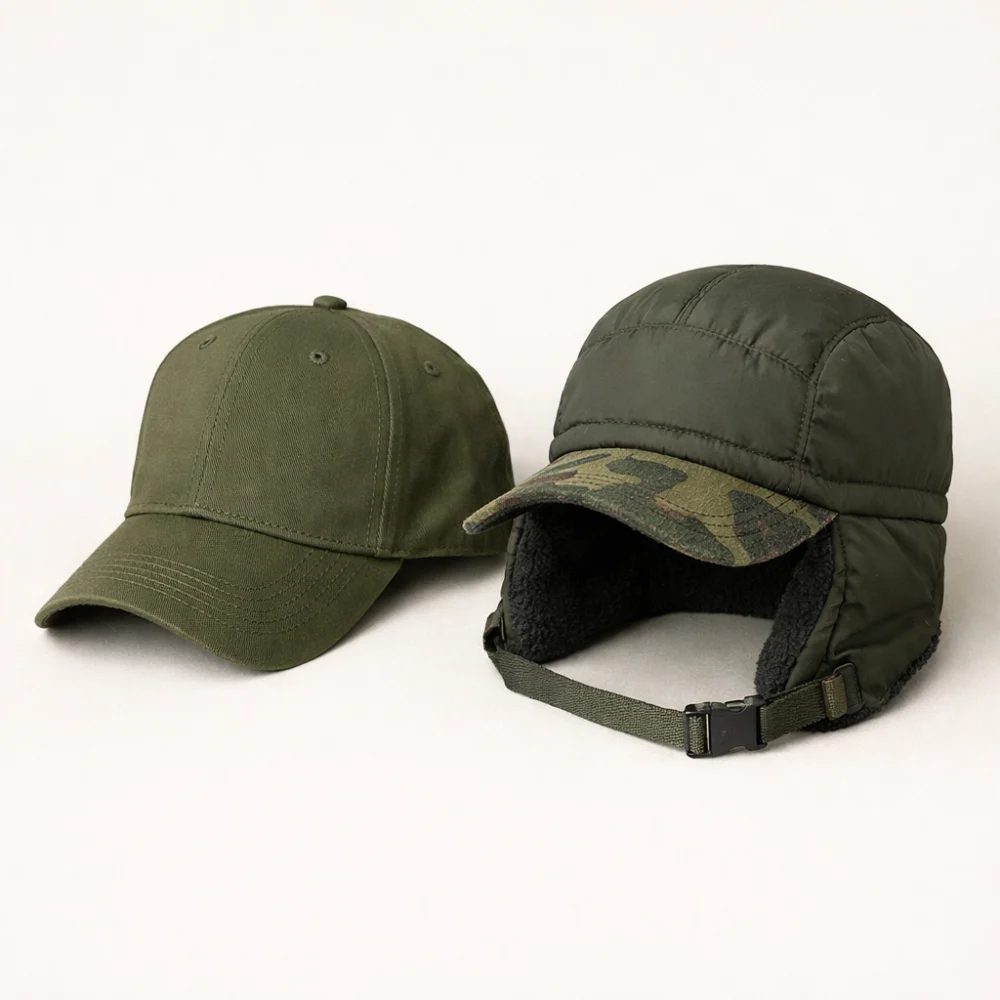
Fishing hats and caps are a simple part of angling clothing, but they can make a noticeable difference to comfort and visibility on a long session. The right choice usually depends on how much shade you want, how much coverage you prefer and whether you want something light, warm or easy to pack away.
Because anglers fish in very different conditions, there is no single style that suits everyone. Some buyers want a cap for everyday wear, while others prefer fuller coverage for colder, brighter or changeable weather.
This guide helps you compare the main options without overcomplicating the decision. It focuses on practical points such as fit, fabric, coverage and when a particular style is more useful than another.
What should you look for in a fishing hat or cap?
The best starting point is the conditions you expect to fish in most often. A cap is usually the simplest choice for everyday sun cover and easy wear, while a fuller hat or warmer knit style may suit colder sessions or more exposed waters. The main trade-off is coverage versus breathability and convenience: more coverage can mean more comfort in harsh conditions, but a lighter cap is often easier to wear all day.
Specifications vary by model, so always check the individual product page before buying.
| Feature | What it means | Why it matters | What to check |
|---|---|---|---|
| Style | Cap, brimmed hat or warmer knit style | Changes coverage, warmth and how the item feels to wear | Choose the style that fits the weather and your usual fishing spot |
| Fit | How securely and comfortably it sits on your head | A poor fit can feel distracting or less stable in windy conditions | Look for the stated size approach, adjustment method or stretch fit where shown |
| Coverage | How much shade or head coverage the design gives | Matters for glare, sun and colder conditions | Check brim shape, crown depth and whether the style covers more than the forehead |
| Material | The fabric or knit used | Affects comfort, warmth, drying time and how warm it feels | Look for lightweight, breathable or insulating descriptions where relevant |
| Packability | How easy it is to stow in a bag or pocket | Useful for travelling light or keeping a spare in your kit | Consider shape retention, softness and whether it folds neatly |
| Visibility and colour | The colour and finish of the hat or cap | Mostly a comfort and preference issue, but it can also affect how noticeable the item feels in low light | Pick a colour you will actually wear and that suits your usual fishing conditions |
Key decision criteria
Weather and season
Think first about when you fish most often. A lighter cap is often more comfortable in warmer weather, while a warmer hat or beanie-style option may feel better in cold or windy conditions. If you fish across seasons, a more versatile style may be the better value, even if it is not the most specialised option.
Brim, shade and glare control
For many anglers, the brim is the most important part of a cap because it helps reduce glare when looking towards the water. A firmer brim can be helpful if you want the shape to stay consistent, while a softer style may pack down more easily. Consider how much shade you want and whether you prefer a more structured or relaxed feel.
Fit and adjustability
Comfort matters more than many buyers expect, especially on longer sessions. Some fishing hats and caps rely on one-size or adjustable designs, while others use stretch or fitted styles. If you are buying for a gift or replacing a much-loved old cap, think about how the wearer likes their headwear to sit rather than choosing only by appearance.
Fabric and comfort
Materials affect how warm, light or breathable a hat feels. A breathable cap can be more comfortable when you are moving between swims or fishing in mild weather, while a warmer knit style is more suited to colder days. If you want one item that can cover several uses, look closely at how the product is described rather than assuming all fishing headwear works the same way.
Practical details
Small details can affect day-to-day use more than they first appear. A hat that packs away easily may be better for carrying in a tackle bag, while a more structured cap may feel better if you want it to keep its shape. If you fish in breezy locations, consider how secure the fit feels and whether the design seems appropriate for active use.
Common styles and what they suit
Fishing headwear is usually best thought of in broad style groups rather than exact technical categories. That makes it easier to match the item to how you fish.
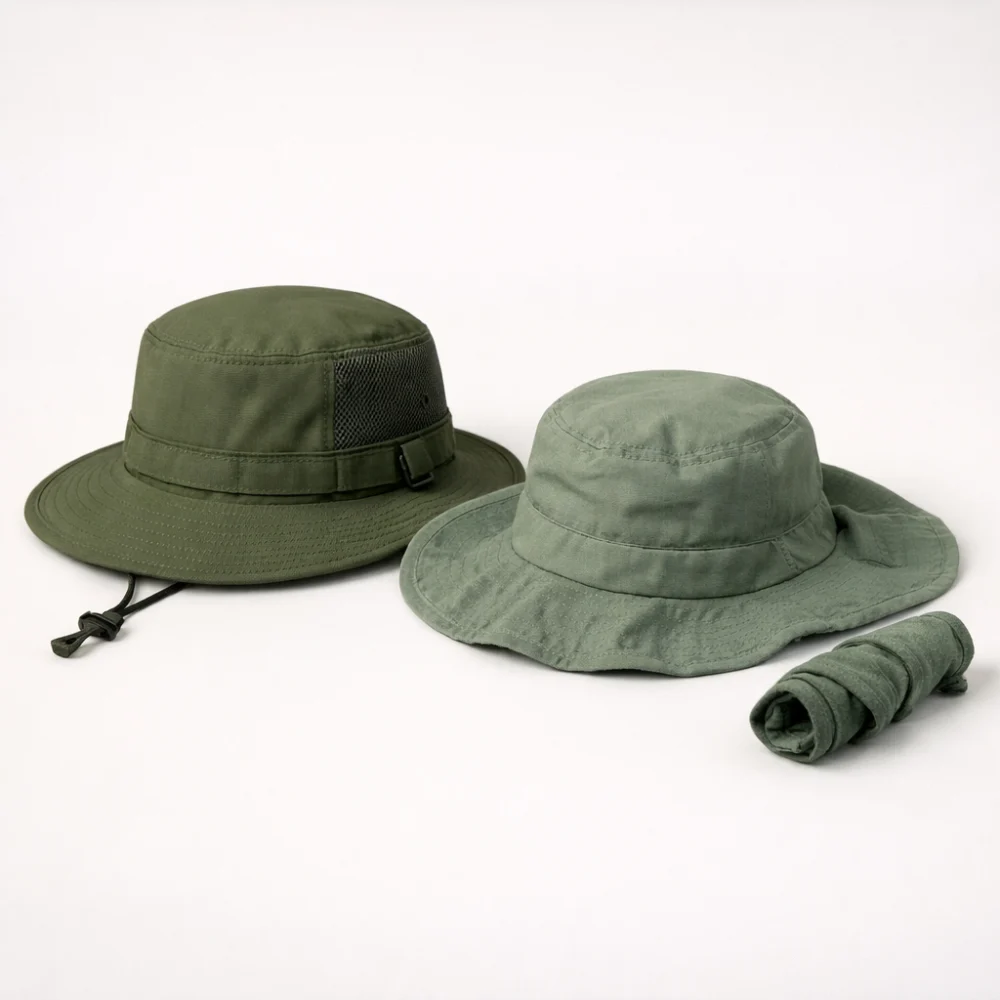
- Baseball-style caps: A practical everyday choice for shade and casual comfort. They are often easy to wear, but they may not offer as much warmth or coverage as fuller styles.
- Brimmed hats: Useful when you want broader shade around the face and neck area. They can feel less compact than a cap, so packability may matter more.
- Knitted or warmer styles: Better suited to colder conditions or sessions where warmth matters more than sun cover. They are usually less about shade and more about comfort in cooler weather.
- Novelty or gift-led designs: These can be appealing if you are buying for a present or want something with a more personal look. Just make sure the style still suits the fishing conditions it will be used in.
Choosing by buyer need
| Buyer need | What to prioritise | Why this helps |
|---|---|---|
| Casual all-round use | Comfortable fit, simple styling and easy wear | A versatile cap is often the easiest option for mixed conditions |
| Colder-weather fishing | More coverage or warmth, depending on the session | Helps keep the item useful when temperatures drop |
| Bright, exposed swims | Shade and a brim that suits your line of sight | Can make it easier to stay comfortable when glare is a factor |
| Gift buying | Broadly wearable style and flexible fit | Makes it easier to choose something that is likely to be worn |
| Travel-light anglers | Packability and low bulk | A softer, simpler design is often easier to store |
Common mistakes to avoid
- Choosing by look alone: A hat can look right but still feel wrong after a few hours. Match the style to the weather and the length of session.
- Ignoring fit: If a cap sits too tight, too loose or awkwardly on the crown, it is less likely to be worn often. Check how the fit is achieved.
- Overlooking coverage: A style that works well in mild weather may be less useful in bright sun or colder wind. Think about the conditions you actually fish in.
- Assuming one fishing hat does everything: Different styles solve different problems. A light cap and a warm hat are not interchangeable for every angler.
Safety and suitability notes
Headwear is a comfort and practicality purchase, so the main concern is suitability rather than complexity. Make sure the style does not obstruct your vision, feel unstable in the conditions you fish in or become uncomfortable during long wear. If you fish in strong sun, cold wind or wet weather, choose a hat that matches those conditions rather than relying on a general-purpose style.
Care, storage and everyday use
How you look after a fishing hat or cap depends on the material and construction. Some styles are easier to fold and store in a tackle bag, while structured caps may need a bit more care to keep their shape. If you are comparing options, it is sensible to think about how easily the item will dry, clean and pack away after a day on the bank.
How to compare options efficiently
- Decide whether you need shade, warmth or an all-round everyday cap.
- Compare the style and fit first, because those affect comfort most.
- Check the brim, coverage and packability against your usual fishing conditions.
- Look at the material description to judge whether it suits warm or cold use.
- Read the individual product page carefully before deciding.
Summary buyer decision checklist
- Does the style suit the weather you fish in most often?
- Will the fit feel comfortable for a full session?
- Do you want more shade, more warmth or easier packability?
- Is the material appropriate for your comfort preferences?
- Will the design be practical for everyday use, not just for looks?
- Have you checked the individual product page for the details that matter?
Frequently asked questions
What is the main difference between a fishing cap and a fishing hat?
A cap is usually chosen for straightforward shade and easy wear, while a hat may give broader coverage or a different level of warmth depending on the style. The better choice depends on whether you want sun cover, cold-weather comfort or something that packs away neatly.
Are fishing caps suitable for all seasons?
Some are fine for year-round use, but many are better suited to mild or warm conditions. If you fish through winter, you may prefer a warmer style for colder sessions and a lighter cap for brighter days.
How important is adjustability?
It matters a lot if you are unsure about fit or buying as a gift. An adjustable design can be easier to get right, but some buyers prefer the feel of a fitted or stretch style.
Should I choose a structured or soft cap?
Structured caps often hold their shape better, while softer styles are usually easier to pack away. The right choice depends on whether you value shape retention or portability more.
What should I check before buying online?
Check the style, fit approach, coverage and material description on the individual product page. Those details matter more than the name alone and will help you judge whether the item suits your usual fishing conditions.

