
Fishing Clothing and Footwear
Fishing clothing and footwear are designed to help anglers stay comfortable, organised and better prepared for changing conditions by the water. They are suitable for beginners, regular anglers and experienced fishers who need practical layers, outerwear, boots, waders, gloves, hats and other clothing for different fishing styles.
The right fishing clothing and footwear depend on where you fish, the season, weather, ground conditions, session length, mobility needs, fit, warmth, waterproofing where listed and how much kit you need to carry. A short summer session may only need light layers and sturdy footwear, while cold, wet or long sessions often need more protective clothing.
-

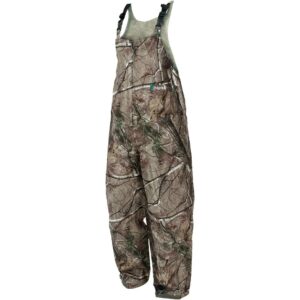
Fishing bibs and salopettes146 Products
-
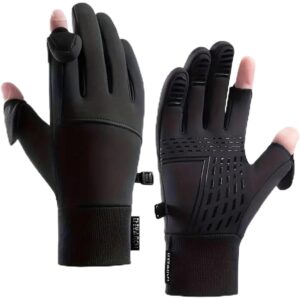
Fishing Gloves149 Products
-
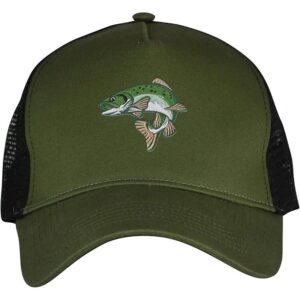
Fishing Hats and Caps155 Products
-
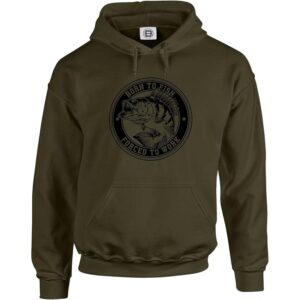
Fishing Hoodies and Fleeces122 Products
-
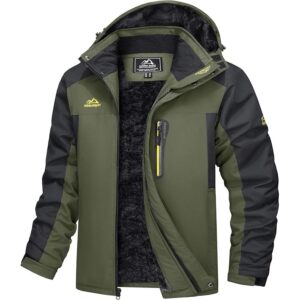
Fishing Jackets137 Products
-
Fishing Shirts257 Products
-
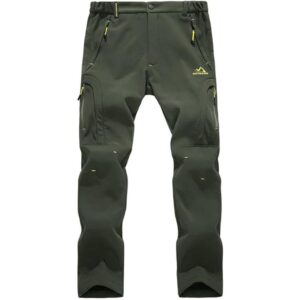
Fishing Trousers75 Products
-
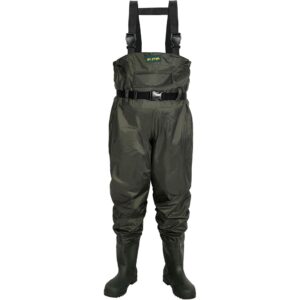
Fishing Waders155 Products
What Is Fishing Clothing And Footwear?
Fishing clothing and footwear includes the garments, boots and accessories worn while fishing. This can include jackets, trousers, bib and brace sets, thermal layers, hoodies, fleeces, gloves, hats, socks, wellington boots, walking boots, fishing boots, waders and other practical clothing.
The purpose is to help anglers manage weather, comfort and movement while spending time near lakes, rivers, canals, reservoirs, beaches or banks. Fishing often involves sitting, standing, walking, casting and handling wet gear, so clothing should be chosen for real outdoor use rather than looks alone.
What Is Fishing Clothing And Footwear Used For?
Fishing clothing and footwear are used to help protect against cold, rain, wind, mud, wet grass, slippery banks and long periods outdoors. Good clothing can make a fishing session more comfortable and can help you stay focused when conditions change.
Footwear is especially important because anglers often walk across uneven, muddy or wet ground. Suitable boots, wellingtons or waders can help provide better grip and keep feet drier, depending on the product and setting.
Clothing can also support organisation. Jackets, gilets and fishing trousers may include pockets or practical features where listed, helping anglers keep small tools, bait items, line cutters or accessories within reach.
How To Choose The Right Fishing Clothing And Footwear
Start by thinking about the places you fish most often. Canal banks, commercial fisheries, rivers, reservoirs, rocky marks and beaches all create different clothing and footwear needs.
Next, consider the weather and season. Winter fishing usually needs warm layers, thermal clothing, hats and gloves. Wet sessions may call for waterproof outerwear where listed. Summer sessions may need breathable clothing, sun protection and lighter footwear.
Fit and movement matter too. Clothing should allow you to cast, sit, kneel, walk and handle tackle without feeling restricted. Footwear should feel secure and suitable for the ground, especially if you walk long distances to reach your swim.
Key Features To Compare
When comparing fishing clothing and footwear, look at intended use, size, fit, warmth, waterproof or water resistant claims where listed, breathability, pocket layout, hood design, cuff style, sole grip, ankle support and ease of cleaning.
For jackets and trousers, think about whether you need lightweight rain protection, warm insulated clothing or a layering system. For footwear, compare sole type, height, support, comfort and whether the product is suitable for mud, wet grass, banks, paths or wading.
Storage and transport are also worth considering. Bulky winter clothing can be warm and comfortable, but it takes more room in a bag or car. Lightweight clothing is easier to pack, but may not be enough for cold or exposed sessions.
Waterproof Clothing, Thermal Layers And Everyday Fishing Wear
Waterproof fishing clothing is useful for wet weather, exposed venues and longer sessions where rain may arrive unexpectedly. Always check product details to confirm whether an item is waterproof, water resistant or simply designed as general outdoor wear.
Thermal layers are useful in colder conditions because they help retain warmth without relying only on a heavy coat. A base layer, fleece or insulated mid layer can be combined with outerwear depending on the weather.
Everyday fishing wear includes hoodies, fleeces, joggers, caps, T shirts and casual outdoor clothing. These items can be comfortable for mild weather, but they may need to be paired with more protective outerwear when conditions become wet, windy or cold.
Fishing Footwear, Boots And Waders
Fishing footwear should be chosen for the ground beneath your feet. Muddy banks, wet grass, gravel paths, rocks and shallow margins can all need different levels of grip, support and protection.
Wellington boots may suit wet banks, short walks and muddy pegs. Walking style boots may be better for longer distances or uneven ground where ankle support matters. Waders may be useful where safe, permitted wading is part of the fishing method.
Waders should be chosen carefully. Fit, sole type, depth, water conditions and safety all matter. Wading should only be done where it is allowed and safe, and anglers should take extra care around currents, drop offs, tides and slippery surfaces.
Clothing For Coarse, Carp, Predator And Sea Fishing
Coarse anglers may need comfortable clothing for sitting, moving between pegs and handling bait or groundbait. Practical pockets, waterproof layers and suitable footwear can make sessions easier.
Carp anglers often spend longer periods by the water, so warmth, waterproofs, shelters, boots and comfortable layers can be especially important. Night fishing or early starts may require more insulation than a short daytime trip.
Predator and lure anglers often move more, so lightweight layers, grippy footwear and compact clothing can be useful. Sea anglers may need extra protection from wind, spray, rocks, sand and changing coastal weather.
Beginner, Regular Angler And Experienced Angler Guidance
Beginners should start with sensible outdoor clothing and suitable footwear for the venue. A comfortable waterproof jacket where listed, warm layers and secure boots can be more useful than specialist items at first.
Regular anglers may want to build clothing around the seasons. A summer setup, wet weather setup and winter setup can make fishing more comfortable throughout the year.
Experienced anglers often choose clothing based on session length, mobility, stealth, warmth, storage and specific venue demands. Small details such as cuffs, hoods, boot grip and pocket access can matter more during regular fishing.
Fit, Layering And Mobility
Fishing clothing should fit well enough to keep you comfortable without restricting casting or movement. Sleeves, shoulders, waistbands and trouser length can all affect comfort during a full session.
Layering is often better than relying on one thick item. A base layer, mid layer and outer layer can be adjusted as conditions change. This is useful in the UK, where mornings can be cold, afternoons mild and rain never far away.
Mobility matters for lure fishing, river fishing and sessions where you move between swims. Heavy clothing can be warm, but it may become tiring if you walk a long way or carry lots of tackle.
Weather, Season And Session Length
Weather is one of the biggest reasons to choose fishing clothing carefully. Rain, wind, cold, heat and bright sun can all affect comfort and concentration.
For winter fishing, warmth and dryness are usually priorities. For summer fishing, breathable clothing, hats and suitable sun aware choices may be more important. For spring and autumn, flexible layers are often the most practical option.
Session length also changes what you need. A quick hour at a local pond may not require much, but a full day, overnight session or exposed sea fishing trip needs more thought.
Safety Around Water
Fishing clothing and footwear should support safer movement near water, but no item removes risk completely. Take care on wet banks, muddy slopes, rocks, weed, pontoons and tidal areas.
Footwear with suitable grip is important, especially where the ground is uneven or slippery. Avoid rushing, keep your tackle organised and be careful when moving with rods, nets or bait buckets.
If fishing in remote areas, poor weather or near deep or moving water, plan ahead. Let someone know where you are going where appropriate, check conditions and follow venue guidance.
Care, Cleaning And Storage
Fishing clothing and footwear should be cleaned and dried properly after use. Mud, bait, saltwater, fish slime and damp grass can all make kit unpleasant if left untreated.
Follow the product guidance for washing, drying and maintaining waterproof or specialist materials. Some clothing may need careful cleaning to protect its performance, while boots and waders may need rinsing and drying before storage.
Store clothing and footwear somewhere clean, dry and ventilated. Do not leave damp boots, waders or jackets sealed in a bag for long periods if the product guidance advises drying first.
Useful Accessories To Consider
Useful accessories for fishing clothing and footwear include warm socks, hats, gloves, neck warmers, waterproof bags, boot bags, wader bags, spare laces, towels, hand warmers and clothing care products where suitable.
Polarised glasses can also be useful for reducing glare and seeing into the water more clearly. Head torches or small lights may be useful for early starts, evening sessions or night fishing where permitted.
The best clothing setup works alongside your wider fishing kit. Rods, reels, tackle, bait, nets and storage matter, but staying warm, dry and comfortable can make the whole session more enjoyable.
Why Buy Fishing Clothing And Footwear From YPC?
At YPC, we understand active lifestyles and the need for practical products that work in real use. Fishing clothing and footwear should be chosen carefully because comfort, fit, weather protection and ground conditions all matter.
Browse the Fishing Clothing and Footwear category at YPC to compare available options, check the details that suit your fishing style and choose clothing and footwear that helps you stay comfortable by the water.
Fishing Clothing And Footwear FAQs
What clothing do I need for fishing?
The clothing you need depends on the weather, season and type of fishing. Many anglers use layers, a suitable jacket, practical trousers, warm socks, gloves, hats and footwear that suits the ground.
For wet or cold sessions, waterproof outerwear and thermal layers can be useful where listed.
Is specialist fishing clothing worth buying?
Specialist fishing clothing can be useful if you fish regularly or spend long periods outdoors. It may offer practical features such as pockets, weather protection, warmth or freedom of movement depending on the product.
Casual anglers may start with good outdoor clothing and upgrade as their fishing becomes more regular.
What footwear is best for fishing?
The best fishing footwear depends on the venue. Wellington boots can suit muddy banks, while walking boots may be better for longer walks or uneven paths.
Waders may be useful where wading is safe and allowed, but they should be chosen and used carefully.
Do I need waterproof fishing clothing?
Waterproof fishing clothing can be useful in wet weather, long sessions and exposed venues. It can help keep you more comfortable when rain arrives.
Always check the product details to confirm whether an item is waterproof, water resistant or general outdoor clothing.
What should I wear for winter fishing?
For winter fishing, wear warm layers, thermal clothing, insulated outerwear where suitable, a hat, gloves and warm socks. Waterproof clothing may also be important in wet or windy conditions.
Layering helps you adjust if the temperature changes during the day.
What should I wear for summer fishing?
For summer fishing, lightweight breathable clothing, a cap or hat, suitable footwear and sun aware clothing choices can be useful. You may still want a light waterproof layer in case the weather changes.
Comfort and protection from sun, insects and rough banks are worth considering.
Are waders necessary for fishing?
Waders are not necessary for all fishing. They are useful only when the fishing method and venue require safe access into shallow water.
Always check venue rules and conditions before wading. Take care around currents, tides, soft ground and sudden depth changes.
What is the difference between chest waders and thigh waders?
Chest waders come higher up the body and may be used in deeper safe wading situations. Thigh waders cover the legs to a lower height and may suit shallower water or bank work.
The right choice depends on the water, method, safety and comfort.
Are wellington boots good for fishing?
Wellington boots can be useful for muddy banks, wet grass and short walks around fisheries. They are simple and practical for many coarse and carp fishing sessions.
For long walks or rough ground, footwear with more support may be more comfortable.
Are walking boots good for fishing?
Walking boots can be useful when you need grip, ankle support and comfort over longer distances. They may suit river fishing, lure fishing or venues with uneven paths.
They may not be suitable for standing in deep water unless specifically designed for wet use.
What should I wear for sea fishing?
Sea fishing often requires clothing that can handle wind, spray, cold and rough ground. Waterproof layers, warm clothing, grippy footwear and gloves can be useful.
Take extra care on rocks, piers, beaches and tidal marks, as conditions can change quickly.
What should I wear for carp fishing?
Carp fishing often involves longer sessions, early starts or overnight stays. Warm layers, waterproof outerwear, comfortable trousers, boots, hats and gloves can all be useful.
If you sit for long periods, warmth and comfort become especially important.
What should I wear for lure fishing?
Lure fishing often involves walking and casting regularly, so lightweight layers and supportive footwear can be useful. A compact waterproof jacket may also help in changeable weather.
Choose clothing that allows easy casting and movement.
How should fishing clothing fit?
Fishing clothing should allow you to cast, sit, walk and handle tackle comfortably. It should not feel too tight around the shoulders, arms or waist.
If you plan to wear layers underneath, allow enough room without making the clothing too loose or awkward.
How do I care for fishing waterproofs?
Follow the product care guidance carefully. Some waterproof clothing may need gentle washing, specific cleaning products or reproofing depending on the material.
Avoid storing waterproof clothing while damp if the guidance recommends drying first.
How do I clean fishing boots?
Remove mud, grass and grit after use, then wipe or rinse the boots if suitable. Let them dry naturally where possible and store them away from direct heat if the product guidance recommends it.
Check soles, seams and laces regularly for wear.
How do I store waders?
Waders should usually be cleaned, dried and stored carefully to avoid damage. Do not leave them crumpled, wet or trapped under heavy gear for long periods.
Follow the product instructions for drying, folding and storage.
What should I check before buying fishing clothing and footwear?
Check the size, fit, intended use, warmth, waterproof or water resistant claims where listed, footwear grip, storage needs and suitability for the fishing venue.
The best choice is clothing and footwear that suits the weather, ground conditions and type of fishing you do most often.
 Getting ready for Summer? View our Home and Garden Products

Heading outdoors this winter? Take a look at our Outdoor Clothing.