
Kid's Ski Jackets
Kid’s ski jackets are designed to help children stay warm, comfortable and protected during ski lessons, family snow holidays, indoor snow sessions and winter outdoor activities. They are suitable for young beginners, school ski trips, regular family skiers and children who need practical outerwear for cold, snowy or wet conditions.
The right kid’s ski jacket depends on the child’s age, size, warmth needs, destination, weather, layering system, waterproof features where listed, hood design, cuffs, pockets, snow protection, ease of movement and how comfortably the jacket works with ski trousers, gloves, helmets and base layers.
- Kid's Ski Jackets
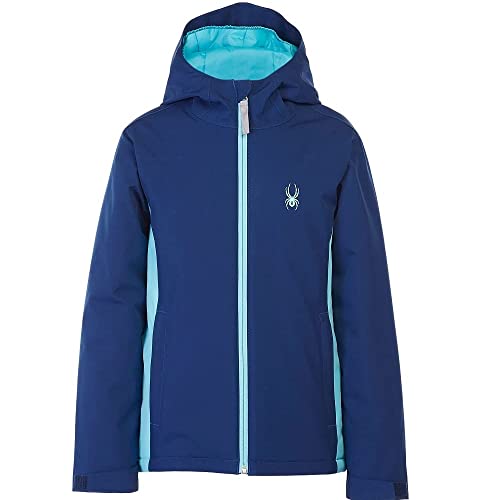
Columbia Youth Boys Arctic Blast 2 Ski Jacket XL Mountain Blue/Collegiate Navy
£43.31 *View On Amazon* - Kid's Ski Jackets
Mountain Warehouse Honey Kids Ski Jacket – Magic Purple, Size 9-10 Years
£27.75 *View On Amazon* - Kid's Ski Jackets
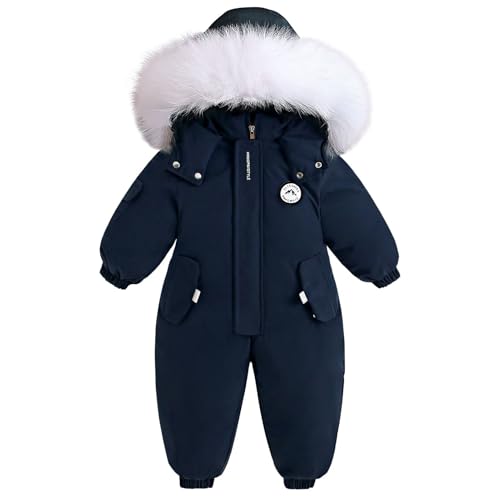
BRONG Toddler Snowsuit Romper Blue 12-18 Months
Original price was: £36.97.£34.99Current price is: £34.99. *View On Amazon* - Kid's Ski Jackets
Dare2b Unisex Kids Impose V Ski Jacket, Black Iron Gate, 15 Years EU
£39.24 *View On Amazon* - Kid's Ski Jackets
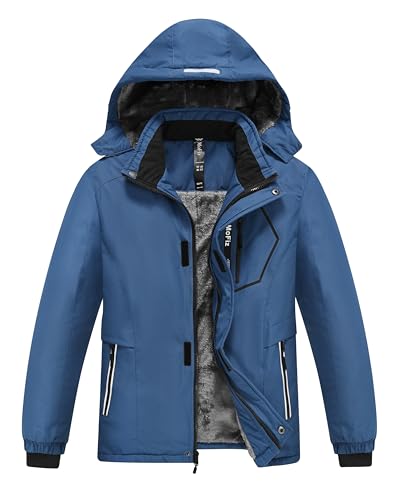
MoFiz Kids Waterproof Ski Jacket Winter Hooded Coat Fleece Lined Jackets Windproof Snow Puffer Jacket 14-16 Years Denim Blue L
Original price was: £56.98.£54.98Current price is: £54.98. *View On Amazon* - Kid's Ski Jackets
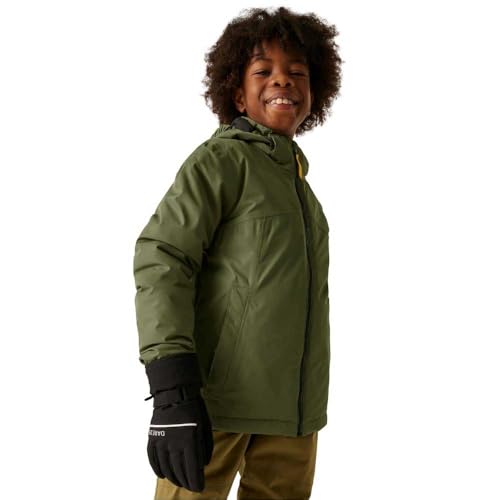
Dare2b Unisex Kids Impose V Ski Jacket, Martini Olive, 11 Years EU
£34.05 *View On Amazon* - Kid's Ski Jackets
Mountain Warehouse Snowdrop Printed Kids Ski Jacket, Dark Purple, Age 9-10 Years
£29.99 *View On Amazon* - Kid's Ski Jackets
Mountain Warehouse Arctic Padded Kids Ski Jacket, Light Teal, 9-10 Years
£39.99 *View On Amazon* - Kid's Ski Jackets
MoFiz Girls’ Snow Jacket Hooded Moon Orchid with Dark Grey L
£56.98 *View On Amazon* - Kid's Ski Jackets
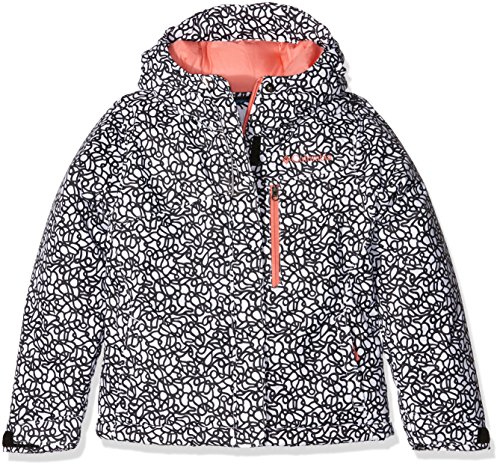
Columbia Girl's Alpine Free Fall Ski Jacket – Black Print, X-Large
£52.68 *View On Amazon*









What Are Kid’s Ski Jackets?
Kid’s ski jackets are winter sports jackets designed for children who are skiing, learning to ski or spending time in snowy mountain conditions. They are usually made to provide warmth, weather protection and freedom of movement while the child is active.
They are different from everyday winter coats because ski jackets are normally shaped for movement, layering and snow use. Depending on the product, they may include features such as snow skirts, adjustable cuffs, lift pass pockets, hoods, vents or reinforced areas.
A good ski jacket should help the child stay comfortable without feeling too bulky, too tight or difficult to move in.
What Are Kid’s Ski Jackets Used For?
Kid’s ski jackets are used for skiing, ski lessons, snow holidays, school ski trips, indoor snow centres, dry slope sessions where suitable and general cold weather outdoor wear.
They help protect against cold, wind, snow and light moisture where the product is suitable. They also provide pockets and practical features for gloves, lift passes, tissues, snacks or small essentials.
A ski jacket is only one part of a child’s skiing outfit. It should work with base layers, mid layers, ski trousers, gloves, ski socks, helmet and goggles for a complete setup.
How To Choose The Right Kid’s Ski Jacket
Start by thinking about where the jacket will be used. A short indoor lesson may need different warmth from a full week in the mountains.
Next, check the size and fit. A child needs enough room to move, bend, lift their arms and wear layers underneath, but the jacket should not be so large that it becomes awkward or leaves gaps.
Consider the weather and activity level. Some children get cold quickly, while others overheat when active. A jacket should suit both the conditions and the child’s comfort.
Key Features To Compare
When comparing kid’s ski jackets, look at size, fit, insulation where listed, waterproof features where listed, breathability where listed, hood design, cuff adjustment, snow skirt where listed, pocket layout, zip quality, sleeve length, hem adjustment and ease of cleaning.
Pockets can be useful for ski passes, tissues and small items, but they should be easy for the child or adult to use with gloves.
Cuffs and hems matter because snow can enter through gaps during falls or play. Adjustable openings where listed can help improve comfort and coverage.
Kid’s Ski Jackets Compared With Everyday Winter Coats
Everyday winter coats are designed for general cold weather, school runs and outdoor wear. They may be warm, but they are not always practical for skiing.
Kid’s ski jackets are usually designed with snow, movement and layering in mind. They may include ski specific features such as snow skirts, pass pockets, helmet friendly hoods or adjustable cuffs where listed.
The best choice depends on use. For skiing and snow holidays, a ski jacket is usually more suitable than a normal winter coat.
Kid’s Ski Jackets Compared With Snow Suits
A ski jacket is a separate upper layer worn with ski trousers or salopettes. This gives flexibility because the jacket and trousers can be sized, layered and replaced separately.
A snow suit or all in one suit covers the body in one garment. It can be useful for younger children, but it may be less flexible for toilet breaks, changing layers or replacing one part of the outfit.
The trade off is simplicity versus flexibility. Ski jackets and trousers are often practical for growing children and family ski holidays.
Beginner, Regular Skier And School Trip Guidance
Beginners need a ski jacket that is warm, comfortable and easy to move in. Early ski lessons often involve falls, snow contact and waiting time, so comfort matters.
Regular young skiers may benefit from more carefully chosen features, such as better pocket layout, adjustable cuffs, snow protection and layering compatibility where listed.
For school ski trips, clear labelling, easy zips, practical pockets and reliable warmth are useful. Children should be able to manage the jacket with limited help where possible.
Kid’s Ski Jackets For Ski Holidays
Ski holidays can involve long days outdoors, changing weather and a mix of skiing, lift queues, lessons and snow play. A suitable jacket helps children stay comfortable throughout the day.
Mountain weather can change quickly. Sun, snow, wind, cold mornings and warmer afternoons can all affect comfort, so layering under the jacket is important.
A ski jacket should also be easy to pack and dry after use. Wet or damp clothing can make the next day uncomfortable if not managed properly.
Kid’s Ski Jackets For Indoor Snow Centres
Indoor snow centres are cold but usually more controlled than mountain resorts. Children still need warm clothing, gloves and suitable layers, but the jacket may not need to handle the same range of weather as alpine skiing.
A comfortable ski jacket can help children focus on lessons rather than feeling cold. It should allow movement and work with the venue’s safety requirements.
Always check the indoor centre’s clothing guidance before attending, especially for first lessons.
Kid’s Ski Jackets For Dry Slopes
Dry slopes may have different clothing needs from snow slopes. Falls on dry slope surfaces can be abrasive, so long sleeves and suitable protective clothing are often important.
A ski jacket may be useful for warmth and coverage, but it should not restrict movement or make the child overheat during active sessions.
Check the dry slope’s own guidance before booking. Some venues have specific clothing requirements for safety.
Fit, Sizing And Growing Room
Fit is one of the most important parts of choosing a kid’s ski jacket. The jacket should allow movement, layering and comfortable arm reach.
Some growing room can be helpful, but a jacket that is too large may catch, ride up, leave gaps or make skiing harder. Sleeves that are too long can also interfere with gloves and poles.
Check the size guide where listed and consider the child’s height, chest size, arm length and usual clothing fit.
Warmth, Insulation And Layering
Warmth comes from the full clothing system, not just the jacket. Base layers, mid layers and outer layers all work together to help manage temperature.
Insulated jackets where listed can be useful for colder children or colder destinations. Lighter jackets may suit active children or milder conditions when paired with suitable layers.
Avoid relying on one bulky coat alone. Layers are often more adaptable because they can be adjusted through the day.
Waterproof Features And Snow Protection
Skiing often involves snow, falls, lifts and changing weather. Waterproof features where listed can help keep the child drier and more comfortable.
Snow protection can include cuffs, hems, snow skirts and covered zips depending on the jacket. These features can help reduce snow getting inside during falls or play.
No jacket should be treated as fully protective unless the product details support that claim. Always check the product information carefully.
Breathability And Comfort During Activity
Children can warm up quickly when skiing, especially during lessons or active snow play. Breathability where listed can help manage comfort by reducing clamminess.
Ventilation features where listed may also be useful, especially in spring skiing or active sessions. However, warmth is still important in cold weather and lift queues.
The aim is balance. A jacket should keep the child warm enough while still allowing movement and comfort.
Hoods, Helmets And Goggles
Hood design matters because children may wear helmets while skiing. Some jackets may have helmet compatible hoods where listed, while others may not fit comfortably over a helmet.
If a hood is used under or around a helmet, it should not affect helmet fit or visibility. Helmet safety and comfort should always come first.
The jacket should also work with goggles, neck warmers and collars. A collar that is too tight or too loose can affect warmth and comfort.
Cuffs, Gloves And Sleeve Fit
Cuffs help seal the jacket around the wrists. Adjustable cuffs where listed can improve fit with ski gloves or mittens.
Sleeve length should allow movement without exposing wrists. If sleeves are too short, snow and cold air can enter. If they are too long, they may make gloves awkward.
Glove and jacket compatibility matters. Ski gloves should sit comfortably with the cuffs so the child can hold poles and move freely.
Pockets, Lift Passes And Small Essentials
Pockets can make a ski jacket more practical. Children may need space for tissues, a snack, small accessories or a lift pass depending on the trip.
A lift pass pocket where listed can be useful at resorts because it makes lift access easier. Secure zipped pockets can help prevent small items falling out.
Avoid overloading children’s pockets. Too many items can make the jacket bulky and uncomfortable.
Visibility, Colour And Identification
Bright colours or visible details can help adults spot children more easily on the slope, especially in busy lessons or poor visibility. Reflective details where listed may also be useful.
For school trips, name labels and easy identification can help prevent jackets being mixed up. Children often have similar kit, especially in groups.
Visibility is useful, but it does not replace supervision, slope awareness and following instructor guidance.
Movement, Comfort And Ski Technique
A ski jacket should allow children to move freely. They need to bend, turn, lift arms, hold poles, sit on lifts and get up after falls.
A jacket that is too stiff, tight or bulky can make skiing more difficult. It may also make the child feel frustrated or restricted.
Comfort is especially important for beginners. If the child is warm and able to move, they can focus more on learning.
Kid’s Ski Jackets And Ski Trousers
A ski jacket should work well with ski trousers or salopettes. Together, they help protect the child from snow, cold and wind.
Check that the jacket length gives enough coverage when the child bends or sits. Gaps between jacket and trousers can let snow in during falls.
Some children may prefer salopettes for extra body coverage, while others may prefer trousers. Choose the combination that feels practical and comfortable.
Packing For A Child’s Ski Trip
A child’s ski trip usually needs more than one warm layer. A practical packing list may include ski jacket, ski trousers, base layers, mid layers, ski socks, gloves, spare gloves, helmet, goggles and neck warmer.
Spare items are useful because children’s gloves, socks and layers can become wet. Dry clothing can make the next session much more comfortable.
Keep the jacket labelled and easy to recognise. This is especially useful for school trips, clubs and shared accommodation.
Safety, Lessons And Slope Rules
A ski jacket supports comfort, but safe skiing also depends on lessons, supervision, helmet fit and following slope rules.
Children should ski on slopes that match their ability and listen to instructors. Clothing should not block vision, movement or hearing.
Before skiing, check zips, cuffs, pockets and layers. Loose straps, open zips or unsecured items can become annoying or unsafe during activity.
Care, Washing And Drying
Kid’s ski jackets should be cleaned and dried according to the care label. Snow, mud, food, sweat and travel dirt can build up during a trip.
Dry the jacket properly after use, especially before packing it away. A damp jacket can smell unpleasant and may be uncomfortable the next day.
Do not assume all ski jackets can be washed in the same way. Follow the product care instructions to help maintain usability.
Storage Between Ski Trips
After a ski holiday or lesson block, the jacket should be clean and dry before storage. Check pockets for tissues, snacks, lift passes or damp items.
Store the jacket somewhere dry and away from sharp objects, heavy boxes or damp sports kit. This helps protect zips, fabric and insulation where listed.
Before the next trip, check the fit again. Children grow quickly, so last season’s jacket may not still be suitable.
Useful Accessories To Consider
Useful accessories for kid’s ski jackets include ski trousers, salopettes, base layers, mid layers, gloves, mittens, ski socks, neck warmers, helmets, goggles, boot bags, name labels and spare gloves.
For family ski trips, packing cubes, waterproof bags, boot dryers and simple storage bags can also be useful.
The best children’s ski outfit is one where the jacket, trousers, layers, gloves, helmet and goggles all work together comfortably.
Why Buy Kid’s Ski Jackets From YPC?
At YPC, we understand active lifestyles and the need for practical products that work in real use. Kid’s ski jackets should be chosen carefully because warmth, fit, movement, snow protection, layering and destination all affect how useful they are.
Browse the Kid’s Ski Jackets category at YPC to compare available options, check the details that suit your child’s skiing plans and choose jackets that help make snow days warmer, more comfortable and better organised.
Kid’s Ski Jackets FAQs
What is a kid’s ski jacket?
A kid’s ski jacket is a winter sports jacket designed for children to wear while skiing or spending time in snowy conditions.
It helps provide warmth, movement and weather protection where the product is suitable.
Are kid’s ski jackets suitable for beginners?
Yes, kid’s ski jackets are suitable for beginners when they fit well and allow movement. Beginners need comfortable clothing that helps them stay warm during lessons and falls.
The jacket should work with suitable layers, gloves, helmet and goggles.
What should children wear under a ski jacket?
Children should usually wear a base layer and a mid layer under a ski jacket, depending on the weather. The layers should be warm, comfortable and easy to move in.
Avoid bulky layers that make the jacket tight or restrict movement.
Should a kid’s ski jacket be waterproof?
Waterproof features where listed can be very useful because children often fall, sit in snow or ski in changing weather.
Check the product details rather than assuming every jacket has the same level of protection.
Should a kid’s ski jacket be insulated?
Insulation where listed can be useful for colder conditions and children who feel the cold easily. Some jackets are lighter and rely more on layering.
Choose based on the destination, season and the child’s comfort.
How should a kid’s ski jacket fit?
A ski jacket should allow room for layers and movement without being too large. The child should be able to raise their arms, bend, turn and sit comfortably.
Sleeves should cover the wrists without making gloves difficult to wear.
Should I buy a ski jacket with growing room?
Some growing room is useful, but too much can make the jacket awkward and less effective. A jacket that is too large may leave gaps or restrict skiing movement.
Use the size guide where listed and check the child’s measurements.
Can children wear normal coats for skiing?
A normal coat may not be suitable for skiing because it may not handle snow, movement, falls or layering as well as a ski jacket.
For ski lessons and holidays, a proper ski jacket is usually the more practical choice.
What is a snow skirt on a ski jacket?
A snow skirt is an internal panel that helps reduce snow getting inside the jacket during falls or snow play where included.
Not every jacket has one, so check the product details.
Do kids ski jackets need hoods?
A hood can be useful off the slopes or in bad weather, but it should not interfere with helmet fit or visibility.
Helmet compatible hoods where listed may be useful for skiing conditions.
Do kids ski jackets need lift pass pockets?
A lift pass pocket can be useful on ski holidays because it makes lift access easier. It is not always essential for indoor lessons or short sessions.
Check pocket layout before buying.
Are bright ski jackets better for children?
Bright colours can make children easier to spot on busy slopes or in lessons. This can be useful for parents, teachers and instructors.
Visibility helps, but supervision and slope rules still matter.
What is the best ski jacket for a school ski trip?
A good school ski trip jacket should be warm, comfortable, easy to identify, practical to zip, suitable for layering and able to work with gloves, helmet and goggles.
Name labels and spare layers are also useful.
Can kid’s ski jackets be used for snow play?
Yes, many kid’s ski jackets can be useful for snow play where suitable. They can help keep children warmer and more protected than many everyday coats.
Snow trousers, gloves and boots are also important.
Can kid’s ski jackets be used for everyday winter wear?
Some kid’s ski jackets can be used as everyday winter jackets, depending on style, warmth and comfort. They may be bulkier than normal coats.
Check whether the jacket suits school, travel and daily use as well as skiing.
What jacket is best for indoor ski lessons?
For indoor ski lessons, children need warmth and movement. A comfortable ski jacket with suitable layers is usually useful, but the exact clothing depends on venue guidance.
Check the centre’s requirements before attending.
What jacket is best for dry slope lessons?
For dry slope lessons, clothing should allow movement and protect skin from friction if the child falls. A ski jacket may be useful, but the venue’s guidance should be followed.
Gloves and long sleeves are often important.
How do I care for a kid’s ski jacket?
Follow the care label. Clean off dirt where needed, dry the jacket properly after use and store it in a dry place.
Do not leave damp ski clothing packed away for long periods.
How do I store a kid’s ski jacket after a holiday?
Make sure the jacket is clean and dry, empty the pockets and store it somewhere dry. Check zips, cuffs and fit before the next trip.
Children grow quickly, so try it on before relying on it again.
What should I check before buying kid’s ski jackets?
Check size, fit, warmth, waterproof features where listed, breathability where listed, hood design, cuffs, snow skirt where listed, pockets, movement and compatibility with ski trousers, gloves, helmet and goggles.
The right jacket should keep the child comfortable, warm and able to move freely during skiing or snow activities.
 Getting ready for Summer? View our Home and Garden Products

Heading outdoors this winter? Take a look at our Outdoor Clothing.