
Skiing Equipment
Skiing equipment includes the clothing, protective gear, accessories and technical items used to ski safely, comfortably and confidently in snow conditions. It is suitable for beginners, regular skiers, families, school ski trips, holiday skiers and experienced skiers who need practical kit for dry slopes, indoor snow centres, resorts and mountain environments.
The right skiing equipment depends on your ability level, destination, weather, piste type, lesson needs, clothing layers, boot fit, helmet fit, goggles, gloves, storage, transport and whether you are buying personal kit or adding accessories to hired skis and boots.
-

Kid's Ski Jackets261 Products
-
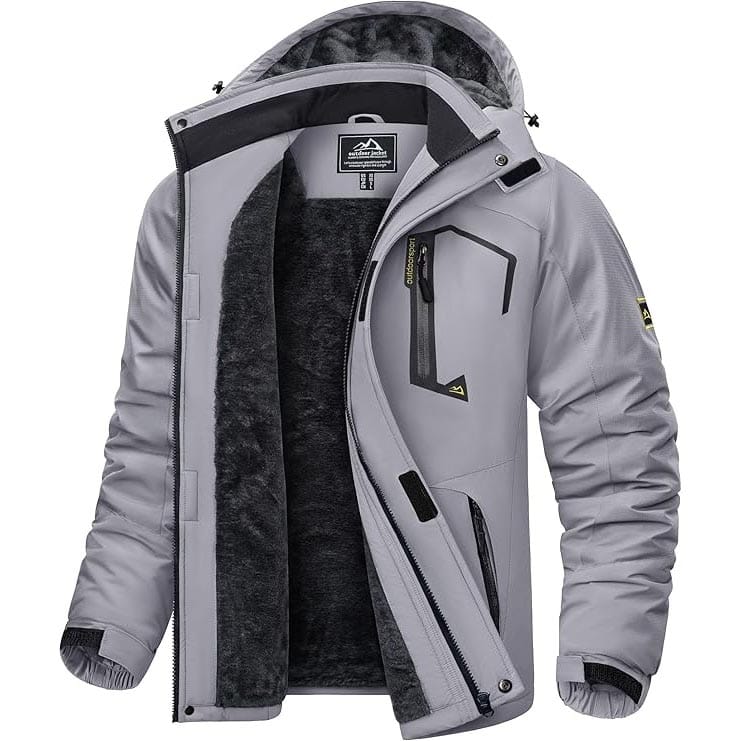
Men's Ski Jackets501 Products
-
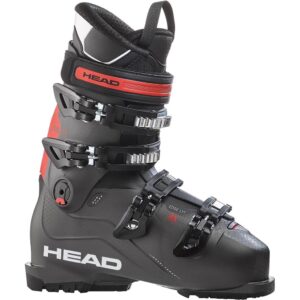
Ski Boots334 Products
-

Ski Helmets164 Products
-
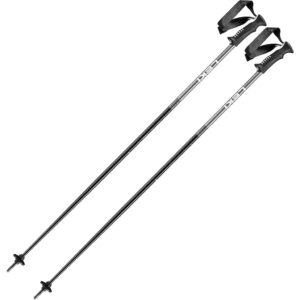
Ski Poles245 Products
-

Skis138 Products
-

Snowboards317 Products
-

Women's Ski Jackets153 Products
What Is Skiing Equipment?
Skiing equipment is the broad range of products used for skiing. This can include skis, ski boots, bindings, poles, helmets, goggles, gloves, base layers, ski jackets, ski trousers, socks, bags, boot carriers, tuning tools, wax, safety accessories and comfort items.
Some equipment is technical and needs careful fitting or professional setup, especially skis, boots and bindings. Other items are clothing or accessories designed to help keep the skier warm, dry, visible and comfortable.
A good skiing setup should match the skier, the snow conditions and the type of skiing being done. Equipment chosen for a first lesson may be very different from equipment chosen for regular alpine skiing or more demanding mountain use.
What Is Skiing Equipment Used For?
Skiing equipment is used to help skiers move, turn, stop, stay warm, protect themselves and manage conditions on the slope. Technical items such as skis, boots and poles support control and movement, while helmets, goggles and gloves support protection and comfort.
Clothing helps manage cold, wind, snow and moisture. Layering is important because conditions can change through the day, especially in mountain resorts.
Accessories such as bags, boot dryers, wax, tools and storage items can make travel, maintenance and organisation easier before, during and after a skiing trip.
How To Choose The Right Skiing Equipment
Start by thinking about where the equipment will be used. Indoor snow centres, dry slopes, beginner pistes, alpine resorts and advanced terrain can all need different kit choices.
Next, consider the skier’s ability level. Beginners usually need comfortable, easy to manage equipment, while experienced skiers may compare more technical features such as ski type, boot flex where listed, pole length and goggle lens options.
Fit is especially important. Ski boots, helmets, gloves, goggles and clothing should feel secure and comfortable without restricting movement. Poor fit can make skiing tiring, uncomfortable and less controlled.
Key Features To Compare
When comparing skiing equipment, look at intended use, fit, size, comfort, warmth, waterproof features where listed, breathability where listed, adjustability, compatibility, weight, packability, durability and ease of transport.
For technical equipment, check skier height, weight, ability level, boot compatibility, binding compatibility and whether professional adjustment is needed.
For clothing and accessories, check temperature suitability, layering options, pocket layout, glove warmth, goggle fit, helmet fit and whether the item suits the skier’s destination and expected weather.
Skiing Equipment Compared With Snowboarding Equipment
Skiing equipment is designed for skiing, where the skier uses two skis, ski boots, bindings and often poles. Ski boots are usually different from snowboard boots, and ski bindings work differently from snowboard bindings.
Snowboarding equipment is designed around a single snowboard, snowboard boots and snowboard bindings. Clothing and accessories such as helmets, goggles and gloves may overlap, but technical equipment is different.
Choose equipment based on the sport you are doing. Do not assume ski boots, snowboard boots, bindings or boards are interchangeable.
Skiing Equipment For Beginners
Beginners should focus on comfort, warmth, simple organisation and correct fit. Skiing can feel demanding at first, so equipment should support learning rather than make movement harder.
Many beginners hire skis, boots and poles for early lessons, but still buy personal items such as gloves, socks, base layers, helmets, goggles and suitable clothing.
Beginner equipment should be easy to wear, easy to pack and suitable for lessons. Comfort can make a big difference during the first few days on snow.
Skiing Equipment For Regular Skiers
Regular skiers may want to own more of their equipment because they understand their fit, preferences and skiing style more clearly. Personal boots, goggles, gloves and clothing can make trips more consistent.
Skiers who travel each season may also value ski bags, boot bags, tuning accessories, spare lenses, neck warmers, thermal layers and travel friendly storage.
Regular skiers should choose equipment that suits their normal terrain, weather and ability level rather than buying only for one unusual trip.
Skiing Equipment For Experienced Skiers
Experienced skiers often compare technical details more carefully. Ski type, boot fit, binding setup, pole feel, goggle lens options, helmet compatibility and clothing performance can all matter.
Advanced skiing may place greater demands on equipment because speed, terrain, snow type and weather can change quickly.
More experienced skiers should still check suitability carefully. Equipment should match the skier’s ability, physical needs and the conditions they plan to ski in.
Skiing Equipment For Children And Families
Children’s skiing equipment should be comfortable, warm and easy to manage. Children can lose heat quickly, so gloves, socks, base layers, hats, helmets and waterproof clothing all matter.
Fit should be checked carefully because children grow quickly. Equipment that is too large can be difficult to control, while equipment that is too small can be uncomfortable and cold.
Family ski trips also need organisation. Boot bags, name labels, spare gloves, extra socks and simple storage can help keep children’s kit together.
Skiing Equipment For Indoor Slopes And Dry Slopes
Indoor snow centres and dry slopes can be useful for lessons, practice and preparation before a ski holiday. Equipment needs may differ from mountain resorts.
For indoor snow, warm layers, gloves, suitable trousers, jacket, helmet and socks may be useful, depending on venue requirements. Some venues provide hire equipment, but personal clothing and accessories can improve comfort.
Dry slopes may require specific clothing to reduce friction and protect skin in case of falls. Always check the venue’s clothing and equipment guidance before attending.
Skiing Equipment For Ski Holidays
A ski holiday usually needs a full clothing and accessory setup, even if skis and boots are hired at the resort. Key items often include ski jacket, ski trousers, base layers, mid layers, gloves, helmet, goggles, ski socks and neck warmer.
Travel organisation matters. Ski gear can be bulky, so bags, packing cubes, boot bags and waterproof storage can help keep equipment together.
Check what is included with your hire package before travelling. Some packages include skis, boots and poles, while helmets or other items may be separate.
Skis, Boots And Bindings
Skis, boots and bindings are the core technical parts of a skiing setup. They should match the skier’s height, weight, ability, skiing style and snow conditions.
Ski boots are especially important because they connect the skier to the skis. A poor boot fit can cause discomfort and reduce control.
Bindings should be fitted and adjusted correctly by a qualified technician or suitable ski shop professional. Incorrect binding setup can increase risk and should not be guessed.
Ski Poles And Balance
Ski poles help with rhythm, balance, pushing on flat areas and timing turns. The right pole length depends on the skier and intended use.
Beginners may use poles once they are ready, depending on the lesson structure and instructor guidance. Children and first time skiers may not always use poles immediately.
Pole grips, straps and baskets should suit the skier and conditions. Poles should feel comfortable without being awkward to hold.
Ski Helmets And Head Protection
Ski helmets are designed to help protect the head during skiing. A helmet should fit securely, feel comfortable and work with goggles without leaving awkward gaps.
Helmet size and adjustment matter. A helmet that moves around too much or feels painfully tight is not suitable.
A helmet does not remove risk, so skiers should still ski within their ability, follow piste rules and stay aware of other slope users.
Ski Goggles And Visibility
Ski goggles help protect the eyes from snow, wind, glare and cold air. They can improve comfort and visibility in changing weather.
Lens choice where listed can affect how well goggles perform in bright sun, flat light, cloud, snow or low visibility. Some skiers may want different lens options for different conditions.
Goggles should fit well with the helmet. Poor fit can cause gaps, pressure points, fogging or reduced comfort.
Ski Gloves, Mittens And Hand Warmth
Ski gloves and mittens help keep hands warm and protected. Cold hands can make skiing uncomfortable and can affect grip, confidence and control.
Mittens can feel warmer for some skiers because fingers share warmth, while gloves may offer better dexterity. The best choice depends on personal preference and conditions.
Wrist closure, insulation, waterproof features where listed and grip should all be checked. Spare gloves can be useful for children or wet weather.
Ski Jackets, Trousers And Outer Layers
Ski jackets and trousers help protect against snow, wind and cold. They should allow movement while helping keep the skier warm and dry.
Look for features such as adjustable cuffs, snow skirts, vents, pockets, reinforced areas and waterproof or breathable details where listed.
Outer layers should work with base layers and mid layers. Too much bulk can restrict movement, while too little insulation can make cold conditions difficult.
Base Layers, Mid Layers And Ski Socks
Layering is important for skiing. Base layers sit close to the skin and help manage warmth and moisture, while mid layers add insulation.
Ski socks should be chosen carefully. Thick everyday socks are not always the best choice because they can bunch inside boots and create pressure points.
Good layering allows skiers to adjust to changing temperature. It is often better to use several suitable layers than rely on one heavy item.
Ski Bags, Boot Bags And Travel Storage
Ski bags, boot bags and travel storage help protect equipment and keep kit organised. They are useful for holidays, lessons, school trips and regular ski travel.
A boot bag can keep ski boots separate from clothing and make transport easier. A ski bag can help protect skis during travel where suitable.
Storage products should be strong enough for the equipment and easy to carry. Wet gear should be dried properly before longer storage.
Ski Maintenance, Waxing And Tuning Accessories
Ski maintenance products can help keep skis in better condition where the skier owns their equipment. This can include wax, scrapers, brushes, edge tools and tuning accessories.
Maintenance needs depend on how often skis are used, snow conditions and whether the skier prefers professional servicing.
Beginners and holiday skiers may prefer to use professional ski servicing rather than tune skis themselves. Sharp edges and hot wax equipment should be handled carefully.
Avalanche, Off Piste And Mountain Safety Equipment
Skiing away from marked pistes can involve serious risks, including avalanche danger, difficult terrain, changing weather and navigation problems. It should only be done with proper training, local knowledge and suitable safety equipment.
Avalanche transceivers, probes, shovels, packs and other mountain safety products may be required for off piste skiing, but owning equipment is not the same as knowing how to use it.
Anyone considering off piste skiing should seek qualified instruction and follow local mountain safety advice. For normal piste skiing, stay within marked areas and follow resort rules.
Fit, Comfort And Trying Equipment On
Fit is one of the most important parts of skiing equipment. Boots, helmets, goggles, gloves and clothing all need to feel right before a full day on the slope.
Try equipment with the layers you expect to wear. Ski socks should be tested inside boots, goggles should be checked with the helmet, and gloves should be checked with jacket cuffs.
Comfort problems often become worse during a ski day. Pressure points, tight areas, cold gaps and restricted movement should be addressed before travelling where possible.
Weather, Temperature And Snow Conditions
Skiing conditions can change quickly. Bright sun, heavy snow, wind, flat light, cold mornings and warmer afternoons can all happen during the same trip.
Equipment should be chosen for the likely range of conditions. Goggles, layers, gloves and outerwear are especially important for comfort and visibility.
Always check resort guidance and weather information before skiing. Equipment helps, but good decisions and sensible planning matter too.
Safety, Lessons And Responsible Skiing
Skiing equipment should support safe skiing, but it does not replace lessons, awareness or control. Beginners should learn with suitable instruction and stay on slopes that match their ability.
Follow piste signs, lift rules and local instructions. Ski at a speed you can control and keep enough space around other people.
Equipment should be checked before each day. Straps, buckles, clips, bindings, helmets, goggles and gloves should all be ready before heading to the slopes.
Care, Cleaning And Storage
Skiing equipment should be cleaned, dried and stored properly after use. Snow, moisture, salt from roads, mud and sweat can affect clothing, boots, bags and accessories.
Boot liners and gloves should be dried carefully after skiing. Wet kit left packed away can become unpleasant and may reduce comfort next time.
Skis should be dried before storage, and edges should be checked for damage where relevant. Technical maintenance should be handled according to product guidance or by a suitable professional.
Useful Accessories To Consider
Useful skiing accessories include helmets, goggles, gloves, ski socks, neck warmers, base layers, boot bags, ski bags, hand warmers, sunscreen, lip balm, boot dryers, luggage tags, tuning tools and storage bags.
For families, spare gloves, spare socks, child friendly bags and simple organisation can make trips easier. For regular skiers, maintenance tools, spare lenses and travel storage may be useful.
The best skiing setup is one where clothing, protection, technical equipment, storage and safety all work together.
Why Buy Skiing Equipment From YPC?
At YPC, we understand active lifestyles and the need for practical products that work in real use. Skiing equipment should be chosen carefully because fit, warmth, protection, compatibility, comfort and destination all affect how useful it is.
Browse the Skiing Equipment category at YPC to compare available options, check the details that suit your skiing plans and choose kit that helps make slope time more comfortable, organised and enjoyable.
Skiing Equipment FAQs
What is skiing equipment?
Skiing equipment is the kit used for skiing, including skis, boots, bindings, poles, helmets, goggles, gloves, clothing, bags and accessories.
Some items are technical, while others support warmth, protection, storage and comfort.
What skiing equipment do beginners need?
Beginners usually need warm ski clothing, gloves, ski socks, goggles and a helmet. Skis, boots and poles may often be hired for early lessons or holidays.
Check what your lesson centre or resort provides before buying.
Should beginners buy or hire skis?
Many beginners hire skis at first because it allows them to learn before committing to a personal setup. Buying may make more sense once the skier knows their ability level and preferences.
Boots, helmets, goggles and clothing are often bought earlier because personal fit and comfort matter.
What should I wear for skiing?
Typical ski clothing includes base layers, mid layers, ski jacket, ski trousers, ski socks, gloves, helmet and goggles.
The exact choice depends on weather, temperature, activity level and destination.
Do I need a ski helmet?
A ski helmet is strongly recommended for skiing and may be required by some schools, resorts or lesson providers. It should fit securely and work well with goggles.
A helmet helps with protection but does not remove the need to ski responsibly.
Do I need ski goggles?
Ski goggles are useful because they protect the eyes from wind, snow, glare and cold air. They can also improve visibility in changing conditions.
Choose goggles that fit well with your helmet.
What is the difference between ski goggles and sunglasses?
Ski goggles provide more coverage and protection from wind, snow and cold. Sunglasses can be useful in some bright conditions but may not protect as well in snow, wind or falling weather.
Many skiers prefer goggles for normal slope use.
What gloves are best for skiing?
The best ski gloves are warm, comfortable and suitable for the expected weather. Mittens may feel warmer for some people, while gloves give more finger movement.
Check insulation, fit, grip and waterproof features where listed.
What socks should I wear in ski boots?
Ski socks should be comfortable, smooth and suitable for ski boots. Avoid bulky everyday socks that bunch up or create pressure points.
One good pair of ski socks is usually better than several thick layers.
How should ski boots fit?
Ski boots should feel secure and supportive without causing painful pressure. They should hold the foot and lower leg firmly enough for control.
Boot fitting is important, and specialist fitting advice can be useful, especially for regular skiers.
Can I use normal winter clothes for skiing?
Some normal winter clothing may not suit skiing because skiing involves movement, snow, falls, wind and changing temperature. Ski specific clothing is usually more practical.
Check warmth, waterproof features, movement and fit before using any clothing on the slopes.
What are ski poles used for?
Ski poles help with balance, rhythm, pushing on flat areas and timing turns. They are commonly used by skiers once they are ready for them.
Pole length should suit the skier and intended use.
What is ski layering?
Ski layering means wearing base layers, mid layers and outer layers so warmth and moisture can be managed. Layers can be adjusted as conditions change.
This is useful because mountain weather can vary through the day.
What skiing equipment do children need?
Children usually need warm layers, ski jacket, ski trousers, gloves, ski socks, helmet and goggles. Skis, boots and poles may often be hired.
Fit and warmth are especially important because children can get cold quickly.
What equipment do I need for an indoor ski slope?
Indoor slopes may require warm clothing, gloves, long trousers, socks, helmet and suitable footwear or ski equipment depending on the venue. Many centres offer hire equipment.
Check the venue requirements before attending.
What equipment do I need for a dry ski slope?
Dry slopes may require gloves, long sleeves, long trousers and suitable protective clothing because falls can cause friction burns. Equipment rules vary by venue.
Always check the slope’s guidance before your session.
Do I need special equipment for off piste skiing?
Off piste skiing requires specialist knowledge, suitable equipment and local safety awareness. Avalanche safety equipment may be needed, but training is essential.
Do not ski off piste without proper instruction and guidance.
How do I look after skiing equipment?
Dry clothing, gloves and boots after use. Wipe skis where relevant, check equipment for damage and store items in a dry place.
Technical servicing should be done according to product guidance or by a suitable professional.
What accessories are useful for skiing?
Useful accessories include boot bags, ski bags, neck warmers, hand warmers, spare socks, spare gloves, sunscreen, lip balm, goggle cloths, boot dryers and storage bags.
The most useful accessories depend on whether you are skiing for lessons, holidays or regular trips.
What should I check before buying skiing equipment?
Check size, fit, intended use, warmth, waterproof features where listed, compatibility, comfort, transport needs, destination and ability level.
The right skiing equipment should match the skier, the slope conditions and the type of skiing planned.
 Getting ready for Summer? View our Home and Garden Products

Heading outdoors this winter? Take a look at our Outdoor Clothing.