
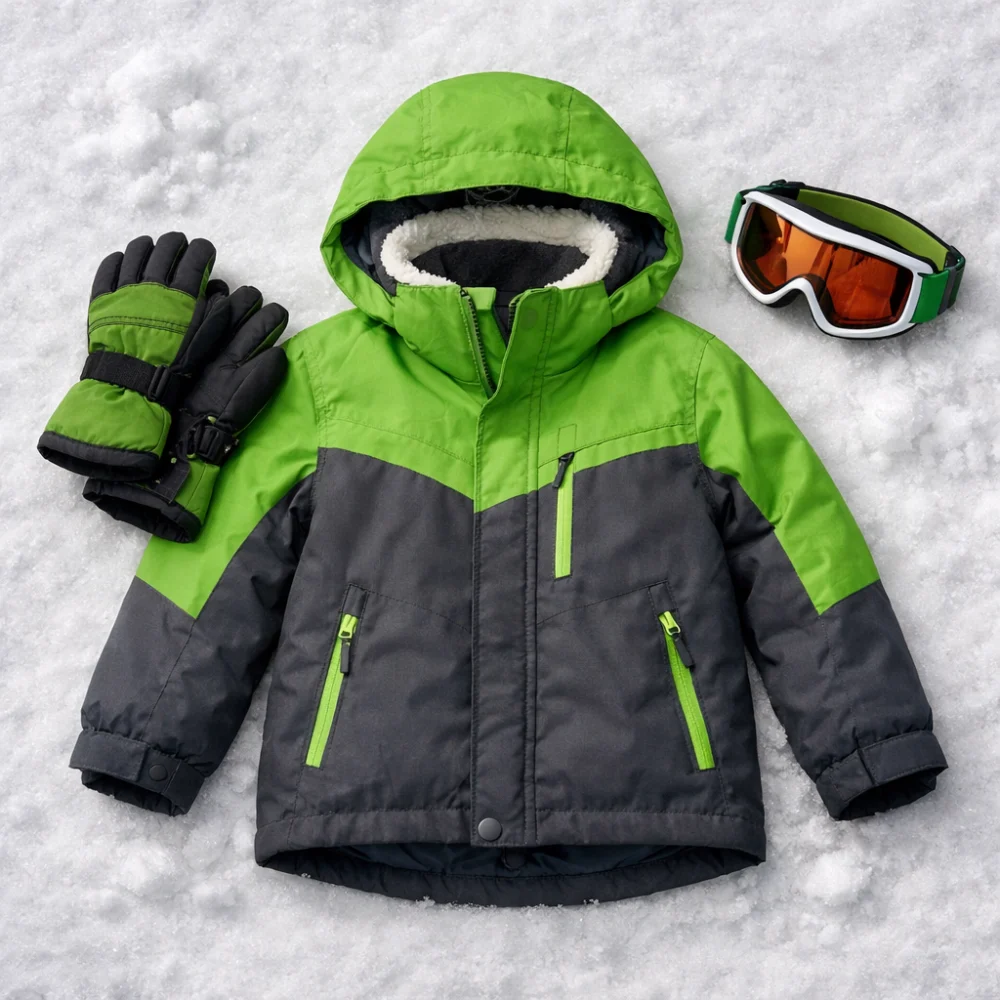
Choosing a kids’ ski jacket is mostly about getting the right balance of warmth, weather protection and ease of movement. Children can feel cold quickly on the slopes, but a jacket that is too bulky or too warm can be uncomfortable when they are active.
This guide focuses on the buying decisions that matter most: fit, weather resistance, insulation, breathability and practical details such as cuffs, hoods and pockets. It is also useful if you are buying for a child who is growing, sharing gear with siblings or using the jacket for more than skiing.
Specifications vary by model, so always check the individual product page before buying.
What should you look for first in a kids’ ski jacket?
Start with the conditions your child will actually face. For colder, windier or wetter days, a jacket with stronger weather protection and more insulation may be more suitable, while milder or higher-energy skiing may suit a lighter option with better breathability. Fit matters just as much, because a jacket that is too tight can restrict movement and one that is too loose may feel cumbersome. The main trade-off is usually warmth versus flexibility.
| Feature | What it means | Why it matters | What to check |
|---|---|---|---|
| Fit | How the jacket sits on the body and layers underneath | Affects comfort, mobility and how long the jacket can be worn as a child grows | Check the size guide, sleeve length and whether there is room for a base layer |
| Warmth | How much insulation the jacket provides | Helps a child stay comfortable in cold conditions | Look for the intended use and consider how active the child will be |
| Weather protection | How well the jacket resists snow, wind and damp conditions | Important for long days outdoors or changeable weather | Read the product page for outer fabric and any weather-focused claims |
| Breathability | How well moisture can escape during activity | Helps reduce clamminess during energetic skiing or play | Consider whether the jacket is described as suitable for active use |
| Features | Practical details such as hood, cuffs, pockets and fastening options | Improves convenience and comfort on the slope | Check which features are included rather than assuming every jacket has them |
Key factors that affect the choice
Fit and room to move
A ski jacket should allow comfortable arm movement without feeling oversized. Children need space to bend, reach and turn, but too much extra room can make the jacket feel bulky and harder to manage. Consider whether your child will wear it over a base layer or fleece, and check whether the size guide is based on age, height or body measurements.
Warmth versus layering
Some jackets are designed to provide more insulation on their own, while others are intended to work as part of a layered outfit. A more insulated jacket can be simpler for casual use, but a lighter jacket may be easier to adapt across different temperatures. If your child gets warm quickly when active, layering can be a more flexible approach than choosing a very heavy jacket.
Protection from snow and wind
Kids’ ski jackets often need to cope with cold wind, wet snow and sitting or kneeling in snow. That makes the outer construction an important buying point. Look for product information that explains how the jacket handles wet or windy conditions, and think about whether the jacket will be used mainly for skiing, snow play or general winter wear.
Breathability for active use
Children can move from being very active to standing still quite quickly. A jacket that helps manage moisture can feel more comfortable during lessons or long days outdoors. This is especially relevant if the jacket will be worn for more than one activity, such as sledging, walking or school journeys in winter.
Practical details
Small features can make a big difference to everyday use. Cuffs, hems, pockets and hoods all affect how easy the jacket is to wear and how well it works with gloves, hats and goggles. Check whether the hood is suitable for the way the jacket will be used and whether closures are easy for a child to manage independently.
Types and variants you may see
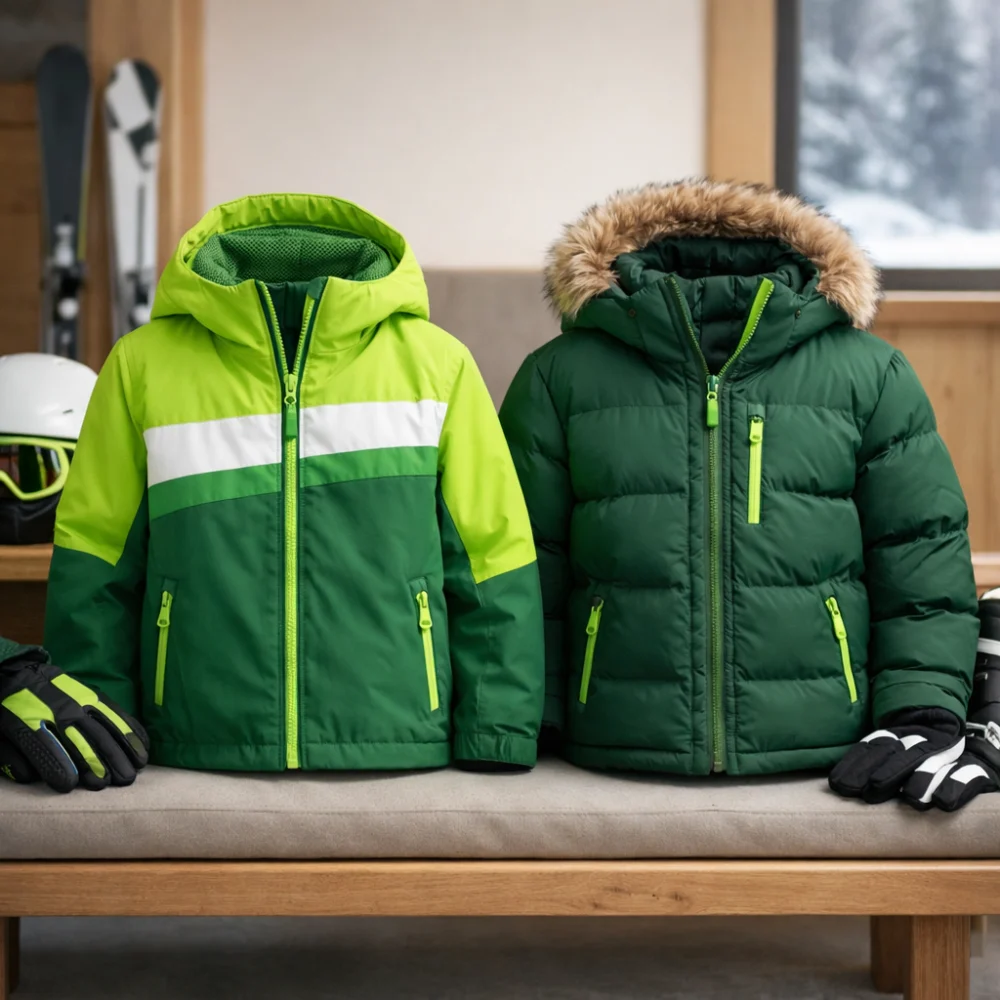
Kids’ ski jackets are usually chosen less by a strict technical category and more by how much warmth and protection they offer.
- Insulated jackets suit colder conditions and children who prefer a simpler all-in-one outer layer.
- Lighter ski jackets can suit active children or milder conditions where layering is easier.
- Jackets and salopette sets may suit buyers who want a coordinated snow outfit for fuller coverage.
- Waterproof-focused jackets are worth considering when wet snow or long outdoor sessions are likely.
The main limitation is that the right type depends heavily on the child’s activity level and the conditions they will face, so a jacket that works well for one family may not suit another.
What matters most for different buyers?
| Buyer need | What to prioritise | Why |
|---|---|---|
| Beginner skier | Comfortable fit, simple fastening, dependable weather protection | Helps make the jacket easy to wear and manage |
| Child who plays in the snow as well as skis | Warmth, durability and practical details | The jacket may be used in more stop-start conditions |
| Active or energetic child | Mobility and breathability | Reduces the chance of feeling restricted or overheated |
| Parent buying for growth | Room for layering and a sensible size guide | Helps balance value with a fit that is still wearable now |
| Gift buyer | Size guidance and flexibility of use | Makes it easier to choose something practical without overcomplicating the purchase |
Common mistakes to avoid
- Buying too much room to grow. A little extra space can help with layering, but too much can make the jacket awkward. Aim for a fit that is usable now.
- Choosing warmth without considering activity. A very warm jacket may suit stillness and cold weather, but some children will feel better in something lighter.
- Ignoring the size guide. Age labels alone are not enough. Check height, chest or other measurements where available.
- Assuming all jackets have the same features. Hoods, pockets, cuffs and snow-friendly details vary by model.
Safety and suitability checks
For kids’ ski jackets, the main buying concern is suitability rather than technical complexity. Make sure the jacket is appropriate for the weather and the activities your child will actually do, and avoid assuming that a jacket described for skiing will suit every winter use in the same way. If a child will wear a helmet, goggles or several layers underneath, check that the jacket design still leaves enough room for comfortable movement.
Care, storage and everyday use
Before buying, think about how easy the jacket is to live with. Some families will want a jacket that is simple to clean after a day in snow or slush, while others will prioritise quick drying and easy storage between trips. If the jacket relies on layering, remember that your total outfit may need more than one piece to keep the child comfortable in different conditions.
How to compare options efficiently
- Decide when and where the jacket will be used most often.
- Choose the right balance of warmth, protection and breathability.
- Check the size guide and whether room for layering is needed.
- Compare practical details such as hood, cuffs, pockets and fastening.
- Read the individual product page closely before deciding.
Summary buyer checklist
- Does the size guide match your child’s measurements?
- Is the jacket warm enough for the conditions, but not so heavy that it feels restrictive?
- Will it work with the layers your child is likely to wear underneath?
- Do the practical details suit skiing and general winter use?
- Have you checked the product page for the specific features that matter to you?
Frequently asked questions
Should I buy a ski jacket one size up for a child?
Sometimes a little extra room helps with layering and growth, but sizing up too far can make the jacket uncomfortable or awkward to move in. The safest approach is to compare the product measurements with your child’s actual size rather than relying on age alone.
Is a ski jacket the same as a normal winter coat?
Not always. A ski jacket is usually chosen with slope use in mind, so fit, movement and weather protection may be more important than for an everyday coat. That said, many jackets in this category can also work well for general winter wear.
Do children need a very warm jacket for skiing?
Not necessarily. The right level of warmth depends on temperature, how active the child is and what layers they wear underneath. A child who moves a lot may prefer a lighter jacket with good layering potential.
What features are most useful for younger children?
Easy closures, comfortable cuffs, a sensible hood design and simple pockets can all help. Younger children often benefit from a jacket that is straightforward to put on and take off without constant adjustment.
How important is breathability in a kids’ ski jacket?
It matters more if your child is active, wears the jacket for long periods or tends to get warm quickly. Breathability can make the jacket feel more comfortable, especially during lessons or energetic play.
Can one jacket work for skiing and everyday winter wear?
Yes, often it can, as long as the fit and warmth suit both uses. A versatile jacket may be a good choice for families who want one item for the slopes and general cold-weather outings.

