Women's Hiking Boots
Women’s hiking boots are designed to support longer walks, hill paths, woodland routes, countryside trails, camping trips and active days outdoors. The right pair should feel comfortable, suit the terrain and offer the grip, fit and protection you need for the conditions you expect to walk in.
At YPC, you can browse women’s hiking boots for casual walkers, regular hikers, outdoor beginners and more experienced users. This category helps you compare fit, ankle height, sole grip, waterproof features, materials, cushioning, weight and care requirements before choosing.
- Women's Hiking Boots
Women’s Winter Lace-Up Boots with Side Zip and Warm Lining
£16.99 *View On Amazon* - Women's Hiking Boots
Mountain Warehouse Adventurer Women’s Waterproof Boots, Size 6
£39.99 *View On Amazon* - Women's Hiking Boots
Mountain Warehouse Adventurer Women’s Waterproof Boots, Dusky Pu 6
£34.99 *View On Amazon* - Women's Hiking Boots
Hanani Women’s Water-Resistant Lace-Up Boots with Side Zip
Original price was: £39.98.£33.98Current price is: £33.98. *View On Amazon* - Women's Hiking Boots
BingoalSnap Women’s Walking Boots with Cushioned Midsole and 3 cm Heel
Original price was: £32.99.£27.99Current price is: £27.99. *View On Amazon* - Women's Hiking Boots
HODTOB Men’s and Women’s Lace-Up Hiking Boots, Rose Red, UK Size 6
Original price was: £29.99.£26.99Current price is: £26.99. *View On Amazon* - Women's Hiking Boots
Skechers Women’s Trego Ashaway Waterproof Hiking Boot, Tan, UK 5.5
£97.95 *View On Amazon* - Women's Hiking Boots
Karrimor Bodmin Mid 6 Ladies Weathertite Footwear, Black, UK 5
£49.99 *View On Amazon* - Women's Hiking Boots
Karrimor Bodmin Mid 6 Ladies Weathertite Footwear, Brindle, UK 5
Original price was: £49.99.£46.99Current price is: £46.99. *View On Amazon* - Women's Hiking Boots
adidas Unisex Kids Terrex Ax4R Mid Hiking Shoes, Magic Mauve, 4 UK
£47.40 *View On Amazon* - Women's Hiking Boots
Northwest Territory Women’s NEVIS Waterproof Nubuck Walking Boots
£69.49 *View On Amazon* - Women's Hiking Boots
FOGOIN Women’s Barefoot Winter Boots with Plush Lining
Original price was: £35.99.£30.59Current price is: £30.59. *View On Amazon* - Women's Hiking Boots
Columbia Women’s Redmond 4 Low WP Hiking Shoes, Soft Taupe/Light Sand, Size 8 Regular
Original price was: £80.00.£55.20Current price is: £55.20. *View On Amazon* - Women's Hiking Boots
NORTIV 8 Women’s Waterproof Hiking Boots, Size 9, Khaki
£29.99 *View On Amazon* - Women's Hiking Boots
Karrimor Supa 5 Women’s Hiking Boots, Grey/Orange, UK 6 (EU 39)
£31.75 *View On Amazon* - Women's Hiking Boots
ECCO Trace Lite Camel Leather Shoes with Waterproof Membrane
Original price was: £140.00.£95.07Current price is: £95.07. *View On Amazon* - Women's Hiking Boots
Regatta Women’s Holcombe III Water-Resistant Walking Shoes
£49.98 *View On Amazon* - Women's Hiking Boots
Helly Hansen Women’s Cascade Mid Cut Hiking Boots, Bonfire, Size 7
£49.12 *View On Amazon* - Women's Hiking Boots
adidas Women’s Eastrail 2.0 RAIN.RDY Hiking Shoes, Earth Strata/Blanch Cargo/Semi Flash Aqua, UK 8
£62.93 *View On Amazon* - Women's Hiking Boots
Cotswold Sheephouse Waterproof Hiking Boots, Women’s, Brown, Size 8
£48.02 *View On Amazon* - Women's Hiking Boots
adidas Terrex Anylander Mid Women’s Hiking Shoes, UK 5.5
Original price was: £80.00.£64.99Current price is: £64.99. *View On Amazon* - Women's Hiking Boots
Regatta Sherbourne Women’s Fur-Lined Walking Boots with ISOTEX
£49.61 *View On Amazon* - Women's Hiking Boots
KEEN Women’s Hightrail Mid Waterproof Leather Hiking Boots, Safari/Chipmunk, Size 6.5
Original price was: £135.00.£84.70Current price is: £84.70. *View On Amazon*




What Are Women’s Hiking Boots?
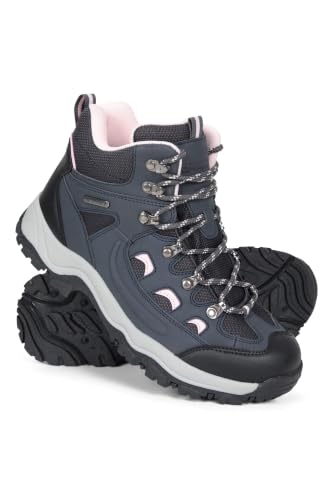
Women’s hiking boots are outdoor footwear designed for walking across natural terrain. They usually offer more structure, grip and coverage than casual trainers, with designs that may suit paths, trails, hills, fields, campsites and mixed outdoor routes.
Depending on the product, women’s hiking boots may include waterproof membranes, cushioned midsoles, supportive ankle collars, grippy outsoles, reinforced toes, breathable linings or leather and synthetic uppers where listed.
They are often chosen when ordinary shoes do not provide enough comfort, support or protection for outdoor walking.
What Are Women’s Hiking Boots Used For?
Women’s hiking boots are used for walking, hiking, camping, dog walking, travel, outdoor work, countryside routes, wet grass, muddy tracks and uneven ground.
They can help make outdoor walking feel more stable and comfortable, especially when paths are rough, wet or changeable. A good pair can also help protect feet from stones, puddles, mud and general trail wear depending on the design.
For many walkers, hiking boots are a practical foundation for outdoor kit because footwear affects every step of the day.
How To Choose The Right Women’s Hiking Boots
Start by thinking about where you walk most often. If you mainly walk on easy paths, a lighter boot may be enough. If you walk on rougher trails, hills or muddy ground, a more supportive boot with stronger grip may be more suitable.
Next, consider fit. Women’s hiking boots should feel secure at the heel, comfortable across the midfoot and roomy enough at the toes for walking downhill. Boots that are too tight can cause rubbing, while boots that are too loose may feel unstable.
Also think about weather. Waterproof hiking boots may be useful for wet grass, rain and muddy trails where listed. More breathable options may suit warmer or drier conditions depending on the product.
Key Features To Compare
When comparing women’s hiking boots, look at ankle height, outsole grip, waterproof protection, breathability, cushioning, weight, upper material, toe protection and lacing system.
Ankle height can affect support and coverage. Higher boots may feel more protective on uneven ground, while lower cut styles may feel lighter and easier for casual walks.
Sole grip matters because different tread patterns suit different surfaces. Muddy paths, rocky ground, forest tracks and pavements can all feel different underfoot. Always check the product listing for intended use and sole details where shown.
Hiking Boots Compared With Walking Shoes
Walking shoes are usually lighter and lower cut than hiking boots. They can be useful for easy paths, travel, summer walking and everyday outdoor use where ankle coverage is not needed.
Women’s hiking boots usually offer more coverage, structure and support around the foot and ankle. They may be better suited to rougher ground, wetter conditions, longer walks or heavier outdoor use depending on the product.
The trade off is weight and flexibility. Walking shoes can feel lighter, while hiking boots can feel more protective.
Hiking Boots Compared With Trail Running Shoes
Trail running shoes are designed for faster movement on trails. They are usually lightweight and flexible, with grip designed for off road running.
Women’s hiking boots are generally more structured and protective. They may suit walkers carrying a backpack, moving over uneven ground or spending longer periods outdoors.
If you want fast, light movement, trail shoes may suit. If you want support, protection and walking comfort over varied terrain, hiking boots are usually the more practical choice.
Waterproof Boots Compared With Breathable Boots
Waterproof hiking boots are useful when walking in rain, wet grass, mud or damp conditions where listed. They can help keep feet drier, but may feel warmer during high effort activity or in hot weather.
Breathable boots may feel more comfortable in dry or mild conditions, especially if your feet tend to overheat. They may not offer the same wet weather protection unless waterproof features are also listed.
The right choice depends on your usual routes. For British weather and muddy paths, waterproof features can be useful. For dry summer walking, breathability may matter more.
Leather Boots Compared With Synthetic Boots
Leather hiking boots can feel supportive, durable and protective depending on the product. They may suit regular walking and rougher conditions, but care requirements can vary.
Synthetic hiking boots are often chosen for lighter weight, flexibility and quicker drying comfort where listed. They may suit day walks, travel and active use.
The better choice depends on your walking style, care expectations and preferred feel. Always compare the actual product details rather than choosing by material alone.
Beginner, Regular Walker And Experienced Hiker Guidance
Beginners should focus on comfort, fit and simple suitability for the walks they plan to do. A supportive pair of hiking boots that feels good from the start is more useful than a very technical pair that feels uncomfortable.
Regular walkers may want to compare waterproofing, grip, cushioning, ankle support and how the boots feel after several hours of use. If you walk weekly, small fit issues can become more noticeable.
Experienced hikers may look more closely at sole stiffness, boot weight, upper durability, lace control, footbed comfort and how the boots work with socks, gaiters and backpacks.
Use Cases By Activity And Terrain
For countryside walks, women’s hiking boots can help with wet fields, muddy paths, stiles, gravel tracks and uneven ground.
For hill walking, support, grip and downhill comfort become more important. A secure heel and enough toe room can help reduce movement inside the boot.
For camping, hiking boots are useful around campsites, woodland trails and wet morning grass. For dog walking, waterproof features and easy cleaning may be especially useful where listed.
For travel and holidays, lighter hiking boots may suit mixed walking days where comfort and packability matter.
Fit, Sizing And Comfort
Fit can vary between brands and products, so always check the size information shown on the listing. Women’s hiking boots should feel snug but not tight, with no painful pressure points.
Try to allow enough room for walking socks and natural foot movement. Feet can swell slightly during longer walks, so a boot that feels very tight at the start may become uncomfortable later.
Heel hold is important. The heel should feel secure without lifting too much. Toe room matters too, especially when walking downhill, as toes should not be pushed hard into the front of the boot.
Socks, Insoles And Foot Shape
Hiking socks can make a big difference to boot comfort. Thick socks, thin socks and cushioned socks can all change how a boot fits.
If you use insoles or footbeds, check that there is enough room inside the boot and that the fit still feels secure. Some boots may include removable footbeds where listed.
Foot shape matters. Wider feet, narrow heels, high arches or sensitive toes can all affect what feels comfortable. Choose boots based on fit and walking comfort, not just appearance.
Breaking In Women’s Hiking Boots
Some hiking boots may feel comfortable straight away, while others may need a short wearing in period depending on the material and construction.
It is sensible to wear new boots around the house or on short local walks before using them for a long hike. This can help you spot rubbing, pressure points or sock issues early.
Do not leave your first proper test until a full day walk or holiday. Comfortable footwear should be checked before the route matters.
Grip, Stability And Ankle Support
Grip is one of the most important features in hiking boots. A suitable tread pattern can help with confidence on mud, wet paths, loose stones and uneven ground depending on the sole design.
Ankle support can be useful for rough terrain, but it should not feel restrictive. The boot should allow natural movement while giving a secure feel around the foot and ankle.
Stability also depends on fit, lacing, sole design and the surface underfoot. No boot removes the need for careful foot placement on slippery or uneven ground.
Waterproofing And Weather Suitability
Some women’s hiking boots may include waterproof membranes or water resistant materials where listed. These can be useful for wet weather, puddles, mud and damp grass.
Waterproof does not mean every boot is suitable for deep water or extreme conditions. Water can still enter over the top of the boot, through poor fit, or if the boot is used beyond its intended design.
For very wet routes, gaiters, waterproof trousers and suitable socks may also be useful where appropriate.
Compatibility With Outdoor Clothing And Kit
Women’s hiking boots should work with the rest of your outdoor clothing. Walking socks, waterproof trousers, walking trousers, base layers, fleeces and jackets all play a role in comfort.
If you carry a rucksack, your footwear may need to offer more stability and cushioning, especially on longer walks. If you use walking poles, grip and foot placement still remain important.
For winter or wet weather, consider how the boots work with gaiters, warm socks and waterproof layers.
Safety And Practical Outdoor Considerations
Women’s hiking boots should suit the terrain and activity. A casual walking boot may not be suitable for steep, technical or very rough routes, while a heavier boot may feel unnecessary for easy paths.
Check the sole, laces and upper before walks. Worn tread, damaged eyelets, loose stitching or poor fit can affect comfort and safety.
Always match footwear to the route, weather and your own experience. In difficult conditions, sensible planning, suitable clothing and safe route choices are just as important as the boots themselves.
Care, Cleaning And Drying
Always follow the care instructions shown on the product label or listing. Hiking boots often need regular cleaning after muddy or wet walks.
Remove loose mud, wipe the uppers where suitable and allow boots to dry naturally. Avoid storing them damp or placing them near unsuitable direct heat, as this may affect materials depending on the product.
Some boots may need reproofing or conditioning where suitable and where the product guidance recommends it. Good care can help maintain comfort and practical use.
Storage And Seasonal Organisation
Store women’s hiking boots clean and dry in a ventilated place. Avoid leaving them in a damp car boot, wet bag or sealed container after a walk.
Before a new season or trip, check that the boots still fit well, the soles have enough grip and the laces are in good condition.
If you walk often, keeping boots, socks, gaiters and waterproofs together can make packing quicker and help you stay ready for changing weather.
Useful Accessories To Consider
Women’s hiking boots work well with other walking and outdoor accessories. Hiking socks, gaiters, waterproof trousers, walking trousers, base layers, fleeces, waterproof jackets, rucksacks and walking poles may all be useful depending on the route.
Boot cleaning brushes, reproofing products, spare laces and insoles may also be worth considering where suitable.
For longer walks, blister plasters, a water bottle, snacks and a small first aid item can be useful additions to your outdoor kit.
Why Buy From YPC?
At YPC, we understand active lifestyles and the need for practical products that work in real use. Women’s hiking boots should feel comfortable, suit your terrain and support the way you actually spend time outdoors.
This category helps you compare fit, grip, waterproof features, ankle support, materials, cushioning, compatibility and care needs without overcomplicating the choice. Browse the women’s hiking boots at YPC, compare the available options and choose the pair that suits your next walk, trail or outdoor adventure.
FAQs
What are women’s hiking boots used for?
Women’s hiking boots are used for walking, hiking, camping, countryside routes, dog walking and outdoor activities where grip, support and foot protection are useful.
Are hiking boots better than walking shoes?
Hiking boots usually offer more ankle coverage, support and protection, while walking shoes are often lighter and more flexible. The better choice depends on terrain, weather and walking distance.
Should women’s hiking boots be waterproof?
Waterproof hiking boots can be useful for rain, mud and wet grass where listed. For dry summer walks, breathability and lighter weight may be more important.
How should women’s hiking boots fit?
They should feel secure at the heel, comfortable across the foot and roomy enough at the toes for walking downhill. They should not pinch, rub or feel loose.
Do hiking boots need breaking in?
Some hiking boots may need a short wearing in period depending on the product. It is sensible to test them on short walks before using them for a long route.
Can I wear hiking boots for everyday walking?
Yes, many women’s hiking boots can be worn for everyday outdoor walking where suitable. For town use or short easy walks, lighter footwear may also be worth comparing.
What socks should I wear with hiking boots?
Walking or hiking socks are usually a good choice because they can improve comfort and reduce rubbing. Sock thickness can affect fit, so consider this when choosing boot size.
How do I clean women’s hiking boots?
Follow the care instructions on the product label or listing. Remove mud after use, let boots dry naturally and store them clean and dry before the next walk.
 Getting ready for Summer? View our Home and Garden Products

Heading outdoors this winter? Take a look at our Outdoor Clothing.