
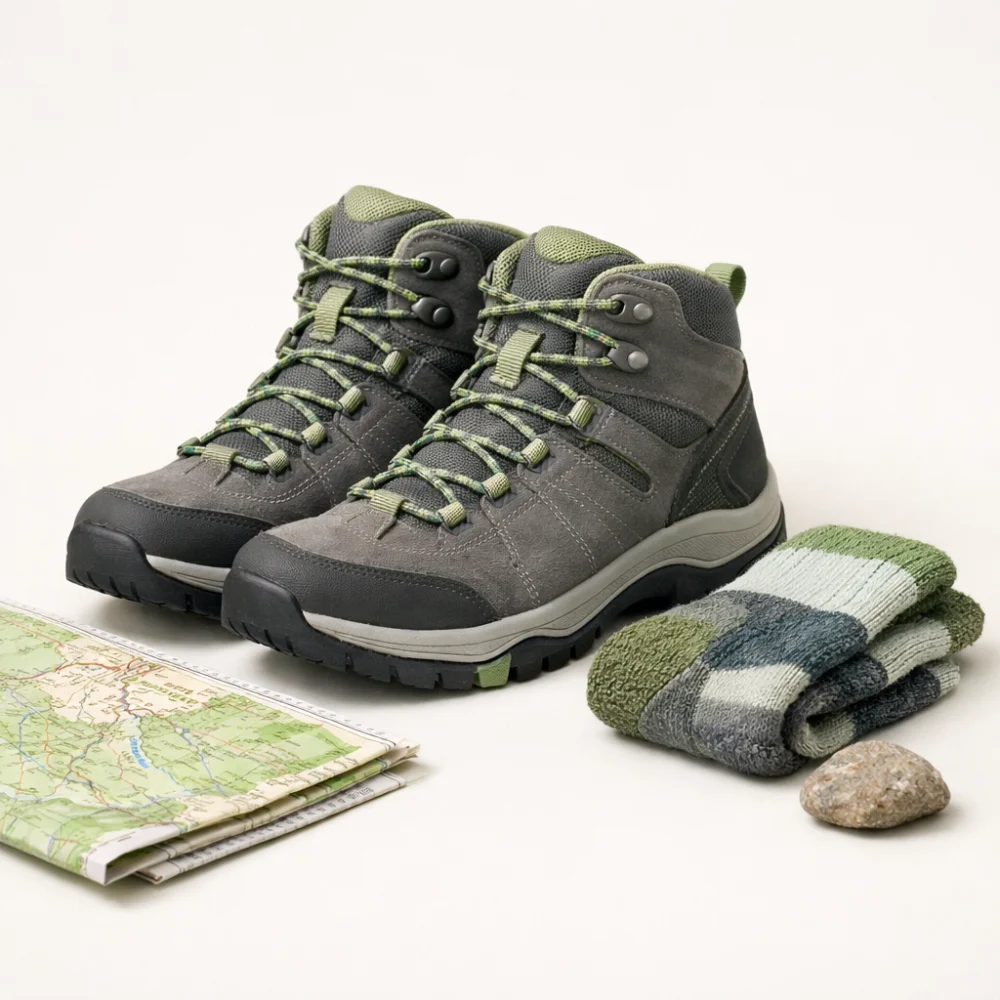
Women’s hiking boots are usually chosen for comfort, support and protection on uneven ground. The right pair depends less on a brand name and more on fit, boot height, weather resistance and the kind of walking you plan to do.
If you are comparing options for day walks, longer routes or mixed-weather use, it helps to focus on the features that affect stability and comfort first. A boot that feels sturdy in the shop may still be the wrong choice if it does not suit your foot shape, your socks or the terrain you actually walk on.
Specifications vary by model, so always check the individual product page before buying.
What should you look for in women’s hiking boots?
Start with fit, then think about support, grip and weather protection. The most suitable boot is usually the one that matches your foot shape, intended walking conditions and preference for flexibility versus structure. Heavier, more protective boots can feel reassuring on rough ground, while lighter boots may be more comfortable for easier routes and longer distances.
| Feature | What it means | Why it matters | What to check |
|---|---|---|---|
| Fit | How the boot matches foot length, width and heel shape | Poor fit can cause rubbing, pressure points or instability | Toe room, heel hold, width options and how it feels with walking socks |
| Support | The amount of structure through the sole, upper and ankle area | More support can help on rougher or longer routes | Whether you want a more flexible feel or a firmer, more structured boot |
| Grip | The outsole pattern and the way it handles different ground | Grip affects confidence on mud, wet paths and loose surfaces | Outsole description and whether it suits the terrain you walk on most |
| Weather protection | How well the boot deals with rain, damp ground or colder conditions | Useful in changeable British weather and wet trails | Waterproofing claims, lining details and how breathable the boot is likely to feel |
| Weight and feel | How heavy and substantial the boot seems during a walk | Heavier boots can feel protective; lighter ones can feel easier over distance | Whether comfort or protection is the priority for your usual walks |
Key factors to compare
Fit and foot shape
Fit is usually the most important decision, because even a well-made boot will not feel right if it is too narrow, too loose or shaped for a different foot. Think about toe space, width at the forefoot and whether your heel tends to slip. If possible, compare the boot with the socks you will actually wear for walking.
Boot height and support
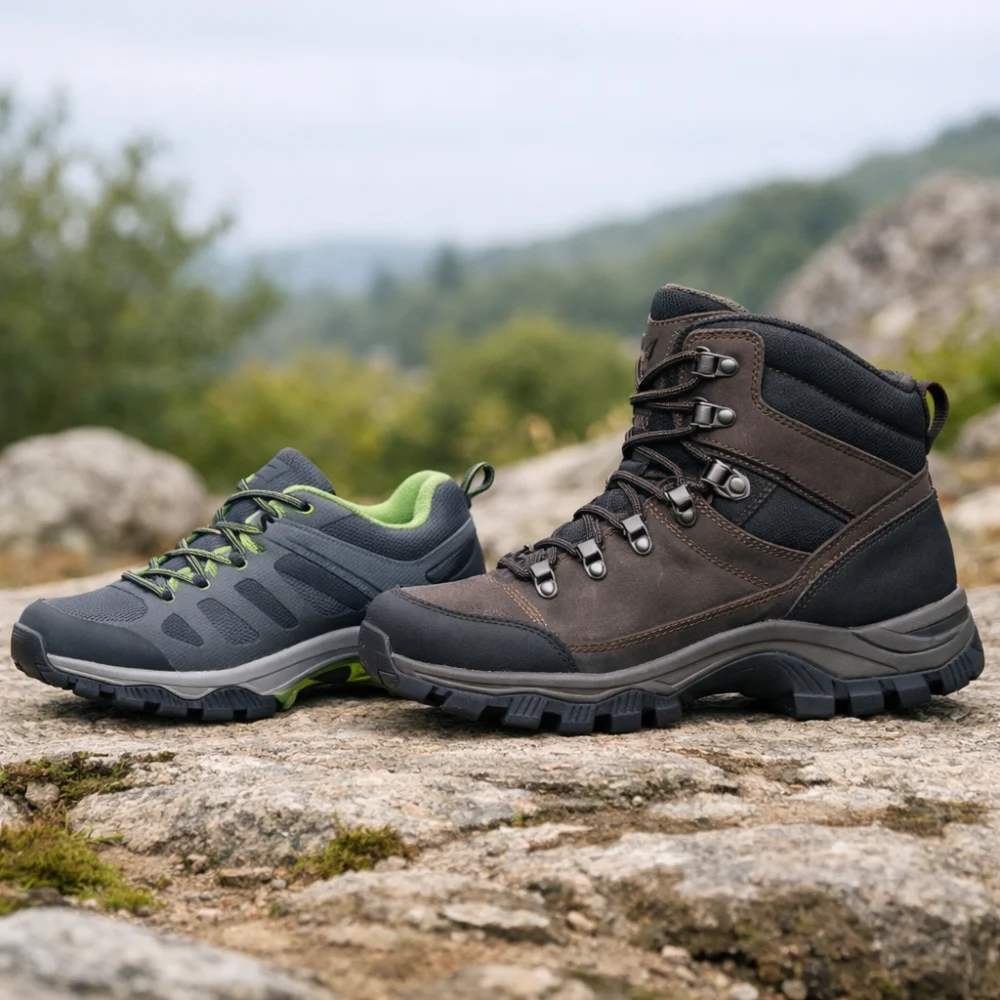
Boot height affects how much coverage and support you get around the ankle, but higher is not automatically better. Some walkers prefer a lower, more flexible feel for easier paths, while others want a higher cut for extra confidence on rougher ground. The trade-off is usually between freedom of movement and a more protective, structured feel.
Traction and sole feel
Look at the outsole design as part of the overall walking experience rather than as a promise of performance. Deeper tread may be helpful in mud, but comfort and ground feel also matter, especially on longer routes or mixed surfaces. The best choice depends on where you walk most often.
Weather protection and breathability
Many buyers want boots that cope with wet grass, puddles and light rain, but more weather protection can sometimes mean a warmer feel. If your walks are often in damp conditions, check how the product describes its weather resistance and whether that matches your expectations. If you walk mainly in drier weather, a less protective boot may feel more comfortable.
Materials and care
Materials affect comfort, maintenance and the way boots age in regular use. Some finishes may be easier to wipe clean, while others may need more attention after muddy walks. Check whether the product page suggests any specific care needs so you know what ownership will involve.
Common women’s hiking boot types
- Flexible walking-style boots: Often chosen for easier paths and everyday use, with a lighter feel and less rigid structure.
- Mid-cut hiking boots: A common all-round option for buyers who want a balance of support, coverage and comfort.
- More robust trekking-style boots: Suited to rougher terrain or longer days out, but they can feel heavier and less relaxed.
- Weather-focused boots: Useful when wet conditions are a regular concern, though they may feel warmer than simpler boots.
Which features suit different buyers?
| Buyer need | What to prioritise | What to avoid overlooking |
|---|---|---|
| Regular dog walks and local paths | Comfort, easy fit and a lighter feel | Too much stiffness if you do not need it |
| Hilly routes and uneven ground | Support, stability and a secure heel | Boots that feel fine standing still but loose in motion |
| Wet or muddy conditions | Weather protection and outsole grip | How the boot may feel in warmer weather |
| Longer days out | Fit, comfort and manageable weight | Unnecessary bulk if you are covering distance |
| Buying for a wider or harder-to-fit foot | Width, toe room and return flexibility | Assuming one size label will suit every shape |
Common mistakes to avoid
- Choosing by appearance first: A boot can look suitable but still be the wrong shape or stiffness for your feet.
- Ignoring sock choice: Walking socks can change the feel of the fit, especially around the heel and toe.
- Overestimating how much support you need: More structure is not always more comfortable for easier walks.
- Assuming waterproof means suitable for every condition: Weather protection, breathability and comfort still need balancing.
- Not checking the product page carefully: Features often vary between models, so the exact construction matters.
Safety and suitability
Choose boots that suit the ground you actually walk on, and do not rely on a general description to confirm suitability for rough terrain or very wet conditions. If you have foot concerns, sensitive feet or need a particularly precise fit, it is worth paying closer attention to the width, shape and closure details.
Boots are only one part of walking comfort. Good fit, suitable socks and an appropriate level of support usually matter more than any single feature on its own.
Care, storage and lifespan
General care can help boots stay comfortable for longer. After muddy walks, allow them to dry naturally and store them somewhere cool and dry rather than packed away damp. If the material needs special cleaning or occasional treatment, that is worth checking before you buy so you know the upkeep involved.
How to compare options efficiently
- Decide where you will wear the boots most often.
- Choose the level of support and boot height that suits that use.
- Compare fit details, especially width and heel hold.
- Check weather protection, grip and overall weight.
- Read the individual product page carefully before deciding.
Summary buyer decision checklist
- Does the boot suit your usual terrain?
- Does the shape look right for your foot width and heel?
- Will you wear it with the socks you normally use for walking?
- Do you want a lighter, more flexible feel or a firmer, more protective one?
- Is weather protection important for the places you walk?
- Have you checked the product page for the exact construction and care details?
Frequently asked questions
Are women’s hiking boots and walking boots the same thing?
They often overlap, but the labels can be used differently by different brands. Some boots are aimed more at everyday walking, while others are designed with rougher terrain or more support in mind. The useful question is less about the label and more about fit, stiffness and the conditions you expect to face.
Do I need waterproof boots for hiking?
Not always. Waterproofing is helpful if you often walk in wet grass, mud or changeable weather, but it can also make the boot feel warmer. If you usually walk in drier conditions, breathability and comfort may matter more.
Is a higher boot better than a lower one?
Not necessarily. Higher boots can feel more protective, but they may also feel heavier or less flexible. The better choice depends on how much support you want and how rough the ground usually is.
How should hiking boots fit?
They should feel secure at the heel, with enough room at the toes to avoid pressure on descents or longer walks. They should not pinch across the forefoot or feel unstable when you move. Trying to judge fit with your usual walking socks is more useful than sizing by label alone.
What matters most for comfort?
Fit usually matters most, followed by the balance of support and flexibility. A boot with the right shape for your foot will usually feel better than one with extra features that do not suit your walking style.
How can I compare two boots quickly?
Compare them in this order: fit, intended terrain, support, weather protection and weight. That keeps the decision practical and helps you avoid being distracted by details that matter less for your use.

