

Women's Hiking Shoes
Women’s hiking shoes are practical outdoor shoes designed for walking, hiking, travel, camping and everyday outdoor use. They are useful for women who want supportive footwear for paths, trails, parks, hills, dog walks, holidays and changeable UK conditions without always needing a full hiking boot.
The right pair should fit comfortably, suit the terrain and work well with your socks, trousers and outdoor layers. When comparing women’s hiking shoes, look at fit, sole grip, cushioning, upper material, waterproof or water resistant features where listed, breathability where listed, weight, fastening style, toe protection, care guidance and suitability for the type of walking you do most often.
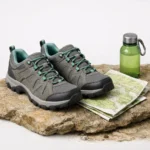
- Women's Hiking Shoes
NORTIV 8 Women’s Wide Toe Box Waterproof Hiking Shoes, Black, Size 8
£49.99 *View On Amazon* - Women's Hiking Shoes
HOBIBEAR Barefoot Hiking Shoes for Women and Men, Wide Toe Box, Black/Gray
Original price was: £55.99.£47.59Current price is: £47.59. *View On Amazon* - Women's Hiking Shoes
HODTOB Rose Red Lace-Up Hiking Boots for Men and Women, UK Size 3
£20.99 *View On Amazon* - Women's Hiking Shoes
Columbia Women’s Peakfreak Rush OutDry Hiking Shoes, UK 5 Regular, Sedona Sage/Sparrow
Original price was: £74.75.£63.25Current price is: £63.25. *View On Amazon* - Women's Hiking Shoes
Amazon Essentials Women’s Waterproof Hiking Shoes, Grey, UK 6
£39.99 *View On Amazon* - Women's Hiking Shoes
CC-Los Women’s Walking Shoes with Mesh Upper and 2E Width Option
£47.99 *View On Amazon* - Women's Hiking Shoes
Columbia Women’s Redmond 4 Breathe Hiking Shoes, Soft Taupe/Light Sand, Size 10 Regular
Original price was: £70.00.£52.76Current price is: £52.76. *View On Amazon* - Women's Hiking Shoes
Salomon X Ultra Flare GORE-TEX Women’s Waterproof Hiking Shoes
£130.00 *View On Amazon* - Women's Hiking Shoes
Columbia Women’s Peakfreak 2 OutDry Low-Rise Hiking Shoes, Blue Heron/Skylight, 4.5 Regular
£115.00 *View On Amazon* - Women's Hiking Shoes
adidas Terrex Skychaser AX5 Mid Gore-TEX Hiking Shoes
Original price was: £120.00.£57.19Current price is: £57.19. *View On Amazon* - Women's Hiking Shoes
Columbia Women’s Peakfreak Hera OutDry Hiking Shoes, UK 9, Soft Taupe/Sea Salt
£80.50 *View On Amazon* - Women's Hiking Shoes
ALTRA Olympus 6 Hike Mid GTX Women’s Hiking Shoes, Black, UK 5
£176.97 *View On Amazon* - Women's Hiking Shoes
Salomon Elixir Tour Waterproof Women’s Hiking Shoes, Nine Iron, Size 4
Original price was: £110.00.£55.97Current price is: £55.97. *View On Amazon* - Women's Hiking Shoes
Columbia Women’s Konos TRS Outdry Low-Rise Hiking Shoes, Black/Shark, 5.5 Regular
Original price was: £110.00.£87.70Current price is: £87.70. *View On Amazon* - Women's Hiking Shoes
Columbia Women’s Strata Trail Low WP Hiking Shoes, Black/Juicy, 5 Regular
Original price was: £67.17.£59.99Current price is: £59.99. *View On Amazon* - Women's Hiking Shoes
Columbia Women’s Facet 75 OutDry Low Hiking Shoes
Original price was: £58.53.£52.36Current price is: £52.36. *View On Amazon* - Women's Hiking Shoes
Columbia Women’s Newton Ridge Plus Waterproof Amped Hiking Footwear, Elk Mountain Red, 4 UK
£62.71 *View On Amazon* - Women's Hiking Shoes
Salomon Speedcross Women’s Gore-Tex Waterproof Hiking Shoes
Original price was: £150.00.£122.38Current price is: £122.38. *View On Amazon* - Women's Hiking Shoes
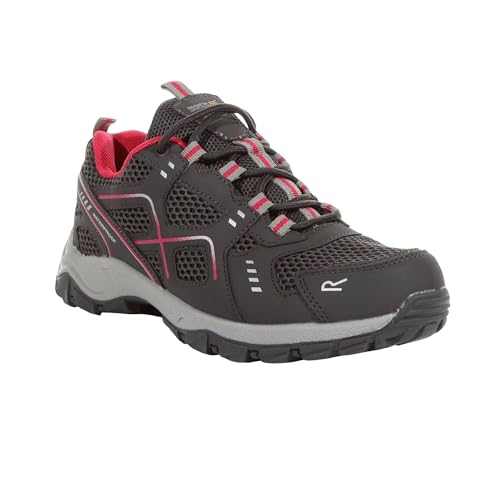
Regatta Lady Vendeavour Women’s Waterproof Footwear, Granite/Pink Potion, EU 40/UK 6.5
£34.47 *View On Amazon* - Women's Hiking Shoes
Mountain Warehouse McLeod Women’s Wide Fit Walking Shoes, Charcoal, Size 6
£29.99 *View On Amazon*




What Are Women’s Hiking Shoes
Women’s hiking shoes are outdoor walking shoes made for comfort, grip and support on varied ground. They are usually lighter and lower cut than hiking boots, making them a practical choice for day walks, travel and less demanding routes.
Depending on the product, women’s hiking shoes may include cushioned midsoles, grippy outsoles, reinforced toe areas, breathable mesh, leather or synthetic uppers, waterproof membranes, padded collars, removable insoles or lace fastenings where listed.
They are different from everyday trainers because they are usually designed with outdoor surfaces in mind. A good hiking shoe should feel stable on paths and trails while still being comfortable enough for longer wear.
What Women’s Hiking Shoes Are Used For
Women’s hiking shoes are used for countryside walks, woodland trails, coastal paths, camping trips, dog walking, sightseeing, travel, light hikes and everyday outdoor errands. They are especially useful when you want more grip and structure than casual trainers, but less bulk than walking boots.
For short walks, they can provide practical comfort and support. For longer day hikes, they can help reduce foot fatigue when the fit and cushioning suit the wearer. For travel, they can be a versatile option because many styles work for both walking routes and casual outdoor days.
They may also be useful for festivals, outdoor events and family activity days where grass, gravel, mud or uneven paths are likely.
How To Choose The Right Women’s Hiking Shoes
Start with the terrain. If you mainly walk on pavements, parks and firm paths, a lighter hiking shoe may be suitable. If you walk on rough trails, wet ground or uneven countryside routes, look more closely at sole grip, support and weather suitability where listed.
Next, think about the weather. Waterproof or water resistant hiking shoes where listed can be useful for wet grass, rain showers and muddy paths. Breathable shoes may feel more comfortable in warmer weather, but they may not offer the same level of wet weather protection unless stated.
Fit is essential. Hiking shoes should hold the foot securely without rubbing, pinching or allowing the heel to lift too much. There should be enough room at the toes, especially when walking downhill or wearing thicker socks.
Also consider how long you will wear them. A shoe that feels fine for a short dog walk may not feel right after several hours on a trail. Cushioning, support and sock choice become more important on longer routes.
Key Features To Compare
Sole grip is one of the most important features. Deeper tread may be useful on muddy or uneven ground, while a smoother sole may feel more comfortable on firm paths and travel days.
Cushioning affects comfort over distance. Some shoes feel softer underfoot, while others feel firmer and more supportive depending on the product.
Upper material can affect breathability, durability, care and weather protection. Mesh, leather and synthetic materials all feel different, so check the product details carefully.
Waterproof or water resistant features should only be relied on where clearly listed. Do not assume every hiking shoe is waterproof simply because it is designed for outdoor use.
Toe and heel protection where listed can be useful on stony paths, roots and rougher trails. It may also help reduce wear in high contact areas.
Weight matters too. Lighter shoes can feel easier for travel and day walks, while sturdier shoes may feel more protective depending on the route.
Women’s Hiking Shoes Compared With Walking Boots
Women’s hiking shoes are usually lower cut and lighter than walking boots. They can feel more flexible and easier to wear for day walks, travel and everyday outdoor use.
Walking boots usually provide more ankle coverage and may feel more supportive on rougher ground, longer routes or when carrying heavier kit. They may also feel warmer or bulkier depending on the design.
The trade off is freedom versus protection. Hiking shoes can be comfortable and practical for many routes, while boots may be better for tougher terrain, wet conditions or trips where ankle coverage matters.
Hiking Shoes Compared With Trainers
Trainers can be comfortable for pavements, gym use and casual wear, but they may not provide enough grip or protection on muddy paths, loose gravel or uneven trails.
Women’s hiking shoes are usually designed for outdoor walking. They may offer more structured support, stronger tread and better protection around the foot depending on the product.
The trade off is style and flexibility. Trainers may feel lighter and more casual, while hiking shoes are usually more practical when the ground is damp, rough or unpredictable.
Guidance For Beginners, Regular Walkers And Experienced Hikers
Beginners should focus on fit, comfort and suitable grip for the routes they plan to walk. A comfortable hiking shoe can make outdoor walking more enjoyable than using casual shoes that slip or rub.
Regular walkers may want to compare cushioning, sole durability, waterproof features where listed and how the shoes feel after repeated use. If you walk several times a week, small comfort details become very important.
Experienced hikers may look more closely at outsole pattern, upper support, midsole feel, toe protection, weight, breathability and compatibility with hiking socks, gaiters or waterproof trousers.
Travellers may prefer a pair that feels comfortable for long days, packs sensibly and works for both outdoor routes and casual sightseeing where the style is suitable.
Use Cases By Activity And Terrain
For day walks, women’s hiking shoes can provide practical comfort on parks, paths, woods and countryside tracks.
For dog walking, grip, easy cleaning and comfort in mixed weather can be especially useful.
For camping, hiking shoes can work well around campsites, on short trails and during outdoor activities where full boots may feel too heavy.
For travel and holidays, lightweight hiking shoes can be useful for sightseeing, walking tours, nature trails and active days out.
For coastal paths and forest routes, check grip, toe protection and weather suitability where listed, as surfaces may be uneven or damp.
For festivals and outdoor events, choose footwear that suits grass, mud, standing, walking and changing weather.
Fit, Sizing And Comfort
Women’s hiking shoes should feel secure around the heel and midfoot while leaving enough room for the toes. Your toes should not press against the front of the shoe when walking downhill.
Check the size guide where listed. Some buyers may need to allow extra room for thicker walking socks, but the shoe should not feel loose or unstable.
Heel movement should be minimal. If the heel lifts too much, rubbing may occur. If the shoe feels tight across the toes or forefoot, it may become uncomfortable on longer walks.
Width and foot shape matter. Some feet need more room at the front, while others need a closer hold through the midfoot. Product fit descriptions can help where provided.
Try to match fit with use. A travel shoe may feel slightly different from a trail focused hiking shoe, so choose based on where the shoes will be worn most often.
Compatibility With Socks, Trousers And Outdoor Kit
Women’s hiking shoes should work with suitable socks. Walking socks can help improve comfort, manage rubbing and support the fit inside the shoe. Sock thickness can affect sizing, so consider this before buying.
The shoes should also work with walking trousers, hiking leggings, waterproof trousers or shorts depending on the season. If wearing waterproof trousers, check that the hem sits comfortably over the shoe.
For wet grass, mud or rough ground, gaiters may be useful where compatible. They can help reduce debris and moisture entering the shoe, depending on the conditions and product design.
If carrying a backpack, footwear comfort becomes even more important. Extra carried weight can change how shoes feel over distance.
Safety And Practical Outdoor Use
Women’s hiking shoes should suit the surface and activity. A shoe with limited grip may not be suitable for mud, steep paths or loose stones.
No shoe can guarantee grip on ice, wet rock or slippery mud. Walk carefully, choose suitable routes and pay attention to changing ground conditions.
Footwear should not distract you with rubbing, slipping or pressure points. If a shoe feels uncomfortable at the start of a walk, it may become much worse later.
Check shoes before longer trips. Worn tread, damaged laces, split uppers or loose soles can reduce comfort and may affect safety on uneven ground.
Weather Suitability And Seasonal Choice
Weather suitability varies by product. Some women’s hiking shoes may be waterproof, water resistant, breathable or quick drying where listed. Always check the product information carefully.
For wet and muddy conditions, waterproof features and good tread can be useful where provided. For warm dry walks, breathable uppers may feel more comfortable.
In colder weather, thicker socks may add warmth, but the shoe must still have enough room. In hot weather, lighter socks and breathable shoes may help reduce discomfort.
For very wet, snowy or rough conditions, walking boots or specialist footwear may be more suitable than low cut hiking shoes.
Care, Cleaning And Maintenance
Always follow the care guidance supplied with the product. Different materials need different cleaning and drying methods.
After muddy walks, remove loose dirt and let the shoes dry naturally in a suitable place. Avoid direct heat unless the product guidance says it is safe, as high heat may affect some materials.
Check laces, soles, uppers and insoles regularly. Replace worn laces where suitable and remove insoles to dry if the shoes become damp inside.
If the shoes include water resistant or waterproof features where listed, follow the recommended care guidance to help maintain performance for as long as possible.
Storage Tips For Hiking Shoes
Store women’s hiking shoes clean and dry. Avoid leaving them damp in car boots, bags or cupboards, as this can lead to odours and material wear.
Keep them somewhere with good airflow after use. If they are muddy, clean them before storing them with other footwear or outdoor kit.
Do not place heavy items on top of hiking shoes, as this may affect the shape. Keep pairs together and store them with walking socks or outdoor accessories so they are easy to find before the next trip.
Useful Accessories To Consider
Useful accessories may include walking socks, hiking trousers, waterproof trousers, gaiters, insoles where compatible, spare laces, footwear care products, backpacks and walking poles.
For wet weather, a waterproof jacket and suitable trousers can make the full outfit more practical. For longer walks, water bottles, snacks, first aid basics and a comfortable backpack may also be useful.
If buying women’s hiking shoes as a gift, consider the wearer’s usual shoe size, foot shape, sock preference and the type of walking they enjoy.
Why Buy From YPC
At YPC, we understand active lifestyles and the need for practical products that work in real use. Women’s hiking shoes should be easy to compare by fit, grip, cushioning, weather suitability, upper material, care needs and compatibility with outdoor clothing.
This category is designed to help buyers choose practical footwear for walking, hiking, camping, travel, dog walking and everyday outdoor use. Browse the women’s hiking shoes at YPC and compare the available options to find a suitable pair for your next route.
FAQs
What are women’s hiking shoes used for?
Women’s hiking shoes are used for walking, hiking, travel, camping, dog walking and outdoor activities where more grip and support may be needed than ordinary trainers provide.
Are hiking shoes better than walking boots?
It depends on the route and conditions. Hiking shoes are usually lighter and more flexible, while walking boots may offer more ankle coverage and support on rougher ground.
Are women’s hiking shoes waterproof?
Some may be waterproof or water resistant where listed, but not all are. Always check the product details before buying if wet weather protection is important.
Can I wear hiking shoes for everyday use?
Yes, many hiking shoes may be suitable for everyday outdoor use, travel or dog walking where the style and comfort suit your routine.
How should women’s hiking shoes fit?
They should hold the heel securely, feel comfortable through the midfoot and leave enough room for the toes, especially when walking downhill or wearing walking socks.
What socks should I wear with hiking shoes?
Walking socks are usually a practical choice because they can help with comfort, fit and rubbing. Sock thickness should be considered when choosing shoe size.
Are hiking shoes suitable for muddy trails?
Some hiking shoes may suit muddy trails where they have suitable grip and weather protection, but very wet or rough conditions may require walking boots or more specialist footwear.
How do I care for women’s hiking shoes?
Follow the product care guidance. Remove mud after use, dry them naturally, check laces and soles regularly, and store them clean and dry.
 Getting ready for Summer? View our Home and Garden Products

Heading outdoors this winter? Take a look at our Outdoor Clothing.
