

Women's Snow Boots
Women’s snow boots are designed to help keep feet warmer, more comfortable and better protected during cold, snowy, slushy or icy conditions, depending on the product features listed. They are useful for winter walks, school runs, commuting, travel, ski resort trips, outdoor errands and everyday cold weather wear.
The right pair should suit the weather, surface conditions and how long you expect to be outside. Fit, insulation, sole grip, water protection, height, fastening and comfort are all worth comparing before choosing.
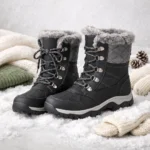
- Women's Snow Boots
Women’s Mid-Calf Winter Boots, Suede-Look with Fur Lining, Size 5.5
£2.98 *View On Amazon* - Women's Snow Boots
Women’s Winter Snow Boots with Waterproof Design and Non-Slip Outsole
£2.98 *View On Amazon* - Women's Snow Boots
Women’s Mid Calf Fur Lined Waterproof Winter Walking Boots, Size 6
£2.98 *View On Amazon* - Women's Snow Boots
Women’s Platform Winter Snow Boots, Faux Fur Lined Slip-On Ankle Boots, Size 5/5.5
£10.98 *View On Amazon* - Women's Snow Boots
Women’s Waterproof Fur-Lined Mid-Calf Winter Boots, Size 6
£2.98 *View On Amazon* - Women's Snow Boots
HODTOB Womens Winter Snow Boots White UK 6.5
Original price was: £43.99.£33.99Current price is: £33.99. *View On Amazon* - Women's Snow Boots
Hanani Women’s Chelsea Winter Ankle Boots with Fur Lining
Original price was: £39.98.£33.98Current price is: £33.98. *View On Amazon* - Women's Snow Boots
ziitop Women’s Fur-Lined Ankle Chelsea Snow Boots with Side Zip
Original price was: £39.99.£35.98Current price is: £35.98. *View On Amazon* - Women's Snow Boots
Hanani Women’s Winter Snow Boots, Fur Lined Grey Mid Calf Boots
£39.98 *View On Amazon* - Women's Snow Boots
ANGRYRAM Women’s Winter Steel Toe Safety Boots, Fur Lined
£39.99 *View On Amazon* - Women's Snow Boots
Merrell Siren 4 Thermo Mid Zip Waterproof Women’s Boots, Hazel, UK 6
Original price was: £180.00.£161.04Current price is: £161.04. *View On Amazon* - Women's Snow Boots
Columbia Women’s Minx 4 Snow Boots, Black/Elk, Size 6
Original price was: £110.00.£87.99Current price is: £87.99. *View On Amazon* - Women's Snow Boots
VLOOKST Womens Snow Boots, Waterproof Fur-Lined, White UK 6.5
Original price was: £35.99.£30.59Current price is: £30.59. *View On Amazon* - Women's Snow Boots
VTASQ Womens Snow Boots Black UK 5.5
Original price was: £20.99.£18.99Current price is: £18.99. *View On Amazon* - Women's Snow Boots
FitVille Womens Snow Boots Extra Wide, Black, UK 8.5
Original price was: £61.99.£52.69Current price is: £52.69. *View On Amazon* - Women's Snow Boots
Skechers Women’s Park City Black Hiker Boot, UK 7
Original price was: £79.00.£59.99Current price is: £59.99. *View On Amazon* - Women's Snow Boots
Sorel Women’s Torino V Waterproof Boots
Original price was: £150.00.£97.00Current price is: £97.00. *View On Amazon* - Women's Snow Boots
Columbia Women’s Ice Maiden II Snow Boots
Original price was: £90.00.£74.49Current price is: £74.49. *View On Amazon*


What Are Women’s Snow Boots?
Women’s snow boots are winter footwear made for colder and more challenging conditions than standard casual shoes. They are usually designed with warmer linings, more protective uppers and grippier soles, depending on the product.
Products in this category may include insulated snow boots, waterproof snow boots, ankle snow boots, mid calf snow boots, fleece lined boots, lace up boots, slip on winter boots and outdoor snow footwear where listed.
They are different from ordinary fashion boots because they are chosen for practical winter comfort as well as appearance. However, features vary by product, so it is important to check each listing carefully.
What Are Women’s Snow Boots Used For?
Women’s snow boots are used for cold weather walking, snowy pavements, winter travel, outdoor work, dog walking, school runs, festive trips, mountain resort holidays and general everyday wear in winter conditions.
They can be useful when trainers, casual shoes or fashion boots do not offer enough warmth, coverage or grip. A good pair of snow boots can help make cold days feel more manageable, especially when worn with suitable socks and winter layers.
For travel, they can be useful in snowy towns, ski villages or cold destinations where warmth and sole traction matter. For everyday use, they can help with wet pavements, frosty mornings and short outdoor journeys where suitable.
How To Choose The Right Women’s Snow Boots
Start by thinking about where you will wear them most. If you need boots for snowy holidays, warmth, grip and water protection may be key. If you need them for everyday winter errands, comfort, easy fastening and style may matter more.
Next, check the weather protection details. Some women’s snow boots may be waterproof where stated, while others may be water resistant or mainly insulated. Waterproof, water resistant and snow suitable do not always mean the same thing, so read the product description carefully.
Fit is also important. Snow boots are often worn with thicker socks, so make sure there is enough room without the foot sliding around. A boot that is too tight may feel uncomfortable and may not work well with winter socks. A boot that is too loose may feel unstable on uneven or slippery ground.
Also consider boot height. Ankle height boots can feel easier for everyday wear, while taller boots may offer more coverage in deeper snow or slush, depending on the product.
Key Features To Compare
When comparing women’s snow boots, look at insulation, lining, outsole grip, upper material, waterproofing where listed, boot height, fastening, weight, ankle support and care instructions.
Insulation affects warmth. Some boots may include fleece, faux fur, padded linings or technical insulation where listed. Warmer is not always better for every situation, especially if you are walking actively or moving between indoor and outdoor spaces.
Grip is especially important in winter. Look at the sole pattern and tread design where shown or described. Deeper tread can help on some snowy or muddy surfaces, but no boot can prevent every slip on ice.
Fastening style matters too. Lace up boots can offer a more adjustable fit, while zip or slip on designs may be quicker to use. Some boots may combine fastenings for convenience and support where listed.
Weight should also be considered. Heavier boots may feel more protective, but lighter boots can be easier for travel and daily wear.
Women’s Snow Boots Compared With Walking Boots Winter Boots And Fashion Boots
Women’s snow boots are usually chosen for cold weather protection, warmth and grip in snowy or slushy conditions. They are often more winter focused than general walking shoes or casual boots.
Walking boots are designed for trails, hiking and outdoor walking. Some may be waterproof or warm where listed, but they are not always insulated for snow. They can be better for longer walks or uneven terrain depending on the product.
Winter boots is a broader term that can include snow boots, insulated boots and cold weather casual boots. Snow boots tend to focus more specifically on snow, slush and cold conditions where stated.
Fashion boots may look stylish, but they may not provide the warmth, tread or water protection needed for snow and ice. If winter practicality is important, check features before choosing on appearance alone.
Guidance For First Time Regular And Winter Travel Buyers
First time buyers should choose women’s snow boots that feel comfortable, offer suitable warmth and match the conditions they are most likely to face. For everyday UK winter use, practical grip and easy wear may be more important than extreme cold features.
Regular winter walkers should compare sole grip, ankle comfort, lining, waterproofing where listed and how the boots feel with thicker socks. If you walk daily, small fit issues can become noticeable quickly.
Winter travel buyers should think about packing space, boot weight, destination weather and how the boots will work with coats, leggings, walking trousers or ski clothing. A boot that is warm and practical but still comfortable for travel can be useful.
Style focused buyers may want a pair that works with winter outfits as well as outdoor conditions. Neutral colours and simple shapes can be easier to wear regularly.
Use Cases By Activity And Lifestyle
For commuting, women’s snow boots should be comfortable enough for pavements, stations, car parks and short walks in cold weather. Grip and water protection where listed may be useful on wet or frosty mornings.
For dog walking, warmth, sole traction and easy cleaning can matter more than styling. Boots may need to cope with grass, mud, slush and uneven paths depending on the route.
For school runs and everyday errands, easy fastening, comfort and a practical height can make snow boots more useful day to day.
For winter holidays, check warmth, water protection, sole grip and compatibility with your clothing. If visiting snowy destinations, boot suitability becomes more important than casual appearance alone.
For ski resorts, snow boots can be useful off the slopes for walking around villages, accommodation areas and cold outdoor spaces. They are not a replacement for ski boots used with skis.
For outdoor events, markets and winter days out, comfort over several hours is important. Warm socks, a good coat and practical accessories can make a big difference.
Fit Compatibility And Comfort
Women’s snow boots should fit securely around the foot and heel while allowing enough room for winter socks. The toes should not feel crushed, and the heel should not lift excessively when walking.
Check the size guide where listed, especially if the boots are lined or insulated. Some boots may feel snug because of padding, while others may have a roomier fit for thicker socks.
Think about calf and ankle fit if choosing taller boots. The boot opening should work with leggings, jeans, walking trousers or thermal layers depending on how you plan to wear them.
Compatibility with insoles or orthotics should also be considered. If you use additional insoles, check whether there is enough internal space and whether the product has removable footbeds where listed.
Weather Grip And Surface Suitability
Snow boots can help in cold and snowy conditions, but they should still be chosen carefully for the surface. Snow, slush, wet pavements, packed ice and muddy winter paths all feel different underfoot.
A grippy outsole can help with traction, but no boot makes ice completely safe. Take care on frozen surfaces, steep paths, polished floors and wet steps, even when wearing winter footwear.
Waterproof boots may be useful for slush and wet snow where stated. Water resistant boots may help with light moisture, but may not be suitable for prolonged wet conditions. If you expect deep snow or heavy rain, check the product description closely.
Warmth also depends on socks, activity level and how long you are outside. Standing still in cold weather usually feels colder than walking.
Care Maintenance And Storage
Women’s snow boots should be cleaned and dried properly after use, especially after contact with mud, slush, salt or grit. Wipe away dirt and follow the product care instructions for the specific material.
Let boots dry naturally in a well ventilated place. Avoid placing them directly against radiators, fires or strong heat unless the product guidance says this is suitable, as heat can affect some materials, linings and adhesives.
If the boots have waterproof or water resistant features, follow the care guidance carefully. Some materials may need specific cleaning or reproofing products where suitable.
Store snow boots clean and dry. Avoid leaving them damp in cars, bags or cupboards for long periods. Keeping them upright or lightly stuffed can help them hold their shape where suitable.
Useful Accessories To Consider
Useful accessories can include thermal socks, walking socks, base layers, waterproof trousers, winter coats, down jackets, gloves, hats, scarves, neck warmers and backpacks. The right accessories depend on the weather and activity.
For snowy trips, warm socks and waterproof outerwear can help create a more complete winter setup. For everyday winter use, gloves, a hat and a practical coat can make cold journeys more comfortable.
For travel, a boot bag or shoe bag can help keep snow boots separate from clothing in luggage or the car after outdoor use.
Why Buy Women’s Snow Boots From YPC?
At YPC, we understand active lifestyles and the need for practical products that work in real use. Women’s snow boots can vary by warmth, fit, sole grip, waterproof protection, height, fastening, lining and care needs, so comparing the details helps you choose with more confidence.
YPC helps you browse women’s winter footwear with real cold weather use in mind, whether you are buying for commuting, travel, dog walking, winter holidays, outdoor errands or snowy days. Explore the Women’s Snow Boots category to browse the available options and compare the features that matter most for warmth, grip and practical winter comfort.
FAQs
What are women’s snow boots used for?
Women’s snow boots are used for cold, snowy, slushy or icy conditions where extra warmth, coverage and grip may be needed. They are useful for winter walks, travel, commuting and everyday cold weather wear.
Are women’s snow boots waterproof?
Some women’s snow boots are waterproof where stated, while others may be water resistant or mainly insulated. Check the product description carefully if you need protection from wet snow, slush or rain.
Are snow boots good for ice?
Snow boots with suitable tread can help with grip, but no boot can prevent every slip on ice. Take extra care on frozen pavements, steps, slopes and polished surfaces.
Should I size up in women’s snow boots?
You may need enough room for thicker socks, but avoid choosing boots that are too large. A loose fit can feel unstable, especially on snow or uneven winter ground. Check the size guide where listed.
What socks should I wear with snow boots?
Thermal socks, walking socks or warm winter socks can work well, depending on the boot fit and weather. Avoid socks that make the boots feel too tight or cause rubbing.
Can I wear snow boots every day in winter?
Yes, snow boots can be useful for everyday winter wear where the style, fit and comfort suit your routine. For indoor use or mild weather, very warm boots may feel too hot depending on the product.
What is the difference between snow boots and walking boots?
Snow boots usually focus on warmth, winter grip and snowy conditions, while walking boots focus on support and outdoor walking routes. Some walking boots may be waterproof or insulated where listed, but they are not always designed for snow.
How do I care for women’s snow boots?
Clean off mud, slush and salt after use, follow the care label and let the boots dry naturally. Store them clean and dry, and avoid direct heat unless the product guidance says it is suitable.
 Getting ready for Summer? View our Home and Garden Products

Heading outdoors this winter? Take a look at our Outdoor Clothing.
