
Men's Fleeces & Midlayers
Men’s fleeces and midlayers are designed to add warmth and comfort between your base layer and outer jacket. They are useful for walking, hiking, camping, commuting, travel, outdoor work and everyday wear when the weather is cool or changeable.
At YPC, you can browse men’s fleeces and midlayers for different seasons, activities and layering needs. This category helps you compare warmth, fabric, fit, zip style, weight, breathability, pockets, layering compatibility and care requirements before choosing.
- Men's Fleeces & Midlayers
Odlo SESVENNA HYBRID S-THERMIC Men’s Midlayer Jacket, Black
£70.49 *View On Amazon* - Men's Fleeces & Midlayers
Callaway Golf Mens Long Sleeve 1/4 Zip Waffle Sweater – Peacoat – L
£42.95 *View On Amazon* - Men's Fleeces & Midlayers
Stuburt Golf SBTOP1177 Flitton Golf Mid Layer Jacket, Mid Grey, XX-Large
£42.12 *View On Amazon* - Men's Fleeces & Midlayers
Regatta Mens Thompson Fleece Anti-Pill Midlayer Top
£13.88 *View On Amazon* - Men's Fleeces & Midlayers
Spyder Men’s Bandit Full Zip Ski Mid-Layer Jacket Fleece, Chambray, 3XL
£82.39 *View On Amazon* - Men's Fleeces & Midlayers
GripGrab PACR Bodywarmer Mid-Layer Winter Cycling Vest
£90.00 *View On Amazon* - Men's Fleeces & Midlayers
Mountain Warehouse Snowdon Mens Micro Fleece Top Black L
Original price was: £14.99.£12.99Current price is: £12.99. *View On Amazon* - Men's Fleeces & Midlayers
Regatta Mens Thompson Fleece Anti-Pill Midlayer Top
£11.50 *View On Amazon* - Men's Fleeces & Midlayers
Viper Tactical Technical Mid Layer Fleece Top – Green
£25.95 *View On Amazon* - Men's Fleeces & Midlayers
Mammut Aconcagua Light ML Hooded Jacket Men, Marine, L
£90.19 *View On Amazon* - Men's Fleeces & Midlayers
33,000ft Men’s Fleece Pullover Half Zip Microfleece Jacket Charcoal Grey M
Original price was: £23.99.£20.39Current price is: £20.39. *View On Amazon* - Men's Fleeces & Midlayers
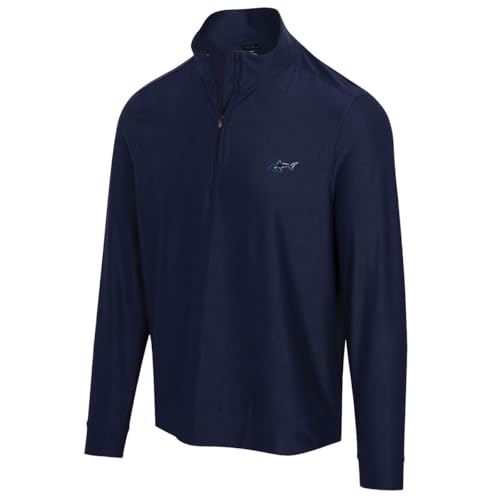
Greg Norman Men’s Backswing Quarter Zip Golf Mid Layer Blue
£29.99 *View On Amazon* - Men's Fleeces & Midlayers
ODLO Men’s Sesvenna Mid Layer Zip, Black Melange, M
£54.71 *View On Amazon* - Men's Fleeces & Midlayers
Helly Hansen Men’s Verglas 1/2 Zip, Ebony, XL
Original price was: £65.00.£49.15Current price is: £49.15. *View On Amazon* - Men's Fleeces & Midlayers
Salomon Men’s Discovery Hooded Mid Layer Jacket, Bleu Gris, Medium
£74.14 *View On Amazon* - Men's Fleeces & Midlayers
Rydale Mens Harpham Autumn Winter Mid Layer Full Zip Fleece Jacket Navy
£49.99 *View On Amazon*







What Are Men’s Fleeces And Midlayers?
Men’s fleeces and midlayers are warm clothing layers worn over a base layer or T shirt and under an outer shell, waterproof jacket or insulated jacket where needed. They help trap warmth while allowing better flexibility than one heavy coat.
A fleece is usually made from soft, warm synthetic fabric, while a midlayer can include fleece tops, grid fleece, stretch layers, lightweight pullovers, half zip tops, full zip jackets and other warmth layers depending on the product.
Their main role is to help you adapt to changing conditions. You can wear them on their own in mild weather or layer them under outerwear when it gets colder.
What Are Men’s Fleeces And Midlayers Used For?
Men’s fleeces and midlayers are used for warmth, comfort and flexible layering. They are useful during outdoor activities where temperature and effort levels can change throughout the day.
They can be worn for walking, hiking, cycling, fishing, camping, travelling, dog walking, commuting, school runs, garden work and general casual wear. A fleece can also be useful around camp, in the car, at work or after sport when you need an easy warm layer.
For active use, a good midlayer should provide warmth without feeling too bulky or restrictive.
How To Choose The Right Men’s Fleece Or Midlayer
Start by thinking about your main activity. For casual wear and everyday warmth, comfort and pocket layout may matter most. For hiking or camping, weight, breathability and layering fit may be more important.
Next, consider the level of warmth you need. A lightweight fleece may suit mild days, active walking or layering under a jacket. A thicker fleece may be better for colder conditions, slower activity or relaxed outdoor use where listed.
Fit is also important. A midlayer should allow easy movement and should sit comfortably over a base layer. If you plan to wear it under a waterproof or insulated jacket, make sure it is not too bulky.
Key Features To Compare
When comparing men’s fleeces and midlayers, look at fabric weight, warmth, breathability, stretch, zip style, collar height, pockets, cuffs, hem design and overall fit.
A full zip fleece can be easy to put on, remove and ventilate. A half zip or quarter zip style may feel lighter and simpler depending on the product. A pullover style can be warm and comfortable for casual use.
Pockets are useful for hands, keys, phones and small essentials where included. Higher collars can add warmth around the neck, while stretch fabrics may help with movement during active use.
Fleeces Compared With Base Layers
Base layers are worn next to the skin and are designed to support comfort as the first layer. They are usually close fitting and made for warmth, breathability or moisture management depending on the product.
Fleeces and midlayers are worn over the base layer to add insulation. They are usually warmer, thicker and more suitable as a visible outer layer in mild conditions.
The two work best together. A base layer helps with comfort next to the body, while a fleece or midlayer adds warmth over the top.
Fleeces Compared With Insulated Jackets
Fleeces are often breathable, soft and comfortable for active movement. They work well as a midlayer under a waterproof jacket or as a standalone layer in dry, cool weather.
Insulated jackets are usually designed to provide more warmth, especially when you are standing still or moving slowly. They may be better for colder conditions, rest stops or winter use depending on the product.
The trade off is warmth and flexibility. A fleece may be better for active comfort, while an insulated jacket may be better when warmth is the main priority.
Fleeces Compared With Softshell Jackets
Softshell jackets are often designed to offer a mix of wind resistance, movement and light weather protection where listed. They can be useful as an outer layer in cool, dry or changeable conditions.
Fleeces are usually more focused on warmth and comfort. They may not offer the same wind or weather protection as a softshell, but they can work very well under an outer jacket.
If you need warmth under a shell, choose a fleece or midlayer. If you need a more protective outer layer for mild weather, a softshell may be more suitable.
Lightweight Midlayers Compared With Heavy Fleeces
Lightweight midlayers are useful for active days, travel and layering under jackets. They are often easier to pack and may feel less bulky during movement.
Heavier fleeces can feel warmer and cosier, making them useful for cold days, campsite evenings, slower walks or everyday winter wear.
The right choice depends on how you use it. If you move quickly, lighter layers may feel more comfortable. If you spend time standing around outdoors, a warmer fleece may be the better option.
Beginner, Regular Outdoor User And Experienced User Guidance
Beginners should focus on a comfortable, easy to wear fleece that works for everyday use and simple outdoor activities. A versatile full zip fleece can be a useful starting point.
Regular outdoor users may want to compare warmth, fabric weight, breathability, pocket layout and how well the fleece fits under existing jackets. If you walk or camp often, layering compatibility becomes more important.
Experienced users may choose different midlayers for different conditions. A lighter fleece may suit high movement days, while a warmer midlayer may suit cold starts, rest stops or winter camping.
Use Cases By Activity And Weather
For walking and hiking, men’s fleeces and midlayers are useful because they can be added or removed as your body temperature changes. They are ideal for layering under waterproof jackets in cool conditions.
For camping, a warm fleece can be useful in the evening, early morning and around the campsite when temperatures often drop.
For commuting and everyday wear, a fleece can provide simple warmth without the bulk of a heavy coat. It can also sit comfortably under a jacket during colder months.
For travel, lightweight midlayers can be practical because they are easy to pack, comfortable to wear and useful across different conditions depending on the product.
Fit, Sizing And Comfort
Fit can vary between brands and products, so always check the size information shown on the listing. A men’s fleece or midlayer should feel comfortable across the shoulders, chest and arms.
You should be able to reach, bend, walk, carry a bag and move naturally without the fabric pulling. If the fleece will be worn under another jacket, avoid a fit that is too bulky around the sleeves or body.
A slightly closer fit may work better for active layering, while a more relaxed fit may feel better for casual use. Choose based on how you plan to wear it most often.
Fabric, Warmth And Breathability
Fabric weight affects warmth and comfort. Lightweight fleece can be useful for mild weather or active use. Thicker fleece may provide more warmth in colder conditions where listed.
Breathability matters when you are walking uphill, cycling, working outdoors or moving quickly. A midlayer that is too warm for the activity can make you overheat.
No single fleece suits every condition. Many outdoor users choose lighter options for active days and warmer options for colder, slower days.
Zip Styles, Collars And Pockets
A full zip fleece is easy to ventilate and remove, making it practical for changing temperatures. It can also be worn open over a base layer or T shirt.
A half zip or quarter zip midlayer can feel simple, light and comfortable under jackets. It may suit walking, travel and active use where fewer bulky details are preferred.
A higher collar can add warmth around the neck, while zipped pockets may be useful for small essentials where listed. Pocket placement matters if you wear a rucksack, as some pockets may be covered by straps.
Layering With Waterproofs And Jackets
Men’s fleeces and midlayers work best as part of a layering system. A base layer sits next to the skin, a fleece adds warmth and an outer jacket helps with rain, wind or colder conditions where suitable.
If you plan to wear a fleece under a waterproof jacket, check that the sleeves and body do not feel too bulky. The layers should move together comfortably.
For colder weather, a fleece can also be worn under an insulated jacket where suitable, although too many thick layers may restrict movement.
Compatibility With Outdoor Kit
A good midlayer should work with your wider outdoor kit. Think about rucksacks, waterproof trousers, walking trousers, gloves, hats and footwear.
If you carry a backpack, check whether the shoulder area feels comfortable under straps. If you need pockets while walking, make sure they are accessible with your jacket or bag.
For cycling, consider whether the fleece allows easy arm movement and does not bunch at the waist. For work or travel, think about how it fits under coats and over everyday clothing.
Safety And Practical Outdoor Considerations
Fleeces and midlayers help with warmth, but they are not usually full weather protection on their own. In wind, rain or exposed conditions, a suitable outer layer may still be needed.
Avoid wearing a layer that is too warm for high effort activity. If you sweat heavily and then stop moving, you may become cold more quickly.
Reflective details may be useful where listed, especially for commuting or low light use. They should be considered alongside lights, visible clothing and sensible outdoor habits.
Care, Washing And Drying
Always follow the care instructions shown on the product label or listing. Fleeces and midlayers can pick up sweat, dirt, pet hair, mud and outdoor smells, so regular care keeps them more pleasant to wear.
Let damp layers dry properly before storing them. Avoid leaving used fleeces packed in a rucksack, kit bag or car boot for long periods.
Check zips, cuffs, hems and pocket areas regularly. Small signs of wear are easier to deal with early, especially if you use the fleece often.
Storage And Kit Organisation
Store men’s fleeces and midlayers clean and dry with your outdoor clothing or everyday layers. Hanging or folding them neatly can help keep them ready for use.
For camping, hiking or travel, packing a fleece in an accessible part of your bag is sensible because it is often needed quickly when temperatures drop.
Before a trip or new season, check that your fleece still fits comfortably under your outer jacket and that the zips and pockets work properly.
Useful Accessories To Consider
Men’s fleeces and midlayers work well with base layers, waterproof jackets, insulated jackets, walking trousers, waterproof trousers, gloves, hats and warm socks.
For camping or hiking, a rucksack, dry bag and spare base layer can help keep kit organised. For commuting, a waterproof outer jacket and practical backpack may be useful.
Choose accessories based on your actual activity and weather. A fleece is most effective when it forms part of a sensible clothing system.
Why Buy From YPC?
At YPC, we understand active lifestyles and the need for practical products that work in real use. Men’s fleeces and midlayers should feel comfortable, layer well and suit the way you spend time outdoors.
This category helps you compare warmth, fit, fabric, breathability, zip style, pockets, layering compatibility and care needs without overcomplicating the choice. Browse the men’s fleeces and midlayers at YPC, compare the available options and choose the layer that suits your next walk, trip, commute or outdoor day.
FAQs
What is a men’s fleece used for?
A men’s fleece is used to add warmth and comfort during outdoor activity, travel, commuting and everyday wear. It can be worn on its own in mild weather or under a jacket in colder conditions.
What is a midlayer?
A midlayer is a clothing layer worn between a base layer and an outer jacket. Its main job is to add warmth while still allowing comfortable movement.
Are fleeces waterproof?
Most fleeces are not fully waterproof. They may provide warmth in dry or mildly changeable conditions, but a waterproof jacket is usually needed for rain.
Is a fleece warmer than a base layer?
Yes, a fleece is usually warmer than a base layer because it is designed as an insulating layer. A base layer sits next to the skin, while a fleece adds warmth over the top.
Should a fleece fit tightly or loosely?
A fleece should fit comfortably. A closer fit may work better for active layering, while a relaxed fit may suit casual wear. It should not restrict movement or feel bulky under a jacket.
Can I wear a fleece for hiking?
Yes, fleeces are useful for hiking because they provide flexible warmth and can be added or removed as conditions change. They work well under waterproof jackets where suitable.
What is the difference between a fleece and an insulated jacket?
A fleece is usually a breathable warmth layer, while an insulated jacket is designed to provide more warmth in colder conditions. Many people use both for different weather and activities.
How do I wash a men’s fleece?
Follow the care instructions on the product label or listing. Wash when needed, dry properly and store clean so the fleece is ready for your next outdoor activity.
 Getting ready for Summer? View our Home and Garden Products

Heading outdoors this winter? Take a look at our Outdoor Clothing.