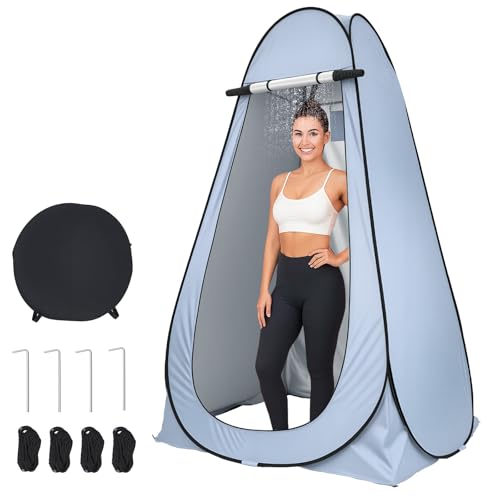
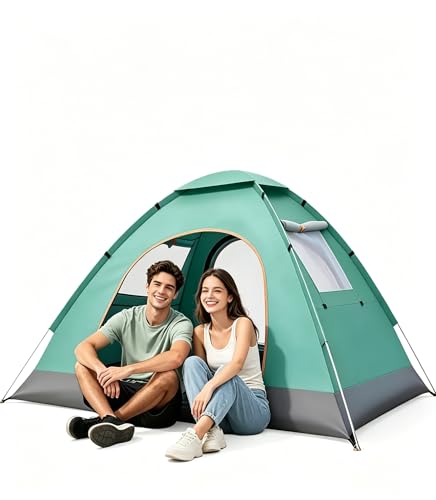
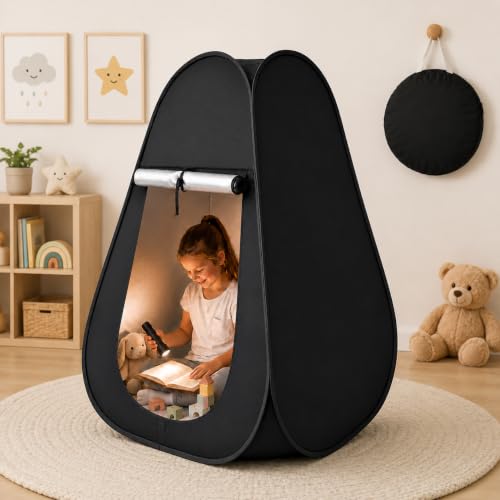
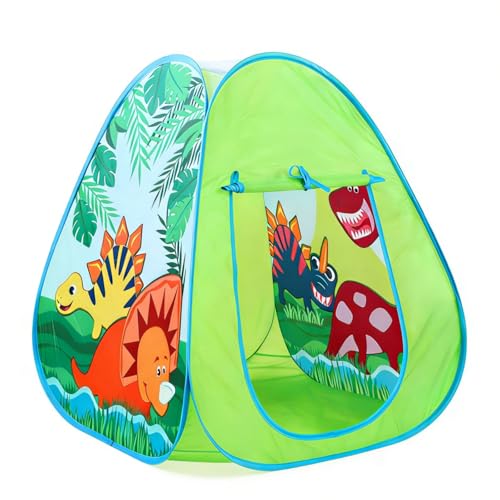
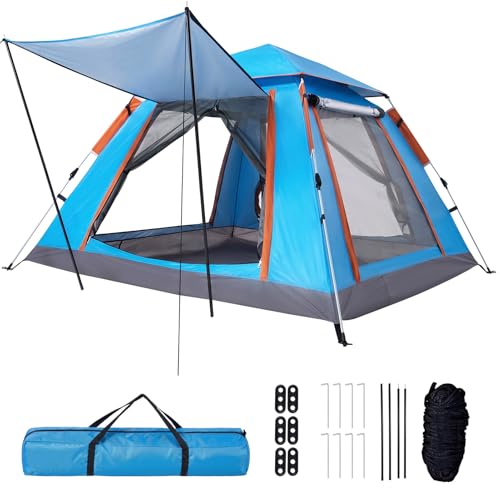
Pop up tents are quick pitching shelters designed for camping, festivals, garden sleepouts, beach days and short outdoor trips. Whether you want a simple tent for a UK festival, an easy shelter for weekend camping or a compact option for casual use, a pop up tent can save time and make setup much less stressful.
Our pop up tents range is designed for campers who want shelter that is fast, practical and easy to use. From small pop up tents for solo campers and couples to larger instant tents for friends or families, you can choose an option that suits your group size, packing space and trip style.
£43.99Original price was: £43.99.£35.99Current price is: £35.99.*View On Amazon*
Quick Shelter Without Complicated Pitching
The main appeal of a pop up tent is speed. Instead of threading poles through sleeves and working out a full frame, many pop up tents unfold into shape quickly, making them useful when you arrive late, face bad weather or simply want a simpler camping setup.
They are especially popular for festivals, garden camping, short stays and casual campsite trips where convenience matters more than having a large living area. A pop up tent gives you somewhere to sleep, store essentials and shelter from the weather without spending ages pitching.
For UK camping, it is still important to check water resistance, ventilation and groundsheet design before buying. Fast pitching is useful, but the tent still needs to suit the conditions you expect.
How to Choose a Pop Up Tent
Start by thinking about how many people will sleep in the tent. Tent capacity usually refers to sleeping space, so if you want room for bags, boots and bedding, consider choosing a larger size than the number of sleepers.
Key decision factors include sleeping capacity, packed size, weight, folded shape, water resistance, ventilation, groundsheet style, door design, porch space, ease of folding and how far you need to carry it.
Pop up tents can be quick to pitch, but some can be awkward to fold away until you know the method. If possible, practise at home before your first trip so packing away is not a battle in a muddy field.
Pop Up Tents vs Traditional Poled Tents
Pop up tents are best when you want speed and simplicity. They are useful for short breaks, festivals, garden camping and campers who do not want to deal with separate poles.
Traditional poled tents usually take longer to pitch, but they can offer more choice in shape, structure, size and weather performance depending on the model. They may also pack into a longer but sometimes easier-to-carry bag.
The trade-off is convenience versus flexibility. A pop up tent is quick and simple, while a traditional tent may be better for longer trips, rougher weather or campers who want more layout options.
Small Pop Up Tents vs Larger Pop Up Tents
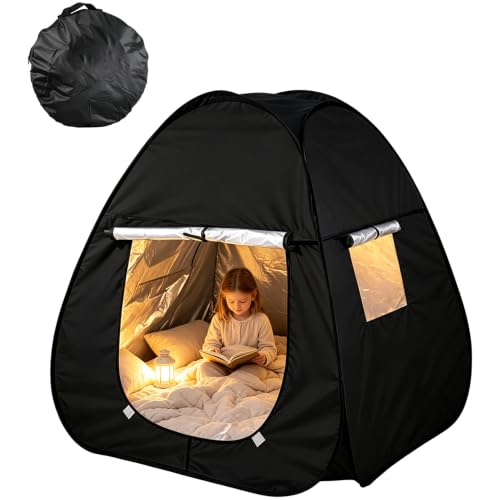
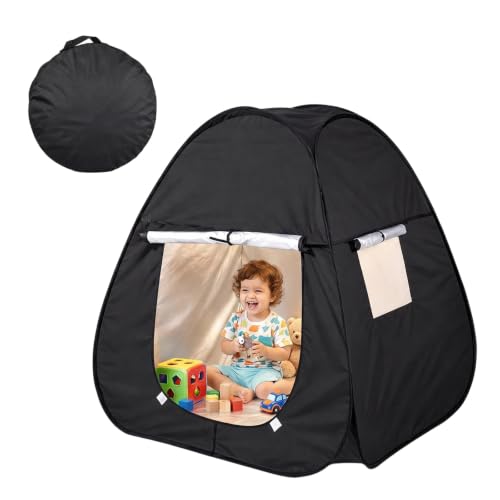
Small pop up tents are compact, quick to use and easier to carry. They suit solo campers, couples, festivals, children’s garden camping and short overnight stays.
Larger pop up tents give you more space for sleeping, bags and movement. They can be better for friends, small families or campers who want more comfort, but they may be heavier and bulkier when packed.
The right choice depends on your trip. If you are walking a long way from the car park, keep it light. If you are staying for several nights, extra space can make the tent much easier to live in.
Pop Up Tents for Festivals
Pop up tents are a popular festival choice because they can be pitched quickly in a busy field. When space is tight and the weather is uncertain, a fast setup can be a real advantage.
For festivals, look for a tent that is light enough to carry, easy to identify, suitable for the forecast and large enough for your sleeping bag, mat and essentials. A distinctive colour or design can help you find your tent more easily among rows of similar shelters.
Always check the festival rules before travelling. Some events may restrict tent sizes, gazebos, cooking equipment or campsite accessories.
Pop Up Tents for Campsites and Garden Camping
For casual campsite trips, a pop up tent can be a convenient option for weekends, children, guests or simple summer camping. It is especially useful when you want to spend more time relaxing and less time setting up.
For garden camping, pop up tents can create a fun sleepout space without needing a complicated pitch. They can also be handy for play, shade or temporary outdoor shelter, depending on the product design.
For longer campsite holidays, check the space, ventilation and weather protection carefully. A quick-pitch tent can be useful, but comfort matters more if you will be sleeping in it for several nights.
Useful Features to Look For
A good pop up tent should be easy to pitch, reasonably simple to fold away and comfortable enough for the way you plan to use it. Look for clear packing instructions, practical doors, good airflow and enough room for your sleeping setup.
Ventilation is important because tents can build up condensation overnight, especially in damp UK weather. Mesh panels, vents and door openings can help air move through the tent.
Porch space can be useful for muddy shoes, wet coats and small bags. Storage pockets and lantern loops are also helpful if you want to keep your essentials easy to find.
Pop Up Tents and UK Weather
UK weather can change quickly, so do not choose a tent on pitching speed alone. Check the product details for water resistance, seam design, groundsheet coverage and whether the tent is intended for fair-weather use or general camping.
In wet conditions, keep bedding away from tent walls and use ventilation where possible to help reduce condensation. In windy conditions, peg the tent properly and use guy lines where supplied.
No pop up tent should be treated as storm-proof unless the product guidance clearly supports that use. If conditions become unsafe, follow campsite advice and use common sense.
Pitching and Packing a Pop Up Tent
Although pop up tents are quick to pitch, they still need to be secured properly. Choose level ground where possible, clear away sharp stones and peg the tent according to the instructions.
Packing away is where practice helps most. Many pop up tents fold in a specific way, and forcing the frame can damage it. Try folding the tent at home before your trip so you understand the movement before you are tired, wet or surrounded by festival mud.
After use, dry the tent fully before storing it. Packing a damp tent away for long periods can lead to smells, mildew and fabric problems.
Using Pop Up Tents Safely
Never cook inside a pop up tent. Stoves, BBQs, candles, heaters and fuel-burning equipment should not be used inside tents or enclosed spaces because of fire and carbon monoxide risks.
Keep entrances clear, store pegs and sharp items safely, and make guy lines visible where possible to reduce trip hazards. If children are using the tent, supervise setup and use according to the product guidance.
A pop up tent should make camping easier, but it still needs proper pitching, care and safe use.
Shop Pop Up Tents Online
Browse our pop up tents range to find quick-pitch shelter for festivals, campsites, garden camping, beach days and weekend trips. Compare sizes, packed dimensions, water resistance, ventilation and folding style to choose a pop up tent that suits your next outdoor adventure.
Pop Up Tents FAQs
What is a pop up tent?
A pop up tent is a quick-pitch tent that unfolds into shape with a built-in flexible frame. It is designed to be faster to set up than many traditional poled tents.
Are pop up tents good for camping?
Pop up tents can be good for short camping trips, festivals, garden camping and casual campsite stays. For longer trips or rough weather, check the tent’s space, ventilation and weather protection carefully.
Are pop up tents good for festivals?
Yes, pop up tents are popular for festivals because they are quick to pitch and easy to use in busy campsites. Choose one that is light enough to carry and large enough for you and your essentials.
Are pop up tents waterproof?
Water resistance varies by product. Check the tent’s waterproof rating, seams, groundsheet and product guidance before buying, especially if you expect UK rain.
What size pop up tent should I buy?
Choose a size based on how many people will sleep in it and how much space you need for bags. If you want more comfort, consider choosing one size larger than the number of sleepers.
Are pop up tents easy to put away?
Pop up tents are usually quick to pitch, but folding them away can take practice. It is worth testing the folding method at home before your first trip.
What is the difference between a pop up tent and an instant tent?
A pop up tent usually springs into shape using a built-in flexible frame. An instant tent may use a pre-attached frame or quick-pitch system, but the exact design varies by product.
Can I use a pop up tent in windy weather?
Only use a pop up tent in wind conditions allowed by the manufacturer. Peg it properly, use guy lines where supplied and avoid exposed pitches in poor weather.
Do pop up tents get condensation?
Yes, condensation can happen in any tent, especially in damp or cool UK conditions. Use vents, avoid blocking airflow and keep wet items away from sleeping areas where possible.
Can I cook inside a pop up tent?
No. You should not cook inside a pop up tent. Stoves, BBQs, candles, heaters and fuel-burning equipment create serious fire and carbon monoxide risks in enclosed spaces.
Are pop up tents suitable for children?
Pop up tents can be suitable for children when the product age guidance allows it and adults supervise setup and use. Keep pegs, poles and sharp accessories stored safely.
How should I store a pop up tent?
Dry the tent fully, clean off mud or grass, fold it according to the product instructions and store it in a dry place away from damp, sharp objects and direct heat.
Quick Shelter Without Complicated Pitching
The main appeal of a pop up tent is speed. Instead of threading poles through sleeves and working out a full frame, many pop up tents unfold into shape quickly, making them useful when you arrive late, face bad weather or simply want a simpler camping setup.
They are especially popular for festivals, garden camping, short stays and casual campsite trips where convenience matters more than having a large living area. A pop up tent gives you somewhere to sleep, store essentials and shelter from the weather without spending ages pitching.
For UK camping, it is still important to check water resistance, ventilation and groundsheet design before buying. Fast pitching is useful, but the tent still needs to suit the conditions you expect.
How to Choose a Pop Up Tent
Start by thinking about how many people will sleep in the tent. Tent capacity usually refers to sleeping space, so if you want room for bags, boots and bedding, consider choosing a larger size than the number of sleepers.
Key decision factors include sleeping capacity, packed size, weight, folded shape, water resistance, ventilation, groundsheet style, door design, porch space, ease of folding and how far you need to carry it.
Pop up tents can be quick to pitch, but some can be awkward to fold away until you know the method. If possible, practise at home before your first trip so packing away is not a battle in a muddy field.
Pop Up Tents vs Traditional Poled Tents
Pop up tents are best when you want speed and simplicity. They are useful for short breaks, festivals, garden camping and campers who do not want to deal with separate poles.
Traditional poled tents usually take longer to pitch, but they can offer more choice in shape, structure, size and weather performance depending on the model. They may also pack into a longer but sometimes easier-to-carry bag.
The trade-off is convenience versus flexibility. A pop up tent is quick and simple, while a traditional tent may be better for longer trips, rougher weather or campers who want more layout options.
Small Pop Up Tents vs Larger Pop Up Tents
Small pop up tents are compact, quick to use and easier to carry. They suit solo campers, couples, festivals, children’s garden camping and short overnight stays.
Larger pop up tents give you more space for sleeping, bags and movement. They can be better for friends, small families or campers who want more comfort, but they may be heavier and bulkier when packed.
The right choice depends on your trip. If you are walking a long way from the car park, keep it light. If you are staying for several nights, extra space can make the tent much easier to live in.
Pop Up Tents for Festivals
Pop up tents are a popular festival choice because they can be pitched quickly in a busy field. When space is tight and the weather is uncertain, a fast setup can be a real advantage.
For festivals, look for a tent that is light enough to carry, easy to identify, suitable for the forecast and large enough for your sleeping bag, mat and essentials. A distinctive colour or design can help you find your tent more easily among rows of similar shelters.
Always check the festival rules before travelling. Some events may restrict tent sizes, gazebos, cooking equipment or campsite accessories.
Pop Up Tents for Campsites and Garden Camping
For casual campsite trips, a pop up tent can be a convenient option for weekends, children, guests or simple summer camping. It is especially useful when you want to spend more time relaxing and less time setting up.
For garden camping, pop up tents can create a fun sleepout space without needing a complicated pitch. They can also be handy for play, shade or temporary outdoor shelter, depending on the product design.
For longer campsite holidays, check the space, ventilation and weather protection carefully. A quick-pitch tent can be useful, but comfort matters more if you will be sleeping in it for several nights.
Useful Features to Look For
A good pop up tent should be easy to pitch, reasonably simple to fold away and comfortable enough for the way you plan to use it. Look for clear packing instructions, practical doors, good airflow and enough room for your sleeping setup.
Ventilation is important because tents can build up condensation overnight, especially in damp UK weather. Mesh panels, vents and door openings can help air move through the tent.
Porch space can be useful for muddy shoes, wet coats and small bags. Storage pockets and lantern loops are also helpful if you want to keep your essentials easy to find.
Pop Up Tents and UK Weather
UK weather can change quickly, so do not choose a tent on pitching speed alone. Check the product details for water resistance, seam design, groundsheet coverage and whether the tent is intended for fair-weather use or general camping.
In wet conditions, keep bedding away from tent walls and use ventilation where possible to help reduce condensation. In windy conditions, peg the tent properly and use guy lines where supplied.
No pop up tent should be treated as storm-proof unless the product guidance clearly supports that use. If conditions become unsafe, follow campsite advice and use common sense.
Pitching and Packing a Pop Up Tent
Although pop up tents are quick to pitch, they still need to be secured properly. Choose level ground where possible, clear away sharp stones and peg the tent according to the instructions.
Packing away is where practice helps most. Many pop up tents fold in a specific way, and forcing the frame can damage it. Try folding the tent at home before your trip so you understand the movement before you are tired, wet or surrounded by festival mud.
After use, dry the tent fully before storing it. Packing a damp tent away for long periods can lead to smells, mildew and fabric problems.
Using Pop Up Tents Safely
Never cook inside a pop up tent. Stoves, BBQs, candles, heaters and fuel-burning equipment should not be used inside tents or enclosed spaces because of fire and carbon monoxide risks.
Keep entrances clear, store pegs and sharp items safely, and make guy lines visible where possible to reduce trip hazards. If children are using the tent, supervise setup and use according to the product guidance.
A pop up tent should make camping easier, but it still needs proper pitching, care and safe use.
Shop Pop Up Tents Online
Browse our pop up tents range to find quick-pitch shelter for festivals, campsites, garden camping, beach days and weekend trips. Compare sizes, packed dimensions, water resistance, ventilation and folding style to choose a pop up tent that suits your next outdoor adventure.
Pop Up Tents FAQs
What is a pop up tent?
A pop up tent is a quick-pitch tent that unfolds into shape with a built-in flexible frame. It is designed to be faster to set up than many traditional poled tents.
Are pop up tents good for camping?
Pop up tents can be good for short camping trips, festivals, garden camping and casual campsite stays. For longer trips or rough weather, check the tent’s space, ventilation and weather protection carefully.
Are pop up tents good for festivals?
Yes, pop up tents are popular for festivals because they are quick to pitch and easy to use in busy campsites. Choose one that is light enough to carry and large enough for you and your essentials.
Are pop up tents waterproof?
Water resistance varies by product. Check the tent’s waterproof rating, seams, groundsheet and product guidance before buying, especially if you expect UK rain.
What size pop up tent should I buy?
Choose a size based on how many people will sleep in it and how much space you need for bags. If you want more comfort, consider choosing one size larger than the number of sleepers.
Are pop up tents easy to put away?
Pop up tents are usually quick to pitch, but folding them away can take practice. It is worth testing the folding method at home before your first trip.
What is the difference between a pop up tent and an instant tent?
A pop up tent usually springs into shape using a built-in flexible frame. An instant tent may use a pre-attached frame or quick-pitch system, but the exact design varies by product.
Can I use a pop up tent in windy weather?
Only use a pop up tent in wind conditions allowed by the manufacturer. Peg it properly, use guy lines where supplied and avoid exposed pitches in poor weather.
Do pop up tents get condensation?
Yes, condensation can happen in any tent, especially in damp or cool UK conditions. Use vents, avoid blocking airflow and keep wet items away from sleeping areas where possible.
Can I cook inside a pop up tent?
No. You should not cook inside a pop up tent. Stoves, BBQs, candles, heaters and fuel-burning equipment create serious fire and carbon monoxide risks in enclosed spaces.
Are pop up tents suitable for children?
Pop up tents can be suitable for children when the product age guidance allows it and adults supervise setup and use. Keep pegs, poles and sharp accessories stored safely.
How should I store a pop up tent?
Dry the tent fully, clean off mud or grass, fold it according to the product instructions and store it in a dry place away from damp, sharp objects and direct heat.
Heading outdoors this winter? Take a look at our Outdoor Clothing.
Manage Consent
To provide the best experiences, we use technologies like cookies to store and/or access device information. Consenting to these technologies will allow us to process data such as browsing behaviour or unique IDs on this site. Not consenting or withdrawing consent, may adversely affect certain features and functions.
Functional
Always active
The technical storage or access is strictly necessary for the legitimate purpose of enabling the use of a specific service explicitly requested by the subscriber or user, or for the sole purpose of carrying out the transmission of a communication over an electronic communications network.
Preferences
The technical storage or access is necessary for the legitimate purpose of storing preferences that are not requested by the subscriber or user.
Statistics
The technical storage or access that is used exclusively for statistical purposes.The technical storage or access that is used exclusively for anonymous statistical purposes. Without a subpoena, voluntary compliance on the part of your Internet Service Provider, or additional records from a third party, information stored or retrieved for this purpose alone cannot usually be used to identify you.
Marketing
The technical storage or access is required to create user profiles to send advertising, or to track the user on a website or across several websites for similar marketing purposes.