
Women's Waterproof Jackets
Women’s waterproof jackets are outer layers designed to help protect against rain and wet weather, depending on the waterproof features listed on each product. They are useful for walking, hiking, camping, commuting, dog walking, school runs, travel, festivals and everyday use in changeable UK conditions.
The right waterproof jacket should suit your activity, fit preference, layering needs and the weather you expect. When comparing options, look at waterproof rating where listed, taped seams where listed, breathability, hood design, fit, length, pocket layout, weight, packability, cuff style, care guidance and how the jacket works with the rest of your outdoor clothing.
- Women's Waterproof Jackets
Regatta Womens Brianka Waterproof Shell Jacket with Hood
Original price was: £42.18.£38.00Current price is: £38.00. *View On Amazon* - Women's Waterproof Jackets
OHS Charcoal Grey Waterproof Changing Robe with Fleece Lining L/XL
£28.99 *View On Amazon* - Women's Waterproof Jackets
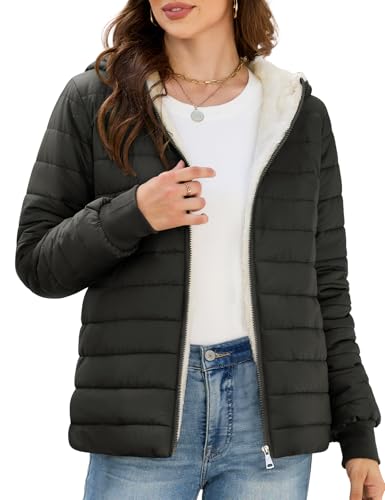
CMTOP Women’s Black Winter Jacket, Fleece Lined Quilted Hooded Jacket, L
£28.99 *View On Amazon* - Women's Waterproof Jackets
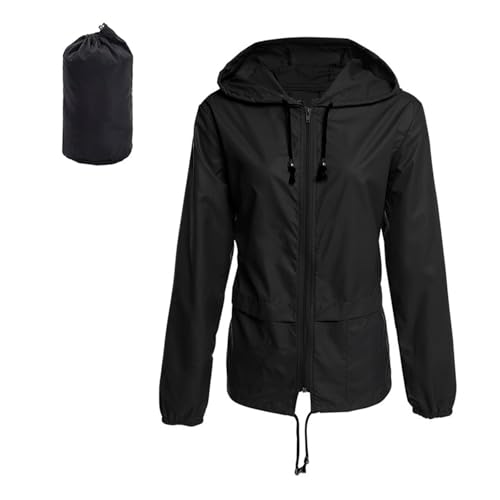
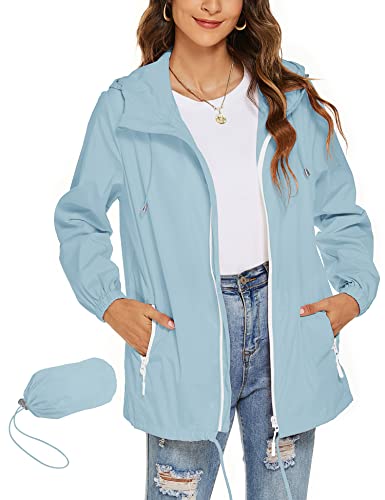
Women’s Lightweight Packable Waterproof Hooded Rain Jacket, Black, UK M
£12.99 *View On Amazon* - Women's Waterproof Jackets
Znwerma Women’s Waterproof Hooded Lightweight Rain Jacket, Beige
£13.99 *View On Amazon* - Women's Waterproof Jackets
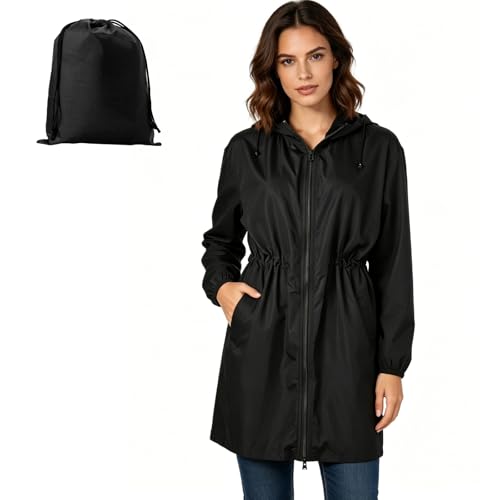
SCCGKP Women’s Black Waterproof Long Raincoat with Hood, M Regular
£16.99 *View On Amazon* - Women's Waterproof Jackets
PUFFIT Women’s Waterproof Rain Jacket with Hood, 20000 mm
Original price was: £69.99.£47.49Current price is: £47.49. *View On Amazon* - Women's Waterproof Jackets
NWDEY Women’s Lightweight Waterproof Hooded Rain Jacket, Black, M
Original price was: £13.99.£10.99Current price is: £10.99. *View On Amazon* - Women's Waterproof Jackets
Women’s Lightweight Waterproof Hooded Softshell Jacket
Original price was: £19.99.£17.99Current price is: £17.99. *View On Amazon* - Women's Waterproof Jackets
Dare 2b Womens Torrek III Waterproof Jacket Black Size 12
£39.31 *View On Amazon* - Women's Waterproof Jackets
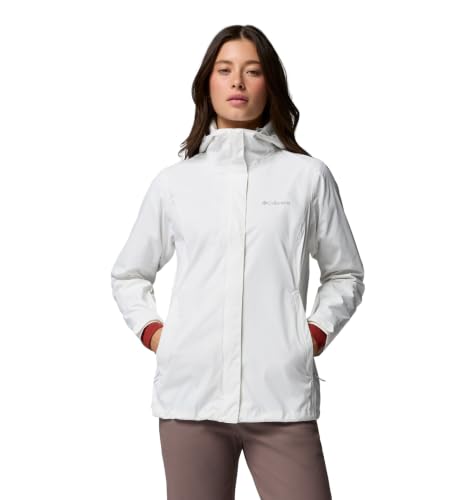
Columbia Women’s Arcadia 2 Waterproof Rain Jacket, Sea Salt, Medium
£58.36 *View On Amazon* - Women's Waterproof Jackets
Women’s Waterproof Hooded Rain Jacket with Pocket Zip Coat
Original price was: £11.49.£9.97Current price is: £9.97. *View On Amazon* - Women's Waterproof Jackets
Blu Apparel Women’s Fleece Lined Waterproof Rain Jacket, Black, UK 10
£26.99 *View On Amazon* - Women's Waterproof Jackets
JiaYouLC Women’s Packable Hooded Waterproof Rain Jacket, Black, UK L
Original price was: £14.99.£13.99Current price is: £13.99. *View On Amazon* - Women's Waterproof Jackets
SOPPY Women’s Waterproof Raincoat with Hood, Navy Blue
Original price was: £8.99.£8.49Current price is: £8.49. *View On Amazon* - Women's Waterproof Jackets
RITOSTA Women’s Waterproof Hooded Rain Jacket, Black, L
£24.99 *View On Amazon* - Women's Waterproof Jackets
Amazon Essentials Women’s Packable Waterproof Hooded Rain Jacket, Black, S
£33.70 *View On Amazon* - Women's Waterproof Jackets
BRAVE SOUL Women’s Black Water Repellent Hooded Rain Jacket
£19.99 *View On Amazon* - Women's Waterproof Jackets
Regatta Womens Daysha Waterproof Shell Jacket with Concealed Hood
£29.48 *View On Amazon* - Women's Waterproof Jackets
heekpek Womens Waterproof Hooded Rain Jacket, Army Green, L
£36.99 *View On Amazon* - Women's Waterproof Jackets
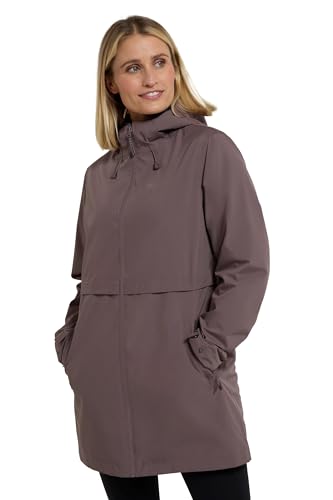
Mountain Warehouse Hilltop Womens Waterproof Jacket, Dark Beige, Size 8
£35.99 *View On Amazon* - Women's Waterproof Jackets
33,000ft Women’s Waterproof Softshell Jacket with Detachable Hood
£39.99 *View On Amazon* - Women's Waterproof Jackets
Mountain Warehouse Fell Womens 3 in 1 Waterproof Jacket with Hood Black 14
£54.99 *View On Amazon* - Women's Waterproof Jackets
Rapbin Women’s Packable Waterproof Raincoat with Hood
£26.99 *View On Amazon*












What Are Women’s Waterproof Jackets
Women’s waterproof jackets are outerwear garments designed to help keep rain away from the body during wet conditions. They are usually worn as the final outer layer over base layers, fleeces, hoodies or insulated jackets where suitable.
Depending on the product, a women’s waterproof jacket may include a hood, zipped pockets, adjustable cuffs, storm flaps, breathable fabric, packable construction, longer length coverage, underarm vents or water repellent finishes where listed.
Not all waterproof jackets offer the same level of protection. Some are designed for light everyday rain, while others may be more suitable for longer walks or outdoor use where the product details support that.
What Women’s Waterproof Jackets Are Used For
Women’s waterproof jackets are used for staying more comfortable in wet weather. They can be worn during countryside walks, town commutes, hiking trips, campsite days, travel, outdoor events and daily errands.
For walking and hiking, a waterproof jacket can help protect upper body layers from rain and wind where suitable. For commuting, it can provide a practical layer over workwear or casual clothing. For travel, a lightweight or packable jacket where listed can be useful when the weather is uncertain.
They can also be useful for dog walking, festivals, school runs and outdoor volunteering, where rain can arrive quickly and shelter may not be nearby.
How To Choose The Right Women’s Waterproof Jacket
Start with how you plan to use the jacket. For everyday wear, comfort, hood coverage, pocket layout and style may matter most. For hiking or camping, compare waterproof construction, breathability, weight and how well the jacket layers over fleeces or base layers.
Next, think about rain level. A jacket for short showers may not need the same features as one for long walks in persistent rain. Look for waterproof ratings, taped seams and weather protection details where listed.
Fit is important. A waterproof jacket should allow comfortable movement through the shoulders and arms. It should also leave enough room for layers underneath without feeling bulky or restrictive.
Consider the hood carefully. A good hood can make wet weather much more manageable, but it should not block your vision or feel awkward when adjusted.
Key Features To Compare
Waterproof protection is the main feature to check. Product listings may mention waterproof fabric, taped seams, water repellent finishes or other weather protection details where provided.
Breathability matters during active use. A jacket that helps manage moisture from inside can feel more comfortable during hill walks, fast commutes or warmer rainy days where this feature is listed.
Hood design is worth comparing. Fixed hoods, adjustable hoods, peaked hoods or removable hoods may suit different users and activities.
Pocket layout can make a big difference. Zipped pockets where listed can help keep small essentials more secure, while higher pockets may work better with backpacks or hip belts.
Cuff and hem adjustment can help improve comfort in rain and wind. Adjustable cuffs, drawcord hems and storm flaps where listed may help reduce draughts and water entry.
Weight and packability are useful for travel, festivals and walking. A lightweight jacket can be easier to carry, while a heavier jacket may feel more substantial depending on the product.
Women’s Waterproof Jackets Compared With Water Resistant Jackets
A waterproof jacket is designed to provide stronger rain protection where the product is properly listed as waterproof. Features such as taped seams and waterproof fabric may be included depending on the jacket.
A water resistant jacket may help in light showers but should not be expected to perform like a waterproof jacket in prolonged rain. Water resistant finishes can also vary by product and may need care over time.
The trade off is often protection versus weight, softness and breathability. Waterproof jackets may offer more rain protection, while lighter water resistant jackets may feel easier for mild or dry conditions.
Waterproof Jackets Compared With Softshells And Insulated Jackets
Softshell jackets are often chosen for movement, comfort and light weather protection. They can be useful for breezy or dry outdoor days, but they are not always suitable for heavy rain unless the listing clearly states suitable protection.
Insulated jackets are mainly chosen for warmth. Some may have water resistant outer fabrics where listed, but they are not normally a replacement for a waterproof shell in wet weather.
A women’s waterproof jacket is mainly a rain protection layer. It works well over base layers, fleeces and midlayers where suitable, allowing you to adjust warmth underneath while keeping the rain layer on the outside.
Guidance For Beginners, Regular Walkers And Experienced Outdoor Users
Beginners should focus on a jacket that is comfortable, easy to wear and suitable for typical rainy days. A simple waterproof jacket with a practical hood and secure pockets can be a useful first outdoor layer.
Regular walkers may want to compare breathability, hood adjustment, sleeve fit, pocket placement and how the jacket feels with a backpack. These details can matter on longer routes or repeated wet weather use.
Experienced hikers may look more closely at fabric construction, waterproof ratings where listed, seam sealing, ventilation, weight, packability and compatibility with technical layers.
Everyday buyers may care more about style, comfort, length and how the jacket works over normal clothing. The most useful jacket is often the one you are happy to wear whenever rain is likely.
Use Cases By Activity And Lifestyle
For walking and hiking, women’s waterproof jackets can help protect against rain while allowing layers underneath to provide warmth.
For commuting, a waterproof jacket can be worn over workwear, casual clothing or a fleece, making it practical for wet mornings and changing weather.
For camping, a waterproof jacket is useful around the campsite, on walks, during setup and when moving between tents, cars and facilities.
For dog walking, easy fastening, useful pockets and a hood can be more important than highly technical features.
For festivals and travel, packable jackets where listed can be useful because they are easier to carry when the weather is uncertain.
For everyday errands, a comfortable waterproof jacket can be a reliable outer layer for school runs, shopping and general outdoor use.
Fit, Sizing And Comfort
A women’s waterproof jacket should fit comfortably over the layers you plan to wear. It should not pull across the shoulders, chest or back when you reach forward or raise your arms.
Check the size guide where listed. Some jackets are shaped for a closer fit, while others are more relaxed for layering. Choose based on your body shape, usual layers and intended activity.
Sleeve length should cover the wrists without getting in the way of your hands. Adjustable cuffs where listed can help create a better fit around gloves or base layers.
Jacket length also matters. A longer jacket may offer more coverage for everyday wear, while a shorter jacket may feel easier for active walking, cycling or wearing with a backpack.
Compatibility With Layers And Outdoor Kit
Women’s waterproof jackets should work with the rest of your clothing system. This may include base layer tops, fleeces, hoodies, down jackets, walking trousers, waterproof trousers, gloves, hats and backpacks.
If you plan to wear a fleece or insulated layer underneath, make sure the waterproof jacket has enough room without restricting movement. If it will be worn mainly over light clothing, a neater fit may be more comfortable.
Backpack compatibility is also worth considering. Shoulder straps can affect how the jacket feels, while pocket placement can determine whether pockets remain usable with a pack or hip belt.
If wearing with waterproof trousers, check that the jacket length and hem design help provide comfortable overlap where suitable.
Weather Protection And Breathability
Weather protection varies by product. Some women’s waterproof jackets may include waterproof ratings, taped seams, storm flaps, adjustable hoods or water repellent finishes where listed.
Do not assume all waterproof jackets perform the same way. A lightweight packable jacket may be useful for showers, while a more structured jacket may be better for longer wet walks depending on the product.
Breathability is important if you are active. In rain, moisture can come from both outside weather and body heat inside the jacket. Ventilation features, breathable fabrics and adjustable openings where listed can help manage comfort.
For very cold or windy conditions, a waterproof jacket may need to be worn with warm layers underneath.
Safety And Practical Outdoor Use
A waterproof jacket should allow safe movement and good visibility. The hood should protect from rain without blocking side vision, especially when crossing roads or walking in busy areas.
In low light, brighter colours or reflective details where listed may support visibility, but they do not replace lights, high visibility accessories or sensible route planning where needed.
Choose a jacket that suits the activity. A casual waterproof may be fine for town wear, while longer hikes may need more careful consideration of protection, breathability and layering.
If the jacket becomes damaged, loses water repellency or no longer performs as expected, follow the care guidance or consider whether it needs replacing.
Care, Washing And Reproofing
Always follow the care label supplied with the product. Waterproof jackets can have coatings, membranes, taped seams and finishes that need specific care.
Avoid ordinary fabric softeners unless the care guidance says they are suitable, as they may affect some waterproof finishes. Use cleaning products only where recommended.
Some waterproof jackets may need reproofing over time where the product guidance allows it. This can help restore water beading on the outer fabric, but it should be done according to the manufacturer’s instructions.
Let the jacket dry fully before storing it. Avoid leaving it damp in backpacks, car boots or cupboards for long periods.
Storage Tips For Waterproof Jackets
Store women’s waterproof jackets clean and dry. Hanging them where suitable can help prevent creasing and make them easy to grab before wet weather.
If the jacket is packable, use the packed form for travel or short term carrying, but avoid keeping it tightly compressed for long periods unless the product guidance allows it.
After wet use, shake off excess water and allow the jacket to dry properly before putting it away. This helps keep the jacket fresher and ready for the next trip.
Check zips, seams, cuffs and hood adjustments from time to time. Small issues are easier to deal with before they affect a wet weather day out.
Useful Accessories To Consider
Useful accessories may include women’s fleeces, base layer tops, waterproof trousers, walking trousers, hiking shoes, walking boots, hats, gloves, neck warmers and backpacks.
For walking and camping, a waterproof jacket works well as part of a full layering system. For commuting, a compact umbrella, waterproof bag cover or practical day pack may be useful.
If buying a waterproof jacket as a gift, consider the wearer’s size, preferred fit, usual activities and whether they need a lightweight packable jacket or a more substantial outer layer.
Why Buy From YPC
At YPC, we understand active lifestyles and the need for practical products that work in real use. Women’s waterproof jackets should be easy to compare by fit, rain protection where listed, breathability, hood design, pocket layout, weight, care needs and suitability for the activity.
This category is designed to help buyers choose practical jackets for walking, camping, commuting, travel, dog walking and everyday wet weather comfort. Browse the women’s waterproof jackets at YPC and compare the available options to find a suitable outer layer for your routine.
FAQs
What is a women’s waterproof jacket?
A women’s waterproof jacket is an outer layer designed to help protect against rain, depending on the waterproof features listed on the product. It is commonly used for walking, commuting, travel and outdoor activities.
Are all women’s waterproof jackets fully waterproof?
No. Protection levels vary by product. Check the listing for waterproof ratings, taped seams, fabric details and care guidance where provided.
What is the difference between waterproof and water resistant?
Waterproof jackets are designed for stronger rain protection where listed, while water resistant jackets usually offer more limited protection in light showers. Always check the product details before buying.
Can I wear a waterproof jacket for hiking?
Yes, a waterproof jacket can be useful for hiking, especially in wet or changeable conditions. For longer walks, compare breathability, hood fit, pocket placement and compatibility with layers.
Should a waterproof jacket fit loose or tight?
It should fit comfortably over the layers you plan to wear without feeling baggy or restrictive. Allow enough room for a fleece or midlayer if you will use it in colder weather.
Are waterproof jackets breathable?
Some waterproof jackets are breathable where listed, but breathability varies by product. If you walk quickly or hike uphill, ventilation and breathable fabric may be useful.
How do I wash a women’s waterproof jacket?
Follow the care label supplied with the product. Waterproof jackets may need specialist cleaning methods and should not be washed with unsuitable products that could affect the finish.
Do waterproof jackets need reproofing?
Some waterproof jackets may need reproofing over time where the product guidance allows it. This can help restore the outer fabric’s water beading, but always follow the manufacturer’s instructions.
 Getting ready for Summer? View our Home and Garden Products

Heading outdoors this winter? Take a look at our Outdoor Clothing.