

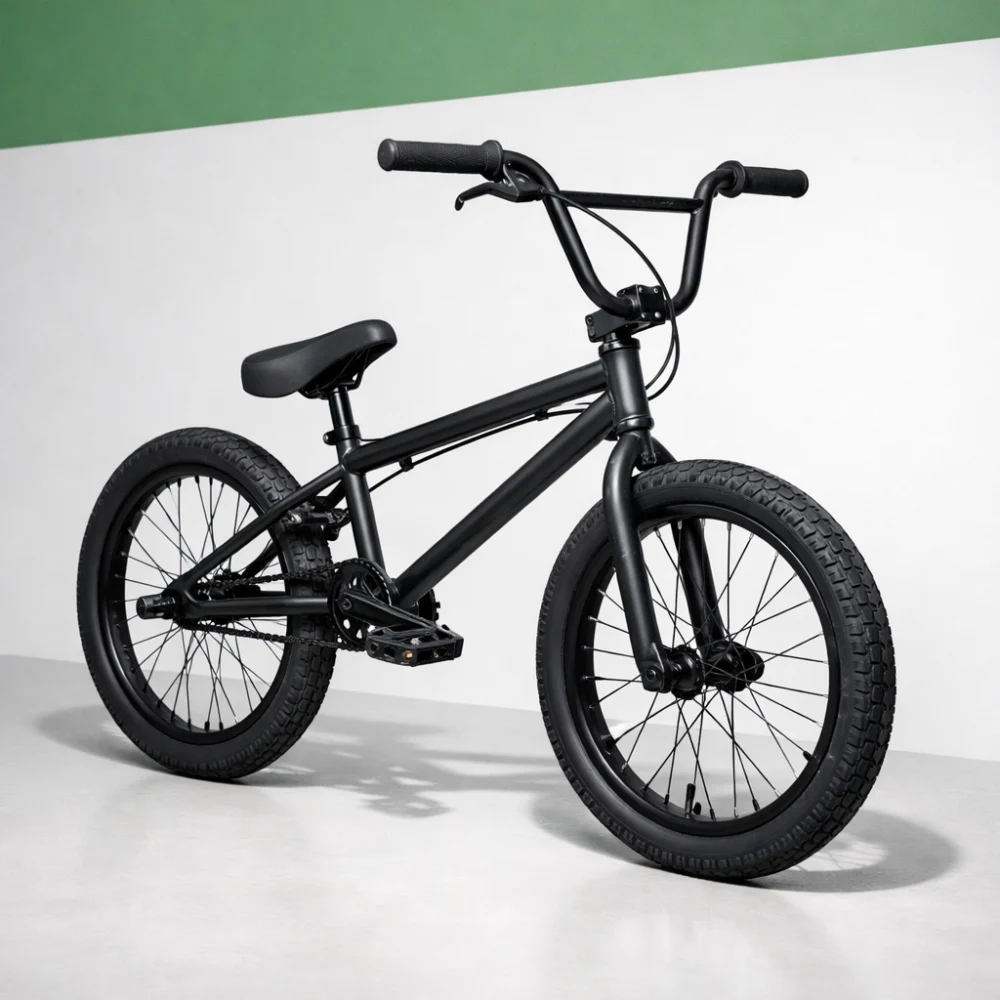

BMX bikes are built for compact handling, quick reactions and a riding position that suits stunts, track riding and short, energetic rides. If you are comparing options for a child, a beginner, a return rider or someone upgrading to a more specific style, the main challenge is choosing the right type rather than chasing features that do not suit the way the bike will be used.
Because BMX bikes are sold in different wheel sizes and riding styles, it helps to think first about who will ride it and where it will be used. That makes it easier to narrow down the options and avoid paying for a setup that feels awkward or limited for your needs.
Compare BMX Bikes


As an Amazon Associate we earn from qualifying purchases.
What should you look for in a BMX bike?
Start with the intended use, then check wheel size, frame fit and the parts that affect handling and durability. A freestyle BMX, a race-focused BMX and a cruiser-style BMX can all look similar at a glance, but they are built with different priorities. Specifications vary by model, so always check the individual product page before buying.
For many buyers, the most important choice is whether the bike should prioritise tricks, racing speed or easier cruising. From there, details such as brake setup, tyre style and overall size help refine the fit.
| Feature | What it means | Why it matters | What to check |
|---|---|---|---|
| Intended riding style | Whether the bike is aimed at freestyle, racing or general riding | Different styles put emphasis on control, acceleration or stability | Look for the category or model description that matches how the bike will be used |
| Wheel size | The diameter of the wheels | It affects balance, manoeuvrability and how the bike feels to ride | Check the stated wheel size and whether it suits the rider’s height and purpose |
| Frame fit | The overall size and geometry of the bike | A better fit improves control and comfort | Review any geometry or sizing information on the product page |
| Brakes | The stopping system fitted to the bike | Brake setup can affect maintenance, simplicity and riding preference | Confirm whether brakes are included and how they are arranged |
| Tyres and wheels | The type of wheel and tyre arrangement | These affect grip, speed and how the bike handles rougher ground | Check tyre style and any note about intended surface or riding type |
| Extras and build | Parts such as pegs or reinforced components | Useful extras can support tricks or specific riding styles | Check exactly what is included rather than assuming a complete setup |
Key decision criteria explained
Riding style comes first
BMX bikes are not one-size-fits-all. A freestyle bike is usually chosen for tricks, park riding and general stunt use, while a race-oriented bike is better suited to speed and efficient acceleration on a track. Cruiser-style BMX bikes may suit riders who want a larger feel and a more relaxed ride.
The trade-off is simple: the more a bike is tuned for one style, the less versatile it may feel in another. If you want a bike for mixed use, look for a balanced setup rather than a highly specialised one.
Wheel size changes the feel of the bike
Wheel size strongly affects how a BMX handles. Smaller wheels can feel more compact and nimble, while larger wheels may feel steadier and more comfortable for some riders. The right choice depends on rider size and the kind of riding planned.
Do not assume that bigger is always better. A larger wheel size may be easier for some riders to manage, but it can also make the bike feel less sharp for trick-focused use.
Fit is as important as style
Even within the same wheel size, bikes can feel quite different because of frame geometry and overall proportions. A bike that suits the rider well will usually feel easier to control and more confidence-inspiring.
Check the product page for any sizing guidance, especially if the bike is for a younger rider or someone who is moving up from a smaller bike.
Parts and setup affect maintenance
Some BMX bikes are designed to keep things simple, while others include components that are more suited to specific riding styles. Pegs, brake configuration and wheel type can all change how the bike is used and maintained.
Think about whether you want a straightforward bike with fewer parts to manage or a more specialised setup with extra features.
Types of BMX bikes
Freestyle BMX
Freestyle BMX bikes are the most common choice for tricks, park riding and general stunt use. They usually prioritise control and durability over speed. This can make them a strong option if the rider wants one bike for learning and practising different moves.
Race BMX
Race BMX bikes are aimed at speed and efficient handling on racing surfaces. They are typically chosen by riders who know they want track use rather than general freestyle riding. Their main limitation is that they may feel less suited to trick-oriented use.
Cruiser BMX
Cruiser BMX bikes generally use a larger wheel size and may feel more stable or relaxed to ride. They can suit taller riders or anyone who prefers a less compact feel. The trade-off is that they may not feel as nimble as a smaller-wheel BMX for technical riding.
Which BMX bike suits which buyer?
| Buyer need | What usually matters most | What to prioritise |
|---|---|---|
| Child or smaller rider | Manageable size and confidence | Check wheel size, frame fit and overall reach |
| Beginner learning tricks | Control and durability | Look for a straightforward freestyle setup |
| Track or racing focus | Speed and efficient handling | Choose a race-oriented BMX with the right geometry |
| General leisure riding | Comfort and ease of use | Consider a balanced BMX or cruiser-style option |
| Gift buyer | Clear size match | Check the rider’s height, experience and intended use before choosing |
Common mistakes to avoid
- Choosing only by appearance: a bike can look similar but still suit a very different kind of riding.
- Ignoring wheel size: this is one of the biggest factors in how a BMX feels to ride.
- Buying a specialised bike for mixed use: a race bike or trick-focused bike may not suit every rider equally well.
- Overlooking what is included: always check whether the bike comes with the parts you expect.
- Skipping the fit check: a BMX that is too large or too small can feel awkward and harder to control.
Safety and suitability considerations
BMX bikes are designed for active riding, so it is worth checking that the model suits the rider’s size, skill level and intended surface. If the bike is for a younger rider, confirm that the sizing and setup are appropriate before buying. For any bike, make sure the product page clearly states the features you need and do not assume that one BMX setup suits every type of riding.
Maintenance, storage and ownership
General upkeep matters when choosing a BMX bike because some bikes are simpler to look after than others. It helps to consider how much ongoing attention the bike may need, whether any parts are likely to need regular adjustment and where it will be stored between rides. If the bike will be used outdoors or left in a shared space, practical storage can matter as much as the frame size.
A straightforward bike may be easier for occasional use, while a more specialised setup may reward riders who are happy to keep an eye on adjustments and wear. Think about who will look after the bike, not just who will ride it.
How to compare BMX bikes efficiently
- Decide how the bike will be used most often: freestyle, racing or general riding.
- Check the wheel size and overall fit against the rider.
- Compare the features that change handling, such as brakes, tyres and included extras.
- Weigh the trade-off between specialisation and versatility.
- Read the individual product page carefully before making a final choice.
Summary buyer decision checklist
- Match the bike to the intended riding style.
- Check wheel size and overall fit.
- Confirm whether the bike is freestyle, race-focused or cruiser-style.
- Look at the brake setup and any included extras.
- Consider who will use the bike and how experienced they are.
- Review the individual product page for the exact specification.
Frequently asked questions
What is the difference between a freestyle BMX and a race BMX?
A freestyle BMX is usually chosen for tricks, park riding and general stunt use, while a race BMX is made with speed and efficient handling in mind. The right choice depends on what the rider wants to do most often. If the bike will be used for a mix of activities, a more balanced freestyle setup is often easier to live with.
How do I know what BMX size to buy?
Wheel size and frame fit are the key starting points. The right size depends on the rider’s height, experience and how the bike will be used. If sizing information is provided on the product page, use that first rather than guessing from appearance alone.
Are BMX bikes suitable for beginners?
Yes, many BMX bikes are suitable for beginners, especially if the rider wants a simple bike for learning basic handling or tricks. The main thing is to choose a model that matches the rider’s size and the type of riding they want to do. A bike that is too specialised can make learning less comfortable.
Do all BMX bikes come with the same parts?
No. BMX bikes can vary in brake setup, wheel style and any extras included with the bike. That is why it is worth checking the individual product page carefully. Do not assume that one model includes the same parts or setup as another.
What should I check before buying a BMX bike as a gift?
Check the rider’s height, age and riding experience, then decide whether the bike should be for tricks, racing or casual use. A good fit matters more than choosing the most eye-catching design. If you are unsure, compare the product information closely before ordering.
Can one BMX bike do everything?
Some BMX bikes can handle a bit of everything, but many are still better suited to a particular use. A bike that is great for racing may not feel ideal for tricks, and a trick-focused bike may feel less efficient for speed. Choosing a clear main use usually leads to a better result.
More BMX Bikes
See all 195 BMX Bikes →


As an Amazon Associate we earn from qualifying purchases.


