

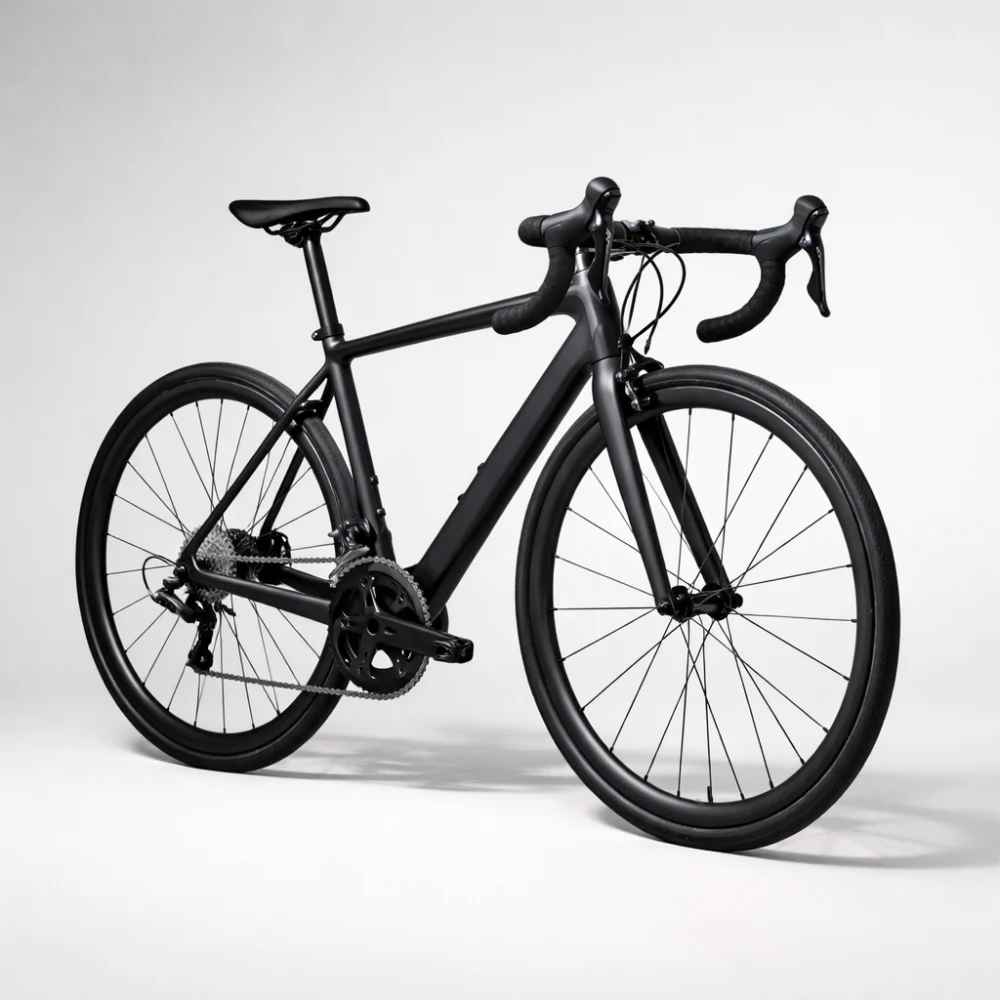

Road bikes are built for riding on paved roads, tarmac paths and other smoother surfaces. They are a good fit for riders who want efficient riding, quicker progress on the flat and a position that suits faster-paced cycling than a typical leisure bike.
Choosing one is mostly about matching the bike to how you plan to ride. Comfort, speed, maintenance needs and budget all influence the right choice, and the details can vary a lot from model to model.
Because road bikes can look similar at a glance, it helps to focus on the parts that affect how the bike feels to ride, how easy it is to live with and whether it suits your intended use.
Compare Road Bikes


As an Amazon Associate we earn from qualifying purchases.
What should you look for in a road bike?
The best starting point is fit and intended use. After that, compare the frame, gearing, brakes, wheels and contact points such as the saddle and handlebars. A lighter or more aggressive bike may feel faster, but a more relaxed setup can be easier to live with for longer rides or commutes. Specifications vary by model, so always check the individual product page before buying.
| Feature | What It Means | Why It Matters | What To Check |
|---|---|---|---|
| Fit and geometry | The riding position and overall shape of the frame | Affects comfort, handling and how stretched out you feel | Frame size, riding posture and whether the bike suits your height and reach |
| Frame material | The main material used for the frame | Influences weight, feel, durability and cost | What the frame is made from and what that means for your riding style |
| Braking system | How the bike slows down | Changes feel, control and upkeep | Brake type and whether you prefer a simpler or more confidence-focused setup |
| Gearing | The range of gears available | Helps with climbs, acceleration and maintaining a steady cadence | Number of speeds and whether the gear range matches hilly or flatter routes |
| Wheels and tyres | The wheel size and tyre choice | Affects speed, rolling feel and comfort | Tyre width, wheel size and whether the setup suits smoother roads or mixed surfaces |
| Contact points | Saddle, bars and pedals you touch while riding | Strongly affects comfort and control | Whether the included setup looks suitable or will need adjustment |
Key decision criteria explained
Fit and riding position
Fit matters more than many buyers expect. A road bike that is too long, too short or too aggressive can feel awkward even if the rest of the specification looks appealing. Think about whether you want a sportier posture or something a little more upright and manageable for regular rides.
Frame material
Different frame materials change the character of the bike. Some riders prioritise a lighter feel, while others prefer a more cost-conscious or durable option. The right choice depends on your budget, how much you value low weight and whether the bike will be used for short rides, training or longer weekend miles.
Brakes
Brake choice affects both feel and maintenance. Some riders prefer the straightforward nature of simpler braking setups, while others want the stronger, more controlled feel associated with more modern systems. Think about the roads you ride, how often you ride in wet weather and how much upkeep you are happy to do.
Gearing
Gearing should suit your terrain. If you ride in hilly areas, a wider gear range can make climbs feel more manageable. If your routes are mostly flatter, you may not need as much spread. Look at the number of speeds and, more importantly, whether the range seems practical for your riding.
Tyres and riding surface
Road bikes are usually chosen for smooth surfaces, but tyre choice can still affect comfort and versatility. A narrower tyre may feel lively, while a slightly broader option can be more forgiving on rougher tarmac. Check what is fitted and whether the bike is aimed at quicker riding, everyday use or a blend of both.
Types and variants within road bikes
Road bikes are not all built the same way. Some are designed with a more performance-led feel, while others lean towards comfort or everyday practicality. The names can vary by brand, but the general idea is usually the same: faster, more relaxed or somewhere in between.
- Performance-focused road bikes suit riders who want a more committed riding position and sharper handling.
- Endurance-style road bikes are often chosen by riders who value comfort over a very aggressive posture.
- Entry-level road bikes can be a sensible way to start if you want road cycling without paying for advanced components.
The same broad category can include bikes with very different parts and ride feel, so do not rely on the label alone when comparing options.
Which road bike suits which rider?
| Buyer need | What to prioritise | Why it helps |
|---|---|---|
| New to road cycling | Comfortable fit, predictable handling, manageable gearing | Makes the bike easier to enjoy and less demanding to ride |
| Longer leisure rides | Comfort, sensible geometry and a setup that supports steady pacing | Helps reduce fatigue on extended outings |
| Faster fitness riding | Lighter feel, efficient riding position and responsive handling | Supports a more energetic riding style |
| Hilly routes | Useful gear range and a bike that stays comfortable on climbs | Helps the bike cope better with gradients |
| Everyday road use | Practicality, comfort and parts that are easy to maintain | Makes regular riding simpler to live with |
Common mistakes to avoid
- Choosing on looks alone. A bike can appear sleek but still feel too stretched, too firm or too demanding for your riding.
- Ignoring size and fit. The wrong size can be harder to enjoy than a less expensive bike that actually suits you.
- Focusing only on the number of gears. What matters more is whether the overall gear range suits your routes.
- Overlooking maintenance preferences. Some setups may ask for more attention than others, so think about what you are happy to maintain.
- Assuming all road bikes are race bikes. Many are better thought of as fast, efficient general road machines rather than pure competition equipment.
Safety and suitability checks
Road bikes are intended for riding on suitable surfaces and should be chosen with your experience, flexibility and planned use in mind. If you are unsure about size or riding position, it is sensible to compare the product details carefully before buying. Consider whether you need a bike that feels more confident and forgiving rather than one built around speed alone.
Maintenance and ownership considerations
Road bikes usually reward regular care. Tyres, brakes, gears and chain wear can all affect how the bike feels over time, so think about whether you want a lower-maintenance setup or are comfortable checking the bike periodically. Storage also matters: keeping the bike clean and dry will generally help it stay in better condition.
Some buyers also overlook the cost and convenience of accessories such as pedals, lights, a pump, locks or clothing that suits a road position. These are not the bike itself, but they can affect the overall buying decision.
How to compare options efficiently
- Start with your main use: leisure rides, fitness, commuting or mixed road use.
- Shortlist the road bike type that sounds closest to your riding style.
- Compare fit, frame material, braking and gearing before anything else.
- Check whether the bike looks comfortable for your roads and your flexibility.
- Read the individual product page carefully for the exact specification and setup.
Summary buyer decision checklist
- Does the bike suit your main riding purpose?
- Is the size and riding position likely to feel comfortable?
- Do the brakes and gears match the way you ride?
- Does the frame and wheel setup fit your budget and preference?
- Are you happy with the likely maintenance level?
- Have you checked the individual product page for the exact specification?
Frequently asked questions
Are road bikes only for racing?
No. Many riders use road bikes for fitness, weekend rides and everyday road cycling. Some are built with a race-style feel, but others are better suited to comfort and general use.
What is the biggest difference between road bikes and other bikes?
The main difference is that road bikes are designed to be efficient on paved surfaces. They usually feel quicker and more focused than bikes built for rough ground or casual leisure riding.
How important is bike fit when buying a road bike?
Very important. A good fit affects comfort, control and how confident you feel on longer rides. If the size or riding position is wrong, the rest of the specification matters less.
Do I need lots of gears on a road bike?
Not necessarily. What matters most is whether the gear range suits your terrain and riding style. A sensible range is often more useful than simply having a larger number of speeds.
Are more expensive road bikes always better?
Not always. Higher-priced bikes may offer lighter or more refined parts, but the right choice depends on how you ride and what you value most. A well-matched bike is often better than a more expensive one that does not suit you.
Can a road bike be used for commuting?
Yes, if the riding position and setup suit your journey. Think about comfort, practicality and how much stopping, starting or carrying you do on the way.
What should I check on the product page before buying?
Check the frame size, brake type, gearing, wheel setup and the overall riding position. That helps you judge whether the bike is suitable before you commit.
Check fit guidance and practical compatibility
A frame-size label alone may not tell you whether a bike will fit: sizing can differ between models. Use the manufacturer’s size guidance where available, and compare the stated frame size with your own measurements and preferred riding position. If fit is a deciding factor and the listing does not provide enough information, seek clarification from the retailer or manufacturer before buying.
Think about what you need the bike to accommodate as well as how it rides. For commuting or regular all-weather use, check whether the particular model is compatible with the accessories you plan to use rather than assuming they will fit.
- Confirm whether pedals are included; do not assume they are supplied based on product photographs.
- If you want mudguards or a rack, check for compatible mounting points and any stated fit limitations.
- For replacement tyres or a different tyre width, check the specified wheel and tyre details and the frame’s stated clearance.
Where an essential detail is not stated clearly, confirm it before making your choice rather than relying on a category label or a similar-looking bike.
More Road Bikes
See all 124 Road Bikes →


As an Amazon Associate we earn from qualifying purchases.


