
BMX Bikes
BMX bikes are compact, strong and responsive bikes designed for short, controlled riding, tricks, ramps, skate parks, street style riding and BMX racing where the bike is suitable. They are popular with children, teenagers, beginners and experienced riders who want a bike that feels agile, simple and easy to handle in tight spaces.
The right BMX bike depends on rider size, riding style, frame fit, wheel size, handlebar height, brake setup, tyre type, strength, weight, gearing, pegs where listed, intended use and whether the bike is designed for freestyle, street, park, dirt, race or general BMX riding.
- BMX Bikes
BEAST RAGE Kids Bike Gloves, Orange, Large 8-10 Yrs
Original price was: £12.99.£8.47Current price is: £8.47. *View On Amazon* - BMX Bikes
BEAST RAGE Kids Bike Gloves, Red, Medium, Ages 6-8
Original price was: £12.99.£8.99Current price is: £8.99. *View On Amazon* - BMX Bikes
BEAST RAGE Kids Bike Gloves, Pink, Large 8-10 Yrs
Original price was: £12.99.£8.46Current price is: £8.46. *View On Amazon*


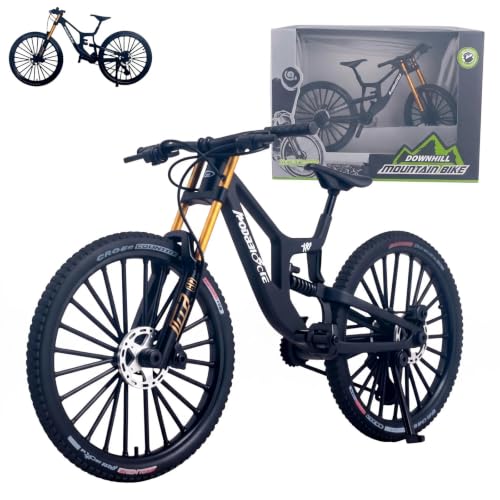






What Are BMX Bikes?
BMX bikes are specialist bikes designed around control, strength and manoeuvrability rather than long distance comfort. They usually have a compact frame shape, upright control position and simple component layout.
They are often used for tricks, jumps, ramps, skate parks, pump tracks, street riding and short distance riding. Some BMX bikes are designed for freestyle use, while others may be intended for BMX racing or general youth riding.
A BMX bike should be chosen for the rider and intended use. A bike built for learning basic tricks may not be the same as one designed for racing or more advanced park riding.
What Are BMX Bikes Used For?
BMX bikes are used for controlled, active riding where quick handling and strength matter. They can be used for skate parks, ramps, street style riding, flatland practice, dirt jumps, pump tracks and BMX racing depending on the bike design.
They can help riders build balance, bike control, confidence and coordination. BMX riding often involves short bursts of effort, repeated practice and careful movement rather than long steady rides.
BMX bikes can also be used for casual local riding, but they are not usually the most comfortable choice for long commutes or longer road journeys because their design focuses more on control and tricks.
How To Choose The Right BMX Bike
Start by thinking about the rider. Age, height, confidence, strength and experience all affect the right choice. A BMX should feel manageable and controlled, not too large, heavy or difficult to steer.
Next, think about the riding style. Park riding, street riding, dirt jumping, racing and general beginner use can all need different features. Always check the product details to understand what the bike is intended for.
Then consider safety and maintenance. BMX riding can be hard on bikes, so brakes, tyres, wheels, pedals, chain, handlebars and bolts should be checked regularly.
Key Features To Compare
When comparing BMX bikes, look at frame size, wheel size, handlebar shape, brake type, tyre tread, gearing, crank design, pedal grip, saddle style, pegs where listed, bike weight and intended riding use.
Strength matters because BMX bikes may be used for impacts, jumps and tricks where suitable. However, a stronger bike may also feel heavier, so balance is important.
Fit matters too. A BMX should allow the rider to stand, steer, pedal and control the bike comfortably. A poor fit can make tricks and general riding harder to learn.
BMX Bikes Compared With Mountain Bikes
BMX bikes are compact and responsive, making them suitable for tricks, ramps, skate parks and short controlled riding. They are usually simpler than mountain bikes and are not mainly designed for long trail rides.
Mountain bikes are designed for rougher terrain, longer rides and more varied surfaces. They often include gears, larger wheels and suspension features where listed.
The trade off is agility versus terrain comfort. Choose a BMX for tricks and controlled riding, and choose a mountain bike for trail riding, woodland routes and longer rough surface rides.
BMX Bikes Compared With Hybrid Bikes
Hybrid bikes are designed for general riding, commuting, leisure routes and mixed everyday use. They often give a more comfortable riding position for longer journeys.
BMX bikes are more compact and designed for control, tricks and short riding sessions. They are usually not the best option for commuting or longer distance cycling.
The best choice depends on purpose. A BMX is ideal for riders who want park, street or trick style riding, while a hybrid bike is usually better for everyday transport.
BMX Bikes Compared With Kids Bikes
Some BMX bikes are suitable for children, but a BMX is not automatically the same as a standard kids bike. A normal children’s bike may be designed for learning, park paths and family rides.
A BMX bike is usually more focused on control, strength and active riding. It may feel different from a standard children’s bike because of its frame, handlebars, gearing and riding position.
Choose based on the child’s size, ability and riding goals. A beginner child may need a simple, stable bike before moving into more BMX focused riding.
Freestyle BMX Bikes
Freestyle BMX bikes are designed for tricks, skate parks, street riding and controlled riding where the product is suitable. They may include features intended to support spins, grinds, jumps or repeated practice where listed.
A freestyle BMX should feel strong and responsive. Riders often compare frame feel, handlebar control, brake setup, tyre grip and pegs where included.
Freestyle riding involves risk, so protective equipment, safe practice areas and gradual progression are important.
BMX Race Bikes
BMX race bikes are designed for BMX tracks, fast starts, jumps, berms and competitive riding where suitable. They may differ from freestyle BMX bikes in frame design, weight, tyres and riding position.
Race focused BMX bikes are usually chosen for speed and track control rather than street tricks or grinding.
If buying for BMX racing, check club, track or event guidance before choosing. The bike should match the rider, class and intended racing use.
BMX Bikes For Beginners
Beginner BMX bikes should be manageable, comfortable and suited to learning basic control. The rider should be able to start, stop, steer, stand over the bike and handle it confidently.
A beginner does not usually need the most advanced bike. A practical BMX that fits properly and suits the intended riding area is more useful than a specialist bike that is hard to control.
Beginners should learn in safe open areas before attempting ramps, jumps or tricks. Confidence should build gradually.
BMX Bikes For Children And Teenagers
BMX bikes are popular with children and teenagers because they feel compact, strong and fun to ride. Fit is especially important because young riders grow quickly.
A bike that is too large can be difficult to control, while one that is too small may feel cramped or unstable. Check size guidance where listed and think about the rider’s height, confidence and strength.
Children and teenagers should wear suitable protective equipment and ride in safe areas away from traffic unless they are supervised and road aware.
BMX Bikes For Adults
Adult riders may choose BMX bikes for skate parks, pump tracks, street riding, fitness, nostalgia or freestyle practice. The bike should still fit the rider properly and suit the intended riding style.
Adult BMX riding can place high loads on wheels, cranks, pedals and handlebars, especially during tricks or jumps. Regular checks are important.
A BMX can be enjoyable for short, active sessions, but it may not be the best choice for long road rides or daily commuting unless the rider specifically wants that style.
BMX Bikes For Skate Parks
Skate parks can be suitable places for BMX riding where bikes are allowed. A BMX for skate park use should feel responsive and strong enough for the rider’s intended level.
Tyre grip, brake control, handlebar feel and frame strength can all matter. Pegs may be useful for some riders where listed, but not every park or rider needs them.
Always check skate park rules. Some parks may restrict bikes, pegs, certain surfaces or riding times.
BMX Bikes For Street Riding
Street style BMX riding can involve kerbs, banks, ledges and urban features where permitted and safe. The bike should be suitable for that style of riding and the rider’s ability.
Riders should respect public spaces, pedestrians, property and local rules. Not every area is suitable or legal for BMX riding.
A strong bike matters, but safe judgement matters too. Avoid unsafe roads, crowded spaces, private property and locations where riding could cause damage or conflict.
BMX Bikes For Dirt Jumps And Pump Tracks
Some BMX bikes may be suitable for dirt jumps, pump tracks and similar riding where listed. These uses need control, strength and suitable tyres.
Dirt riding can place heavy loads on frames, wheels and components. A general BMX may not suit more demanding jumps unless the product is designed for that use.
Start small and progress slowly. Jumps, pump tracks and rough surfaces require skill, protective equipment and careful bike checks.
BMX Bikes For Short Local Riding
BMX bikes can be used for short local rides, parks and casual riding. They are easy to handle and can feel fun for quick trips.
However, BMX bikes are not usually designed for long distance comfort. The riding position, saddle style and gearing may feel tiring over longer rides.
For daily commuting or longer leisure routes, a hybrid, road, mountain or electric bike may be more suitable.
Frame Size, Wheel Size And Fit
Fit is one of the most important parts of choosing a BMX bike. The rider should feel balanced, able to steer confidently and able to control the bike when standing or pedalling.
Wheel size and frame size affect how the BMX feels. Smaller riders need a bike they can control safely, while taller riders may need more room in the frame and bars.
Always check size guidance where listed. Do not choose a BMX only by age, as riders of the same age can vary a lot in height and confidence.
Handlebars, Grips And Control
BMX handlebars are important for steering, balance and tricks. The height, width and shape affect how the bike feels under the rider.
Grips should feel comfortable and secure. Worn or slippery grips can make the bike harder to control, especially during active riding.
Handlebars, stem bolts and headset should be checked regularly. Movement or looseness in the bars can be unsafe.
Brakes And Stopping Power
BMX bikes may use different brake setups depending on the product and intended use. Some freestyle riders prefer specific brake arrangements, while beginners usually benefit from simple and reliable stopping control.
Brake levers should be easy for the rider to reach and operate. This is especially important for children and newer riders.
Brakes should be checked before riding. Pads, cables, levers and wheel rims or discs where relevant should all be in suitable condition.
Tyres, Grip And Riding Surface
BMX tyres should suit the riding surface. Smooth park riding, street riding, dirt tracks and general use may all benefit from different tread patterns where listed.
Tyre pressure affects grip, comfort and control. Too little air can make the bike feel slow or risk pinch damage, while too much pressure can reduce comfort on rougher surfaces.
Check tyres for wear, cuts, cracks and embedded debris. BMX riding can be hard on tyres, especially when used on ramps, concrete or rough ground.
Gearing, Cranks And Pedalling
Many BMX bikes use simple gearing because they are designed for short, active riding rather than long distance speed. Product details should always be checked.
Cranks, pedals and chain condition matter because BMX riding often involves standing, pushing hard and repeated movement.
Pedals should provide good grip with suitable shoes. Slippery pedals can make tricks, starts and standing control harder.
Pegs, Tricks And Compatibility
Some BMX bikes include or accept pegs where listed. Pegs may be used for certain tricks, grinding or carrying out BMX specific movements.
Not every BMX rider needs pegs, and not every bike, axle or fork is suitable for them. Always check compatibility before fitting or using pegs.
Pegs can affect balance, weight and safety. They should be fitted correctly and used only in suitable places where allowed.
Strength, Weight And Durability
BMX bikes need to balance strength and weight. A strong bike can handle more demanding use where suitable, but it may feel heavier for smaller or younger riders.
Weight affects lifting, jumping and general handling. A lighter bike may feel easier to control, but strength and intended use still matter.
Durability depends on frame, wheels, components, rider style and maintenance. No bike is indestructible, especially if used beyond its intended purpose.
Protective Equipment For BMX Riding
BMX riding can involve falls, impacts and repeated practice. A suitable cycle helmet is an important item for many riders, and some parks or clubs may require one.
Knee pads, elbow pads, gloves, wrist protection and sturdy shoes may also be useful depending on the riding style and rider confidence.
Protective equipment does not remove risk, but it can help reduce injury and make learning more confident.
BMX Safety And Riding Progression
BMX skills should be built gradually. New riders should practise basic braking, turning, standing control and balance before attempting tricks or ramps.
Riders should check the riding area before starting. Look for other riders, pedestrians, wet surfaces, loose gravel, damaged ramps, traffic or obstacles.
Do not attempt tricks beyond current ability. Progression should be steady, safe and suitable for the rider’s confidence.
Skate Park, Track And Venue Rules
Always check local rules before riding a BMX at skate parks, pump tracks, BMX tracks or indoor facilities. Some places may require helmets, restrict certain equipment or set age rules.
Shared spaces require care. BMX riders should take turns, watch for younger users and avoid cutting across others.
Respecting rules helps keep facilities safer and more welcoming for everyone.
BMX Maintenance And Basic Checks
BMX bikes should be checked regularly because active riding can loosen parts over time. Handlebars, stem, headset, wheels, pedals, cranks, chain, brakes and pegs where fitted should all be inspected.
Tyres should be inflated correctly and checked for damage. Wheels should spin freely and remain secure in the frame and fork.
If something feels loose, bent, cracked or unsafe, stop riding and get the bike checked before using it again.
Cleaning And Storage
BMX bikes should be cleaned after muddy, wet or dusty rides. Dirt, grit and water can affect the chain, bearings, brakes and moving parts.
Dry the bike before storage where practical. Storing a wet bike for long periods can make maintenance harder.
Store BMX bikes somewhere secure and dry where possible. A lock, wall rack, stand or bike cover may be useful depending on the storage location.
Common BMX Buying Mistakes
One common mistake is buying a BMX that is the wrong size. A bike that is too large or too small can make riding harder and less safe.
Another mistake is choosing a BMX for tricks when the bike is intended only for casual use. Always check the intended use where listed.
A third mistake is forgetting safety equipment and maintenance items. Helmet, pads, pump, tools and basic checks are important parts of BMX riding.
Useful Accessories To Consider
Useful BMX accessories include helmets, knee pads, elbow pads, gloves, bike locks, pumps, spare tubes, tyre levers, multitools, chain lubricant, pegs where compatible, replacement grips, bells where suitable and bike lights for visibility where needed.
For younger riders, name labels, reflective details and simple storage can also be useful. For regular riders, stronger tools, spare grips and maintenance products may be worth considering.
The best BMX setup is one where the bike, protective equipment, rider skill and maintenance all work together.
Why Buy BMX Bikes From YPC?
At YPC, we understand active lifestyles and the need for practical products that work in real use. BMX bikes should be chosen carefully because rider size, intended use, strength, control, brakes, tyres and safety equipment all affect how suitable they are.
Browse the BMX Bikes category at YPC to compare available options, check the details that suit your riding plans and choose BMX bikes that help make riding more controlled, enjoyable and confidence building.
BMX Bikes FAQs
What is a BMX bike?
A BMX bike is a compact bike designed for controlled riding, tricks, ramps, street riding, skate parks, pump tracks or racing where suitable.
It is different from a road bike, mountain bike or hybrid bike.
Are BMX bikes suitable for beginners?
Yes, BMX bikes can be suitable for beginners when the bike fits properly and suits the intended riding style. Beginners should start with basic control before trying tricks.
A manageable bike is more useful than an advanced bike that is hard to ride.
What are BMX bikes used for?
BMX bikes are used for tricks, skate parks, ramps, street riding, dirt jumps, pump tracks, short local rides and BMX racing depending on the bike design.
Always check the product’s intended use before buying.
Are BMX bikes good for children?
BMX bikes can be good for children if they fit correctly and match the child’s ability. The bike should be easy to control, stop and steer.
Children should wear suitable protective equipment and ride under appropriate supervision.
Are BMX bikes good for adults?
Yes, adults can ride BMX bikes if the bike fits and suits the intended use. Adult riders may use BMX bikes for parks, street riding, pump tracks or casual sessions.
The bike should match rider size, strength and riding style.
Can BMX bikes be used for commuting?
BMX bikes can be used for short local trips, but they are not usually the best choice for commuting or longer journeys. They are designed more for control and tricks than distance comfort.
A hybrid, road, folding or electric bike may be more practical for commuting.
What is the difference between a BMX bike and a mountain bike?
A BMX bike is compact and designed for tricks, ramps, racing or short controlled riding. A mountain bike is designed for trails, rough ground and longer off road riding where suitable.
Choose based on where you ride most often.
What is the difference between a BMX bike and a hybrid bike?
A hybrid bike is designed for everyday riding, commuting and leisure routes. A BMX bike is designed for short, active riding and control.
Hybrid bikes are usually more comfortable for longer rides.
What is a freestyle BMX bike?
A freestyle BMX bike is designed for tricks, skate parks, street riding and ramp use where suitable. It may include features suited to active BMX riding.
Check product details before using any bike for tricks.
What is a BMX race bike?
A BMX race bike is designed for BMX track racing, speed and controlled riding over race features where suitable.
It may differ from freestyle BMX bikes in frame design, tyres, weight and setup.
Can BMX bikes be used at skate parks?
Yes, BMX bikes can be used at skate parks where bikes are allowed. The bike should be suitable for park use and the rider should follow local rules.
Some parks may have restrictions on bikes or pegs.
Can BMX bikes be used on pump tracks?
Some BMX bikes are suitable for pump tracks where the bike and rider ability match the track. Pump tracks require balance, timing and control.
Check the bike’s intended use and wear suitable protection.
Can BMX bikes be used for dirt jumps?
Some BMX bikes may be suitable for dirt jumps where listed, but not every BMX is designed for jumping. Dirt riding can place heavy loads on the bike.
Use only suitable equipment and progress gradually.
What size BMX bike do I need?
The right BMX size depends on rider height, age, confidence and intended use. Product size guidance should be checked carefully.
A BMX should feel controlled and manageable, not cramped or oversized.
Are BMX bikes single speed?
Many BMX bikes use simple single gear designs, but product details can vary. Simple gearing suits short, active riding and helps keep the bike straightforward.
Always check the product specification where listed.
Do BMX bikes have brakes?
Many BMX bikes have brakes, but brake setup can vary by model and riding style. Beginners usually benefit from reliable and easy to use brakes.
Always check brake details before buying and before riding.
Do BMX bikes need pegs?
Pegs are not always needed. Some riders use pegs for tricks where the bike is compatible and the venue allows them.
Do not fit pegs unless the bike and axle setup are suitable.
What protective gear is useful for BMX riding?
A suitable helmet is important, and knee pads, elbow pads, gloves, wrist protection and sturdy shoes may also be useful depending on riding style.
Protective gear is especially useful for beginners and trick practice.
How do I maintain a BMX bike?
Check tyres, brakes, chain, pedals, cranks, wheels, handlebars, headset and bolts regularly. Clean and lubricate the bike where suitable.
If anything feels loose, bent or damaged, stop riding until it has been checked.
What should I check before buying BMX bikes?
Check rider size, intended use, frame fit, wheel size, brakes, tyres, handlebar height, pegs where listed, bike weight, strength, gearing and whether the bike suits freestyle, racing, street, park or general riding.
The right BMX bike should match the rider’s ability, riding style and the places it will be used.
 Getting ready for Summer? View our Home and Garden Products

Heading outdoors this winter? Take a look at our Outdoor Clothing.