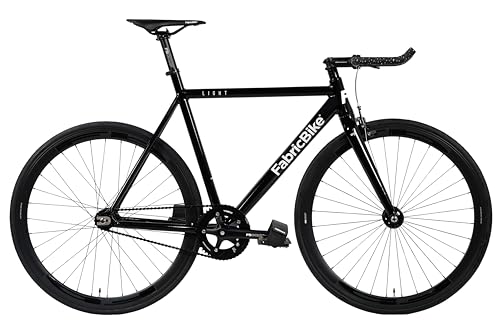
Road Bikes
Road bikes are designed for efficient riding on tarmac, smooth roads and longer distance cycling. They are suitable for beginners, fitness riders, commuters, sportive riders, club cyclists and experienced cyclists who want a bike built for speed, distance and responsive handling on road surfaces.
The right road bike depends on rider size, frame fit, riding position, wheel size, gear range, brake type, tyre width, bike weight, comfort needs, route type, intended distance and whether the bike is being used for commuting, fitness, leisure riding, training or more performance focused cycling.
What Are Road Bikes?
Road bikes are bicycles designed mainly for riding on paved roads. They usually have lighter frames, narrower tyres and a riding position that helps the rider pedal efficiently over distance.
Many road bikes use drop handlebars, which give different hand positions and a more forward riding posture. Some road focused bikes may use flat handlebars where listed, but the main purpose is still efficient road riding.
A road bike should suit the rider’s body, riding style and usual routes. A bike that is too aggressive, too large or too uncomfortable can make riding harder, even if it looks fast.
What Are Road Bikes Used For?
Road bikes are used for fitness cycling, commuting, leisure rides, club rides, sportive events, longer road routes and general cycling on smooth surfaces.
They are useful when riders want to cover distance more efficiently than they might on a mountain bike or heavier leisure bike. Narrower tyres and road focused geometry can make pedalling feel smoother on tarmac.
Road bikes are not usually the best choice for rough trails, muddy tracks or technical off road riding. For mixed surfaces, a gravel bike, hybrid bike or mountain bike may be more suitable.
How To Choose The Right Road Bike
Start by thinking about how you will use the bike. A road bike for relaxed fitness rides may need a different fit from one used for racing style training or long sportive events.
Next, check size and fit. Frame size, reach, saddle height, handlebar position and riding posture all affect comfort and control.
Then consider the routes you ride. Flat roads, hills, rough lanes, wet commuting routes and long countryside rides can all influence tyre choice, gearing, brakes and accessories.
Key Features To Compare
When comparing road bikes, look at frame size, frame material where listed, riding position, handlebar type, gear range, brake type, wheel size, tyre width, bike weight, saddle comfort, pedal compatibility and accessory mounting options.
Gear range matters for hills and longer rides. A rider in a hilly area may need easier climbing gears than someone riding mainly flat roads.
Brake type affects stopping feel and maintenance. Rim brakes and disc brakes can both be found on road bikes, depending on the model and intended use.
Road Bikes Compared With Hybrid Bikes
Hybrid bikes are designed for everyday riding, commuting, leisure routes and mixed surfaces. They often have a more upright riding position and may feel easier for casual riding.
Road bikes are usually more focused on efficient road cycling. They can feel faster on tarmac and may suit longer rides, fitness training and riders who want a more sporting position.
The trade off is comfort and practicality versus efficiency and distance. A hybrid bike may suit everyday versatility, while a road bike is better for road focused riding.
Road Bikes Compared With Mountain Bikes
Mountain bikes are designed for rougher ground, wider tyres, trail control and off road grip. They are usually more stable on mud, stones, roots and uneven tracks.
Road bikes are designed for smooth surfaces and efficient pedalling. They are usually lighter and quicker on roads, but less suitable for rough ground.
Choose a road bike for tarmac and distance. Choose a mountain bike for trails, woodland routes and rougher outdoor cycling.
Road Bikes Compared With Gravel Bikes
Gravel bikes are designed for roads, lanes, gravel tracks and mixed surfaces where suitable. They often have wider tyre clearance and a more adaptable setup.
Road bikes are more focused on tarmac riding and efficient road speed. They may feel quicker on smooth roads but less comfortable on rougher tracks.
The best choice depends on the surfaces you ride most often. If most riding is on roads, a road bike may suit you. If your routes include gravel, farm tracks or broken lanes, a gravel bike may be more practical.
Beginner, Regular Rider And Experienced Cyclist Guidance
Beginners should choose a road bike that fits well, feels stable and is not too aggressive in riding position. Comfort and confidence are more important than the lightest or most technical option.
Regular riders may value better gears, more comfortable contact points, practical tyres, reliable brakes and accessories for longer rides.
Experienced cyclists often compare frame geometry, wheel feel, tyre clearance, gear ratios, brake performance, saddle comfort, handlebar shape, frame stiffness and how the bike responds during climbs, descents and faster riding.
Road Bikes For Beginners
Beginner road bikes should help riders build confidence on tarmac. The bike should feel easy to control, comfortable to pedal and manageable when starting, stopping and turning.
A beginner does not usually need the most aggressive racing position. A more relaxed road bike can make early rides more enjoyable and less tiring.
New riders should also think about essential accessories. A helmet, lights, pump, spare tube, tyre levers, lock and comfortable clothing can be just as important as the bike.
Road Bikes For Fitness Riding
Road bikes are a popular choice for fitness because they make it easier to ride longer distances at a steady pace. They can help riders build stamina, leg strength and general cycling confidence.
Comfort matters if you plan to ride regularly. Saddle fit, handlebar position, glove comfort and clothing choice can all affect how enjoyable training rides feel.
Fitness riders should also think about hydration, route planning and basic repair tools. A puncture or poor weather can quickly affect a longer ride.
Road Bikes For Commuting
Road bikes can be useful for commuting where the route is mostly tarmac and the rider wants an efficient ride. They can make longer road commutes feel quicker and more manageable.
Commuting may require extra practicality. Lights, locks, mudguards, puncture aware tyres where listed, bags and visible clothing can all be useful.
Not every road bike is ideal for commuting. Check whether it has suitable accessory mounts, tyre clearance and comfort for daily use.
Road Bikes For Leisure Riding
Road bikes can be enjoyable for leisure riders who like quiet lanes, country roads, cycle routes and weekend rides. They are especially useful when the rider wants to cover more distance with less effort.
A leisure road bike should feel comfortable rather than overly stretched. A relaxed fit can make steady riding more enjoyable.
Leisure riders may also benefit from slightly wider tyres where suitable, comfortable saddles, bottle cages and compact bags for tools and snacks.
Road Bikes For Longer Rides
Longer road rides place more emphasis on comfort, fit and preparation. Small discomforts can become more noticeable after an hour or more on the bike.
A road bike for distance should allow several hand positions, smooth pedalling and stable control. Saddle comfort, handlebar reach and tyre choice all matter.
For longer rides, consider bottle cages, a compact pump, spare tube, tyre levers, multitool, lights, snacks and weather clothing.
Road Bikes For Sportives And Events
Sportive events and organised road rides often involve longer distances, hills, group riding and varied weather. A suitable road bike can make these rides more enjoyable.
The bike should be comfortable enough for the planned distance and geared appropriately for the route. Brakes and tyres should be checked before the event.
Event riders should prepare in advance. Practise with the bike, clothing, bottles and tools before the day so nothing feels unfamiliar.
Road Bikes For Club Riding
Club riding often involves steady pace, group awareness and predictable bike handling. A well fitting road bike can help riders stay comfortable and controlled in a group.
The bike should shift smoothly, brake reliably and hold a straight line without feeling twitchy. Tyres should be in good condition and suitable for road use.
Riders new to clubs should learn group riding etiquette, signals and spacing. Equipment helps, but awareness and communication matter just as much.
Road Bikes For Hills
Hilly routes need a bike with suitable gearing, confident brakes and comfortable climbing position. A road bike can climb efficiently when the gearing matches the rider’s strength and terrain.
Lower climbing gears can make steep routes more manageable, especially for beginners or longer rides.
Descending also matters. Brakes, tyres, road surface awareness and safe speed control are essential when riding downhill.
Road Bikes For Flat Roads And Speed
On flatter roads, road bikes can feel efficient and responsive. Riders may value smooth tyres, comfortable position and gearing that suits steady speed.
Speed should still be controlled. Junctions, potholes, traffic, pedestrians, animals and weather can all change road conditions quickly.
A fast bike is only useful if the rider feels confident and safe. Fit, braking and handling should always come before speed alone.
Frame Size, Fit And Riding Position
Frame size is one of the most important parts of choosing a road bike. A bike that is too large can feel stretched and difficult to control, while one that is too small can feel cramped.
Road bike riding position is usually more forward than a hybrid or leisure bike. This can help efficiency, but it should still feel manageable.
If the rider has neck, back, shoulder or hand discomfort, the bike fit may need adjustment. Saddle height, reach and handlebar position can make a big difference.
Drop Handlebars And Hand Positions
Many road bikes use drop handlebars. These provide several hand positions, including the tops, hoods and drops.
Different hand positions can help with comfort, control, climbing, braking and riding into wind. Beginners may need time to get used to them.
Brake lever reach should feel comfortable. Riders should be able to slow down and stop confidently from their normal hand position.
Gears And Road Bike Drivetrains
Road bike gears help riders manage hills, speed and changing conditions. Gear range should match the route and rider strength.
A bike with suitable low gears can make climbing easier, while higher gears can help on faster flat sections and descents.
Gears should shift smoothly. Poor shifting can make riding frustrating and may indicate adjustment or maintenance is needed.
Rim Brakes And Disc Brakes
Road bikes may use rim brakes or disc brakes depending on the model. Rim brakes work by pressing pads against the wheel rim, while disc brakes use a rotor near the hub.
Disc brakes can offer strong stopping control where suitable, especially in some wet conditions. Rim brakes can be simple and practical on many road bikes.
The best choice depends on the bike, budget, maintenance preference and riding conditions. Whatever the brake type, the rider should be able to stop safely and confidently.
Wheels, Tyres And Road Feel
Road bike wheels and tyres affect comfort, grip and efficiency. Narrower tyres can feel quick on smooth surfaces, while slightly wider tyres may add comfort and stability where the frame allows.
Tyre pressure should be checked regularly. Under inflated tyres can feel slow and increase puncture risk, while over inflated tyres can feel harsh.
Tyres should be inspected for cuts, wear and embedded debris. Road surfaces can include glass, stones, potholes and rough patches.
Pedals, Shoes And Foot Comfort
Some road bikes may be supplied without pedals or with basic pedals depending on the product. Always check what is included before buying.
Flat pedals can be simple for beginners and commuting. Clip in pedal systems where suitable can improve connection to the bike, but they need practice and compatible shoes.
Foot comfort matters on longer rides. Shoes, socks and pedal choice can all affect pressure, control and confidence.
Saddles, Shorts And Contact Point Comfort
Contact point comfort is important on road bikes. The main contact points are hands, seat area and feet.
A saddle that suits one rider may not suit another. Padded cycling shorts can also make longer rides more comfortable.
Gloves can help reduce hand discomfort and improve grip. Small comfort changes can make regular road cycling much more enjoyable.
Road Bike Weight And Practical Use
Bike weight can affect climbing, lifting and acceleration. Lighter bikes may feel easier on hills, but weight is not the only important factor.
Comfort, fit, gearing, brakes and tyre choice often matter more for everyday riders than saving a small amount of weight.
If you need to carry the bike upstairs, lift it onto a car rack or store it in a flat, weight and frame shape should still be considered.
Road Bikes And Accessories
Road bikes can often be improved with practical accessories. Useful items may include bottle cages, lights, saddlebags, pumps, mudguards where compatible, phone mounts, cycle computers, locks and repair kits.
Compatibility should always be checked. Some road bikes have limited clearance or fewer mounting points than hybrid or touring bikes.
Accessories should support the ride without adding clutter. A compact tool setup can be enough for many road rides.
Lights, Visibility And Road Safety
Lights are important for road bikes, especially during commuting, winter riding, poor weather and low light. Front and rear lights help others see you and can help you see the road where suitable.
Visible clothing and reflective details can also help, but they do not replace careful riding and road awareness.
Lights should be charged or checked before every ride. A light with a flat battery is not useful when conditions change.
Locks, Storage And Security
Road bikes can be attractive to thieves, so a suitable lock and careful storage are important. The right lock depends on bike value, location and how long it is left unattended.
At home, store the bike somewhere dry and secure where possible. Wall hooks, floor stands, sheds and indoor storage can all be useful depending on space.
When leaving a road bike in public, secure the frame to a fixed object where allowed and remove easy to steal accessories where practical.
Road Bike Maintenance And Basic Checks
Road bikes should be checked regularly. Tyres, brakes, chain, gears, wheels, bolts and steering should all be looked at before regular rides.
A clean, lubricated chain helps the bike run more smoothly. Tyre pressure should be checked often because road bike tyres can lose pressure over time.
If brakes, gears or steering feel wrong, stop riding and get the bike checked. Safety critical parts should not be ignored.
Cleaning A Road Bike
Road bikes can collect road spray, grit, mud, oil, sweat and winter salt. Cleaning helps protect components and makes wear easier to spot.
Use suitable bike cleaning products and avoid forcing water into bearings or delicate areas. After cleaning, dry the bike and lubricate the chain where appropriate.
Regular cleaning is especially useful in wet weather or winter road conditions.
Road Bike Tyre Punctures And Repairs
Road bikes can get punctures from glass, thorns, sharp stones, potholes or worn tyres. Carrying basic repair items can prevent a puncture from ending the ride.
Useful repair items include a spare tube, tyre levers, compact pump or inflator where suitable, and a multitool.
Make sure the spare tube matches the tyre size and valve type. Practising a tube change at home can make roadside repairs less stressful.
Road Riding Skills And Confidence
Road riding requires control, awareness and confidence. Riders should practise braking, looking behind, signalling where appropriate and holding a steady line.
Beginners may prefer quieter roads, cycle paths and short routes while building experience. Busy roads, fast descents and group riding can come later.
Good road cycling is about smooth control, safe decisions and respect for other road users.
Weather And Seasonal Road Cycling
Road cycling can be affected by rain, wind, cold, heat and low light. Clothing, tyres, lights and route choice should match the season.
Wet roads can increase stopping distance and reduce grip. Wind can affect balance, especially on open roads or descents.
In winter, road salt, grit, ice and darkness can all affect riding. Adapt speed, route and equipment to the conditions.
Common Road Bike Buying Mistakes
One common mistake is choosing a road bike that is too aggressive for the rider. A very low, stretched position can be uncomfortable if the rider is not used to it.
Another mistake is buying the wrong size. Correct fit is more important than colour, style or a small saving.
A third mistake is forgetting accessories and maintenance. Lights, repair tools, bottles, clothing and regular checks are part of practical road cycling.
Care, Cleaning And Storage
Road bikes should be kept clean, dry and maintained where possible. Mud, rain, sweat, grit and road salt can affect the drivetrain, brakes and frame over time.
Store the bike securely and protect it from avoidable weather exposure. Damp storage can make maintenance harder.
Before riding again, check tyres, brakes, chain, gears, wheels and lights. A simple check can prevent many common problems.
Useful Accessories To Consider
Useful road bike accessories include helmets, lights, locks, bottle cages, water bottles, saddlebags, spare tubes, tyre levers, compact pumps, multitools, mudguards where compatible, gloves, padded shorts, cycling jerseys and weather jackets.
For longer rides, nutrition storage, phone mounts, cycle computers and repair kits may also be useful. For commuting, locks, lights, visible clothing and bags are often practical.
The best road bike setup is one where the bike, clothing, safety equipment, repair kit and storage all work together.
Why Buy Road Bikes From YPC?
At YPC, we understand active lifestyles and the need for practical products that work in real use. Road bikes should be chosen carefully because fit, comfort, gears, brakes, tyres, accessories and riding style all affect how suitable they are.
Browse the Road Bikes category at YPC to compare available options, check the details that suit your cycling plans and choose road bikes that help make road riding more comfortable, efficient and enjoyable.
Road Bikes FAQs
What is a road bike?
A road bike is a bicycle designed mainly for riding on tarmac and smooth road surfaces. It is usually built for efficient pedalling, distance and responsive handling.
It is different from a mountain bike, hybrid bike or BMX bike.
Are road bikes suitable for beginners?
Yes, road bikes can be suitable for beginners if the bike fits well and has a manageable riding position. A beginner should choose comfort and control over aggressive performance.
Quieter roads and short rides are a good place to start.
What are road bikes used for?
Road bikes are used for fitness riding, commuting, leisure rides, club cycling, sportives, longer road routes and general tarmac cycling.
They are best suited to roads and smoother surfaces.
Can road bikes be used for commuting?
Yes, road bikes can be used for commuting, especially where the route is mostly road based. Lights, locks, mudguards where compatible and bags may be useful.
Comfort and practicality should be considered for daily use.
Can road bikes go off road?
Road bikes are not usually designed for rough off road use. They may handle smooth paths or light surfaces where suitable, but they are not intended for trails, mud or rough tracks.
A gravel bike, hybrid bike or mountain bike may be better for mixed terrain.
What is the difference between a road bike and a hybrid bike?
A road bike is more focused on efficient road riding and distance. A hybrid bike is usually more upright and practical for mixed everyday use.
Choose based on comfort, route and how sporty you want the ride to feel.
What is the difference between a road bike and a mountain bike?
A road bike is designed for smooth roads and efficient pedalling. A mountain bike is designed for rougher ground, trails and grip.
Road bikes are usually faster on tarmac, while mountain bikes are more suitable off road.
What is the difference between a road bike and a gravel bike?
A road bike is mainly for tarmac. A gravel bike is designed for roads plus rougher lanes, gravel tracks and mixed surfaces where suitable.
If your rides include many rough surfaces, a gravel bike may be more practical.
What size road bike do I need?
Road bike size depends on rider height, inside leg, reach, frame design and riding style. Product size guides should be checked carefully.
A correctly sized bike should feel comfortable, controlled and safe.
How should a road bike fit?
A road bike should allow the rider to reach the handlebars and brakes comfortably, pedal smoothly and control the bike without feeling overly stretched.
Saddle height and handlebar position can affect comfort significantly.
Are drop handlebars difficult to use?
Drop handlebars can take time to get used to, but they provide several hand positions and are useful for road cycling.
Beginners should practise braking and changing hand positions safely.
Do road bikes have gears?
Most road bikes have gears to help with hills, speed and changing terrain. Gear range varies by model.
Choose gearing that suits your route and fitness level.
Are disc brakes good on road bikes?
Disc brakes can be useful on road bikes and may offer strong stopping control where suitable, especially in some wet conditions.
Rim brakes can also be practical depending on the bike and riding style.
Are road bikes comfortable?
Road bikes can be comfortable when they fit properly and suit the rider. Poor fit, unsuitable saddle or overly aggressive position can cause discomfort.
Comfort improves when the bike, clothing and contact points are matched well.
Are road bikes fast?
Road bikes are designed to be efficient on tarmac and can feel faster than heavier bikes on smooth roads. Speed still depends on rider fitness, tyres, route and conditions.
Safe control matters more than speed alone.
What tyres do road bikes use?
Road bikes usually use tyres suited to smooth road surfaces. Width and tread vary by model.
Replacement tyres must match the wheel size, frame clearance and intended use.
Do I need special shoes for a road bike?
Not always. Beginners can use flat pedals where suitable. Some riders use clip in pedals and cycling shoes for a more connected feel.
If using clip in pedals, practise unclipping safely before riding in traffic.
What accessories do I need for a road bike?
Useful accessories include a helmet, lights, bottle cages, water bottles, lock, spare tube, tyre levers, pump, multitool, gloves and padded shorts.
Commuters may also need bags and mudguards where compatible.
How do I maintain a road bike?
Check tyres, brakes, chain, gears, wheels and bolts regularly. Keep the chain clean and lubricated, and check tyre pressure often.
Use a suitable cycle mechanic for safety critical repairs.
What should I check before buying road bikes?
Check frame size, rider fit, handlebar type, gear range, brake type, tyre width, bike weight, comfort, accessory compatibility and intended use.
The right road bike should match your body, route, fitness goals and riding plans.
Getting ready for Summer? View our Home and Garden Products
Heading outdoors this winter? Take a look at our Outdoor Clothing.