

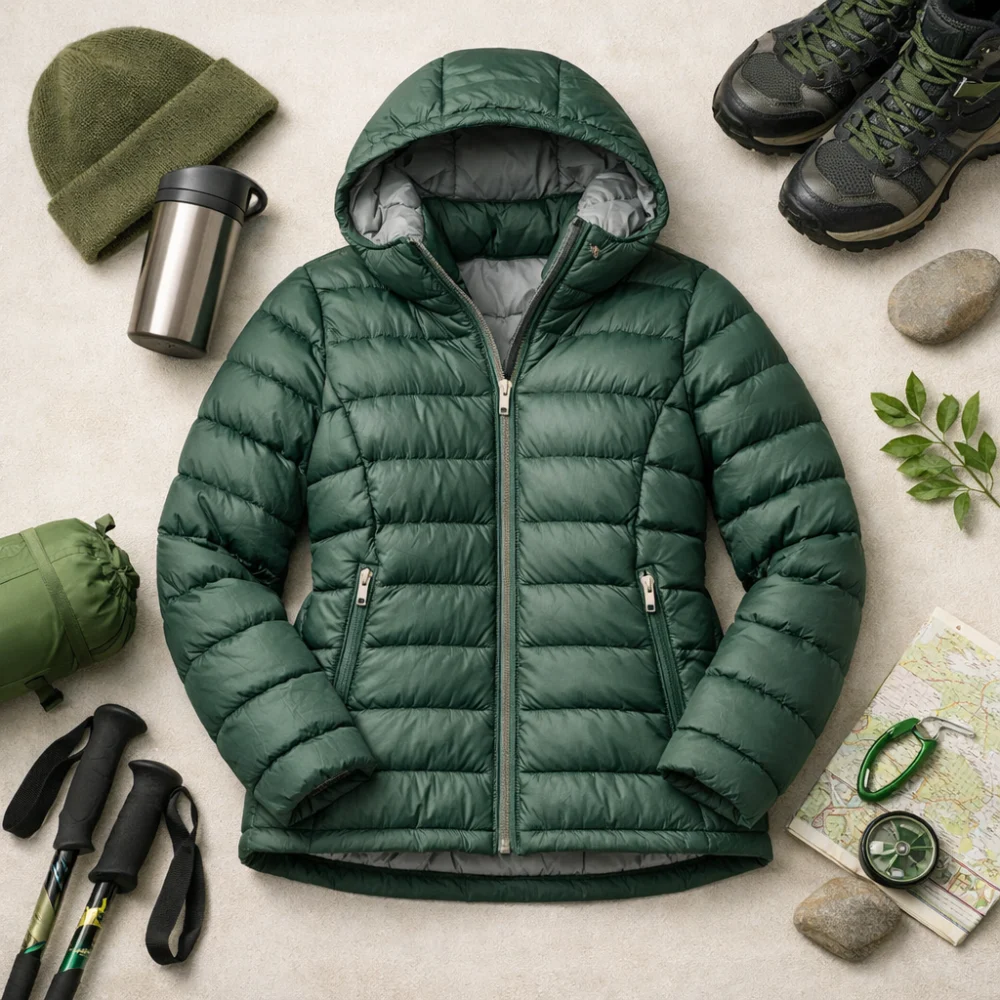
Women’s down jackets are a practical choice when you want lightweight warmth without carrying a bulky layer. They suit everything from everyday cold-weather wear to travel and outdoor use, but the right jacket depends on how warm you need it to be and how you plan to wear it.
This guide focuses on the choices that matter most before you buy: insulation level, packability, weather resistance, fit and length. It helps you compare the main options without assuming that one style suits every cold-weather situation.
If you are comparing down jackets with other insulated outerwear, think first about warmth, weather exposure and how much bulk you are willing to carry. Down is valued for its warmth-to-weight balance, but the best choice still depends on whether you need something for dry cold, mixed weather or everyday layering.
Compare Women's Down Jackets



As an Amazon Associate we earn from qualifying purchases.
What should you look for in a women’s down jacket?
Start with warmth, fit and the conditions you expect to face. A lighter jacket may be easier to wear and pack, while a warmer, fuller style may be better for colder days or longer periods outdoors. The main trade-off is usually between insulation, weight, bulk and weather resistance.
Specifications vary by model, so always check the individual product page before buying.
| Feature | What it means | Why it matters | What to check |
|---|---|---|---|
| Warmth level | How much insulation the jacket provides | Determines whether it suits mild chill, colder days or deeper winter layering | Jacket description, insulation details and intended use |
| Weight and bulk | How heavy and compressible the jacket feels | Affects comfort for travel, packing and all-day wear | Whether it is described as lightweight, packable or fuller cut |
| Weather resistance | How well the outer fabric copes with wind or light moisture | Important if you wear it in changeable conditions | Any mention of water resistance, wind resistance or outer fabric treatment |
| Fit and shape | How the jacket sits on the body and layers over other clothing | Affects comfort, mobility and how easy it is to wear with jumpers or mid-layers | Fit description, size guide and whether the cut is slim, regular or relaxed |
| Length | How much of the torso and hips the jacket covers | Can change warmth, coverage and styling | Whether it is short, hip-length, mid-length or longer |
| Hood and collar | Extra coverage around the head and neck | Useful in windier or colder conditions | Whether the jacket has a hood, high collar or no hood at all |
Which details matter most?
Warmth and insulation
Down jackets vary a lot in how warm they feel. Some are designed as lighter layers for everyday wear, while others are made for colder conditions and fuller coverage. If you want one jacket for many situations, look for a balanced option rather than the warmest style available.
Packability and everyday convenience
Some women’s down jackets are easier to fold, carry or store than others. That can matter if you commute, travel or want a spare layer in your bag. A more compressible jacket may be easier to pack, but it may also feel less substantial than a heavier style.
Weather and use conditions
Down is often chosen for cold weather, but not every jacket handles damp conditions equally well. If you expect drizzle, wind or variable weather, check how the outer fabric is described. For wetter conditions, many buyers also compare down jackets with other insulated outerwear that places more emphasis on weather protection.
Fit, layering and comfort
Fit affects both warmth and comfort. A jacket that is too tight may limit layering, while one that is too loose may feel less efficient in colder weather. Look at sleeve length, hem shape, collar height and whether the jacket is designed to sit close to the body or allow room underneath.
Common styles and variants
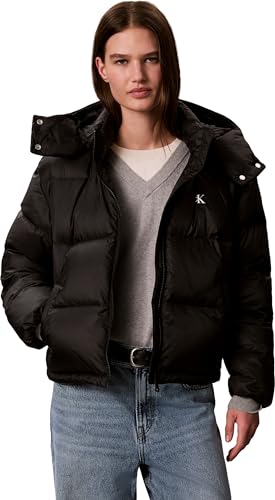
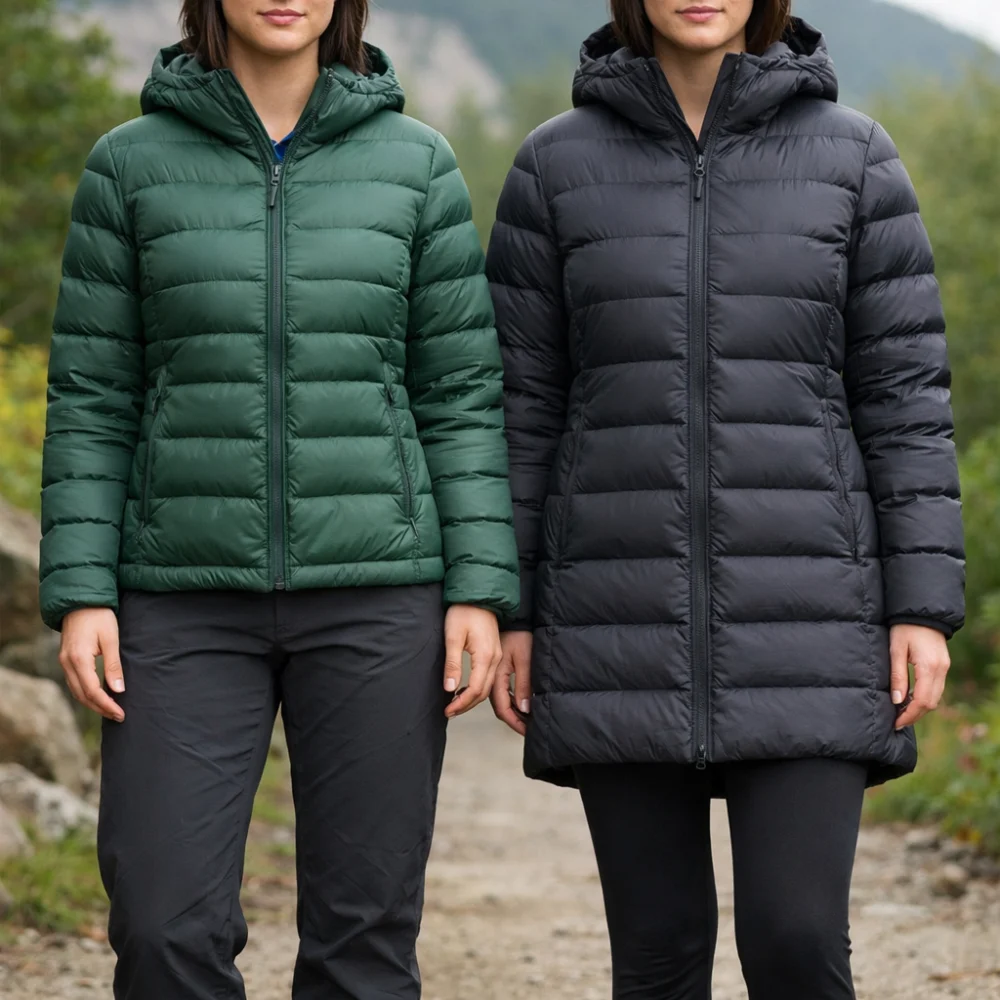
Women’s down jackets usually differ more by cut and intended use than by appearance alone. A short jacket can be easier for active wear and layering, while a longer style may give more coverage. Hooded versions can feel more versatile in colder weather, while collar-only styles may work well for simpler, everyday outfits.
You may also see lighter, packable designs alongside fuller, more insulating jackets. Lighter options are useful when warmth is needed without much bulk, while fuller jackets usually suit colder days or less active wear. The right choice depends on whether you value flexibility, warmth or a more substantial feel.
How different buyers can narrow the choice
| Buyer need | Features to prioritise | Main trade-off |
|---|---|---|
| Everyday commuting | Comfort, ease of wear, moderate warmth, practical length | May not be the lightest or most packable option |
| Travel and packing | Low bulk, compressibility, versatile layering | Often less substantial than fuller jackets |
| Colder-weather use | Higher warmth, longer coverage, secure fit | Usually more bulk and less freedom to pack small |
| Layering over knitwear | Roomier fit, flexible sleeves, comfortable hem shape | A looser fit may feel less streamlined |
| Simple everyday styling | Clean shape, collar or hood preference, easy-to-match length | Style-led choices may reduce focus on technical details |
Common mistakes to avoid
- Choosing by warmth alone: a very warm jacket is not always the most useful if you need something light or easy to wear every day.
- Ignoring fit over layers: a jacket that looks right on its own may feel restrictive once you add a jumper.
- Assuming all down jackets handle wet weather the same way: check the product information carefully if you expect rain or damp conditions.
- Overlooking length: shorter and longer jackets can feel very different in warmth, coverage and movement.
- Not checking the intended use: some jackets are better for casual wear, while others are more suited to outdoor activity or travel.
Safety and suitability notes
For outdoor use, think about the conditions you will actually face rather than the broad label on the garment. A down jacket that is comfortable in dry cold may not be the best choice for persistent wet weather, and a lighter design may not feel warm enough for long periods outside. If you need a jacket for a particular activity, check the individual product page for the intended use and any relevant care guidance.
Care, storage and lifespan
Ownership matters because down jackets usually perform best when they are cared for and stored sensibly. Avoid crushing them for long periods if you can help it, and follow the care guidance on the specific product. If a jacket has a hood, trims or a special outer finish, it is worth checking how that affects washing and storage.
How long a jacket stays useful depends on the quality of the materials, how often it is worn and how it is looked after. For that reason, it is sensible to compare construction and care information as part of the buying decision, not as an afterthought.
How to compare options efficiently
- Decide where you will wear the jacket most often: everyday, travel, colder outdoor use or layering.
- Choose the type of warmth and coverage you need, rather than starting with colour or style.
- Compare fit, length, hood preference and bulk so the jacket suits your wardrobe and activity level.
- Check weather resistance and care information if you expect variable conditions.
- Read the individual product page carefully before buying.
Buyer checklist
- Does the warmth level match the conditions you expect?
- Is the fit right for layering and comfortable movement?
- Do you want a hood, a high collar or a simpler finish?
- Is the length suitable for the coverage you want?
- Will the jacket be practical for commuting, travel or outdoor use?
- Have you checked any weather-resistance or care details on the product page?
Frequently asked questions
Are women’s down jackets good for everyday wear?
Yes, many people choose them for daily cold-weather use because they are warm without being overly heavy. The main question is whether you want a lighter, easier-to-layer style or something warmer and more substantial.
What is the difference between a short and a longer down jacket?
A short jacket is often easier to move in and can feel more casual, while a longer jacket usually gives more coverage and can feel warmer. Your choice depends on whether you prioritise mobility, coverage or a mix of both.
Do down jackets work in wet weather?
They can be fine in light or changeable conditions if the jacket is designed with some weather resistance, but down is not automatically the best choice for persistent rain. Check the product information carefully if damp weather is likely to be part of regular use.
Should I choose a hooded down jacket?
A hood can be useful if you want extra coverage in wind or colder weather. If you prefer a cleaner look or usually wear a separate hat, a collar-only style may be enough.
How do I know if the fit will allow layering?
Look for the fit description and, if available, the size guide and product measurements. A jacket intended to be worn over knitwear or mid-layers usually needs a little more room through the shoulders, chest and sleeves.
Are lightweight down jackets warm enough?
They can be, but warmth depends on the jacket’s overall construction and intended use. Lightweight designs are often chosen for convenience and layering, while heavier designs are better suited to colder conditions.
What should I check before buying online?
Focus on the fit, length, hood or collar style, intended use and any weather-resistance details. It also helps to check care information so you know what the jacket will need after purchase.
How to interpret down fill details
If a product page gives a fill-power figure, it describes how much space a given weight of down can occupy, rather than the total amount of insulation in the jacket. A higher figure alone does not establish that one jacket will be warmer than another.
Fill weight, when stated, tells you how much down insulation is used. Consider it alongside the jacket’s design, coverage and intended use, and compare like-for-like information where possible. If these details are not provided, use the stated warmth and intended-use information rather than trying to infer performance from a single number.
More Women's Down Jackets
See all 303 Women's Down Jackets →


As an Amazon Associate we earn from qualifying purchases.


