
Women's Down Jackets
Women’s down jackets are insulated jackets designed to provide warmth without unnecessary bulk, making them useful for walking, travel, commuting, camping, outdoor activities and everyday cold weather wear. They are a practical choice for women who want a warm layer that can work on its own in dry, cool conditions or under a suitable outer shell when the weather becomes more demanding.
The right down jacket should suit your activity level, fit preference and expected conditions. When comparing options, look at insulation type, fill information where listed, weight, packability, outer fabric, hood style, pocket layout, fit, care guidance and whether the jacket is intended for everyday wear, outdoor layering, travel or colder weather use.
-
Women's Down Jackets
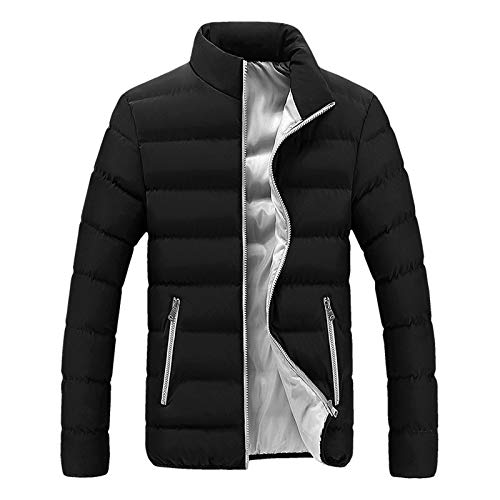
Men’s Lightweight Quilted Padded Hooded Jacket with Pockets
£1.99 *View On Amazon* -
Women's Down Jackets
Women’s Packable Waterproof Softshell Jacket with Adjustable Hood
£0.99 *View On Amazon* -
Women's Down Jackets
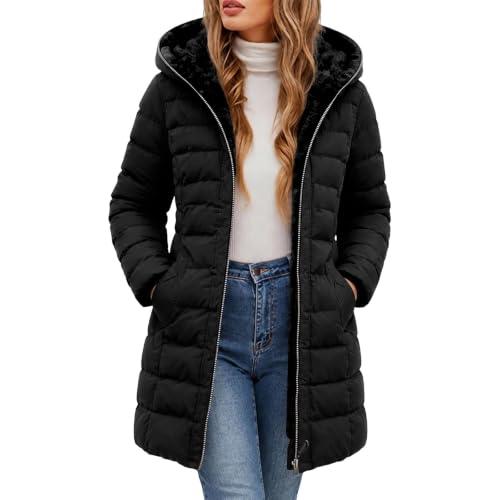
Women’s Long Padded Winter Coat with Hood and Zip Pockets
£0.99 *View On Amazon* -
Women's Down Jackets
Women’s Fleece-Lined Winter Parka with Detachable Fur Collar
£2.99 *View On Amazon* -
Women's Down Jackets
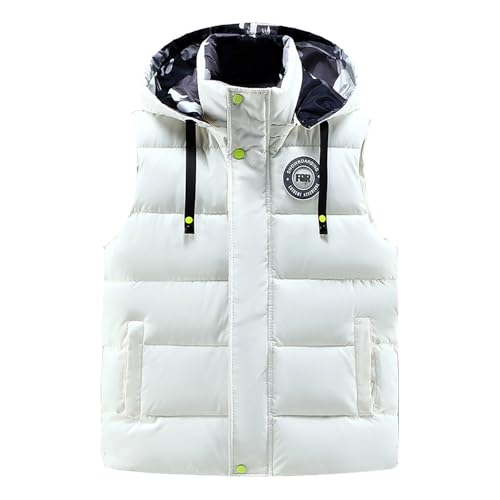
Women’s Quilted Hooded Padded Gilet with Zip and Pockets
£14.99 *View On Amazon* -
Women's Down Jackets
Women’s Khaki Size S Quilted Padded Longline Coat
Original price was: £49.97.£29.99Current price is: £29.99. *View On Amazon* -
Women's Down Jackets
Women’s Plus-Size Quilted Fleece-Lined Padded Winter Coat
£27.99 *View On Amazon* -
Women's Down Jackets
Women’s Fleece-Lined Long Hooded Down Jacket with Full Zip
£25.99 *View On Amazon* -
Women's Down Jackets
Aiixnze Women’s Longline Winter Coat with Hood, Sizes S to 5XL
£19.98 *View On Amazon* -
Women's Down Jackets
HEEKPEK Women’s Quilted Winter Jacket with Fleece Lining
£39.99 *View On Amazon* -
Women's Down Jackets
Regatta Nehiala Women’s Padded Jacket with Water-Repellent Finish
£49.70 *View On Amazon* -
Women's Down Jackets
kraftd Women’s Black Hooded Puffer Jacket, Size S (UK 8-10)
£29.99 *View On Amazon* -
Women's Down Jackets
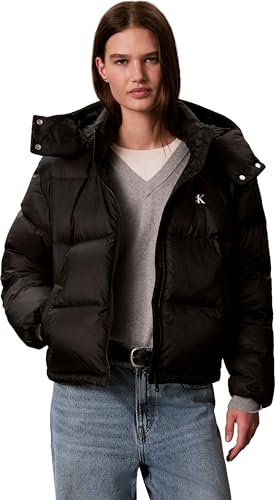
Calvin Klein LV047H500G Women’s Essential MW Short Down Puffer Jacket, Black, M
Original price was: £210.00.£124.22Current price is: £124.22. *View On Amazon* -
Women's Down Jackets
DEAYOU 12-Pack Clear Reusable EVA Rain Ponchos for Adults
Original price was: £15.99.£12.99Current price is: £12.99. *View On Amazon* -
Women's Down Jackets
Women’s Navy XL Lightweight Padded Down Puffer Jacket
Original price was: £11.99.£11.49Current price is: £11.49. *View On Amazon* -
Women's Down Jackets
OEX Resilience Women’s Down Jacket, 90/10 Duck Down, UK 14 Regular, Grey
£120.00 *View On Amazon* -
Women's Down Jackets
The North Face Women’s Classic Down Jacket, New Taupe Green, Size L
£199.93 *View On Amazon* -
Women's Down Jackets
RITOSTA Women’s Short Padded Puffer Jacket, Black, Size XXL
£39.99 *View On Amazon* -
Women's Down Jackets
CMTOP Women’s Quilted Longline Parka with Fleece Lining, Black, Size M
£41.99 *View On Amazon* -
Women's Down Jackets
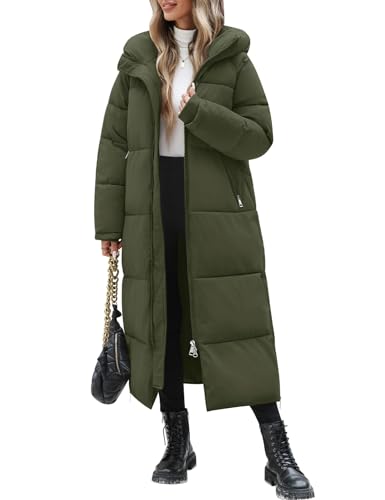
Vancavoo Women’s Long Quilted Puffer Coat, Army Green, XXL
£46.99 *View On Amazon* -
Women's Down Jackets
Regatta Women’s Eloria Jacket with 280gsm Synthetic Down Insulation
£39.95 *View On Amazon* -
Women's Down Jackets
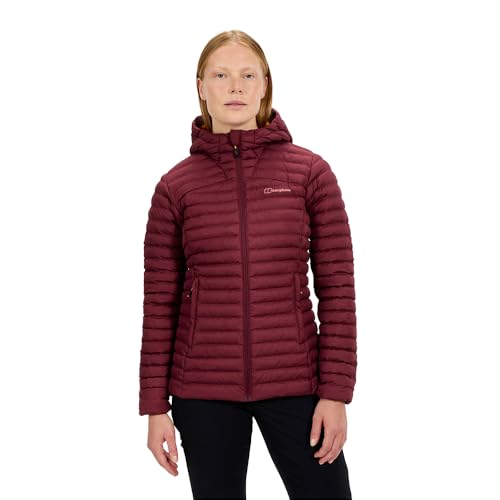
Berghaus Women’s Combust Reflect Down Jacket, Red, Size 16
£123.56 *View On Amazon*









What Are Women’s Down Jackets
Women’s down jackets are insulated jackets that use down or down blend filling where listed to help trap warmth. Down is valued because it can feel light, soft and warm for its weight, depending on the product and construction.
Depending on the listing, a women’s down jacket may include a hood, full zip fastening, elasticated cuffs, zipped pockets, adjustable hem, packable design, quilted baffles, water resistant outer fabric or responsibly sourced down certification where clearly stated.
They are different from ordinary casual jackets because they are chosen mainly for warmth and insulation. They are also different from waterproof jackets because most down jackets are not designed to be relied on as full rain protection unless the product specifically states this.
What Women’s Down Jackets Are Used For
Women’s down jackets are used for cold weather walks, travel, camping trips, dog walking, commuting, school runs, outdoor events, hiking breaks and everyday winter layering. They can also be useful as a warm layer after sport or during colder evenings away from home.
For active outdoor use, a lightweight down jacket can be carried as a warm layer for rest stops, campsite use or chilly starts. For everyday wear, a down jacket can provide practical warmth over jumpers, base layers or casual clothing.
For travel, packable down jackets where listed can be useful because they may take up less room than heavier winter coats. Always check pack size, care needs and weather suitability before buying for a specific trip.
How To Choose The Right Women’s Down Jacket
Start with how you plan to wear it. If the jacket is for everyday cold weather use, focus on warmth, fit, pockets and comfort. If it is for hiking, camping or travel, compare weight, packability, layering compatibility and weather suitability more closely.
Next, think about the conditions. Down jackets are often useful in cold and dry weather, but wet weather needs more care. Down can lose warmth if it becomes wet, unless the product includes water resistant features or treated down where listed. Even then, a waterproof outer layer may still be needed in heavy rain.
Fit is important. The jacket should allow comfortable movement through the shoulders, arms and body. It should be roomy enough for a base layer or fleece underneath where suitable, but not so loose that warm air escapes too easily.
Also check the care requirements. Down jackets may need more careful washing and drying than ordinary jackets, so follow the product care label closely.
Key Features To Compare
Insulation type is one of the main features to check. Some jackets may use natural down, down blends or other insulating fills where listed. Always check the product information for the exact details.
Fill power or fill weight may be listed on some products. These details can help compare warmth and loft, but they should only be used where provided by the product listing.
Weight matters for travel and hiking. A lighter jacket can be easier to pack and carry, while a heavier jacket may feel warmer or more substantial depending on the design.
Outer fabric affects comfort, durability and weather suitability. Some jackets may include water resistant finishes where listed, but this should not be treated as full waterproof protection unless clearly stated.
Baffle design helps hold insulation in place. Stitching pattern, jacket thickness and fill distribution can affect warmth and appearance depending on the product.
Hood style is worth comparing. A hood can add warmth around the head and neck, while a non hooded jacket may layer more easily under some shells or coats.
Pockets are useful for gloves, keys, phones and cold hands. Zipped pockets where listed can help keep small essentials more secure.
Women’s Down Jackets Compared With Synthetic Insulated Jackets
Down jackets are often chosen for lightweight warmth and packability. They can feel soft, comfortable and easy to carry, depending on the product.
Synthetic insulated jackets use man made insulation rather than down. They may be more practical in damp conditions depending on the design, and they can be easier to care for in some cases.
The trade off is usually warmth to weight versus wet weather practicality. A down jacket can be very useful in cold dry conditions, while synthetic insulation may suit changeable or damp outdoor use where the product is designed for that.
The better choice depends on how you will use the jacket, how often it may get wet and how much you value low weight and packability.
Down Jackets Compared With Fleeces And Waterproof Jackets
A fleece is mainly a soft warm layer. It can be comfortable and breathable, but it may not provide the same warmth for weight as a down jacket where the down jacket is suitably designed.
A waterproof jacket is mainly used for rain and wind protection where the product is listed as waterproof. It may not provide much insulation unless it includes a warm lining or is worn over other layers.
A down jacket is mainly an insulating layer. It can be worn on its own in suitable dry conditions or under a waterproof shell where compatible. The most practical outdoor setup often uses a base layer, a warm midlayer or down jacket and a suitable outer jacket when the weather requires it.
Guidance For Beginners, Regular Users And Experienced Outdoor Buyers
Beginners should focus on comfort, fit and where the jacket will be worn most often. A simple women’s down jacket can be a useful first warm layer for cold mornings, travel, walks and everyday use.
Regular outdoor users may want to compare packability, hood design, pocket layout and layering compatibility. If the jacket will be carried in a backpack, weight and storage size may matter more.
Experienced hikers and travellers may look more closely at fill information where listed, warmth to weight, baffle construction, outer fabric, hem adjustment and how the jacket works with waterproof shells or backpacks.
Everyday buyers may care more about appearance, warmth, comfort and easy styling. A jacket that works with jeans, leggings, walking trousers and boots can become a reliable cold weather layer.
Use Cases By Activity And Lifestyle
For walking and hiking, a women’s down jacket can provide warmth during breaks, cold starts and exposed viewpoints. It should work comfortably with base layers, fleeces and waterproof jackets where suitable.
For camping, a down jacket can be useful in the evening, early morning or around the campsite when temperatures drop.
For commuting, it can provide lightweight warmth without feeling as heavy as some winter coats, depending on the product.
For travel, packable down jackets where listed can be useful when space is limited and temperatures may change during the trip.
For dog walking and school runs, warmth, pockets and easy fastening are often more important than technical details.
For outdoor events, a down jacket can help keep you warmer when standing still, although extra layers may still be needed in very cold conditions.
Fit, Sizing And Comfort
A women’s down jacket should fit comfortably over the layers you plan to wear underneath. It should allow arm movement, sitting, walking and reaching without pulling across the shoulders or chest.
Check the size guide where listed. Some jackets may have a slim active fit, while others may be more relaxed for everyday layering. Choose based on both body shape and intended use.
Sleeve length should cover the wrists without getting in the way of your hands. The hem should sit comfortably and help keep warmth in without restricting movement.
If the jacket will be worn under a waterproof shell, avoid a fit that is too bulky. If it will be worn as the main outer layer, you may prefer enough room for a fleece or thicker jumper underneath.
Compatibility With Outdoor Clothing And Layers
Women’s down jackets should work with the rest of your clothing system. This may include base layer tops, fleeces, midlayers, waterproof jackets, walking trousers, leggings, gloves, hats and hiking footwear.
If you carry a backpack, check whether the shoulders, pockets and hem feel comfortable under straps. A very bulky jacket may feel awkward under a pack, while a very slim jacket may limit layering underneath.
If wearing the jacket with a waterproof shell, check that the hood, cuffs and hem sit comfortably together. A hooded down jacket under a hooded waterproof jacket can feel warm, but it may also add bulk.
For cold weather, accessories such as hats, gloves and warm socks can make the jacket much more effective as part of a full outfit.
Weather Suitability And Layering
Weather suitability varies by product. Some women’s down jackets may have water resistant outer fabrics where listed, but most should not be treated as waterproof unless the product clearly states this.
Down insulation works well when it stays dry and lofted. In rain, sleet or wet snow, a waterproof jacket may be needed over the top where suitable.
Layering helps make down jackets more versatile. In mild cold weather, the jacket may be enough over a base layer. In colder conditions, it may work with a fleece underneath. In wet or windy conditions, it may need a protective outer shell.
For active use, avoid overheating. Down jackets can feel very warm once you start moving, so they are often most useful during slower activity, breaks or cold starts.
Safety And Practical Outdoor Use
A women’s down jacket should keep you warm without restricting movement or awareness. Make sure the hood does not block side vision when walking near roads, paths or busy areas.
For outdoor activity, choose clothing based on the route, weather and time outside. A down jacket alone may not be enough for wet, windy or very cold conditions.
If using the jacket in low light, consider visibility. Brighter colours or reflective details where listed can help in some settings, but they do not replace lights, high visibility accessories or sensible route planning.
Do not rely on a lightweight jacket for extreme cold unless the product is designed and listed for that level of use. Match the jacket to the conditions and carry extra layers where needed.
Care, Washing And Storage
Always follow the care label supplied with the product. Down jackets often need more careful care than standard jackets, especially when washing and drying.
Use suitable cleaning methods where recommended and avoid harsh washing products unless the care guidance says they are suitable. Some down jackets may need specialist down wash or careful drying to restore loft where listed by the manufacturer.
Make sure the jacket is fully dry before storing it. Damp down can clump and may develop odours or lose loft if stored poorly.
Avoid compressing a down jacket for long periods unless the product guidance allows it. Packable designs can be compressed for travel, but long term storage is often better in a dry, loose state where suitable.
Storage Tips For Down Jackets
Store women’s down jackets clean and dry in a cool, dry place. Hanging them or storing them loosely can help maintain loft better than keeping them tightly compressed.
If the jacket comes with a stuff sack where listed, use it for travel or short term packing rather than assuming it is the best long term storage method.
After wet or damp use, unpack the jacket and let it dry fully before putting it away. Do not leave it compressed in a backpack, car boot or suitcase after a trip.
Check zips, seams, cuffs and baffles from time to time. If feathers or fill begin to escape, handle gently and follow product guidance where available.
Useful Accessories To Consider
Useful accessories may include women’s base layer tops, fleeces, waterproof jackets, walking trousers, thermal leggings, hats, gloves, neck warmers, hiking socks and backpacks.
For wet weather, a suitable waterproof shell can be a useful companion to a down jacket. For very cold days, base layers and insulated accessories can improve overall comfort.
For travel, a packing pouch where listed, compact gloves and a warm hat can make a down jacket more practical. If buying as a gift, consider the wearer’s size, preferred fit, usual activities and whether they need a hooded or non hooded style.
Why Buy From YPC
At YPC, we understand active lifestyles and the need for practical products that work in real use. Women’s down jackets should be easy to compare by warmth, fit, insulation details where listed, weight, packability, hood style, weather suitability and care needs.
This category is designed to help buyers choose practical jackets for walking, camping, travel, commuting, cold weather layering and everyday outdoor comfort. Browse the women’s down jackets at YPC and compare the available options to find a suitable warm layer for your routine.
FAQs
What is a women’s down jacket?
A women’s down jacket is an insulated jacket that uses down or down blend filling where listed to help provide warmth. It is commonly used for cold weather, travel, walking, camping and everyday layering.
Are women’s down jackets waterproof?
Most down jackets should not be assumed waterproof unless the product clearly states this. Some may have water resistant outer fabrics where listed, but heavy rain usually requires a suitable waterproof layer.
Are down jackets warmer than fleeces?
Down jackets can offer strong warmth for their weight where suitably designed, while fleeces are often breathable, soft and easy to wear. The warmer choice depends on the product, layers and conditions.
What is the difference between down and synthetic insulation?
Down insulation is often chosen for lightweight warmth and packability. Synthetic insulation may be more practical in damp conditions depending on the product. Check the listing carefully before choosing.
Can I wear a down jacket for hiking?
Yes, a down jacket can be useful for hiking, especially during cold starts, rest stops or dry cold conditions. For rain or wind, it may need to be worn with a suitable outer shell.
How should a women’s down jacket fit?
It should fit comfortably over your chosen layers without feeling tight or overly loose. It should allow arm movement and sit well at the hem, cuffs and shoulders.
Can a down jacket be packed into a bag?
Some down jackets are packable where listed, but not all are designed for compact packing. Check the product details and avoid long term compression unless the care guidance allows it.
How do I care for a women’s down jacket?
Follow the care label supplied with the product. Down jackets may need specialist cleaning and careful drying. Store them fully dry and avoid keeping them tightly compressed for long periods where possible.
 Getting ready for Summer? View our Home and Garden Products

Heading outdoors this winter? Take a look at our Outdoor Clothing.