

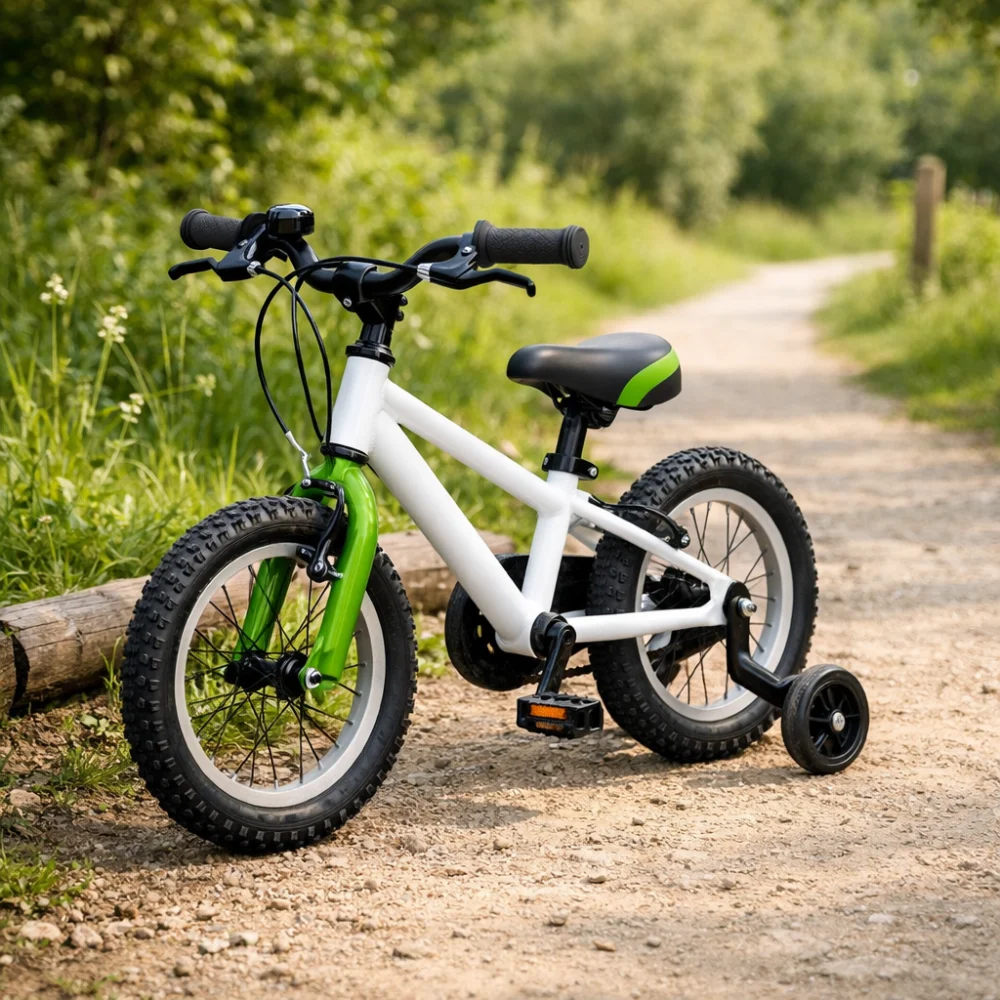

Choosing a children’s bike is mostly about fit, confidence and the kind of riding the child will actually do. The right choice for a beginner is often very different from the right choice for a child who is already riding independently.
This guide focuses on the decisions that matter most before buying: size, type, weight, controls and the features that make a bike easier or harder to use. It is designed to help parents, gift buyers and families compare options without getting distracted by details that do not change the riding experience very much.
Children’s bikes cover a wide range, from balance bikes and first pedal bikes to larger bikes for older children. The aim is not to find the fanciest-looking option, but the one that matches the rider’s size, confidence and use.
Compare Children's Bikes



As an Amazon Associate we earn from qualifying purchases.
What should you look for first in a children’s bike?
Start with fit, then decide what kind of riding the bike is for. A well-sized bike that a child can control and stop easily is usually a better buy than a larger or more feature-heavy model that feels awkward. Weight, saddle and handlebar adjustment, braking style and whether the child still needs stabilisers can all affect how easy the bike is to learn and enjoy.
Specifications vary by model, so always check the individual product page before buying.
| Feature | What it means | Why it matters | What to check |
|---|---|---|---|
| Bike size | The overall size of the bike, often linked to wheel size and rider height | Fit affects confidence, control and comfort | Wheel size, rider height guidance and any sizing notes on the product page |
| Bike type | Balance bike, first pedal bike, BMX-style bike, mountain-style bike or hybrid-style bike | Different types suit different ages and riding habits | Whether the bike matches the child’s current skill and intended use |
| Weight | How heavy the bike is to lift, start, stop and manoeuvre | A lighter bike is often easier for children to handle | Product details, frame material if listed and whether the child can manage it comfortably |
| Brakes | The braking system fitted to the bike | Brakes should be easy for the child to reach and use confidently | Lever reach, brake type and whether the child can operate them smoothly |
| Adjustability | How much the saddle and handlebars can be adjusted | Helps the bike stay usable as the child grows | Adjustment range and whether it suits the expected period of use |
| Confidence aids | Features such as stabilisers or a low step-through frame | Can help when learning or rebuilding confidence | Whether the child still needs support, or is ready to ride without it |
How do you choose the right size?
Size is the most important starting point because it affects balance, reach and control. Wheel size is often used as a guide, but rider height, leg length and experience matter too. A child should be able to get on and off the bike safely and reach the bars and brakes without feeling stretched.
It can be tempting to buy a bike a little too large so it lasts longer, but that often makes it harder to learn on. For younger riders, confidence usually improves faster when the bike feels manageable from the start.
Why bike weight matters so much
Children’s bikes vary in weight, and that difference can change how easy the bike feels to push, turn and stop. A heavier bike may feel stable to some riders, but it can also be harder to control when starting, climbing kerbs or navigating tight spaces. If a child will need to lift the bike frequently, for example up steps or into a car boot, weight becomes even more relevant.
Which controls are easiest for children to use?
Brakes should be easy to reach and simple to operate. Younger or less experienced riders may do better with controls that feel predictable and not overly stiff. If the bike has gears, make sure the child is ready for them, because extra controls add complexity even when they are useful later on.
Common children’s bike types
There is no single type that suits every child. The right style depends on age, confidence and where the bike will be used.
Balance bikes
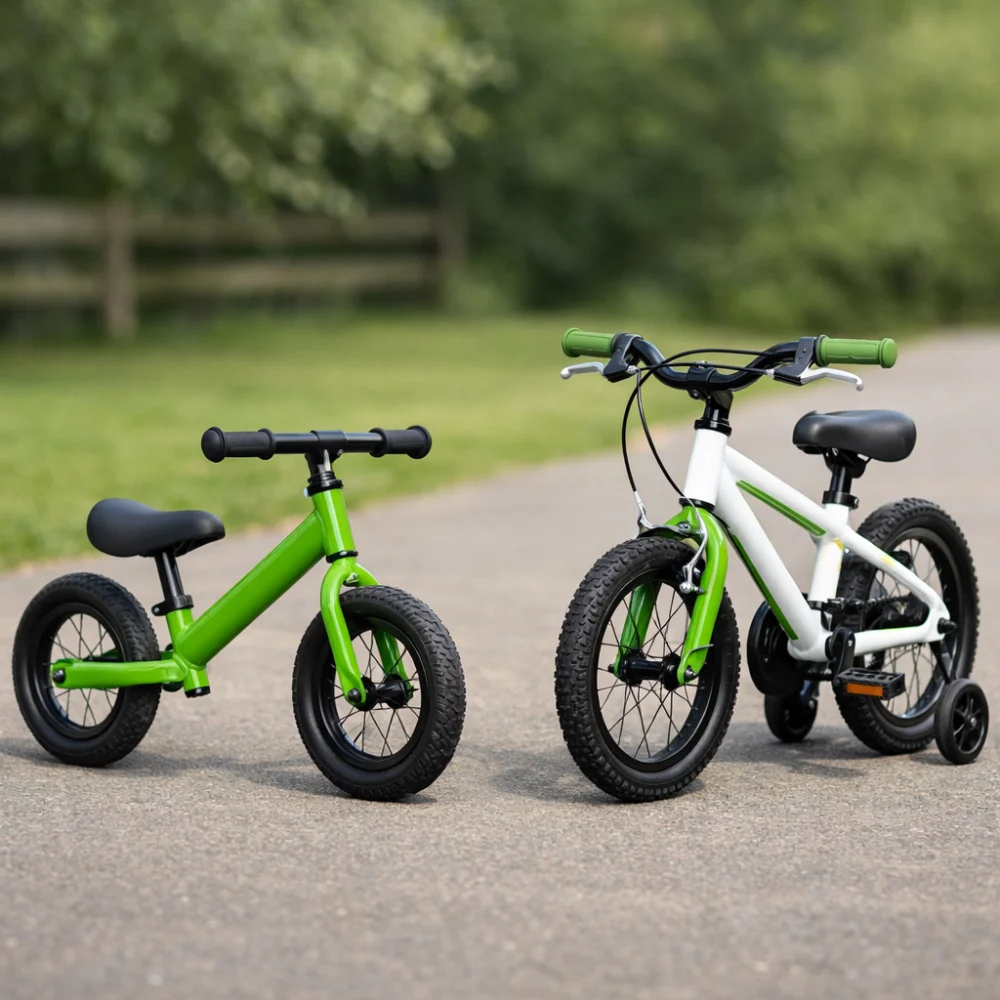
Balance bikes are for children who are learning to balance before pedalling. They can be a sensible first step because they let the rider focus on steering, stability and stopping with their feet. Their main limitation is that they are not designed for pedalling practice, so children outgrowing that stage will need a different bike.
First pedal bikes
First pedal bikes are usually aimed at children moving on from balance bikes or stabilisers. They work well when the child is ready to pedal but still needs a bike that feels reassuring and easy to control. Some have features that make learning easier, but extra accessories should not distract from fit and handling.
BMX-style and more compact bikes
BMX-style bikes can suit children who want a sturdy bike for short rides, play and general use. They often feel different from upright road or hybrid-style bikes, so the riding position and handling should be considered carefully. They may be less suited to children who want a relaxed ride over longer distances.
Mountain-style and hybrid-style kids’ bikes
These bikes can suit older children who need a bike for paths, parks and mixed surfaces. They may add gears or more robust features, which can be useful, but they also increase complexity. If the child mainly rides short distances on smooth ground, a simpler option may be easier to live with.
How should different buyers compare options?
| Buyer need | What to prioritise | What to avoid |
|---|---|---|
| First-time rider | Fit, low weight, simple controls and confidence-building features | Buying for growth instead of current control |
| Child moving on from stabilisers | Stable handling, easy brakes and an appropriate frame size | Overcomplicated gearing or a bike that feels too tall |
| Gift purchase | Accurate size guidance and adjustable parts where possible | Choosing by appearance alone |
| Active family use | Durability, easy maintenance and a style suited to regular riding | Features the child will not use |
| Older child wanting more independence | Comfort, control and features that match the riding route | An overgrown bike that is hard to handle |
Common mistakes when buying a children’s bike
- Choosing too much growth room. A bike that is too large can be harder to start, stop and balance, which may slow learning.
- Focusing on appearance first. Colours and accessories matter less than size, weight and handling.
- Overlooking the child’s current ability. A confident rider and a beginner need different levels of simplicity.
- Ignoring brake reach. If the child cannot use the brakes comfortably, the bike may be frustrating or awkward to ride.
- Assuming more features are always better. Gears, baskets and extras can be useful, but only if they suit the rider and the intended use.
Safety and suitability checks
Check that the bike is suitable for the child’s age, height and experience level, and that any included features are appropriate for the way it will be used. If the bike is for public paths or roads, make sure the child and adult buyer understand the local rules and supervision expectations that apply.
It is also worth checking whether the rider will need a helmet, lights or other separate accessories, because these are often chosen alongside the bike rather than included with it. For any model that offers stabilisers, gears or other extras, make sure they are genuinely needed rather than just present on the specification list.
Looking after a children’s bike
Simple care helps a bike stay easier to use. Regular checks for tyre condition, brake function and loose parts are sensible, especially if the bike is used often or stored outside. If the bike has gears or moving accessories, it may need a little more attention than a very basic model.
Storage also matters. A dry place can help reduce wear from weather and moisture, while a muddy or wet bike may need wiping down before it is put away. When buying, consider whether the family has space for the bike at home, in a shed or in a garage.
How to compare children’s bikes efficiently
- Start with the child’s current height, confidence and riding experience.
- Decide whether they need a balance bike, first pedal bike or a bike for older, more independent riding.
- Compare size, weight and brake reach before looking at extras.
- Check whether gears, stabilisers or other features are genuinely useful for the rider.
- Read the individual product page carefully and compare the details that affect fit and use.
Children’s bikes buyer checklist
- Is the bike the right size for the child’s current height and reach?
- Can the child control the bike confidently and stop it comfortably?
- Does the bike type suit the child’s ability and the kind of riding planned?
- Is the bike likely to feel manageable in terms of weight?
- Are any extras useful, rather than simply included?
- Is there enough adjustment for the bike to remain comfortable for a reasonable period?
Frequently asked questions
How do I know whether a child needs stabilisers?
That depends on the child’s current balance and confidence, not just age. Some children may be ready to ride without them, while others benefit from extra support while learning. The product page should tell you whether stabilisers are included or available, but the child’s ability matters more than the accessory itself.
Are bigger children’s bikes better because they last longer?
Not usually. A bike that is too large can be harder to handle and less enjoyable to ride, especially for beginners. It is generally better to choose the right size now and look for adjustability rather than buying for future growth alone.
Do children’s bikes need gears?
Not always. Gears can help on varied terrain or for older children who are ready for them, but they also add complexity. For many younger riders, a simpler bike is easier to learn on and easier to maintain.
What matters more: wheel size or rider height?
Both matter, but rider height and reach are often the more useful real-world checks. Wheel size gives a helpful starting point, yet different bike shapes can fit differently. Always read the sizing guidance on the individual product page.
Is a lighter bike always better?
Not automatically, but a lighter bike is often easier for children to manage. The right balance depends on the child’s strength, confidence and how the bike will be used. Handling and fit still matter more than weight alone.
Can one bike suit both leisure rides and everyday use?
Yes, if the bike is chosen with the main riding environment in mind. A versatile bike can work well for paths, parks and short trips, but it should still match the child’s size and ability first. Add-ons can help, but they should not override comfort and control.
What should I check before giving a bike as a gift?
Check the child’s approximate height, current riding ability and whether they already use stabilisers or pedals. Gift bikes are easiest to choose when you focus on fit and simplicity rather than appearance. If in doubt, a bit of adjustment range is more useful than extra features.
More Children's Bikes
See all 249 Children's Bikes →



As an Amazon Associate we earn from qualifying purchases.


