
Children's Bikes
Children’s bikes are designed to help young riders learn, practise and enjoy cycling with a bike that suits their size, strength, confidence and ability. They are suitable for toddlers, young children, older children, school age riders, family bike rides, park routes, cycle paths and children who are building balance, steering and braking skills.
The right children’s bike depends on the child’s height, inside leg, confidence, riding experience, wheel size, frame fit, bike weight, brake reach, gearing, stabiliser use where suitable, terrain, storage needs and how closely an adult will supervise the rider.
- Children's Bikes
selling united Kids Bike with Removable Light-Up Training Wheels, 16 Inch, White
£84.99 *View On Amazon* - Children's Bikes
SIMEIQI Kids Bike with Stabilisers, Handbrakes and Kickstand
£99.99 *View On Amazon* - Children's Bikes
IYEREER Bicycle Training Stabilisers for 12 to 20 Inch Bikes
Original price was: £10.88.£9.88Current price is: £9.88. *View On Amazon* - Children's Bikes
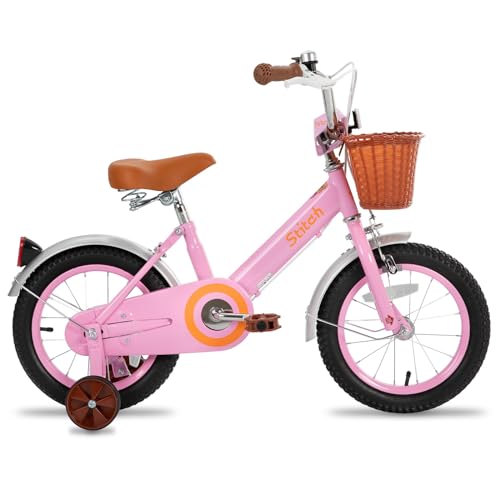
STITCH Vintage 14 inch Girls Kids Bike with Stabilisers and Basket, Pink
£99.99 *View On Amazon* - Children's Bikes
Huffy Pro Thunder 16-inch Kids Bike with Removable Stabilisers
Original price was: £149.99.£119.99Current price is: £119.99. *View On Amazon* - Children's Bikes
FORTOP Bike Stabilizers Training Wheels for 12-20 Inch Single-Speed Bicycles
£17.99 *View On Amazon* - Children's Bikes
CubePlug Half-Finger Cycling Gloves for Children, Purple, M
Original price was: £4.85.£4.47Current price is: £4.47. *View On Amazon* - Children's Bikes
Children’s Bike Stabilisers for 12 to 20 Inch Single Speed Bikes
£11.99 *View On Amazon* - Children's Bikes
Glerc AMOS 20 Inch Kids Bike with Dual Handbrakes, Kickstand and Adjustable Seat
Original price was: £169.99.£152.99Current price is: £152.99. *View On Amazon* - Children's Bikes
210-Piece Multicoloured Plastic Clip-On Bike Spoke Beads
Original price was: £7.99.£6.99Current price is: £6.99. *View On Amazon* - Children's Bikes
Niftii Kids Helmet and Pad Set for Cycling and Skateboarding
Original price was: £24.99.£19.99Current price is: £19.99. *View On Amazon* - Children's Bikes
Exclusky Kids Bike Helmet, Adjustable 50-57 cm, Colourful
Original price was: £18.99.£15.99Current price is: £15.99. *View On Amazon* - Children's Bikes
Bueuwe 16 Inch Kids Balance Bike for Ages 4-8, Blue
Original price was: £68.39.£64.97Current price is: £64.97. *View On Amazon* - Children's Bikes
STITCH Manchi 14 Inch Girls Bike with Basket, Stabilisers, Mint Green
£115.99 *View On Amazon* - Children's Bikes
MOSHAY Children Bike Safety Trainer Handle Balance Push Bar Black
£19.99 *View On Amazon* - Children's Bikes
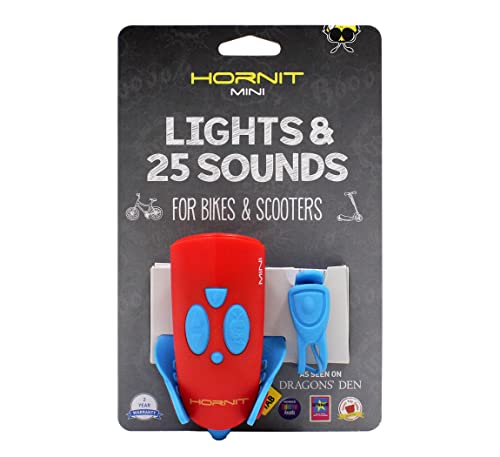
Hornit MINI Kids Bike Bell with 25 Sounds and Lights, Blue/Red
£17.99 *View On Amazon*





What Are Children’s Bikes?
Children’s bikes are bikes designed for younger riders. They are usually smaller, lighter and easier to manage than adult bikes, depending on the product and size.
They can include balance bikes, first pedal bikes, junior bikes, BMX style bikes, mountain style bikes, hybrid style bikes and bikes for older children who are ready for more confident riding.
A children’s bike should be chosen for the child as they are now, not only for future growth. A bike that is too large can be harder to control and may reduce confidence.
What Are Children’s Bikes Used For?
Children’s bikes are used for learning to ride, building balance, family cycling, school practice, park paths, garden play, cycle routes and short local trips where suitable.
They help children develop coordination, confidence, steering, braking and road awareness over time. The right bike can make learning feel enjoyable rather than frustrating.
Children’s bikes should always be used with suitable supervision, safe riding areas and equipment that matches the child’s ability.
How To Choose The Right Children’s Bike
Start with the child’s height and inside leg measurement. Age alone is not enough because children grow at different rates and have different confidence levels.
Next, check whether the child can stand over the bike, reach the handlebars comfortably and use the brakes properly. The bike should feel manageable and not too heavy.
Think about where the bike will be ridden. A bike for smooth paths and family rides may need different features from one used on rougher tracks, parks or more active cycling.
Key Features To Compare
When comparing children’s bikes, look at wheel size, frame fit, bike weight, brake type, brake lever reach, gears where listed, tyre tread, handlebar position, saddle adjustment, stabiliser compatibility where listed and overall ease of use.
Weight matters because children need to start, stop, steer and lift the bike more easily than adults. A heavy bike can make learning harder.
Brake control is especially important. Children should be able to reach and operate the brakes confidently before riding in busier areas.
Children’s Bikes Compared With Adult Bikes
Children’s bikes are designed for smaller riders and usually focus on manageable handling, simple control and suitable sizing.
Adult bikes are larger and often designed for longer rides, higher speeds, commuting, sport or specialist riding. They can be too big, too heavy or too complex for children.
The best bike for a child is one that fits properly and helps them feel in control. Moving to an adult bike should happen only when the rider is ready.
Children’s Bikes Compared With Balance Bikes
Balance bikes do not usually have pedals. They help younger children learn balance, steering and confidence by pushing along with their feet.
Children’s pedal bikes add pedalling, braking and more complete riding skills. Some children move from a balance bike to a pedal bike once they can glide and steer confidently.
The trade off is learning stage. A balance bike can be a useful first step, while a pedal bike is the next stage for independent riding.
Children’s Bikes Compared With BMX Bikes
A standard children’s bike is usually designed for learning, family cycling and general riding. It may offer a comfortable riding position and simple everyday use.
A BMX bike is more focused on short, active riding, tricks, skate parks, pump tracks or BMX style control where suitable.
Choose based on the child’s riding goals. A standard children’s bike is often better for general riding, while a BMX bike may suit children who specifically want BMX style riding.
Beginner, Growing Rider And Confident Child Guidance
For beginners, choose a bike that is easy to control, not too heavy and suitable for safe practice. Confidence is more important than speed or advanced features.
For growing riders, adjustability can be useful. Saddle height, handlebar position where adjustable and suitable wheel size all help the bike remain comfortable as skills improve.
For confident children, think more carefully about terrain, gears, brakes and riding style. A child who rides regularly may need a more capable setup than a child who only rides occasionally.
Children’s Bikes For Toddlers And Early Learners
Younger children often begin with balance bikes or very small starter bikes where suitable. The aim is to build balance, steering and confidence in a safe, relaxed way.
A first bike should feel simple and approachable. Children should be able to place their feet down easily and stop without panic.
Adult supervision is essential. Early riding should take place away from traffic, steep slopes, deep water and crowded paths.
Children’s Bikes For First Pedal Riding
A first pedal bike should help the child learn how to pedal, steer, brake and look ahead at the same time. It should fit well and feel stable.
Some children may use stabilisers where suitable, while others may move straight from a balance bike to pedalling without them. The best route depends on the child.
The bike should not be too large. If the child cannot start, stop or control the bike confidently, learning can become harder.
Children’s Bikes For Older Children
Older children may ride further, faster and more independently, so fit and control become even more important. They may also need gears, stronger brakes or tyres suited to mixed routes where listed.
A bike for an older child should still be chosen by size and ability, not simply by appearance. Comfort and safe control matter more than style.
As children become more confident, they should also learn basic bike checks, route awareness and responsible riding around other people.
Children’s Bikes For Family Rides
Family rides work best when every rider has a bike that fits and feels comfortable. A child who struggles with an unsuitable bike may quickly become tired or frustrated.
Choose routes that match the youngest or least confident rider. Parks, quiet paths and traffic free routes can be useful for building confidence.
Useful family accessories may include helmets, water bottles, snacks, locks, lights, spare layers and a small repair kit.
Children’s Bikes For School And Local Trips
Some children use bikes for school journeys or short local trips where suitable and supervised. Practical features such as lights, reflectors, bells, locks and mudguards may be useful.
The child should be confident with starting, stopping, signalling where appropriate and riding predictably before using busier routes.
School rules and storage arrangements can vary. Check what equipment is allowed or required before relying on the bike for regular journeys.
Children’s Bikes For Parks And Cycle Paths
Parks and cycle paths are often good places for children to practise. They can help young riders build confidence without the pressure of road traffic.
A bike for these routes should be easy to control, comfortable and suitable for the surface. Smooth paths may not need heavy tyres or suspension, while rougher paths may need more grip where suitable.
Children should still ride considerately. Shared paths may include walkers, dogs, scooters, prams and other cyclists.
Children’s Bikes For Trails And Rougher Ground
Some children’s bikes are designed for light trails, woodland paths or rougher surfaces where suitable. Tyres, brakes and frame strength matter more when riding away from smooth paths.
Not every children’s bike is suitable for rough trails, jumps or aggressive riding. Always check intended use where listed.
Rougher riding also needs more protective equipment and careful supervision. Children should progress gradually and avoid terrain beyond their ability.
Children’s Mountain Bikes
Children’s mountain bikes are designed for young riders who want more grip and control on rougher paths, tracks or trail style routes where suitable.
They may include wider tyres, gears and suspension features depending on the product. These features can be useful, but they can also add weight.
Choose a children’s mountain bike only if the child will actually ride on suitable terrain. For normal paths and family rides, a simpler bike may be easier to handle.
Children’s Hybrid Bikes
Children’s hybrid bikes can be useful for mixed everyday riding, family routes, cycle paths, school journeys and light leisure use where suitable.
They often balance comfort, control and practicality rather than focusing on one specialist style. This can make them a good choice for children who ride in several different places.
Check tyre type, brake setup, gears where listed and overall weight before buying.
Children’s Road Style Bikes
Some older children may be interested in road style bikes for fitness riding, club cycling or longer road routes where suitable.
A road style bike usually needs a confident rider because the riding position, tyres and controls may feel different from a standard children’s bike.
Fit, brake reach and supervision are especially important. Road riding requires awareness, control and route planning.
Children’s Electric Bikes
Some bikes for older children or teenagers may include electric assistance where legally and product suitable. These should be chosen very carefully because speed, weight and control can be very different from a standard children’s bike.
Electric assistance may not be suitable for younger children or inexperienced riders. Age guidance, product details and local rules should always be checked.
Battery care, charging and supervision are also important. An electric bike should be treated as more advanced equipment, not just a normal child’s bike.
Wheel Size, Frame Fit And Stand Over Height
Wheel size helps indicate bike size, but it is not the only factor. Frame shape, saddle height, handlebar reach and child confidence all affect fit.
Stand over height matters because the child should be able to stop and put feet down safely where appropriate. If the frame feels too tall, the bike may be intimidating.
Always use product size guidance where listed. Children of the same age can need different bike sizes.
Bike Weight And Child Control
Bike weight can make a big difference for children. A lighter bike can be easier to start, steer, stop and pick up after a fall.
A heavier bike may look sturdy, but it can be difficult for smaller riders to manage. This can slow learning and reduce enjoyment.
Consider the filled and fitted setup too. Accessories, baskets, stands and locks can add weight.
Brakes, Brake Levers And Stopping
Brakes should be easy for the child to reach and use. Small hands may struggle with brake levers that are too far away or too stiff.
Children should practise braking before riding near others. They need to know how to stop smoothly rather than relying on putting feet down.
Brake condition should be checked regularly. Pads, cables, levers and wheels should all be in suitable working order.
Gears For Children’s Bikes
Some children’s bikes have no gears, while others include gears where listed. Simple bikes can be easier for younger riders because there is less to think about.
Gears can be useful for older children, hills, longer rides and mixed terrain. However, they should be easy for the child to understand and operate.
A bike with too many controls can distract a new rider. Choose gears based on real need and ability.
Tyres, Grip And Riding Surface
Tyres should suit the surface the child rides most often. Smooth tyres can feel easier on paths and roads, while treaded tyres can add grip on grass, gravel or light trails where suitable.
Tyre width affects comfort and stability. Wider tyres can feel more forgiving, while narrower tyres may roll more easily on smooth surfaces.
Check tyre pressure regularly. Under inflated tyres can make pedalling harder and may affect control.
Saddles, Handlebars And Comfort
A children’s bike should be comfortable enough for the child to enjoy riding. Saddle height, handlebar reach and grip comfort all matter.
If the child feels stretched, cramped or unstable, the bike may be the wrong size or need adjustment.
Comfort also depends on confidence. A child who can reach controls and place feet down when needed is more likely to ride calmly.
Stabilisers And Learning Support
Stabilisers can help some children feel confident while learning to pedal, but they are not the only way to learn. Balance bikes and adult support can also help.
If stabilisers are used, they should be fitted correctly and checked regularly. They are intended to help learning, not make the bike suitable for unsafe terrain.
As the child improves, reducing reliance on stabilisers may help them develop balance and steering control.
Balance, Confidence And Practice
Learning to cycle takes practice. Children often improve through short, positive sessions rather than long rides that leave them tired.
Flat, open and quiet spaces are ideal for early practice. Grass can feel less intimidating for falls, while smooth tarmac can make pedalling easier.
Encouragement matters. A properly sized bike and calm adult support can make learning much more enjoyable.
Helmets And Protective Equipment
A suitable cycle helmet is widely used for head protection and may be required by some schools, clubs, events or activity providers.
The helmet should fit securely, sit level and be fastened correctly. A helmet that is too loose or pushed back on the head is not suitable.
Other protective equipment such as gloves, knee pads or elbow pads may be useful depending on the child’s confidence and riding style.
Lights, Reflectors And Visibility
Lights and reflectors can help children be more visible in low light, poor weather or shaded areas where suitable. Bright clothing or reflective details may also help.
For regular journeys, lights should be checked and charged or have working batteries. A light that is not working provides no benefit.
Visibility does not replace supervision. Children should still ride in suitable places and follow adult guidance.
Locks, Bells And Everyday Accessories
Locks can be useful if the bike will be left at school, shops, parks or clubs. The lock should suit the bike value and where it will be stored.
A bell can help children alert others on shared paths, but it should be used politely and not as a substitute for slowing down.
Other useful accessories may include mudguards, baskets, bottle cages, stands and small bags where compatible.
Road Safety And Supervision
Children should learn cycling safety gradually. They need to understand stopping, looking, listening, signalling where appropriate and riding predictably.
Road riding should only be introduced when the child is ready and under suitable supervision. Quiet practice areas are better for early learning.
Adults should choose routes carefully. Traffic, junctions, parked cars, dogs, pedestrians and uneven paths can all create hazards.
Shared Paths, Parks And Riding Etiquette
Children should be taught to ride considerately around walkers, dogs, younger children and other cyclists. Shared paths require slower speeds and awareness.
They should learn to slow down near people, avoid sudden swerving and stop when needed. Confidence should not turn into careless riding.
Good habits learned early make cycling safer and more enjoyable for everyone.
Maintenance And Basic Checks
Children’s bikes should be checked regularly because young riders may bump kerbs, drop bikes or ride through mud and puddles.
Check tyres, brakes, chain, handlebars, saddle, wheels, pedals and loose bolts before rides. A simple check can prevent many common problems.
Children can be taught basic habits such as checking tyres, using brakes before setting off and telling an adult if something feels wrong.
Cleaning And Storage
Children’s bikes should be cleaned after muddy or wet rides. Mud, grit and water can affect the chain, brakes, tyres and moving parts.
Store bikes somewhere secure and dry where possible. A bike left in rain for long periods may need more maintenance.
At home, use stands, hooks or clear storage areas where suitable so bikes do not block walkways or get damaged.
Common Children’s Bike Buying Mistakes
One common mistake is buying a bike that is too large so the child can grow into it. This can make riding harder and less safe.
Another mistake is choosing by colour or style alone. Fit, weight, brakes and intended use are more important than appearance.
A third mistake is forgetting accessories. Helmets, lights, locks, pumps and basic maintenance items can be just as important as the bike itself.
Useful Accessories To Consider
Useful accessories for children’s bikes include cycle helmets, lights, bells, locks, pumps, spare tubes, tyre levers, gloves, knee pads, elbow pads, baskets, bottle cages, mudguards, name labels and basic cleaning products.
For family rides, snacks, water bottles, spare layers and a small repair kit can also be useful.
The best children’s cycling setup is one where the bike, helmet, accessories, supervision and route all work together.
Why Buy Children’s Bikes From YPC?
At YPC, we understand active lifestyles and the need for practical products that work in real use. Children’s bikes should be chosen carefully because fit, weight, brakes, confidence, riding style and safety equipment all affect how suitable they are.
Browse the Children’s Bikes category at YPC to compare available options, check the details that suit your child’s riding plans and choose bikes that help make cycling more comfortable, controlled and enjoyable.
Children’s Bikes FAQs
What is a children’s bike?
A children’s bike is a bike designed for younger riders. It should be sized and shaped to suit the child’s height, confidence and riding ability.
Children’s bikes can include balance bikes, first pedal bikes, junior bikes and more specialised styles.
Are children’s bikes suitable for beginners?
Yes, children’s bikes are suitable for beginners when they fit properly and feel manageable. A beginner bike should help the child learn balance, steering and braking.
The bike should not be too large or too heavy.
What size children’s bike do I need?
The right size depends on the child’s height, inside leg, confidence and the bike design. Product size guides should always be checked.
Age can help as a rough guide, but it should not be the only factor.
How do I know if a children’s bike fits?
The child should be able to reach the handlebars, use the brakes, sit comfortably and stop safely. They should not feel stretched, cramped or unable to control the bike.
Stand over height and saddle adjustment should also be checked.
Should I buy a bike for my child to grow into?
Some growing room can be useful, but a bike that is too large can be difficult and unsafe to control. The bike should fit the child now.
A manageable bike helps build confidence more quickly.
What is a balance bike?
A balance bike is a bike without pedals that helps children learn balance and steering by pushing along with their feet.
It can be a useful first step before a pedal bike.
Are stabilisers useful?
Stabilisers can help some children gain confidence while learning to pedal. They should be fitted correctly and used on suitable surfaces.
Some children may learn balance more naturally by using a balance bike first.
When should a child move from a balance bike to a pedal bike?
A child may be ready when they can glide, steer and stop confidently on a balance bike. They also need enough coordination to pedal and brake.
Readiness varies between children.
Do children’s bikes need gears?
Not always. Younger children and beginners often do better with simple bikes without gears. Older children may benefit from gears for hills, longer rides or mixed terrain.
Choose gears based on ability and route needs.
What brakes are best for children’s bikes?
The best brakes are the ones the child can reach and use confidently. Brake levers should suit small hands and should not feel too stiff.
Children should practise braking in a safe area.
Are children’s mountain bikes useful?
Children’s mountain bikes can be useful for rougher paths, light trails and young riders who need more grip where suitable. They can also be heavier than simpler bikes.
Choose one only if the terrain and child’s ability justify it.
Are BMX bikes good for children?
BMX bikes can be good for children who want short, active riding, tricks, skate parks or pump tracks where suitable. They are not always ideal for longer family rides.
Choose based on the child’s riding style and size.
What bike is best for family rides?
A comfortable, properly sized bike that is easy to control is best for family rides. Hybrid style, junior or simple pedal bikes may suit many children depending on age and confidence.
The route should match the least confident rider.
Do children need helmets for cycling?
Many children wear cycle helmets for head protection, and some schools, clubs or activity providers may require them.
A helmet should fit securely, sit level and be fastened correctly.
What accessories are useful for children’s bikes?
Useful accessories include helmets, lights, bells, locks, pumps, bottle cages, mudguards, gloves, baskets and basic repair items.
The most useful accessories depend on where the child rides.
Do children’s bikes need lights?
Lights are useful for low light, dull weather or regular journeys where visibility matters. Reflectors and bright clothing can also help.
Children should still ride in suitable places with supervision.
How often should I check a children’s bike?
Check the bike regularly, especially before rides. Tyres, brakes, chain, handlebars, saddle, pedals and wheels should all be looked at.
Children can be rough on bikes, so frequent checks are useful.
How do I maintain a children’s bike?
Keep tyres inflated, brakes working, chain clean and moving parts checked. Clean the bike after muddy rides and store it somewhere dry where possible.
If anything feels loose or unsafe, stop using the bike until it is checked.
How should children’s bikes be stored?
Store children’s bikes securely and dry where possible. Avoid leaving them outside in rain for long periods.
A stand, shed, garage, wall hook or bike cover may be useful depending on space.
What should I check before buying children’s bikes?
Check bike size, rider fit, weight, brakes, wheel size, saddle adjustment, handlebar reach, gears where listed, stabiliser compatibility where relevant, tyre type and intended use.
The right children’s bike should match the child’s size, confidence, riding style and usual routes.
 Getting ready for Summer? View our Home and Garden Products

Heading outdoors this winter? Take a look at our Outdoor Clothing.