

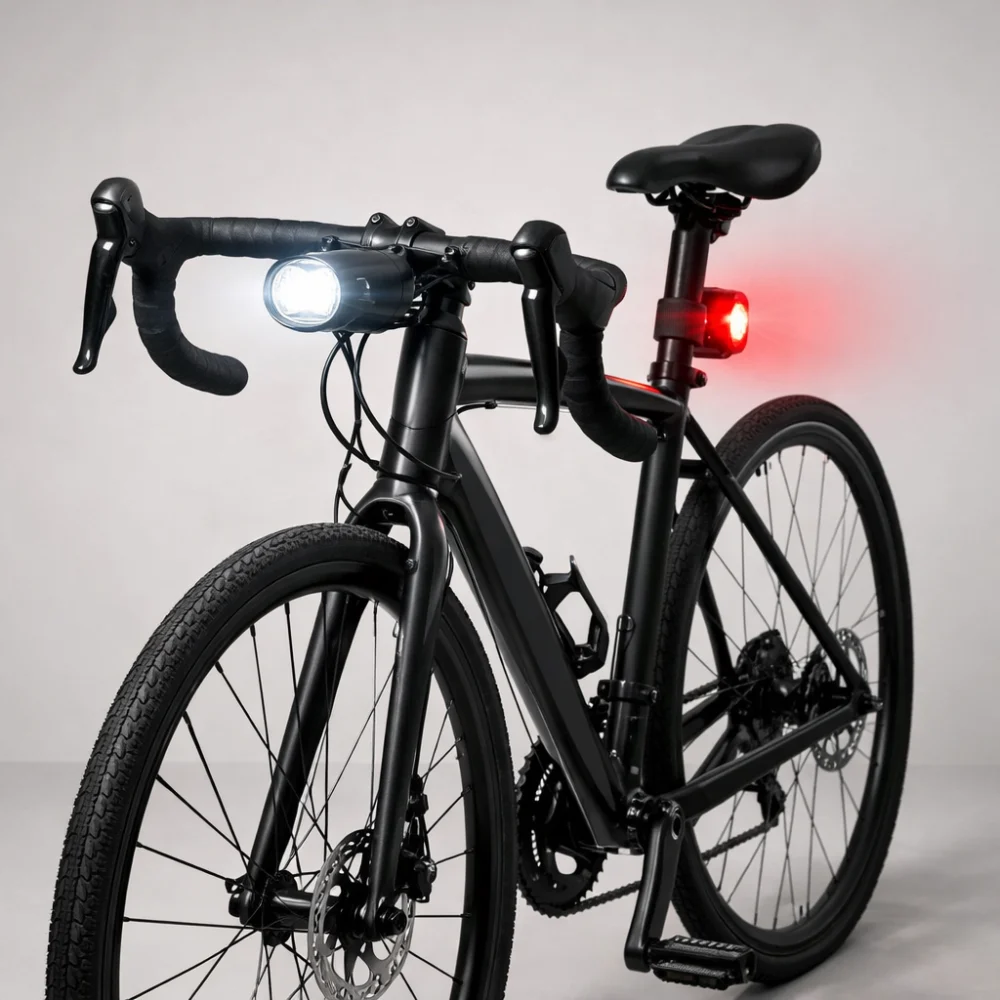

Cycling lights are a practical purchase for riders who want to see the road more clearly and be seen more easily by others. The right choice depends on how and where you ride, whether you need a front light, a rear light or both, and how often you expect to use them.
Because lighting needs vary a lot between city commuting, dark lanes, daylight visibility and occasional use, it helps to compare the main features before choosing. That usually leads to a better fit than picking the brightest-looking option on the page.
If you are buying for yourself or as a replacement, it is worth thinking about mounting, charging, beam style and weather resistance as well as brightness. Specifications vary by model, so always check the individual product page before buying.
Compare Cycling Lights


As an Amazon Associate we earn from qualifying purchases.
What should you look for in cycling lights?
The best starting point is to decide what job the light needs to do. A front light mainly helps you see ahead, while a rear light mainly helps other road users notice you from behind. Many riders need both, but the balance between brightness, run time and mounting convenience will depend on how the bike is used.
For most buyers, the key trade-off is between visibility, battery convenience and how the light is mounted. A simple light can be easy to live with, but a more capable one may suit longer or darker rides better.
| Feature | What it means | Why it matters | What to check |
|---|---|---|---|
| Front or rear use | Whether the light is for lighting the way or signalling your presence from behind | Different jobs call for different beam shapes and placement | Confirm if it is a front light, rear light or a set |
| Battery type | Rechargeable or replaceable power source | Affects convenience, ongoing cost and how often you need to charge or replace cells | Check charging method and whether batteries are included if that matters to you |
| Mounting | How the light attaches to the bike or rider equipment | Secure mounting reduces wobble and makes the light easier to use | Look for the intended handlebar, seatpost, helmet or bag mounting style |
| Light output and beam | How the light is spread and how focused it appears | Influences how far ahead you can see and how visible you are to others | Check the beam description and whether the light is aimed at road use or general visibility |
| Run time | How long the light can operate before needing more power | Important for longer rides and regular commuting | Compare runtime information in the context of the mode you expect to use most |
| Weather resistance | How well the light is designed to cope with wet conditions | Useful for year-round riding and unpredictable weather | Read the product page for any stated water resistance or weather guidance |
Key decision criteria explained
Think about your riding environment
A rider on lit urban roads may need a different setup from someone using dark country lanes or shared paths. In brighter areas, being seen may matter more than creating a powerful beam, while unlit routes may call for a light that helps you pick out hazards further ahead. The more variable your route, the more useful it is to compare several lighting modes and mounting positions.
Choose the right balance of brightness and usability
Brighter lights are not automatically better for every rider. A very strong front light can be useful in dark places, but if it is more power-hungry or more cumbersome to mount, that may not suit a short commute or occasional use. The practical question is whether the light matches your normal riding conditions rather than the most demanding ride you might do once in a while.
Check mounting and removal
A light that is easy to fit and remove can be more convenient for commuting or parking in public places. Some buyers prefer a simple quick-release style, while others want a more fixed setup. If you move the light between bikes, check that the mounting style suits both bikes before buying.
Consider battery convenience
Rechargeable lights are often appealing for regular use because they avoid disposable batteries, but they still need charging discipline. Replaceable batteries can be helpful if you want a simple backup approach, although that depends on the specific model. Think about how often you ride and whether you prefer charging at home, at work or not at all.
Look at the beam pattern, not just the headline figure
A published output figure does not tell the whole story. A light that is well suited to road use may spread illumination differently from one aimed at off-road riding or basic visibility. The beam pattern can influence both how useful the light feels and how comfortable it is for other road users.
Types and variants within cycling lights
Most buyers will encounter a few broad choices rather than a huge number of specialist versions.
- Front lights help you see ahead and are usually the main choice for darker rides.
- Rear lights are designed to make you more noticeable from behind and are often important for commuting.
- Light sets suit buyers who want a matched front-and-rear solution in one purchase.
- Helmet or bag lights can improve visibility from a higher position, although they are not always a substitute for bike-mounted lights.
Each type has its own strengths. A set can be convenient, but a rider with different front and rear needs may prefer to choose each light separately. If you want flexibility, compare the mounting and power details for each part rather than assuming a bundled set is automatically the right fit.
Which cycling light suits which rider?
| Buyer need | What to prioritise | Why it helps |
|---|---|---|
| Daily commuter | Easy mounting, dependable battery, rear visibility | Convenience matters when the light is used often and in varied conditions |
| Occasional rider | Straightforward controls and simple charging | A light that is easy to store and use may be more practical than a complex one |
| Rider on darker routes | Front beam shape, runtime and secure fit | Helps with awareness of the road ahead on less illuminated rides |
| Gift buyer | General-purpose set and easy setup | A broad-appeal choice is often safer when the recipient’s exact riding pattern is unknown |
| Replacement buyer | Mounting compatibility and power type | Makes it easier to match the new light to the existing bike and routine |
Common mistakes to avoid
- Choosing only by brightness: output matters, but so do beam pattern, fit and battery life.
- Ignoring mounting: a light that does not sit securely is less convenient and may be more frustrating to use.
- Buying a front light when you mainly need rear visibility: the right light depends on the job, not just the category name.
- Overlooking charging needs: a rechargeable model only works well if you are comfortable keeping it charged.
- Assuming a set is always the best value: a bundle is useful only if both lights suit your riding.
Safety and suitability caveats
Cycling lights are best chosen with your normal riding conditions in mind, not as a one-size-fits-all accessory. Wet weather, traffic levels and route lighting can change what feels suitable, so it is sensible to check the product details carefully before buying.
If you ride on busy roads, make sure the light you choose is intended for the type of visibility you need and that its mounting works reliably on your bike. A light is only one part of being visible, so it should be treated as a practical aid rather than the only thing that matters.
Maintenance, storage and lifespan considerations
Lighting products often need a little upkeep to stay useful. Rechargeable models may need regular charging, while battery-powered versions may need replacements from time to time. Keeping contacts clean, storing lights indoors when possible and checking mounts before a ride can all help a light remain dependable.
If you expect to use a light through winter or in frequent rain, it is worth choosing a model that suits that routine rather than relying on a light intended for occasional fair-weather use. As with most accessories, long-term satisfaction usually comes from matching the product to the way you actually ride.
How to compare cycling lights efficiently
- Decide whether you need a front light, a rear light or both.
- Match the light to your usual riding conditions, such as commuting, daylight visibility or darker routes.
- Compare battery type, mounting and beam style before looking at anything else.
- Check run time and weather guidance for the specific model you are considering.
- Read the individual product page to confirm the details that matter most to you.
Summary buyer decision checklist
- Do I need front, rear or paired lights?
- Will the light suit my usual roads and riding times?
- Is the mounting style convenient for my bike?
- Do I prefer rechargeable or replaceable power?
- Does the beam and runtime suit how long I ride?
- Is the product information clear enough for my setup?
Frequently asked questions
Do I need both a front and a rear cycling light?
Many riders benefit from both, because they serve different purposes. A front light helps with seeing ahead, while a rear light helps other road users notice you from behind. If you are buying just one to start with, think about which visibility gap is more important for your usual riding.
Are rechargeable cycling lights better than battery-powered ones?
Neither is automatically better. Rechargeable lights are often convenient for regular riders, while replaceable batteries can suit people who want a simpler backup approach or do not want to manage charging as often. The right choice depends on how frequently you ride and how you prefer to power accessories.
How bright should a cycling light be?
There is no single answer that suits every rider, because route lighting and intended use vary. A light for well-lit streets may have different needs from one used on darker lanes or trails. Focus on the full product description, not just the highest headline figure.
Can I use one light for everything?
Sometimes, but not always comfortably. A general-purpose light may be fine for short rides or occasional use, yet a rider who commutes often or rides in darker conditions may prefer a more specific front or rear setup. It is usually better to match the light to the main use rather than expect one accessory to do every job equally well.
What should I check before buying a replacement light?
Check the mounting method, the power type and where the light is intended to sit on the bike. If you are replacing a broken or lost light, it helps to think about how the old one was used and what did not work well enough. That makes it easier to choose a better fit this time.
Do cycling lights need much maintenance?
Usually not much, but they do benefit from basic care. Charging them regularly, keeping them clean and storing them sensibly when not in use can help avoid disappointment. If you ride in bad weather often, pay extra attention to the product’s guidance on use and storage.
Is a set better than buying front and rear lights separately?
A set is convenient when you want a simple matched solution, especially for a first purchase or a gift. Buying separately can be better if your front and rear needs are different, or if you already have one light and only need the other. The more clearly you understand your own riding pattern, the easier that decision becomes.
Check visibility from side angles
Front and rear visibility are not the only angles to consider. At junctions or where paths cross, other road users may approach from the side, so check whether the product information describes visibility beyond a direct front or rear view.
Also consider where the light will sit on your bike: a bag, rack or other fitting could obscure it. A side-visibility feature may be useful, but its suitability depends on the light’s design and position.
More Cycling Lights
See all 289 Cycling Lights →


As an Amazon Associate we earn from qualifying purchases.


