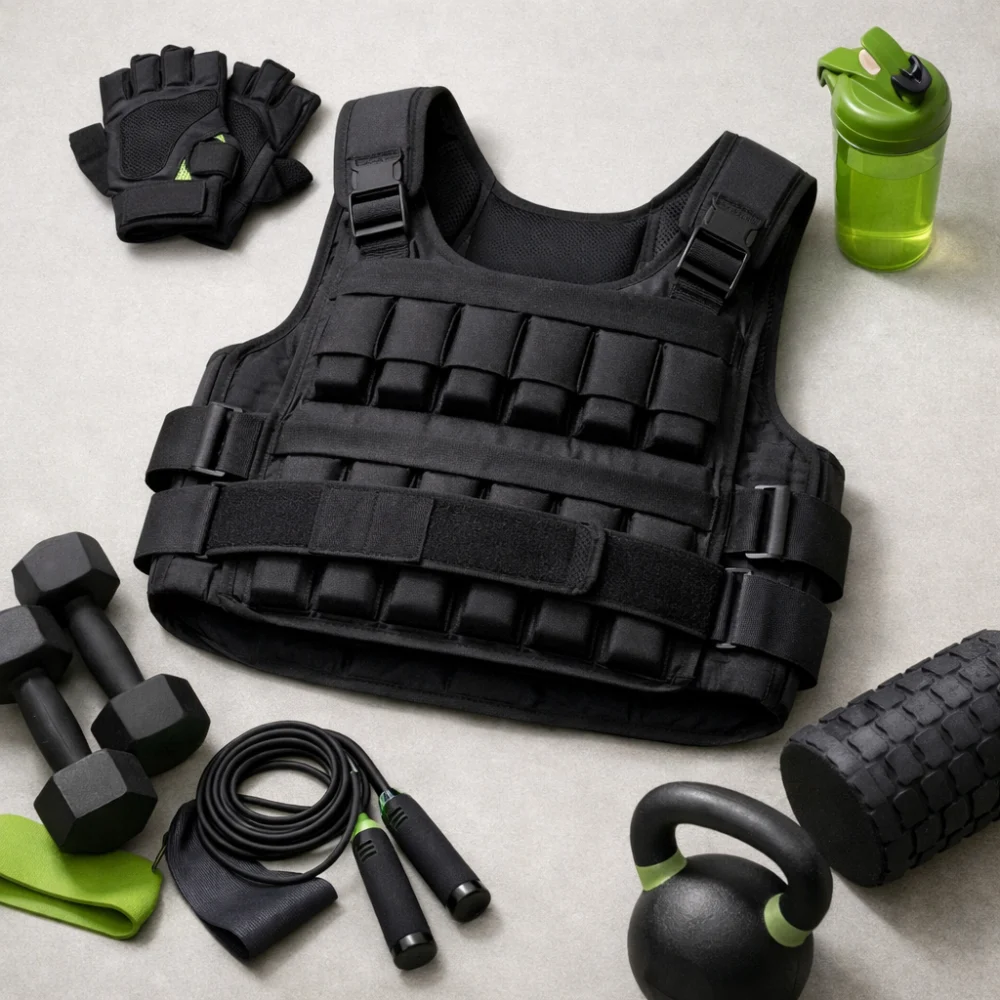
Weighted vests are a simple way to add extra load to bodyweight training, walking or conditioning work. The right choice depends less on headline weight and more on how the vest fits, how the weight is carried and how comfortable it feels during the movements you actually do.
If you are new to the category, it helps to think about the vest as training equipment that should stay stable and manageable while you move. A vest that sounds suitable on paper can still feel awkward if the fit is poor or the load is hard to adjust.
This guide explains the main buying points so you can compare weighted vests with a clearer view of comfort, adjustability and intended use.
What should you look for in a weighted vest?
The best starting point is your training style. For walking or general conditioning, comfort and even weight distribution usually matter most. For exercises such as squats, press-ups or interval work, secure fit and freedom of movement become more important.
Weight itself is only one part of the decision. A lighter vest that fits well may be more useful than a heavier one that shifts, pinches or becomes tiring to wear. Specifications vary by model, so always check the individual product page before buying.
| Feature | What it means | Why it matters | What to check |
|---|---|---|---|
| Load level | The total added weight the vest is designed to carry | Affects training intensity and how demanding the vest feels | Whether the load suits your current training and whether it can be adjusted |
| Fit and adjustment | How the vest is secured and whether it can be tightened or loosened | Good fit helps reduce movement and improves comfort | Closure type, strap adjustment and whether the vest is meant for your body size range |
| Weight distribution | How the load is spread across the torso | More even distribution can feel steadier during exercise | Whether the vest places weight front and back and how it sits on the shoulders |
| Breathability | How open or ventilated the materials feel during use | Can affect comfort when training for longer periods | Material description and whether the design looks suited to warmer sessions |
| Movement freedom | How much the vest interferes with arms, breathing and torso movement | Important for dynamic training and repeated repetitions | Cut, shape and whether the design looks compact enough for your exercises |
| Load adjustability | Whether the weight can be added or removed | Lets you progress gradually and adapt the vest to different sessions | Removable weights or other adjustment method listed on the product page |
Key decision criteria explained
Fit and stability
A weighted vest should stay close to the body without bouncing excessively. If it moves too much, it can become distracting and may change how comfortable exercises feel. Look for clear sizing information, adjustable straps and a shape that suits the type of training you plan to do.
Adjustable versus fixed load
Some vests offer removable weights, while others use a fixed load. Adjustable designs can be more flexible if you want one vest for different sessions or for gradual progression. Fixed-load vests can be simpler to use, but they give you less room to change the challenge over time.
Comfort during movement
Comfort is not only about padding. It also includes how the vest sits on the shoulders, whether the load feels balanced and whether the cut allows you to move your arms naturally. If you expect to run, jump or work through fast circuits, this matters more than it would for slower walking sessions.
Breathability and fabric feel
Weighted vests are worn close to the body, so the material can influence how pleasant they are during longer sessions. A more breathable design may feel better if you train indoors or in warmer conditions, while a more robust design may appeal if durability is your priority. The trade-off is that comfort, ventilation and durability are not always maximised at the same time.
Common weighted vest types and variants
Within this category, the main differences are usually about load style rather than radically different product forms.
- Adjustable weighted vests let you change the load by adding or removing weight. They suit buyers who want progression or more than one training use.
- Fixed-weight vests keep the setup simple. They can suit people who know the load they want and prefer less faff before a workout.
- Training-focused vests are often aimed at bodyweight work, conditioning or general fitness. These may prioritise movement and comfort.
- Walking-oriented vests are typically chosen for steadier, lower-impact use where comfort and wearability matter more than explosive movement.

Which vest suits which buyer?
| Buyer need | Features to prioritise | Why |
|---|---|---|
| Beginner | Clear sizing, comfortable fit, modest load | Helps keep the vest manageable while you get used to training with extra weight |
| Walker or general fitness user | Comfort, stable fit, breathable feel | These sessions are often longer, so comfort can matter more than maximum load |
| Bodyweight training user | Secure fit, freedom of movement, balanced load | Exercises such as squats, lunges and press-ups can feel awkward if the vest shifts |
| Progressive trainee | Adjustable weight and a fit that stays secure at different loads | Allows gradual increases without replacing the vest too soon |
| Buyer with limited space | Simple construction and easy storage | A straightforward vest can be easier to store and put away after use |
Common mistakes to avoid
- Choosing load before fit. A heavier vest is not automatically the better choice if it sits badly or feels unstable.
- Ignoring the type of training. A vest that works for walking may not be ideal for fast circuits or repeated floor work.
- Assuming adjustability is always needed. Some buyers will prefer a simpler fixed-load vest if they want one clear training setting.
- Overlooking comfort details. Shoulder pressure, strap design and balance can matter more than a small difference in headline weight.
Safety and suitability caveats
Weighted vests add stress to your training, so it is sensible to choose a load and style that match your current ability and intended use. If you are unsure whether a vest is suitable for a particular exercise or for a specific personal situation, check the product information carefully and seek professional advice where appropriate. Do not assume that any vest is suitable for every exercise or every user.
Maintenance, storage and lifespan considerations
Before buying, think about how you will store the vest and whether its materials are easy to keep clean after use. If the design uses removable weights or separate inserts, that can affect how quickly you can pack it away and how much care it needs between sessions. A straightforward design may be easier to live with if you plan to use it often.
How to compare weighted vests efficiently
- Decide what you want the vest to do: walking, general conditioning or bodyweight training.
- Choose the type of load you want: fixed or adjustable.
- Compare fit, stability, comfort and breathability before looking at headline weight.
- Check how the vest distributes weight and whether it seems suited to your movements.
- Read the individual product page for size details, adjustment method and any use limitations.
Weighted vest buyer checklist
- Does the vest suit the exercises or activities you plan to do?
- Is the load level appropriate for your current training?
- Do the fit and adjustment method look secure and comfortable?
- Would adjustable weight help you progress, or would a simpler vest be enough?
- Does the design seem breathable and stable enough for your usual session length?
- Have you checked the individual product page for the exact specification?
Frequently asked questions
What is a weighted vest used for?
It is used to add extra load to exercises or walking, making the activity more demanding. Buyers often choose them for general conditioning, bodyweight training or walking workouts. The main question is not simply how heavy it is, but whether it suits the kind of movement you plan to do.
Should I buy an adjustable weighted vest?
An adjustable vest can be useful if you want one product for different sessions or want to increase load gradually. If you already know the weight you want and prefer a simpler setup, a fixed-load vest may be enough. The better option depends on how much flexibility you expect to need.
How do I know if a weighted vest will fit properly?
Look for clear sizing guidance, adjustment straps and any notes about body size or fit on the product page. A good fit should feel secure without excessive bouncing or pinching. Because fit affects comfort so much, it is worth checking this before focusing on the load.
Is a heavier vest always better?
No. A vest that is too heavy for your current level can feel awkward and may reduce comfort or control during exercise. A well-fitting vest with a manageable load is often the more practical choice.
Can I use one vest for walking and training?
Sometimes, yes, but the best choice depends on how you plan to move. A vest intended for walking may feel fine for steady use yet be less suitable for fast or explosive exercises. If you want to use it for both, look carefully at fit, stability and freedom of movement.
What should I check on the product page before buying?
Check the load, adjustment method, fit information and any notes about intended use. It is also sensible to look at how the vest is designed to sit on the body, because that can affect comfort more than many buyers expect. Specifications vary by model, so always check the individual product page before buying.