
Weighted Vests
Weighted vests are wearable training vests designed to add extra load to bodyweight exercises, walking, conditioning workouts and functional training. This category is ideal if you want equipment for calisthenics, pull ups, dips, squats, lunges, step ups, walking, bootcamp sessions or home fitness routines.
The right weighted vest depends on your current fitness level, the activity you plan to do and how much extra weight you can control safely. A lighter vest may suit walking and beginner bodyweight training, while an adjustable weighted vest gives more room to progress over time.
- Weighted Vests
Adult Weighted Sensory Vest for Deep Pressure Comfort, Extra Large
£81.99 *View On Amazon* - Weighted Vests
5kg Weighted Vest with Phone Pocket, Water Bottle and Reflective Strips
£33.99 *View On Amazon* - Weighted Vests
GYMAX 20 kg Adjustable Weighted Vest with Removable Iron Weights
£49.45 *View On Amazon* - Weighted Vests
BAGAIL Adjustable Weighted Vest with Removable Iron Weights
Original price was: £57.75.£54.86Current price is: £54.86. *View On Amazon* - Weighted Vests
Amstaff Fitness Weighted Vest, 16 lbs, Black with Reflective Stripe
£44.99 *View On Amazon* - Weighted Vests
Weighted Compression Vest for Kids with 2.65 lbs Removable Weights
£32.99 *View On Amazon* - Weighted Vests
COSTWAY Weighted Vest with Adjustable Buckles and Mesh Pocket
£37.95 *View On Amazon* - Weighted Vests
Weighted Vest for Kids, Large, Ages 10+, 3 lb Removable Weights
Original price was: £44.95.£39.95Current price is: £39.95. *View On Amazon* - Weighted Vests
Yes4All 51F7 Cast Iron Rucking Weight Plate for Backpack, 15.9 kg / 35 lb, Black
Original price was: £49.90.£42.22Current price is: £42.22. *View On Amazon* - Weighted Vests
ProsourceFit 10 lb Weighted Training Vest, Black
Original price was: £18.00.£16.16Current price is: £16.16. *View On Amazon* - Weighted Vests
GYMAX 5kg Adjustable Weight Vest with Mesh Pocket and Reflective Strips
£24.70 *View On Amazon* - Weighted Vests
SteelCore Adjustable Weighted Vest with Removable Steel Weights
£98.85 *View On Amazon* - Weighted Vests
Force Fitness Weighted Vest for Running with LED Safety Lights (4–12kg)
£34.95 *View On Amazon* - Weighted Vests
5.4 kg Weighted Vest with Adjustable Fit and Reflective Details
£19.99 *View On Amazon* - Weighted Vests
SPORTNOW 10kg Weighted Vest with Adjustable Straps and Reflective Strips
£23.99 *View On Amazon*


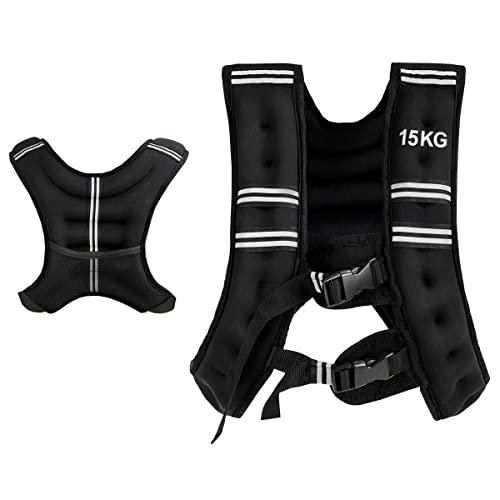


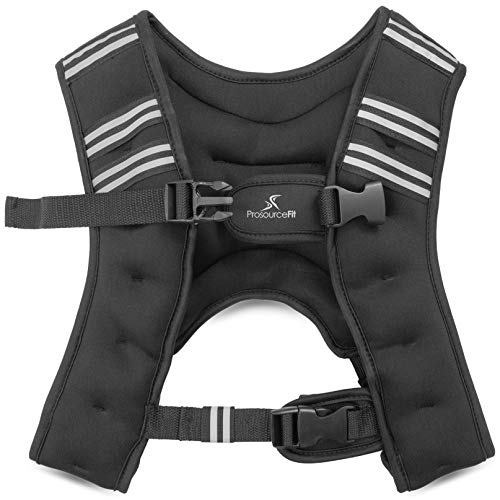


What Is A Weighted Vest?
A weighted vest is a vest worn around the torso with built in or removable weights. It increases the load your body carries during movement, making simple exercises feel more challenging.
Weighted vests are commonly used for bodyweight strength training, conditioning, walking, step ups, squats, lunges, push ups, pull ups, dips and functional workouts. They can be useful when you want to make exercises harder without holding dumbbells or using large machines.
How To Choose The Right Weighted Vest
Start with the activity. If you want to use a vest for walking, choose a comfortable fit, secure straps and a manageable weight. If you want it for pull ups, dips or calisthenics, look for a vest that stays close to the body and does not swing around.
Weight is one of the most important buying factors. Too much load too soon can make movement awkward and increase strain. Beginners should start light and build gradually as strength, balance and confidence improve.
Fit also matters. A weighted vest should feel secure but not painfully tight. It should not restrict breathing, rub the shoulders, bounce heavily or interfere with normal movement.
Fixed Weight Or Adjustable Weighted Vest?
A fixed weight vest has one set weight. It can be simple and convenient if you already know the load you want and do not need much progression.
An adjustable weighted vest lets you add or remove weight. This is usually more flexible because you can start lighter and increase the load as your training improves.
The trade off is simplicity versus progression. Fixed weight vests are straightforward. Adjustable vests offer more long term value if you plan to use the vest for different exercises and fitness levels.
Weighted Vest Or Weight Belt?
A weighted vest spreads load around the torso. It can be useful for walking, step ups, squats, lunges, push ups and general conditioning because the weight stays close to the body.
A weight belt is usually used for adding weight to pull ups, dips and similar exercises. It allows heavier loading for specific movements, but it is less suitable for walking or full body circuit training.
The better choice depends on how you train. Choose a weighted vest for varied movement. Choose a dip belt if your main goal is heavy weighted pull ups or dips.
Key Features To Compare
When comparing weighted vests, look at total weight, adjustability, fit, strap design, weight distribution, material, padding, breathability, pocket security, movement control and washing or care requirements.
Weight distribution affects comfort. A vest that pulls too much at the shoulders or bounces during movement can become distracting quickly. Secure fastening helps keep the vest close to the body during exercise.
Breathability can also matter. Weighted vests can feel warm during hard training, walking or outdoor sessions, so fabric and ventilation should be considered if you plan longer workouts.
Best For Walking, Calisthenics Or Conditioning?
For walking, choose a lighter vest that feels comfortable over time and does not affect posture or breathing. Long walks with too much added load can become uncomfortable, so gradual progression matters.
For calisthenics, choose a close fitting vest that does not get in the way of pull ups, dips, push ups or ring work. A compact design can help you move more naturally.
For conditioning, choose a vest that stays secure during squats, lunges, step ups, circuits and bodyweight exercises. The vest should add challenge without making technique messy.
Beginner, Regular Trainer Or Advanced User?
Beginners should start with a light vest or an adjustable vest set to a low weight. The aim is to add a small challenge, not to make every exercise feel heavy and awkward.
Regular trainers may want more adjustability, stronger materials and a fit that works across several exercises. A vest that can be used for walking, bodyweight work and circuits gives more variety.
Advanced users may need a heavier adjustable vest for progressive overload, but heavier training should still be controlled and matched to the exercise.
Using Weighted Vests Safely
Weighted vests increase the demand on your muscles, joints, breathing and balance. Start lighter than you think you need and increase gradually.
Avoid using a heavy vest for high impact jumping, running or fast movements unless the vest and your body are ready for that kind of load. Poor control, tired movement and too much weight can increase the risk of discomfort or injury.
If you feel chest pain, dizziness, sharp joint pain, back pain, unusual breathlessness, numbness or discomfort that does not feel right, stop exercising and seek suitable advice. If you have medical concerns, joint problems or have not exercised for a long time, get appropriate advice before using weighted training equipment.
Useful Accessories To Consider
Useful accessories can include pull up bars, dip stations, resistance bands, exercise mats, plyometric boxes, training shoes, gym towels, water bottles and fitness trackers.
A pull up bar or dip station can pair well with a weighted vest for strength progression. An exercise mat can make floor work more comfortable. A fitness tracker can help you monitor walking time, effort and routine consistency.
Choose accessories that match your actual training rather than adding weight to exercises you do not yet control well.
Why Buy Weighted Vests From YPC?
At YPC, we understand active lifestyles and the need for practical fitness equipment that fits real routines. Weighted vests should feel secure, comfortable and suitable for the way you actually train.
Browse the Weighted Vests range, compare the options and choose the vest that fits your strength level, workout space and training goals.
Weighted Vests FAQs
What is a weighted vest used for?
A weighted vest is used to add extra load to bodyweight exercises, walking, conditioning workouts, calisthenics, step ups, squats, lunges, pull ups and dips.
Are weighted vests good for beginners?
Weighted vests can suit beginners if the load is light and exercises are controlled. Starting too heavy can make movement uncomfortable and harder to manage.
What weight vest should I start with?
Start with a light weight that lets you move well and breathe comfortably. Adjustable vests are useful because you can begin low and increase gradually.
Are adjustable weighted vests better?
Adjustable weighted vests are usually more flexible because you can change the load for different exercises and progress over time.
Can I walk with a weighted vest?
Yes, walking with a weighted vest can add challenge, but start light and build gradually. The vest should not affect posture, breathing or comfort.
Can I run with a weighted vest?
Running with a weighted vest is more demanding and may not suit everyone. If you do it, start very light and make sure the vest is designed to stay secure during impact.
Are weighted vests good for pull ups?
Yes, weighted vests can be useful for making pull ups harder once bodyweight pull ups feel controlled. The vest should fit close and not swing during movement.
Are weighted vests good for push ups?
Yes, a weighted vest can make push ups more challenging by adding load across the torso. Start with a manageable weight and keep technique controlled.
What is the difference between a weighted vest and a dip belt?
A weighted vest spreads load around the torso and suits varied exercises. A dip belt hangs weight from the waist and is mainly used for dips and pull ups.
Can weighted vests help build muscle?
Weighted vests can support muscle strengthening when they add suitable resistance to exercises, but results still depend on technique, progression, consistency, recovery and nutrition.
Can a weighted vest help with weight loss?
A weighted vest can make some activity more demanding, but it does not cause weight loss on its own. Overall activity, diet, consistency and lifestyle all matter.
How should a weighted vest fit?
A weighted vest should feel secure and close to the body without restricting breathing, rubbing, bouncing heavily or stopping normal movement.
Are weighted vests safe for knees?
They can increase load through the knees, hips and ankles. Start light, use controlled movements and seek advice if you have joint pain or injury concerns.
What should I look for when buying a weighted vest?
Look at total weight, adjustability, fit, strap security, weight distribution, padding, breathability, pocket design and whether it suits your training style.
How do I care for a weighted vest?
Follow the care label, wipe it down after sweaty use, let it dry fully, check seams and weight pockets, and stop using it if straps, stitching or weights become unsafe.
 Getting ready for Summer? View our Home and Garden Products

Heading outdoors this winter? Take a look at our Outdoor Clothing.